
What to Eat to Support Yoru Liver and Detox Organs
Introduction
The liver is a vital organ responsible for more than 500 metabolic, digestive, and detoxification processes essential to human health. Alongside the kidneys, lungs, skin, and gastrointestinal tract, the liver forms the cornerstone of the body’s natural detoxification and waste elimination system. With rising concerns over environmental pollutants, medication overuse, alcohol, and high-fat diets, significant attention has turned toward lifestyle modifications, especially nutrition, to optimize liver health and support detoxification organs. This article synthesizes the moast up-to-date clinical and nutrition science, focusing on dietary strategies to support liver function and overall detoxification, and addresses common misconceptions about “detox diets.”
For those at risk of or living with liver disorders—ranging from hepatitis to nonalcoholic fatty liver disease (NAFLD)—dietary choices can profoundly affect disease trajectory, comorbidity risk, and overall prognosis. Even for individuals with no pre-existing liver illness, evidence-based nutritional interventions can enhance the efficiency of detoxification pathways, support normal metabolic functions, and reduce toxic burden.
This comprehensive review draws on findings from leading health authorities and peer-reviewed literature, translating the science of hepatic and renal nutrition into clear, actionable dietary guidance.
Understanding the Role of the Liver and Detox Organs
The Liver: Central Hub of Detoxification
The liver is the body’s largest internal organ, weighing approximately three pounds in adults.Its primary functions include:
- Metabolism: regulates carbohydrate, protein, and lipid metabolism.
- Detoxification: Converts perhaps harmful chemicals—from alcohol, medications, and environmental toxins—into less toxic forms for excretion.
- Synthesis: Produces bile, essential plasma proteins, and clotting factors.
- Storage: Stores vitamins (A, D, B12) and minerals (iron, copper).
- Immunological Function: Contains Kupffer cells that destroy pathogens.
For an overview of liver functions, see the national Institute of Diabetes and Digestive and kidney Diseases (NIDDK).
Supporting cast: Kidneys, Lungs, Skin, and Gut
The kidneys filter blood to remove waste and regulate fluid, electrolyte, and acid-base balance. The lungs exhale carbon dioxide created during metabolism, while the skin eliminates minor amounts of waste through perspiration. The gut also plays a critical role in eliminating dietary toxins and metabolic byproducts.
Why Diet Matters for Detoxification
Optimal functioning of these systems depends on a steady supply of nutrients, antioxidants, and bioactive compounds. Malnutrition, vitamin or mineral deficiencies, and chronic high-calorie, high-fat, or high-sugar diets can overwhelm detox organs, increasing the risk of diseases such as NAFLD, alcoholic liver disease, and acute liver failure (CDC).
Debunking Myths: “Detox Diets” Versus Evidence-Based Nutrition
Contemporary health culture is rife with “detox” products, fad diets, and cleanses promising to purge the body of toxins. Though, scientific consensus is clear that the liver and kidneys, when healthy, eliminate toxins naturally. There is insufficient clinical evidence supporting restrictive or extreme detox diets for improving hepatic or renal function (NIH). Instead, long-term dietary patterns emphasizing whole foods, dietary fiber, antioxidants, and healthy fats hold the greatest benefit for sustaining detoxification processes.
Macronutrients and Liver Health: What Science Says
Proteins: Building and Repairing Tissues
Adequate dietary protein provides the amino acids necessary for liver regeneration and synthesis of enzymes involved in detoxification. Both animal and plant-based proteins are beneficial when consumed in moderation—excessive intake may overload the urea cycle, particularly in individuals with advanced liver disease (NIH). High-quality sources include:
- lean poultry, fish, and seafood
- Eggs
- Legumes (beans, lentils, chickpeas)
- Tofu and tempeh
Carbohydrates: Energy and Fiber
complex carbohydrates from whole grains, vegetables, and fruits offer a steady energy supply and are high in dietary fiber. Fiber slows the absorption of sugar, reduces hepatic fat accumulation, and modulates gut microbiota, which influences hepatic inflammation (NIH). refined sugars, fructose-sweetened beverages, and white flour should be minimized, as they can promote fatty liver and insulin resistance (Harvard Health).
Fats: What Type Matters
The type and quantity of dietary fat affect liver metabolism. Monounsaturated fats (e.g., olive oil, avocados, nuts) and omega-3 fatty acids (e.g., fatty fish, flaxseeds, walnuts) are associated with lower hepatic fat accumulation and reduced inflammation. Conversely, saturated fats (red meat, butter) and trans fats (processed foods) increase hepatic steatosis and fibrosis risk (NIH).
Key Micronutrients and Bioactive Compounds for liver Function
Antioxidant Vitamins (A, C, E)
Antioxidants neutralize free radicals produced during hepatic detoxification, preventing lipid peroxidation and cellular damage. Vitamin E (in nuts, seeds, and leafy greens) and vitamin C (in citrus fruits, bell peppers, and strawberries) play central roles in hepatic protection, as supported by studies on their role in NAFLD management (NIH).
B Vitamins
B vitamins (especially B6, B12, and folate) are critical cofactors in hepatic enzymatic reactions and methylation pathways that drive detoxification (NIH). Sources include whole grains, dark leafy vegetables, meat, and dairy.
Vitamin D
Emergent evidence links vitamin D deficiency with greater risk of liver inflammation and fibrosis (NIH). Vitamin D can be synthesized from sunlight or consumed in fatty fish, mushrooms, and vitamin D-fortified foods.
Minerals (Zinc, Selenium, Magnesium)
These minerals have antioxidant, anti-inflammatory, and enzymatic roles in hepatic detoxification:
- Zinc (oysters, beef, pumpkin seeds): Required for alcohol dehydrogenase and repair of liver tissue. Study on zinc’s role in hepatic health
- Selenium (brazil nuts, tuna, eggs): Co-factor for glutathione peroxidase, a key antioxidant.
- Magnesium (leafy greens, legumes, nuts): Regulates inflammation and prevents oxidative stress in hepatocytes.
Phytochemicals and Polyphenols
Phytochemicals in fruits, vegetables, teas, and herbs exhibit hepatoprotective effects by modulating inflammation and detoxification enzymes. Examples include curcumin (from turmeric),catechins (from green tea),and resveratrol (from grapes,berries),all supported by promising animal and human studies.
Foods That Support Your Liver and Detox Organs
Cruciferous Vegetables
Broccoli, Brussels sprouts, cabbage, kale, and cauliflower enhance detoxification by increasing phase II enzyme activity, promoting glucosinolate and isothiocyanate production. these compounds support the elimination of carcinogens and xenobiotics (NIH).
Allium Vegetables
Garlic, onions, leeks, and shallots are high in organosulfur compounds, which induce hepatic detox enzymes and exhibit antimicrobial activity. Clinical studies have shown garlic supplements lower liver enzyme elevations in fatty liver subjects.
Citrus Fruits
Oranges, lemons, limes, and grapefruits are rich in vitamin C, flavonoids, and naringenin—potent antioxidants that protect liver cells from oxidative stress. Caution is advised in those taking certain medications (statins, immunosuppressants), as grapefruit can interact with drug metabolism via CYP450 inhibition (FDA).
Berries
blueberries, cranberries, raspberries, and strawberries offer polyphenols and anthocyanins shown to reduce inflammation and fibrogenesis in preclinical liver disease models (NIH).
Leafy Green Vegetables
Spinach, kale, Swiss chard, and collard greens supply chlorophyll, folate, and carotenoids, helping bind and remove toxins from the bloodstream while lowering inflammation (Medical News Today).
Whole Grains
Brown rice, oatmeal, whole wheat, and quinoa contain fiber and prebiotic compounds that modulate the gut microbiome, indirectly supporting the gut-liver axis and reducing liver steatosis (NIH).

Nuts and Seeds
Walnuts, almonds, pumpkin seeds, and chia seeds are excellent sources of vitamin E, omega-3 fatty acids, and glutathione precursors. Regular nut intake is associated with improved biomarkers of liver function.
Fatty Fish
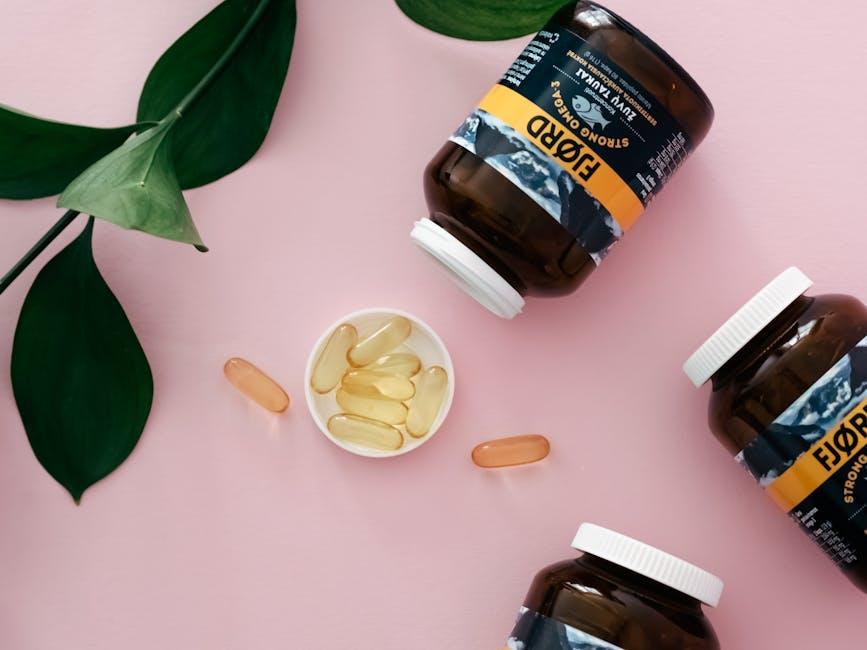
Salmon, mackerel, sardines, and trout provide long-chain omega-3 fatty acids (EPA, DHA) that decrease hepatic inflammation and improve lipid profiles. Clinical trials in NAFLD suggest that fish oil supplementation reduces liver enzyme elevations and steatosis.
Coffee and Green Tea
Moderate coffee intake (2–3 cups daily) correlates with lower risk of chronic liver disease and hepatocellular carcinoma, due to polyphenols and diterpenes that suppress inflammation and fibrosis. Green tea catechins (EGCG) show similar hepatoprotective potential (NIH).
Water and Hydration
Adequate hydration supports optimal kidney filtration,bile flow,and waste removal. The CDC recommends adults consume between 2–3 liters of water per day,with further adjustments for activity and climate.
Sample Meal Plan for Liver and Detox Organ Support
| Meal | Suggested Foods | Nutritional Rationale |
|---|---|---|
| Breakfast | Oatmeal with blueberries, chia seeds, and walnuts; green tea | Antioxidants, fiber, omega-3s, polyphenols |
| Snack | Carrot and celery sticks with hummus | Vitamin A, fiber, plant protein |
| Lunch | Grilled salmon, quinoa salad with kale, tomatoes, and lemon vinaigrette | Omega-3s, B vitamins, vitamin C, antioxidants |
| Snack | apple slices and pumpkin seeds | Fiber, vitamin E, plant-based minerals |
| Dinner | Stir-fried tofu with broccoli, bell peppers, garlic, and brown rice | Plant protein, isothiocyanates, vitamin C, fiber |
Foods and Substances to Limit or Avoid
- Alcohol: Added risk for steatosis, hepatitis, and cirrhosis. The CDC recommends abstinence or strict moderation.
- Sugar-Sweetened Beverages: Associated with NAFLD and increased hepatic triglyceride synthesis (CDC).
- Ultra-Processed and Fried Foods: Increase insulin resistance, inflammation, and trans fat intake.
- Salt/Sodium: excess sodium can worsen fluid retention in cirrhosis and challenge kidney function.
- Unregulated Supplements: Herbal “detox” supplements may cause acute liver injury—seek clinician guidance (NIH).
Pathophysiological Considerations for Special Populations
Nonalcoholic Fatty Liver Disease (NAFLD) and NASH
A Mediterranean-style diet—rich in olive oil, fish, legumes, fruits, and whole grains—yields the strongest evidence for reducing hepatic steatosis and fibrosis (JAMA). Weight reduction (5–10% body weight) is critical for disease remission (NIH).
Chronic Hepatitis (B,C) and Cirrhosis
Malnutrition is common in cirrhosis. High-protein, energy-dense diets and frequent small meals minimize risk of sarcopenia and hepatic encephalopathy when tailored appropriately (Mayo Clinic). Sodium restriction is required to manage ascites.
Renal considerations
Those with moderate-to-severe kidney disease may require adjustment of protein, potassium, phosphorus, and fluid intake to minimize further renal burden (NIDDK).
Lifestyle Factors That Augment Dietary Impact
- Physical Activity: Enhances insulin sensitivity and liver fat clearance. At least 150 minutes of moderate-intensity exercise weekly is recommended (CDC).
- Avoidance of Environmental Toxins: Reduce exposure to pesticides,paint fumes,and industrial chemicals whenever possible.
- Routine Checkups and Vaccination: Regular liver function tests and hepatitis vaccination (A and B) remain the gold standard in prevention (CDC).
FAQs: Supporting Liver and Detox Organs with Nutrition
Can “liver cleanses” reverse chronic liver disease?
No. There is no credible medical evidence for the efficacy of “liver detoxes” or cleanses. Sustainable dietary changes and evidence-based medical interventions are required for liver disease management (Harvard Health).
Should I take supplements for liver health?
in healthy individuals, a balanced diet renders supplementation unneeded, except in cases of diagnosed deficiencies (e.g., vitamin D, B12).Herbal supplements carry risk of hepatotoxicity; always consult a healthcare professional before use (FDA).
How quickly does diet improve liver health?
Meaningful improvements in liver enzymes, imaging, and symptomatology occur over weeks to months, contingent upon the type and extent of liver injury and dietary adherence (NIH).
Conclusion
Optimal liver and detox organ function requires more than “quick fix” cleanses; it depends on lifelong adherence to nutrient-dense, whole-food dietary patterns. Emphasizing complex carbohydrates, diverse plant foods, healthy fats, and adequate hydration while minimizing alcohol, sugars, and processed foods is the most evidence-based approach to safeguarding hepatic and renal health. For personalized nutrition in the context of chronic disease,consult a registered dietitian or hepatologist.
For further reading, consult comprehensive guides from the NHS, CDC, and Harvard Health Publishing for updated, evidence-based recommendations.