

Introduction

A strong core is essential not only for athletic performance but also for the prevention of musculoskeletal injuries and improvement of overall health. Modern evidence emphasizes that core strength underpins ure, balance, spinal stability, and efficient movement patterns in daily life.Yet, many conventional routines focus heavily on crunches, which can be ineffective or even contraindicated for individuals with certain health conditions, such as lower back pain or cervical spine disorders. With a important portion of the adult population reporting back discomfort at some point in their lives-up to 80% according to the National Institute of Neurological Disorders and Stroke-medical professionals are reevaluating which exercises offer the safest and most complete benefits for core strengthening.This article explores a range of evidence-based approaches for improving core strength without relying on crunches, optimizing both safety and effectiveness.
Understanding Core Anatomy and Function
what Constitutes the “Core”?
The core is much more complex than just the abdominal muscles. It includes a network of muscles originating from the pelvis, lower back, hips, and abdomen. According to research published in the Journal of Physical Therapy Science, the core comprises several key muscles:
- Transversus abdominis: The deepest abdominal muscle providing stability.
- Rectus abdominis: The six-pack muscle,largely responsible for flexion.
- Internal and external obliques: Rotational and lateral movement.
- Multifidus and erector spinae: Support the spine and maintain ure.
- Pelvic floor muscles: Provide support for pelvic organs.
- Diaphragm: Plays a role in breathing and intra-abdominal pressure.
This complex integrates stabilizing, mobilizing, and force-transmitting roles that extend far beyond visible muscle tone. Dysfunction or weakness in any of these regions can contribute to instability, chronic pain, and reduced functional capacity (NCBI).
Core Function: Beyond Just Abs
The fundamental role of the core is to provide proximal stability for distal mobility, meaning that a strong core allows for better control of limb movements and protects the spine during activity (Mayo Clinic). A dysfunctional core may lead to compensatory patterns, increasing risk for musculoskeletal injury.
Why Avoid Crunches?
Potential Risks of Crunches
While crunches have long been the er child of core training, growing research indicates several limitations and potential harms. Some of the chief concerns include:
- Spinal Flexion and Disc Pressure: Crunches repeatedly flex the lumbar spine, increasing compressive forces on intervertebral discs. This is problematic, especially for individuals predisposed to herniated discs or chronic back pain. Studies have shown that repetitive lumbar flexion can contribute to disc degeneration and nerve impingement.
- Limited Functional Benefit: Crunches primarily engage the rectus abdominis,neglecting deeper core stabilizers such as the transversus abdominis and multifidus (Harvard Health).
- Neck and Hip Flexor Strain: Improper technique or excessive repetitions may over-activate the hip flexors and strain the cervical spine (NCBI).
Clinical Recommendations
Many physical therapists and sports medicine specialists now advocate for alternatives to crunches, notably for populations at risk for back or neck problems, pregnant individuals, and older adults (CDC).
Evidence-Based Alternatives to Crunches for Core Strengthening
1. Plank Variations
The classic plank and its modifications engage virtually the entire core musculature without spinal flexion. Research in the Journal of Strength and Conditioning Research supports planks as an effective exercise to activate both deep and superficial core muscles.
- Forearm Plank: Keeps the spine neutral and primarily targets transversus abdominis, rectus abdominis, and obliques.
- Side Plank: Focuses on lateral stabilizers (obliques and quadratus lumborum), crucial for anti-lateral flexion strength.
- plank with Leg Lift: Increases demand on gluteals and promotes anti-rotational stability.
Protocol: Hold for 10-60 seconds per repetition,repeating for 3-5 sets as tolerated.
2. Bird Dog
The bird dog is a cornerstone of spinal stabilization exercises and is recommended by numerous rehabilitative protocols. It promotes contralateral limb movement while stabilizing the torso, enhancing functional core strength (Journal of Physical Therapy Science).
From an all-fours position, simultaneously extend the opposite arm and leg, holding for several seconds before switching sides.
This exercise is especially valuable for individuals rehabilitating from back pain or learning core engagement (Harvard Health).
3. Dead Bug
Dead bug targets deep stabilizers by moving limbs in a controlled, alternating pattern from a supine position while maintaining a neutral spine. Studies support its efficacy for both beginners and advanced patients who require core activation training without lumbar strain (Medical News Today).
4. Glute Bridge and Variations
The glute bridge strengthens both the erior chain (gluteus maximus, hamstrings) and core stabilizers. A 2019 study demonstrated that glute bridges are beneficial for activating the lumbopelvic complex and correcting ural imbalances.
- to advance: add a hold, perform with single-leg variations, or elevate feet.
5.standing Core Stabilization Exercises
Standing movements integrate balance, proprioception, and core engagement more functionally than floor-based exercises. Examples include:
- Overhead Press with Rotation: Engages core as an anti-rotator while controlling limb movement (Mayo Clinic).
- single-Leg Romanian Deadlift: challenges balance and activates hip stabilizers.
- Farmer’s Carry: Supports unilateral loading and anti-lateral flexion strength, crucial for real-life activities and injury prevention.
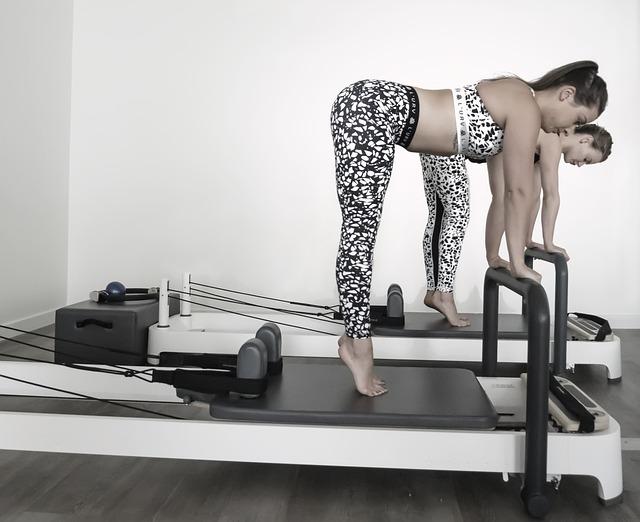
6. Pilates-Based Core Training
Pilates, a method endorsed by rehabilitation specialists, systematically targets the core while emphasizing control, breath, and spinal alignment. A systematic review published in JAMA found Pilates to be effective in improving both core stability and chronic back pain outcomes.
- The Hundred, Roll Down, and Leg Circles: All proven to enhance functional core engagement without spinal strain.
7. Resistance and Stability Ball Training
Training with a stability ball introduces instability, activating deep core musculature as the body strives to maintain balance. Stability ball rollouts, planks, and knee tucks are all supported by clinical evidence, with a 2015 study indicating greater overall core muscle activation compared to traditional exercises.

Mechanisms: Why These Exercises Work
Modern neuromuscular research notes that the most effective core exercises are those that challenge stability, force transmission, and functional movement without excessive spinal flexion. Effective core activation is not measured just by “burn” or fatigue, but by strategic recruitment of stabilizing muscles while minimizing risk to spinal structures (NCBI). Planks, bird dog, and instability training force co-contraction of the diaphragm, pelvic floor, and deep abdominals, addressing real-world needs rather than isolated muscle growth.
Benefits of a Strong Core: An Evidence-Based Overview
A robust core is associated with numerous health outcomes:
- Spinal Health: Reduces risk and recurrence of lower back pain (CDC Back pain Statistics).
- ural Improvement: Enhances standing and seated alignment, mitigating occupational musculoskeletal disorders (WHO).
- Athletic Performance: Improves power transfer, balance, and agility in both elite and recreational athletes (Healthline).
- Gait and Fall Prevention: especially relevant for aging populations at risk for falls (NHS).
- Functional Independence: Supports daily activities from lifting to self-care, correlating with improved quality of life.
Special considerations
Adaptations for different Populations
- Older Adults: Exercises such as standing marches, wall planks, and seated stability work minimize fall risk and comorbid complications. The CDC recommendations on Fall Prevention endorse progressive balance and strength training for this group.
- Pregnant Individuals: Core stability supports pelvic health and reduces back pain, with exercises such as modified planks and pelvic tilts shown to be safe and beneficial (ACOG).
- Chronic Pain or Injury: For those with a history of back injury, targeted core stabilization under clinical supervision (e.g., bird dog, dead bug) is preferable to high-repetition or loaded exercises (mayo clinic).
ure, Ergonomics, and Core Engagement

Beyond formal exercise, daily ure and ergonomics play a pivotal role in maintaining and reinforcing core stability. Recommendations from occupational medicine (MedlinePlus) stress frequent ural variation, active sitting, and micro-breaks as essential for long-term core health.
Integrating Core Strength into Daily Life
Micro-workouts and Functional Engagement
Incorporating brief, functional core activations throughout the day can yield significant benefits. Strategies include:
- Practicing single-leg balance while brushing teeth
- Standing up and completing a modified chair squat periodically
- Engaging core muscles during walking by maintaining tall ure and purposeful gait (Harvard Health)
These approaches reinforce neural patterns essential for everyday functional movements.
Breathwork and Core Activation
Diaphragmatic breathing is fundamental to functional core stability, as the diaphragm, pelvic floor, and abdominal muscles co-contract to regulate intra-abdominal pressure (NCBI). Breath-focused cues during exercise enhance effectiveness and reduce compensatory overuse of superficial musculature.
Sample Weekly Core Strengthening Plan (No Crunches)
| Day | Main Core Exercise | Supplemental Movements | Functional Engagement |
|---|---|---|---|
| Monday | Forearm Plank (3 x 30s) | Standing Bird Dogs | Single-leg balance during routine tasks |
| Tuesday | Dead Bug (3 x 8 reps/side) | Single-Leg Romanian Deadlifts | Active sitting at desk |
| Wednesday | Side Plank (3 x 20s/side) | Pilates Hundred Modified | Seated diaphragm breathing |
| Thursday | Glute Bridge (3 x 12 reps) | Stability Ball Rollouts | Periodic ure checks |
| Friday | Farmer’s Carry (3 x 30m) | Overhead Press with Rotation | Walking with tall gait |
always consult with a qualified healthcare professional prior to beginning a new regimen, particularly if you have underlying musculoskeletal or cardiovascular concerns (NHS Exercise Guidelines).
Signs of Progress and When to Seek Help
strengthening the core reliably translates to tangible improvements in balance, ure, and overall movement efficiency. Signs of adequate progression include the ability to maintain proper technique for longer durations or with greater resistance, reduced incidence of back discomfort, and easier performance of daily tasks. Though, any emergence of persistent pain, neurological symptoms, or instability should prompt prompt medical evaluation and assessment (CDC Physical Activity Basics).
Conclusion
Core strength is far more than aesthetics-it is indeed fundamental to our health, mobility, and resilience across the lifespan. While crunches may have historical popularity, scientific evidence favors comprehensive, functional, and safer methods for building core integrity. By integrating plank variations, stabilizing exercises, Pilates, and dynamic movement into your routine-and adapting for personal needs-it is possible to achieve true core stability and function free from risk. For best results, seek individualized guidance from a physiotherapist or qualified healthcare provider, particularly if you have previous injuries or chronic pain.
Empowering yourself with this knowledge paves the way for a healthier,pain-free future-one rooted in evidence,efficiency,and safety.