


How to Eat for Hormone Balance Without extreme Diets
Introduction
Hormonal balance is essential for optimal health, affecting everything from metabolic function and energy levels to reproductive health and psychological well-being. Unlike fad diets or extreme dietary regimens, evidence shows that lasting eating patterns play a pivotal role in regulating the body’s complex endocrine system [WHO]. Disruptions in hormonal homeostasis are linked to increased risks of chronic conditions such as diabetes, cardiovascular disease, reproductive disorders, and mental health disturbances [CDC]. As endocrine disorders become more prevalent globally, a nuanced understanding of nutrition’s role in hormonal health holds increasing importance for individuals and public health strategies alike.
This comprehensive guide details how to support hormonal equilibrium through pragmatic nutrition choices,without resorting to deprivation,restriction,or unproven dietary extremes.Drawing upon current peer-reviewed medical research, clinical guidelines, and nutritional science, we will explore the evidence-based relationship between everyday food choices and endocrine system function.
The Science of Hormone Balance: An Overview
Hormones serve as biochemical messengers produced by various glands-including the pituitary, thyroid, adrenals, pancreas, and gonads-which regulate essential physiological processes such as metabolism, growth, stress response, appetite, and reproduction [NCBI]. Hormonal imbalance can result from both endogenous factors (e.g., genetics, autoimmune disruption) and exogenous triggers (e.g., poor diet, stress, environmental toxins).

Diet is a modifiable risk factor. Nutrient deficiencies (such as iodine for thyroid hormones or vitamin D for sex hormones), excess intake (for example, high sugar or high-fat diets), and meal timing can all profoundly affect the synthesis, release, and metabolism of hormones [Harvard Health]. As a notable example, persistent hyperglycemia can lead to insulin resistance and, over time, increase the risk of metabolic syndrome and type 2 diabetes [CDC].
Common Signs of Hormonal Imbalance
- Unexplained weight gain or loss
- Chronic fatigue
- Mood disturbances (anxiety, depression)
- Menstrual irregularities
- Digestive issues
- Skin changes (acne, dryness)
If you notice persistent or severe symptoms, consult a healthcare provider to rule out underlying conditions like hypothyroidism, polycystic ovary syndrome (PCOS), diabetes, or adrenal disorders [Mayo Clinic].
Why extreme Diets May Harm Hormonal Health
Extreme diets, such as very low-calorie regimens, severe macronutrient restriction (e.g., cutting out all carbohydrates or fats), or prolonged fasting, are popularized for rapid body composition changes. Though,the majority of these approaches lack substantial long-term evidence of health benefits and are associated with risks of hormonal dysregulation [JAMA].
Restrictive diets can disrupt the hypothalamic-pituitary-adrenal (HPA) axis, reduce thyroid hormone production, disturb reproductive hormones (leading to amenorrhea in women), and alter leptin and ghrelin-the key regulators of appetite and energy homeostasis [PMC].Such imbalances can foster metabolic slowdowns, loss of lean muscle mass, nutrient deficiencies, and adverse psychological effects.
- Caloric restriction: suppresses thyroid function, increases cortisol, and decreases sex hormone synthesis [PMC].
- Elimination of key food groups: Reduces intake of essential micronutrients vital for hormone metabolism (e.g., B-vitamins, zinc, selenium) [NIH].
- Intermittent fasting (excessive): May destabilize reproductive hormones, especially in menstruating women [Medical News Today].
A sustainable, nutrient-rich, and balanced dietary plan is key to supporting hormone health throughout all stages of life.
Core Principles of Eating for Hormone Balance
The foundation for hormone balance lies in a diverse, whole-food-based eating pattern rich in key nutrients. Unlike restrictive diets, these approaches encourage adaptability, inclusivity, and evidence-driven food choices which support endocrine health, metabolic resilience, and overall well-being [Healthline].
Macronutrient Distribution
- Complex carbohydrates: Whole grains, legumes, fruits, and vegetables help modulate blood sugar and provide fiber for gut and hormone health [CDC].
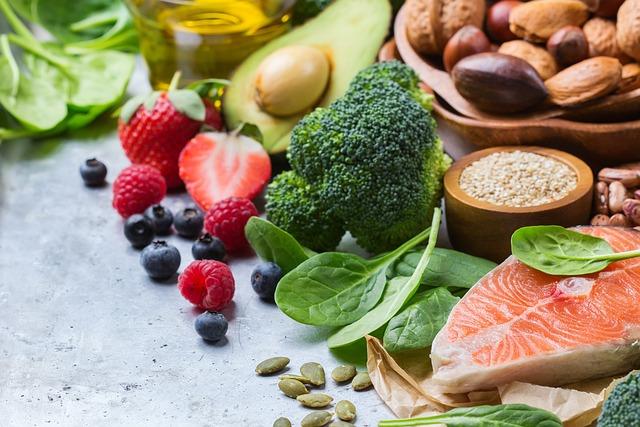
- Healthy fats: Sources such as fatty fish, nuts, seeds, avocados, and olive oil are crucial for adrenal, thyroid, and reproductive hormone synthesis [Harvard Health].
- Lean proteins: Poultry, fish, tofu, beans, eggs, and dairy support muscle mass, neurotransmitter production, and satiety [Harvard Health].
Micronutrients for endocrine Health
- Iodine: Essential for thyroid hormone production. Sources: iodized salt,seaweed,dairy,eggs [NIH].
- Selenium: Supports detoxification of thyroid hormones; found in Brazil nuts, seafood, organ meats [NIH].
- Zinc: Involved in reproductive and metabolic hormones; sources include beef, pumpkin seeds, shellfish [PMC].
- Magnesium: Modulates cortisol and supports insulin sensitivity; found in leafy greens, nuts, seeds, whole grains [NIH].
- Vitamin D: Crucial for sex hormone and immune regulation; best sources are sunlight, fortified dairy, and fatty fish [NIH].
- B-vitamins: Necessary for neurotransmitter and energy metabolism; abundant in whole grains, legumes, eggs, leafy vegetables, meats [NIH].
Dietary Fiber and Gut Health
A healthy gut microbiome is intricately connected to hormonal regulation, especially stress, metabolic, and appetite-related hormones [PMC]. Numerous plant-based fibers (prebiotics) and fermented foods (probiotics) foster microbial diversity, which aids estrogen metabolism, optimizes cortisol levels, and can mitigate inflammation.
- Prebiotic-rich foods: garlic, onions, asparagus, leeks, bananas.
- Probiotic foods: Yogurt,kefir,sauerkraut,kimchi,tempeh.
Regular intake of dietary fiber (minimum 25-38g/day for adults) is associated with improved metabolic and reproductive hormone profiles [CDC].

Specific Nutritional Strategies for Key Hormones
1. Insulin and Blood Sugar Control
Insulin,secreted by the pancreas,regulates blood glucose and plays a critical role in fat and muscle metabolism. Dysregulation leads to insulin resistance, prediabetes, type 2 diabetes, and is a core feature in PCOS [CDC].
Evidence-based strategies include:
- Choose low-glycemic, complex carbohydrates to blunt blood sugar spikes [Healthline].
- Combine carbohydrates with protein and healthy fats at each meal to slow glucose absorption [NHS].
- Reduce refined sugar and ultra-processed foods, which are linked to increased insulin resistance [PMC].
2. Thyroid Hormones
thyroid hormones (T3, T4) control metabolic rate, heart function, and thermoregulation.Hypothyroidism and hyperthyroidism are directly influenced by nutrient status and dietary exposures [Mayo Clinic].
- Ensure adequate iodine intake through fortified foods or sea vegetables, but avoid excessive supplementation.
- Include selenium-rich foods like Brazil nuts and seafood for thyroid hormone conversion.
- Avoid raw intake of excessive cruciferous vegetables (e.g., kale, cabbage) only if you have known thyroid dysfunction, as large quantities can impair iodine utilization [Healthline].
3. Cortisol and Stress Response
Cortisol, the body’s principal stress hormone, is produced by the adrenal cortex as part of the HPA axis. Chronic stress or poor dietary patterns can perpetuate elevated cortisol, leading to insomnia, anxiety, abdominal fat accumulation, and immune impairment [PMC].
- Pursue balanced,regular meals to avoid hypoglycemic stress triggers.
- Pile your plate with antioxidant-rich foods: berries, leafy greens, green tea, and citrus protect against oxidative stress and modulate inflammation [PMC].
- Consider magnesium and B-vitamin sources to buffer stress effects on the nervous system [NIH].
4. Estrogen and Progesterone
Estrogen and progesterone orchestrate female reproductive health, menstrual cycle regulation, fertility, and bone density.Imbalances are implicated in PCOS, endometriosis, PMS, and menopause [PMC].
- Incorporate phytoestrogen-rich foods: flaxseed, soy, lentils, beans-these plant compounds can modulate estrogen activity and may reduce perimenopausal symptoms [Medical News Today].
- Optimize dietary fiber intake to aid in estrogen metabolism and detoxification [PMC].
- Ensure adequate omega-3 fatty acids from fatty fish, chia seeds, or walnuts for anti-inflammatory support [Healthline].
5. Testosterone
Even though testosterone is primarily recognized for its role in male sexual health, it is indeed also crucial for muscle mass, bone density, and cognitive function in all genders.Obesity, chronic illness, and certain dietary excesses or deficiencies can suppress testosterone [PMC].
- Consume zinc- and vitamin D-rich foods-such as shellfish and eggs-and include lean protein and healthy fats.
- Limit refined carbohydrates and excess alcohol, which impair testosterone synthesis [PMC].
- Exercise routinely, as resistance training complements the effects of dietary adjustments [Mayo Clinic].
Building Your hormone-Balancing plate: A Practical Guide
Implementing dietary changes can be overwhelming, but a structured approach allows for gradual progress. Aim to build each meal with a blend of macronutrients, diverse micronutrients, and minimally processed foods.
| Food Group | Examples | Key Role in Hormone Balance |
|---|---|---|
| Whole Grains | Oats, quinoa, brown rice, barley | Blood sugar regulation, B-vitamins |
| Lean protein | Fish, poultry, tofu, Greek yogurt | Synthesizes peptide hormones, satiety, muscle mass |
| Healthy Fats | Olive oil, nuts, seeds, avocado | Cholesterol precursor for steroid hormones |
| Leafy & Cruciferous Veg | Broccoli, kale, spinach, bok choy | Phytonutrients, detoxification, antioxidants |
| Fruits | Berries, citrus, apples, bananas | Fiber, vitamins, antioxidants |
| Fermented Foods | Yogurt, kefir, kimchi, sauerkraut | Gut microbiome, estrogen metabolism |
| Herbs & Spices | turmeric, ginger, cinnamon | Anti-inflammatory, antioxidant activity |
Meal Timing and Frequency: The Evidence
Research indicates that not just what you eat but when you eat influences hormone secretion and metabolism [Harvard Health]. Erratic meal patterns, prolonged fasting beyond individual tolerance, or meal skipping can provoke spikes in cortisol, disrupt blood sugar, and impede metabolic hormones.
- Consistent meal timing anchors circadian rhythms, supporting optimal insulin, cortisol, and ghrelin/leptin cycling [PMC].
- Balanced snacking on whole foods can prevent blood sugar crashes and spikes in stress hormones.
Individualize meal frequency: Some do well with three meals; others may benefit from small,regular snacks. Listen to your body’s true signals of hunger and fullness.
Additional Lifestyle Factors for Hormonal Health
Diet alone cannot address all aspects of hormonal balance.Integrative strategies include:
- Physical activity: Both aerobic and resistance training enhance insulin sensitivity, reduce cortisol, and promote endorphin release [CDC].
- Stress management: Mindfulness, yoga, meditation, and sufficient sleep are proven to lower chronic cortisol and optimize other hormonal pathways [PMC].
- Avoid tobacco and limit alcohol: Both substances are confirmed to disrupt multiple hormone systems, including reproductive, cortisol, and thyroid axes [PMC].
Debunking Popular Myths About Hormone-Related Diets
-
Myth: ”detox diets” or juice cleanses rebalance hormones.
Fact: The human body (primarily the liver and kidneys) detoxifies chemicals and hormones naturally. No evidence supports that commercial “detoxes” optimize endocrine health [Harvard Health].
-
Myth: Soy foods are dangerous for hormonal balance.
Fact: Moderate soy intake has been shown not to adversely impact thyroid, reproductive, or cancer risk in humans, and can offer benefits for menopausal women [PMC].
-
Myth: “Carbs cause hormonal disorders.”
Fact: Whole, unrefined carbohydrates support gut health and stabilize blood sugar, critical for hormone regulation [Harvard Health].
frequently Asked Questions (FAQ)
Can I balance hormones naturally through diet alone?
Diet is a foundational approach for promoting hormone harmony, but severe or persistent imbalances may require medical management or medication. Always consult a qualified healthcare provider for diagnostic evaluation.
How long does it take to notice benefits from dietary changes?
Many people observe changes in energy, mood, or menstrual regularity within several weeks, but full endocrine adaptation may take 3-6 months [Medical News Today].
Are supplements necessary for hormone balance?
Most nutrients should come from whole foods. Supplements can help if deficiencies are identified (e.g., vitamin D, magnesium, or iron), but should only be used under professional oversight [NIH].
Is soy safe for men and women?
Moderate intake (1-2 servings/day) is safe and may benefit cardiovascular and menopausal health. Excessive soy supplementation is not recommended without clinical indication [Mayo Clinic].
Conclusion
Restoring and maintaining hormonal balance does not require deprivation, restriction, or trendy diets. The most powerful strategies are rooted in consistent,balanced nutrition-featuring diverse whole foods,targeted nutrients,supportive meal patterns,and health-promoting lifestyle changes. By focusing on these evidence-based principles, you can support your endocrine system for sustained energy, metabolic health, mood stability, and well-being at every life stage.
For persistent or disruptive hormonal symptoms, collaborating with a registered dietitian, endocrinologist, or primary care provider is recommended to tailor interventions and ensure holistic care.
References
- WHO: Nutrition
- CDC: Diabetes Management and Nutrition
- Harvard Health: Diet for Hormones
- NIH: Office of Dietary Supplements
- Mayo clinic: Nutrition and Healthy Eating
- Healthline: Diet for Hormone Balance
- NCBI: PubMed Database
- Medical News Today