
Introduction
The global wellness industry has witnessed remarkable growth in recent years, fueled in part by widespread health consciousness and the pursuit of preventive healthcare practices. Among the many trends, “detoxification”—or “detox”—has emerged as a popular concept, with millions seeking perceived physical and psychological benefits thru various approaches, most notably via detox supplements. These products are touted as methods to cleanse the body of toxins, boost energy, and enhance organ function. But a crucial medical question remains: Are detox supplements safe to use every day?
to address this, we must rigorously examine the scientific evidence, understand the physiological mechanisms behind detoxification, review the composition and claims of these supplements, and assess their potential risks and benefits. This article aims to provide a comprehensive, evidence-based perspective on the safety of daily detox supplement use, supported by authoritative medical and scientific sources.
understanding Detoxification: The Body’s Natural Process
Detoxification is the body’s innate mechanism for eliminating or neutralizing harmful substances—such as metabolic waste products, environmental toxins, and medications—primarily through the liver, kidneys, gastrointestinal tract, lungs, and skin. The Centers for Disease Control and Prevention (CDC) emphasizes the centrality of these organs in processing and excreting toxic compounds. The liver, specifically, engages in biotransformation pathways (phase I and II reactions) to convert lipophilic toxins into water-soluble forms for renal or biliary excretion (NIH – Toxicology).
The Myth vs.reality of “Toxin Buildup”
While public discourse often references “toxin buildup,” clinical medicine recognizes few scenarios where toxins accumulate without a pathological process—such as advanced liver or kidney disease.In or else healthy individuals, the body’s detoxification systems are highly efficient and generally do not require exogenous support (harvard Health Publishing).
Many commercial detox supplements claim to “enhance” or “cleanse” these natural processes, but it is crucial to scrutinize such assertions from a scientific and regulatory perspective.
what Are detox Supplements?
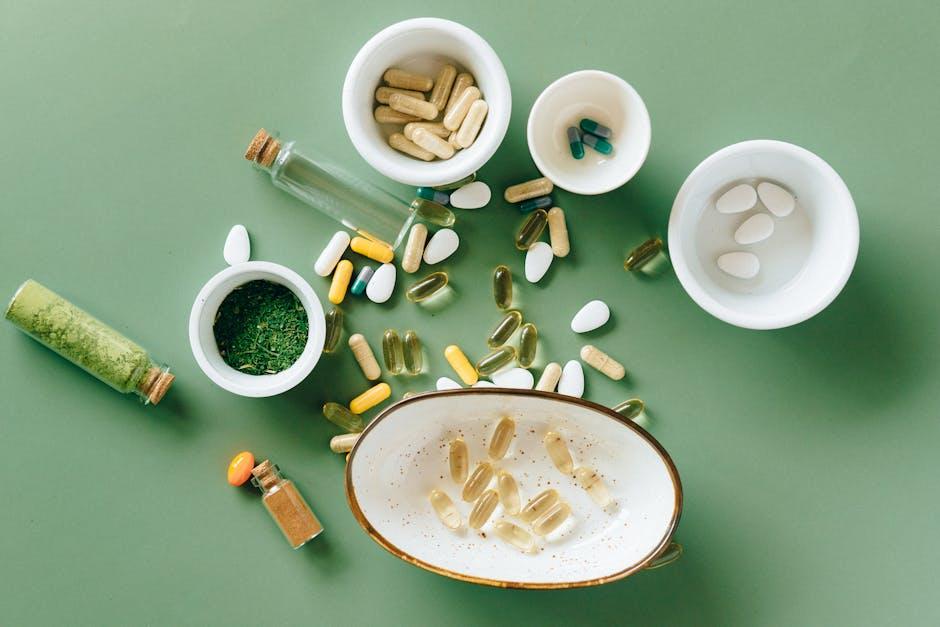
Detox supplements refer to a vast and diverse group of over-the-counter (OTC) products formulated with plant extracts, vitamins, minerals, fibers, probiotics, and other purportedly detoxifying agents. Popular ingredients include milk thistle, dandelion root, chlorella, turmeric, activated charcoal, and various “proprietary blends.”
Manufacturers market these supplements for liver support, bowel regularity, weight loss, improved energy, and perceived “cleansing” effects. Notably, the U.S. Food and Drug Governance (FDA) warns consumers that dietary supplements are not subject to the same rigorous testing and pre-market approval as pharmaceutical drugs,making efficacy and safety verification challenging.
Common Types and Ingredients in Detox Supplements
- Liver Detox Supplements: Milk thistle (silymarin),dandelion root,artichoke extract.
- Colon Cleanses: Psyllium husk, senna, cascara sagrada, aloe vera.
- Heavy Metal Detox: Chlorella, spirulina, cilantro extract.
- Teatoxes (Detox Teas): Green tea, pu-erh, cascara, laxative herbs.
- Probiotic Blends: Various Lactobacillus and Bifidobacterium strains.
- Antioxidant Formulas: turmeric, resveratrol, vitamin C/E, acai berry.
Tho marketed under the same “detox” moniker, these products differ vastly in their ingredients, mechanisms of action, and physiological effects.
Scientific Evidence for Detox Supplements: Do They work?
Most detox supplement claims revolve around generalized benefits like “supporting liver health,” “flushing toxins,” or “boosting cellular cleansing.” Though, current evidence remains limited or inconclusive for most products.
-
Liver Detox Supplements:
Clinical studies assessing milk thistle for liver disease report only modest benefits in chronic conditions like hepatitis and cirrhosis, frequently enough with inconsistent or weak evidence (NIH – Milk Thistle in Liver Disease).
-
Colon Cleanses:
Despite popularity, colon cleansing does not appear to confer measurable health benefits in healthy individuals and may introduce risks like dehydration or dysbiosis (Mayo clinic).
-
Heavy Metal Detox:
Ingredients like chlorella and spirulina may bind some heavy metals in vitro but robust clinical validation in humans is lacking (NIH – Algae and Detoxification).
A systematic review in the BMJ concluded that there is no compelling clinical evidence that commercial detox diets or supplements effectively “detoxify” the body or improve clinical outcomes.
the Regulation of Detox Supplements: What Are the Standards?
In the United States, dietary supplements are categorized and regulated differently than prescription medications.The FDA does not mandate pre-market evidence of efficacy or safety for supplements.Rather, manufacturers are responsible for ensuring the product’s safety and truthful labeling. Regulatory oversight generally occurs after a product is on the market, typically in response to safety reports or adverse event notifications.
Several safety concerns arise from this regulatory framework:
- Lack of pre-market safety testing
- Risk of mislabeling and contamination
- Potential for adulteration with pharmaceutical agents
The National Institutes of Health (NIH) provides consumer fact sheets, cautioning that dietary supplements can interact with medications and carry risks, sometiems leading to hospitalizations.
Potential Risks and Side Effects of Daily Detox Supplementation
Continuous, daily consumption of detox supplements introduces several potential hazards, both acute and long-term.
Common Adverse Effects
- Gastrointestinal: Diarrhea, bloating, cramping, flatulence, nausea.
- Electrolyte Imbalances: especially from laxative-based supplements, risking hypokalemia and dehydration (NIH – Laxative Abuse).
- Liver Injury: Reports of acute liver failure and hepatitis associated with herbal detox supplements (NIH – Herbal and Dietary Supplements Induced Liver Injury).
- Renal Toxicity: Nephrotoxicity due to certain botanicals or overdoses of minerals/vitamins.
Populations at Special Risk
- People with chronic liver or kidney disease
- Pregnant or lactating women
- Pediatric and geriatric populations
- Individuals on multiple medications (drug-supplement interactions)
For these groups,daily use of detoxifying agents can be especially hazardous,as the risk of adverse events or drug interactions is greater. The UK National Health Service (NHS) strongly advises caution,especially for vulnerable populations.
In rare cases, herbal detox products have caused life-threatening reactions (FDA).
Do Detox Supplements Interact With Medications?
Detox supplements often contain bioactive phytochemicals that can alter the pharmacokinetics of prescription medications.St.John’s wort, for example, is a known inducer of cytochrome P450 enzymes, which can reduce drug efficacy or increase toxicity (NIH – Herbal Supplements and Drug interactions).
Milk thistle may alter metabolism of statins, chemotherapy drugs, and antiretrovirals (NIH – Milk Thistle Interactions).
senna and other stimulant laxatives may reduce absorption of oral medications or cause potassium depletion, affecting heart and muscle function.
Individuals taking prescription drugs should always consult a healthcare professional before initiating any supplement regimen.

Detox Supplements and Liver Health: A Double-Edged Sword?
While many detox products claim to “protect” liver function, real-world case reports provide a cautionary counterpoint. The U.S. LiverTox Database has documented hundreds of instances of drug-induced liver injury linked directly to herbal and dietary supplements, including those specifically marketed for detoxification. Clinical features range from mild transaminitis to fulminant hepatic failure requiring transplantation.
| ingredient | Reported Hepatotoxicity | Reference |
|---|---|---|
| Green tea extract (high catechins) | Acute hepatitis, liver failure | NIH – Green Tea Hepatotoxicity |
| Kava | Severe hepatitis, fatal liver failure | NIH – Kava and Hepatotoxicity |
| Multi-herbal blends | Mixed patterns, frequently enough cholestatic/jaundice | NIH – Herbal Supplements and Liver Injury |
Psychological and Behavioral Considerations
The pursuit of daily “detox” may inadvertently foster counterproductive attitudes toward food, health, and the body. Some users may develop restrictive eating patterns or reliance on supplements as a substitute for evidence-based health behaviors, such as nutritious eating and physical activity. In rare instances,obsession with “cleansing” may contribute to disordered eating or orthorexia nervosa (NIH – Orthorexia Nervosa).
Moreover, the placebo effect likely plays a notable role in self-reported benefits from detox products, as expectations and ritualized behaviors can produce perceived improvements in well-being.
Nutritional Consequences of Frequent Detoxification
Chronic use of detox supplements, especially those containing strong laxatives or diuretics, can lead to malnutrition, electrolyte disturbances, and depletion of essential micronutrients (NIH – Supplement Induced Malnutrition). This risk is amplified when such products replace balanced meals or whole foods.
- Electrolyte disorders: Hypokalemia, hypomagnesemia, hyponatremia.
- Deficiency States: Vitamin and mineral depletion, protein-energy malnutrition.
- Microbiome Disruption: Laxatives and harsh fibers may disrupt the balance of healthy gut bacteria, impairing digestion and immune defence.
Detox Supplements and Chronic Disease: A False Sense of Security?
For individuals living with chronic diseases—such as diabetes, hypertension, or autoimmune disorders—there is no scientific evidence that detox supplements provide benefit as part of disease management. In fact, substituting these products for prescribed therapies can delay effective treatment and worsen health outcomes (Harvard Health Blog).
Detox Diets vs. Detox Supplements: Are They the Same?
While related, detox diets and supplements are distinct entities. Detox diets commonly involve calorie restriction, fasting, or elimination of certain foods—but not always the addition of supplements. both approaches often lack clinical evidence and carry inherent risks when not medically supervised (Mayo clinic – Detox Diets).
It is vital to distinguish between supplements, dietary modifications, and evidence-based nutritional science.
The Role of Healthcare Professionals in Supplement Guidance
The involvement of healthcare providers is essential in guiding patients regarding supplement use, especially for populations at heightened risk of adverse effects. The CDC and FDA both encourage individuals to seek qualified medical advice before starting any non-prescription health product.
- Medication Reconciliation: Pharmacists and physicians can assess safety profiles and potential drug-supplement interactions.
- Evidence-based Counseling: Providers can direct patients to reliable resources and the latest clinical guidelines.
Safe Alternatives to Daily Detox Supplement Use
For most people, the best support for the body’s detoxification apparatus is an overall healthy lifestyle:
- Consuming a varied, fiber-rich diet with abundant fruits and vegetables
- Staying hydrated with ample clean water
- Engaging in regular physical activity
- Limiting alcohol, tobacco, and exposure to environmental pollutants
- Ensuring routine medical checkups and vaccinations
as WHO and NHS guidelines emphasize, these core health practices remain the foundation of preventative health.
Critical Takeaways: A Summary Table
| Claim | What Evidence Shows | health Risk? |
|---|---|---|
| “Daily detox cleanses organs” | No clinical evidence in healthy people | Potential for liver, kidney, GI, and nutritional complications |
| “Detox supplements are safe for everyone” | Increased risks in special populations; limited safety data | High risk for children, pregnant women, and those with chronic illness |
| “Herbal products are always natural and safe” | Many botanicals can cause toxicity or interact with drugs | Significant risk of organ injury or interaction |
| “Supplements are regulated for safety” | No mandatory pre-market safety or efficacy standards | Quality varies; contamination/adulteration possible |
Frequently Asked Questions (FAQ)
Are any detox supplements safe for daily, long-term use?
While some individual ingredients may have favorable safety profiles at recommended dosages, the safety of daily, long-term use of multi-ingredient detox supplements is not established. Adverse events—including organ toxicity—can occur, particularly with ingredient stacking or excessive dosing.Always consult a healthcare provider.
Can detox supplements help with weight loss?
Weight changes associated with detox supplements are typically due to water loss or GI evacuation, not true fat loss.Any benefits are transient and could potentially be harmful if accompanied by dehydration or malnutrition (FDA).
Is it possible to boost the body’s natural detoxification?
Medical evidence overwhelmingly supports lifestyle interventions—including healthy eating, physical activity, hydration, and sleep—as the most effective means to support natural detoxification (Harvard Health). Supplements offer no established added benefit for healthy, well-nourished individuals.
What should I do if I suspect a supplement is causing side effects?
Discontinue use immediately and contact a healthcare professional. In the United States, adverse events can be reported to the FDA MedWatch program.
Conclusion: Should You Take Detox Supplements Every Day?
The prevailing consensus among scientists and clinicians is that routine, daily use of detox supplements is neither necessary nor demonstrably safe for most people. Evidence supporting the efficacy of such products in otherwise healthy individuals remains lacking.Moreover, the potential for adverse health consequences—including toxicity, nutritional imbalances, drug interactions, and harm to vulnerable populations—calls for caution.
Responsible healthcare practice dictates that any supplement use should be guided by medical necessity, individualized risk-benefit analysis, and professional oversight. In almost all cases, natural detoxification through proper nutrition, hydration, and lifestyle behaviors remains the safest and most effective approach.
For further reading and detailed guidelines, visit resources provided by the World Health Organization (WHO), Centers for Disease Control and Prevention (CDC), and NHS.
references
- Harvard Health – The Dubious Practice of Detox
- NIH Office of Dietary Supplements – Milk Thistle
- Mayo Clinic – Colon Cleansing: Is it helpful or harmful?
- FDA – Dietary Supplements
- NHS – Detox Diets
- WHO – Healthy Diet Fact Sheet
- CDC - Biomonitoring and Detoxification
- JAMA Internal Medicine – Dietary Supplements and Safety