

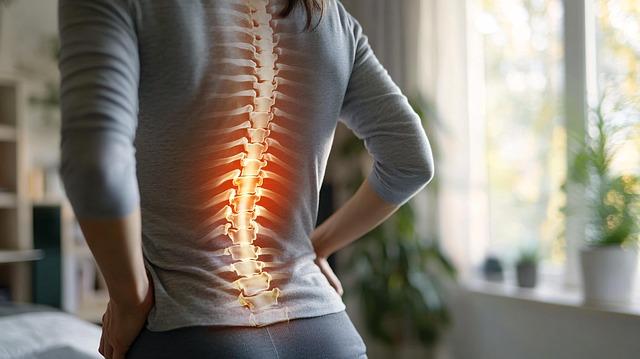
 lower back pain“>
Lower back pain that worsens after physical activity
Introduction
Lower back pain is a pervasive health issue that impacts individuals across all demographics, contributing significantly to years lived with disability worldwide. According to the World Health Institution (WHO), musculoskeletal conditions, particularly low back pain, are the leading cause of disability globally, affecting over 619 million people. Notably, lower back pain that worsens after physical activity presents a distinct clinical challenge, as it not only interferes with daily functioning but also impedes adherence to healthy exercise regimens, thus perpetuating a cycle of deconditioning and chronic pain. Understanding the medical origins, risk factors, and evidence-backed treatment strategies for this specific presentation is crucial for both healthcare professionals and those living with this condition.
Overview and Definition
Lower back pain (LBP), also known as lumbalgia, refers to discomfort localized to the lumbar region of the spine, between the lower rib cage and the gluteal folds. Clinically,it is classified by duration (acute: <6 weeks,subacute: 6–12 weeks,chronic: >12 weeks) and etiology (mechanical,non-mechanical,visceral). When LBP is aggravated by physical activity—such as walking, running, lifting, or sports—the pain can range from a dull ache to sharp, incapacitating discomfort, sometimes radiating down the legs (NIH).
Epidemiologically,LBP is reported by approximately 80% of adults at some stage in their lives (CDC). Although most acute episodes resolve within weeks, recurrent or activity-induced LBP increases the risk of chronicity, leading to adverse occupational and psychosocial outcomes (PubMed). The lumbar spine, comprising vertebrae L1–L5, discs, ligaments, muscles, and nerve roots, is vulnerable to mechanical and degenerative stresses, especially during physical exertion.
Causes and Risk Factors
Activity-related lower back pain may stem from a diverse array of structural, functional, and psychosocial mechanisms. The most prevalent causes and risk factors include:
Musculoskeletal Strain
- Muscle or ligament strain: Sudden movements, repetitive bending, or improper lifting can overstretch or tear supporting soft tissues (Mayo Clinic).
- Lumbar sprain: Damage to ligaments during abrupt or excessive activity, particularly in individuals who are deconditioned or practice poor body mechanics (Harvard Health).
Degenerative Changes
- intervertebral disc degeneration: age-related or excessive mechanical loading can lead to disc desiccation, tears, and herniation, resulting in pain that worsens with spinal loading (PubMed).
- Facet joint osteoarthritis: Degeneration of erior facet joints can induce activity-dependent pain,stiffness,or referred symptoms (healthline).
Radiculopathy and Nerve Involvement
- Lumbar radiculopathy (“sciatica”): Nerve root compression by herniated discs, osteophytes, or foraminal narrowing may produce sharp, shooting pain that is exacerbated by physical activity (Mayo Clinic – Sciatica).
Structural Abnormalities
- Spondylolisthesis: Anterior displacement of a vertebral body,often from stress fractures or degenerative changes,can become symptomatic with activity (NHS).
- Scoliosis or spinal stenosis: Abnormal spinal curvature or narrowing of the spinal canal may restrict nerve space and provoke pain when walking or standing (MedlinePlus – spinal Stenosis).
Other Contributory Factors
- Poor core strength: Weak abdominal and paraspinal muscles fail to stabilize the spine during activity, increasing stress on passive structures.
- Obesity: Excess body weight amplifies mechanical loads on the lumbar spine, raising the likelihood of symptomatic degeneration (JAMA).
- Smoking: Tobacco use impairs blood supply to discs, impeding healing and promoting degeneration.
- Psychosocial stress: Chronic stress, depression, and low job satisfaction are associated with persistent, activity-related LBP (The Lancet).

Symptomatology and clinical Presentation
Lower back pain worsened by physical activity can vary widely in character and intensity. Common features include:
- Localized ache or tenderness: pain restricted to the lumbar region, heightened during movement or exertion.
- Radiation: pain may extend into the buttocks, hips, or legs, especially with nerve root involvement (Mayo Clinic).
- Mechanical exacerbation: Symptoms commonly intensify with standing,bending,lifting,or twisting,and subside with rest or non-weight-bearing positions.
- Stiffness: Morning or -activity stiffness may limit range of motion.
- Neurological signs: In severe or advanced cases, numbness, tingling, weakness, or gait disturbances may signal nerve compression or spinal canal compromise.
Clinicians should specifically query red-flag symptoms such as fever, unexplained weight loss, loss of bowel/bladder control, or pain at night, which may indicate serious underlying pathology (e.g., neoplasm, infection, cauda equina syndrome) (Medical News Today).
Pathophysiology: Why does Physical Activity Aggravate Lower Back Pain?
The pathophysiological mechanisms underlying activity-induced lower back pain are complex and multifaceted:
Mechanical Loading and Microtrauma
Physical activity, especially high-impact or unaccustomed movements, subjects muscles, ligaments, discs, and vertebral joints to acute mechanical load. Microtrauma accrues when the structural capacity of these tissues is exceeded, generating local inflammation, edema, and pain (NIH: mechanisms of low back pain).
Discogenic pain and Annular Tear
The intervertebral discs function as shock absorbers. Repetitive flexion or axial loading may cause annular fissures, releasing inflammatory mediators and sensitizing nerve endings, particularly when the nucleus pulposus extrudes or compresses adjacent nerve roots (NCBI: Discogenic Pain).
Facet Joint Impingement
Facet joints facilitate spinal mobility but are susceptible to wear-and-tear. Activity-induced compression, especially with extension or rotation, can precipitate inflammation or capsular strain, producing localized or referred pain.
Nerve Root Stretch or Compression
Dynamic activities may alter spinal ure, narrowing foramina or stressing inflamed nerve roots, which mediates radiating or sharp pain (radiculopathy) (NIH: Radiculopathy).
Central Sensitization
Recurrent mechanical pain—especially if chronic—can induce changes in central pain processing (“central sensitization”), lowering the threshold for pain during otherwise normal movement (Pain Journal).
Diagnosis: Approach & Key Considerations
Effective management of lower back pain aggravated by activity starts with a comprehensive diagnosis,integrating clinical examination and selective imaging or laboratory studies.
Clinical History
Onset, duration, and character of pain
Triggering activities and alleviating/resting factors
Previous injuries, occupational or sports exposure
Presence of systemic or neurological symptoms
Physical Examination
Inspection: ure, scoliosis, deformity, muscle atrophy
Palpation: Identify point tenderness, trigger points
Range-of-motion testing: Identify movement restrictions or provoked pain
Neurological assessment: Reflexes, sensation, strength, straight-leg-raise test (NCBI: Clinical evaluation of low back pain)
Imaging & Diagnostic Tests
- X-rays: Exclude fractures, spondylolisthesis, or gross degenerative changes.
- Magnetic resonance imaging (MRI): Highly sensitive for disc herniation, spinal stenosis, nerve impingement, infection, or malignancy when indicated (NCBI: Imaging of Low Back Pain).
- Laboratory tests: reserved for suspected inflammatory, infectious, or neoplastic conditions (e.g., elevated CRP, ESR).
routine imaging is not recommended in the absence of red flags due to poor correlation with clinical recovery and cost-effectiveness (CDC).
Differential Diagnosis
A structured differential diagnosis is essential to separate benign musculoskeletal causes from more serious disorders:
- Mechanical causes: Muscle strains, disc bulges, facet arthropathy
- Inflammatory: Ankylosing spondylitis, psoriatic arthritis
- Infectious: Vertebral osteomyelitis, discitis, spinal abscess
- Neoplastic: Primary spinal tumors, metastasis
- Visceral referrals: Renal calculi, pelvic pathology, abdominal aortic aneurysm (Mayo Clinic – Back pain evaluation)
Therapeutic Protocols and Management
evidence-based management of lower back pain that worsens with activity focuses on pain control, restoration of function, and prevention of recurrence. Interventions may be tailored to the nature, chronicity, and underlying etiology of pain.
Non-pharmacological Management
- Patient education: Reassure on generally favorable prognosis; encourage resumption of graded physical activity (NHS).
- Physical therapy: Structured exercise programs focusing on core stabilization, adaptability, and strengthening reduce pain and improve spinal health (Harvard Health).
- Manual therapy: Spinal manipulation or mobilization by trained practitioners provides modest pain relief and functional gains (NCBI).
- activity modification: Ergonomic assessment and correction of movement patterns at home, work, or during exercise are essential.
- Weight management: Evidence indicates that even modest weight loss can reduce LBP severity in overweight individuals (CDC).
- Cognitive behavioral therapy (CBT): Particularly effective for chronic or recurrent pain with a strong psychosocial component (JAMA).
Pharmacological Therapies
- Nonsteroidal anti-inflammatory drugs (NSAIDs): Aleve, ibuprofen, and similar agents provide short-term analgesic benefit for musculoskeletal pain (FDA).
- Acetaminophen: Alternative first-line analgesic with favorable safety profile if NSAIDs are contraindicated.
- Muscle relaxants: May be considered for severe muscle spasm in the short term (NCBI: Muscle Relaxants).
- Topical agents: Capsaicin,menthol,or lidocaine patches may offer localized relief.
- Opioids and adjuvant medications: Reserved for severe, refractory pain and under strict supervision due to dependency risk (CDC – Opioids).
Interventional Treatments
- Epidural steroid injections: Effective short-term relief for disc-related or radicular pain, though not a first-line therapy (NHS).
- Facet joint injections or nerve blocks: Provide targeted relief for confirmed facet-mediated pain (Healthline).
Surgical Interventions
- Surgery: Considered for patients with progressive neurological deficits, cauda equina syndrome, or refractory radicular symptoms due to herniated disc or spinal stenosis (Mayo Clinic).
Most cases of activity-related lower back pain resolve without the need for surgery. Decision-making should be multidisciplinary and patient-centered.
Prevention Strategies
Preventing initial or recurrent lower back pain related to activity is an integral aspect of public health and occupational medicine.
- Maintain healthy body weight: Reduces mechanical load and degenerative risk.
- Regular physical exercise: Aerobic activity, strength training, and flexibility conditioning protect lumbar health (Healthline: Back exercises).
- Correct lifting techniques: bend at the knees, keep loads close to the body, and avoid twisting motions.
- Quality ergonomic setups: At workstations or during repetitive tasks, ensure optimal chair, desk, and device positioning (CDC: Ergonomics).
- Smoking cessation: Improves vascular health and disc nutrition.
- stress management: Reduces risk of chronic pain states.
Prognosis and Outcomes
The outlook for lower back pain that worsens after physical activity depends on etiology and promptness of intervention. Most mechanical and acute cases resolve within weeks to months,with 85-90% of individuals returning to normal activities (MedlinePlus). Though, recurrence rates are significant, and chronic or severe activity-induced pain may lead to impaired work performance, reduced quality of life, and psychological distress (WHO). Early, multidisciplinary management and patient engagement are key predictors of prosperous recovery.
When to See a Healthcare provider
Immediate medical evaluation is warranted if lower back pain:
- Follows significant trauma
- Is accompanied by fever, weight loss, or night pain
- Involves bowel/bladder incontinence or saddle anesthesia
- Is rapidly worsening or does not improve with conservative care in 4–6 weeks
Red-flag symptoms may indicate a serious underlying cause requiring urgent intervention. A thorough assessment helps ensure correct diagnosis and care pathway (Mayo Clinic).
Frequently Asked Questions
| Question | Brief Answer |
|---|---|
| Is all lower back pain after exercise serious? | No. Most episodes are self-limited muscle strains and resolve with rest and conservative management (MedlinePlus). |
| Should I stop all physical activity? | Usually not. Graded, pain-free activity speeds healing; bed rest is rarely recommended (Harvard Health). |
| When do I need imaging or MRI? | Only if symptoms persist >6 weeks, present with red flags, or have severe neurological deficits (NHS). |
| Can psychological factors worsen my pain? | Yes. Stress, anxiety, and depression are linked to increased pain sensitivity and chronicity (The Lancet). |
| Is surgery commonly required? | No. Surgery is reserved for rare,severe,or dangerous complications (e.g.,cauda equina,non-resolving nerve compression) (Mayo Clinic). |
Conclusion
Lower back pain that worsens after physical activity is a multifactorial condition with significant personal and public health implications. Mechanisms may include musculoskeletal strain, degenerative changes, nerve irritation, and poor core stability—frequently enough compounded by modifiable risk factors such as obesity, smoking, or psychological stress. A patient-centered approach embracing early movement, targeted therapy, and prevention strategies leads to favorable outcomes for most, while recognizing warning signs ensures timely intervention for serious underlying diseases. Consult a licensed healthcare professional to tailor a management plan for your specific needs.
References
- World Health Organization (WHO): Musculoskeletal conditions
- CDC: Low back pain prevalence and trends
- NIH: Low back pain overview
- Mayo Clinic: Back pain causes
- Harvard Health: Advances in back pain care
- JAMA Network
- NHS: Back pain
- MedlinePlus: back pain
- Healthline: Back pain