
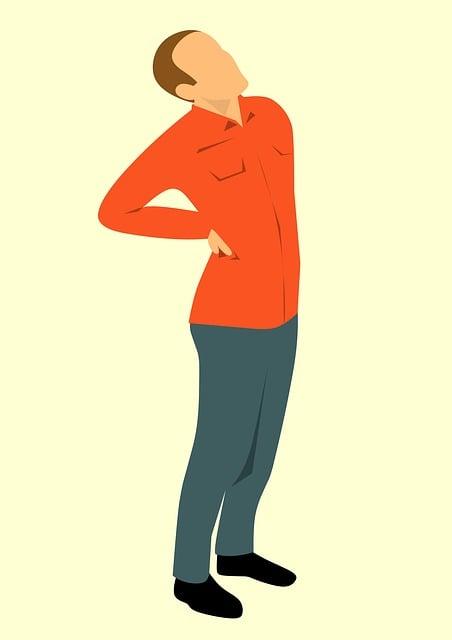
 lower back pain bending forward”>
Lower back pain that makes bending forward uncomfortable
introduction
Lower back pain that makes bending forward uncomfortable is an increasingly common complaint affecting millions of individuals globally, cutting across age, gender, and occupational boundaries. According to the World Health Organization (WHO), musculoskeletal disorders such as lower back pain are among the leading causes of disability worldwide, with important socioeconomic impact. In the United States alone, the prevalence of low back pain among adults has been estimated to affect up to 39% at any given time by the CDC. Lower back pain that worsens when bending forward frequently enough signals specific underlying musculoskeletal or neurological conditions,highlighting the importance of precise diagnosis and proactive management. Addressing this pervasive health issue is critical for improving quality of life and reducing healthcare burden.
Overview and Definition
Lower back pain, medically referred to as lumbago, is defined as discomfort or pain localized to the lumbar region—the area between the lower rib cage and the buttock creases. When lower back pain is triggered or exacerbated by bending forward, clinicians recognize it as a potential red flag for pathologies involving the intervertebral discs, spinal ligaments, or paraspinal musculature. according to data from the National Institutes of Health (NIH), approximately 80% of adults will experience lower back pain at some point in their lives. This symptom is classified into acute (less than 6 weeks), subacute (6-12 weeks), and chronic (longer than 12 weeks) forms, with further subclassification based on etiology: mechanical, neuropathic, or inflammatory.Lower back pain that impedes forward flexion is commonly associated with mechanical disruptions such as herniated discs, ligament injuries, or myofascial triggers, but can also signal more serious conditions like spinal stenosis or infection.
Causes and Risk Factors
the pathophysiology of lower back pain aggravated by bending forward is often multifactorial, involving a synergy of biological, mechanical, and lifestyle factors. Below, we explore the most relevant causes and risk factors grounded in current clinical research and expert consensus:
1. Intervertebral Disc Herniation
Intervertebral discs function as shock absorbers between vertebrae.disc herniation, especially in the lumbar spine, is a leading cause of pain that intensifies with forward flexion.bending forward increases pressure on the anterior disc, potentially exacerbating nerve root impingement. Clinical studies, including those listed in Mayo Clinic’s resource on herniated discs, support this mechanism.
2. Lumbar Strain and Ligament Sprains
Overstretching or tearing of lumbar muscles and supporting ligaments, such as the supraspinous and interspinous ligaments, presents as pain with movement, especially flexion. This is often linked to acute injury, heavy lifting, or chronic overuse, as described by Harvard Health Publishing.
3.degenerative Disc Disease
Aging leads to biochemical and structural deterioration of the intervertebral discs, resulting in reduced disc height and flexibility.This “degenerative disc disease” often manifests as lingering pain aggravated by certain positions, notably bending forward, due to mechanical compression and reduced spinal mobility (NHS UK).
4. Lumbar Spinal Stenosis
Spinal stenosis involves the narrowing of the spinal canal, commonly due to age-related bone and ligament hypertrophy. Forward flexion can worsen symptoms by further compressing nerve roots, leading to neurogenic claudication or radicular pain, as extensively reviewed by the NIH.
5. Spondylolisthesis
This refers to anterior displacement of a vertebral body relative to the one below it.It can cause instability, pain, and discomfort, especially with trunk flexion, as outlined in Medical News Today.
6. Myofascial Pain Syndrome
This chronic pain disorder involves trigger points in the lumbar musculature, causing localized and referred pain upon mechanical stimulation such as bending forward (CDC).
7. Lifestyle and behavioral Factors
- Poor ergonomics, such as prolonged sitting or improper lifting
- Obesity, which increases axial loading on the lumbar spine (NIDDK)
- Physical inactivity or deconditioning of back muscles (healthline)
- Smoking, which impairs nutrient flow to disc tissue (CDC)
8. Infections, Tumors, and Other Serious Pathologies
Less commonly, infections (e.g.,vertebral osteomyelitis),neoplasms (e.g., metastatic cancer), or inflammatory conditions (e.g., ankylosing spondylitis) can present as pain with movement. These require urgent medical evaluation (Mayo clinic).

Pathophysiology: Why does Bending Forward Hurt?
The biomechanics of lumbar movement are inherently complex. Flexion of the trunk increases intradiscal pressure, stretches erior ligaments, and engages lumbar musculature. Any disruption within this kinetic chain—whether due to disc protrusion, muscular spasm, or joint inflammation—can result in pain specifically upon bending. For instance, herniated discs may bulge eriorly during flexion, compressing adjacent nerve roots and eliciting radicular pain. Likewise, overstretched ligaments or fatigued muscles may signal discomfort as they resist abnormal loading (NIH).
Clinical Presentation and Symptomatology
Patients with lower back pain that worsens when bending forward often describe:
- Sharp,stabbing,or radiating pain in the lumbar region
- Limited range of forward flexion (Mayo clinic)
- Paresthesias, numbness, or weakness if nerve roots are involved
- Muscle spasms or localized tenderness on palpation
- Worsening of pain during activities involving trunk flexion (tying shoes, lifting objects, sit-to-stand transfers)
- Relief of pain with recumbency or extension, in some cases
red flags demanding urgent attention include bowel or bladder dysfunction, severe or progressive neurological deficits, unexplained weight loss, or a history of significant trauma or malignancy (NICE).
Diagnostic Approaches
Accurate diagnosis is the cornerstone of effective management. A extensive evaluation consists of:
1. Medical History
Clinicians obtain a detailed account of symptom onset, aggravating and relieving factors, prior back injuries or surgeries, occupational and recreational habits, and systemic symptoms such as fever or weight loss.
2. Physical Examination
- Inspection for asymmetry, muscle atrophy, or deformity
- Palpation to detect areas of tenderness or spasm
- Range of motion testing, notably forward flexion limitation
- Neurological assessment, including straight leg raise test
Clinical algorithms such as the Oswestry Disability Index help quantify functional impairment.
3.Imaging Studies
- X-rays: Rule out fractures or gross deformities
- MRI: Gold standard for assessing disc pathology, nerve compression, infection, or tumors, as highlighted by the NIH
- CT scans: Detailed bony anatomy assessment (Harvard Health)
4. Laboratory Tests
Blood tests may be warranted if infection or systemic disease is suspected (CBC, ESR, CRP).
Differential diagnosis
Identifying the root cause of lower back pain aggravated by trunk flexion requires differentiation from other etiologies, including:
- Facet joint arthropathy: Usually hurts with extension, not flexion
- Radiculopathy: Sharp radiating pain, often with neurological findings
- Referred abdominal or pelvic pain: e.g., pancreatitis or pelvic inflammatory disease (Mayo Clinic)
- Inflammatory arthritides: e.g., ankylosing spondylitis, associated with prolonged morning stiffness
Prevention Strategies
Preventing lower back pain that makes bending forward uncomfortable is multifaceted and scaffolds on:
- Engaging in regular, targeted back-strengthening and core exercises (Healthline)
- Maintaining optimal body weight
- Practicing proper ergonomics at work and during daily activities (CDC Office Ergonomics)
- Quitting smoking
- Using safe lifting techniques (bending the knees, not the waist)
- Avoiding prolonged sitting or repetitive strain
Current Treatment and Management Options
The mainstay of treatment is often conservative; however, protocols must be individualized:
1. Pharmacological Interventions
- nsaids: First-line analgesic for acute and chronic pain (NHS Ibuprofen Guide)
- Muscle relaxants: For acute muscular spasm; short-term use
- Topical analgesics and patches
- Opioids: Only for select severe, refractory cases under strict supervision due to risk of dependency (CDC Opioids Resource)
2.Non-Pharmacological Therapies
- Physical therapy: Core stabilization, McKenzie approach (directional preference exercises), stretching, manual mobilization
- Heat and cold therapy: for symptom relief (Harvard Health: hot/Cold Therapy)
- Cognitive behavioral therapy (CBT): For chronic pain management (JAMA)
- Activity modification and ergonomic retraining
3. Interventional and Surgical Procedures
- Epidural steroid injections: For radicular symptoms
- Nerve blocks, radiofrequency ablation: As indicated in refractory pain
- Surgical intervention: Reserved for severe pathology (e.g., herniated disc with cauda equina syndrome, significant neurological deficit), as discussed in Mayo Clinic’s review of back surgery
Rehabilitation and Prognosis
Most adults with lower back pain that makes bending forward uncomfortable recover within weeks to months with conservative therapy. Early mobilization, gradual return to activity, and structured physical therapy optimize outcomes and minimize recurrence (NIH Rehabilitation Guidelines).Chronicity or repeated episodes may require long-term management, coordination with multidisciplinary pain teams, and vigilance for secondary complications such as deconditioning, opioid dependency, or mood disorders.
When to Seek Immediate Medical Attention
- Bowel or bladder incontinence or retention
- Progressive lower limb weakness or numbness
- Unexplained fever, weight loss, or night sweats
- History of malignancy, immunosuppression, or recent infection
- Severe trauma or inability to ambulate
These signs necessitate urgent assessment to rule out potentially life-threatening causes such as epidural abscess, cauda equina syndrome, or metastatic disease (NHS: cauda Equina Syndrome).
Frequently Asked Questions (FAQs)
1. Can lower back pain from bending forward be prevented?
yes, prevention hinges on lifestyle adjustments, weight management, regular exercise, and ergonomics (Harvard Health: Back Pain Prevention).
2. Should I rest or stay active?
Current guidelines recommend against prolonged bed rest. Gentle, guided activity usually speeds recovery (CDC).
3.When is surgery warranted?
Surgery is only indicated for persistent cases with neurological impairment, confirmed herniated discs not responding to conservative care, or structural instability.Most cases resolve non-surgically.
4. What are the best exercises for recovery?
Core stabilization, stretching, and low-impact aerobic exercise are generally advised. Individual recommendations should be personalized through a physical therapist (Healthline).
Conclusion
lower back pain that makes bending forward uncomfortable is a complex,multifactorial health issue with significant individual and societal impact. Accurate diagnosis, evidence-based treatment, and multidisciplinary management are pivotal for optimal outcomes. Most individuals benefit from conservative therapy guided by a healthcare professional. Prompt recognition of alarm signs is essential. As scientific understanding of spinal pathophysiology evolves, so too will advancements in therapeutic protocols and patient education. For ongoing symptoms, individualized assessment and management remain paramount.
References
- World Health Organization: Musculoskeletal Conditions
- CDC: Prevalence of Back Pain
- NIH: epidemiology of Low Back Pain
- Mayo Clinic: Herniated Disks
- Harvard Health: back Pain
- NHS UK: Back Pain Overview
- NIH: Spinal Stenosis
- Medical News Today: Spondylolisthesis
- CDC: Myofascial Pain and Fibromyalgia
- NIDDK: Obesity and Musculoskeletal Disorders
- Healthline: Back Strengthening Exercises
- CDC: Smoking and Back Pain
- Mayo Clinic: Back Pain
- NIH: Pathophysiology of Low Back Pain
- NICE: Low Back Pain and Sciatica
- NIH Research Matters: MRI and Low Back Pain
- Harvard Health: Back Pain A-to-Z
- NHS: Ibuprofen
- CDC: Prescription Opioids
- Harvard Health: Applying Hot and Cold to Sore Muscles
- JAMA: Behavioral Interventions for Chronic Low Back Pain
- Mayo Clinic: Back Surgery
- NIH: Lower Back Pain Rehabilitation
- NHS: Cauda Equina Syndrome
- Harvard Health: Back pain Prevention
- CDC: Overview of Back Pain
- CDC: Office Ergonomics