


<img class="vimage_class" src="https://healthblog.s3.eu-north-1.amazonaws.com/wp-content/uploads/2025/10/25182553/da_640.jpg62e6.jpg" alt="health details tracking“>
How to Track Your Health Information Like a Pro
Introduction
In today’s era of precision medicine adn patient-centered care, actively monitoring your health data has become more than a trend; it is a clinical imperative. Research by the Centers for Disease Control and Prevention (CDC) emphasizes that self-monitoring and record-keeping dramatically influence health outcomes, particularly for individuals with chronic diseases. With the proliferation of digital health tools and wearables, tracking everything from daily symptoms to long-term laboratory data is not just possible, but increasingly standard for optimal disease prevention, diagnosis, and treatment.
This comprehensive guide-crafted for both health-conscious individuals and those living with medical conditions-will walk you through evidence-based methods to track your health information expertly.We will explain the clinical rationale, examine privacy regulations, profile recommended digital and paper tools, and provide actionable steps to turn raw data into life-improving decisions.
Why Tracking Your Health Information is Vital
Bridging Precision medicine and Patient Engagement
The transition from reactive to proactive healthcare requires robust patient data. According to a 2018 review published by the National Institutes of Health (NIH),patients who routinely monitor their health metrics not only experience improved outcomes but also facilitate more effective provider-patient communication. Blood glucose, blood pressure, weight, medication adherence, and mood are just a few of the measurable factors with a direct impact on individual prognosis and disease progression.

Reducing Risk of Chronic Disease Complications
Routine health information tracking is particularly transformative in the management of noncommunicable diseases such as diabetes, hypertension, and cardiovascular disorders.The World Health Organization (WHO) underscores self-monitoring as a cornerstone of chronic disease prevention and control, stating that empowered patients are less likely to experience complications, hospitalizations, or adverse drug events.
Facilitating Informed Clinical Decisions
For clinicians, a detailed longitudinal record empowers accurate diagnostics, optimizes therapeutic protocols, and reduces the risk of iatrogenic errors. Personal health devices and digital health records allow for greater specificity in care, especially when patients arrive with organized symptom logs or biometric records, minimizing reliance on recall.
Core Categories of Health Information to Track
Accurate and comprehensive health tracking encompasses several data domains. Depending on your individual health status, you may need to emphasize certain categories.
- Vital Signs: Blood pressure, heart rate, respiratory rate, temperature, oxygen saturation (Healthline).
- Biometric Data: Weight, height, body mass index (BMI), waist circumference.
- Blood Metrics: Glucose, cholesterol, hemoglobin A1c, complete blood count.
- Medication Log: Drug name, dose, timing, missed doses, side effects.
- Vaccination Status: immunizations with dates (CDC vaccine schedules).
- Symptom Diary: Frequency, duration, and severity of symptoms (e.g., pain, fatigue, mood).
- Lifestyle Factors: Diet, hydration, sleep, physical activity, tobacco/alcohol use.
- Family Health History: Heritable conditions, cancer, cardiovascular disease, metabolic syndromes (CDC on family health history).
- Allergies and Adverse Events: Food, drug, and environmental allergies; medication side effects.
Choosing the Right Health Tracking Tools
The landscape of health information tracking tools has evolved rapidly, with technologies ranging from paper-based logbooks to elegant cloud-connected digital platforms. The ideal solution depends on your technological proficiency, privacy needs, health status, and physician preferences.
1. Paper-Based Health Journals
Paper logs remain relevant for those who prefer tactile tracking or wish to avoid digital privacy concerns. According to Mayo Clinic guidelines, daily logbooks are especially useful for blood pressure and glucose monitoring, particularly among elderly patients with limited technology access.
2. Mobile Apps and Wearable Devices
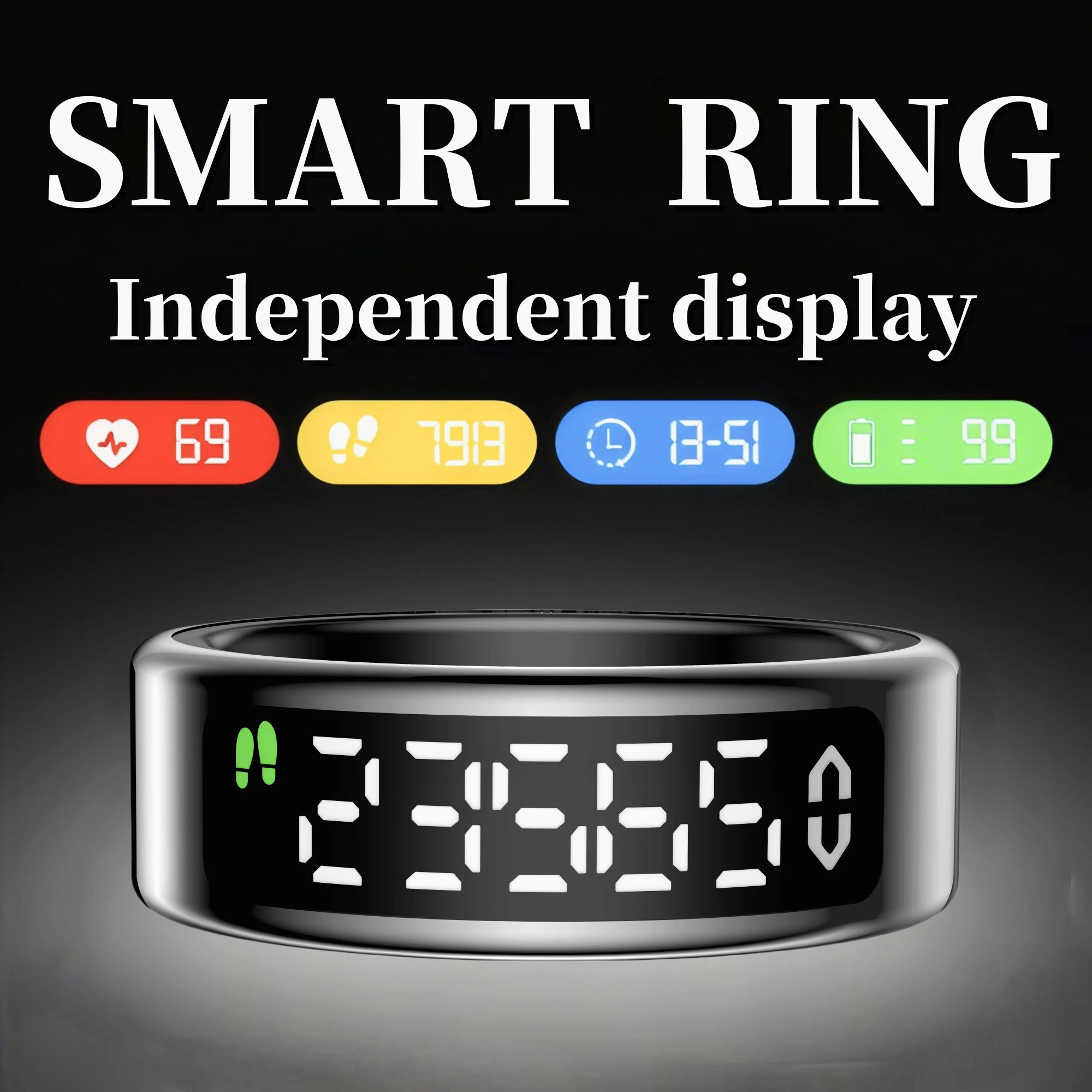
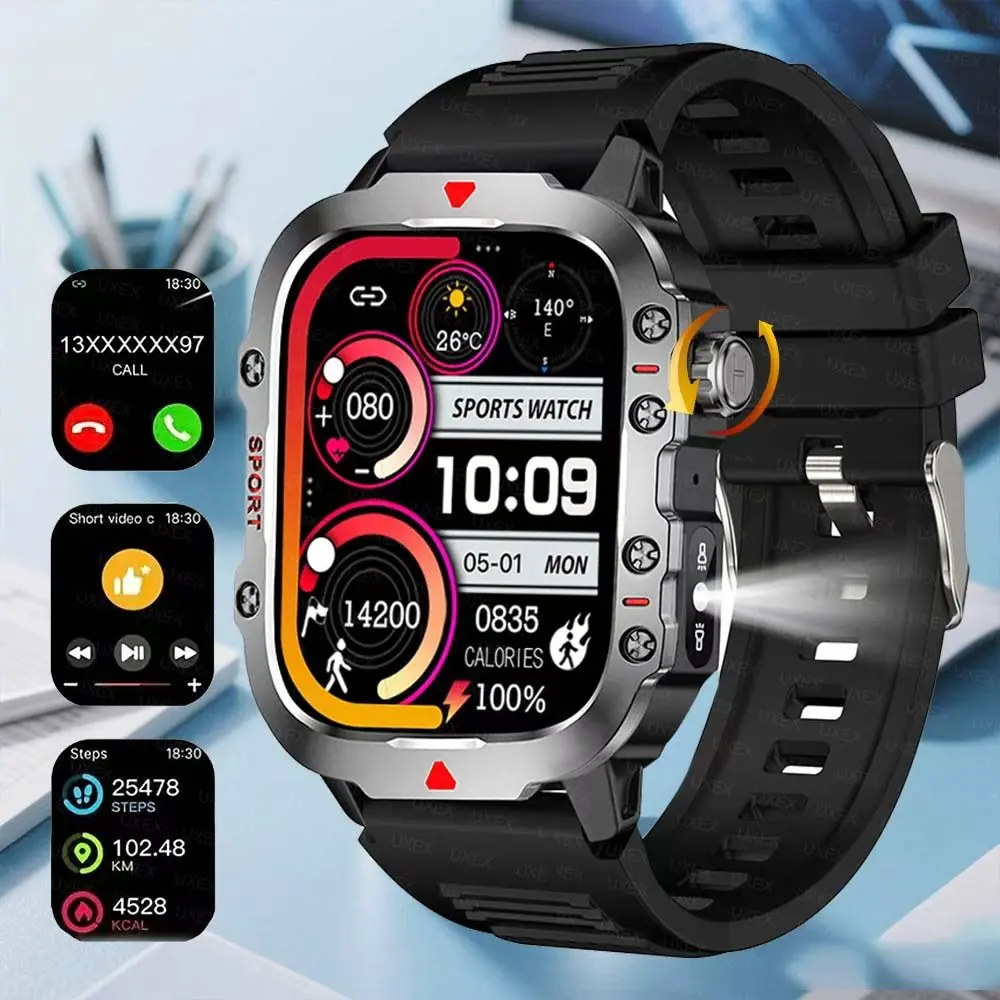
Modern mobile health (mHealth) apps offer the advantage of real-time data capture, reminders, trend visualization, and seamless integration with wearable sensors. Apps like Apple Health, MyFitnessPal, and specialized disease-management applications (e.g., for diabetes or hypertension) have undergone peer-reviewed clinical validation to ensure accuracy and efficacy. Wearable devices such as Fitbits or glucose monitors further enhance longitudinal precision.
3. Electronic Health Records (EHR) and Patient Portals
Most healthcare institutions offer EHR-linked patient portals,enabling patients to access laboratory results,medication lists,physician notes,and vaccination data. Linking your at-home records with your provider’s EHR can reduce duplication, streamline appointments, and facilitate emergency care.
4. Hybrid Solutions
Some patients achieve optimal results by combining analog and digital tools-such as, jotting symptoms in a notebook but uploading data to an app weekly for trend analysis. The Harvard Health blog notes that the key is consistency and the ability to share curated data with health professionals.
Best Practices: How to Track Like a Pro
Step 1: Identify What Matters Most
Begin by consulting with your healthcare provider regarding which metrics are most relevant for your health status and risk factors. For instance, patients with hypertension shoudl prioritize daily blood pressure and sodium intake logs, while those with diabetes should focus on blood glucose, A1c, insulin dosages, nutrition, and physical activity timing.
Step 2: Establish a Consistent Routine
Consistency facilitates accurate trend recognition. Set daily, weekly, and monthly reminders. Numerous apps and devices allow for scheduled notifications tailored to your clinical needs (NIH study on digital reminders).
Step 3: Maintain data Accuracy and Integrity
- Time-stamp entries-record the exact date and time for each event or reading.
- Standardize measurement techniques-use the same device, measurement site (e.g., left or right arm), and body position whenever possible.
- Cross-verify readings periodically to detect device errors (FDA guidance on device accuracy).
Step 4: Leverage Visualization and Analytics
Use tracking tools with charts, graphs, and summary statistics to make sense of long-term trends. Data visualization enables early detection of possibly serious patterns-such as gradually rising glucose or erratic heart rhythms-that might or else go unnoticed (Medical News Today on trend analysis).
step 5: Review Trends With Your Clinician
Bring printed or digital summaries to medical appointments. many EHRs and apps export data in user-pleasant formats. Collaborative review supports shared decision-making, medication optimization, and early intervention (clinical study on shared decision making).
Step 6: Protect Your Health Information Privacy
Under the Health Insurance Portability and Accountability act (HIPAA) and similar national regulations,you have a right to control who accesses your health data. Choose secure, encrypted apps and consult app privacy policies-especially when uploading sensitive details. Enable two-factor authentication where available, and avoid sharing identifiable data on public platforms.

Digital Health Tracking: Leading Solutions for 2024
Smartphone Applications
| App | Key features | Clinical Endorsements |
|---|---|---|
| Apple Health | Aggregates vital signs, medications, sleep, labs; integrates with most devices; privacy controls | Apple Healthcare |
| MyFitnessPal | Diet and exercise tracking, barcode scanner, macro/micronutrient analysis | Healthline review |
| BlueLoop | Designed for type 1 diabetes, logs blood glucose, insulin, carbohydrates; data sharing with care teams | CDC tracking guidance |
| Medisafe | Medication reminders, drug interaction warnings, refill tracking | Medical News today review |
Wearable Health Devices
- Fitbit and Garmin: Physical activity, heart rate variability, sleep quality, stress, oxygen saturation (Harvard Health).
- Continuous Glucose Monitors (CGM): Real-time glucose trends for diabetes management (The Lancet study on CGM).
- Smart Scales: Provide weight, BMI, body composition, sync with apps.
- Blood Pressure Monitors: Bluetooth-enabled for direct charting and provider sharing (JAMA review).
Overcoming Common Challenges in Health Information Tracking
Digital Divide: Access and Literacy
Challenge: Not all populations have access to smart devices or are comfortable with digital interfaces. According to a NIH report, elderly or low-income individuals may face unique barriers.
Solution: Hybrid approaches-such as paper logs scanned into digital records by family or clinics-can bridge the gap. Community health programs now often include digital literacy workshops.
Data Overload and Fatigue
Challenge: Individuals may feel overwhelmed by the volume of data or discouraged by day-to-day fluctuations (harvard Health on information overload).
Solution: Focus on capturing key metrics over time rather than obsessing about every single value. Automated trend alerts and summaries offered by apps can help identify clinically significant changes while minimizing notification fatigue.

Privacy Concerns and Data Security
Challenge: People rightly fear breaches of sensitive health information (FDA digital health security recommendations).
Solution: Choose tools compliant with security standards (such as HIPAA in the United States), utilize device encryption, strong passwords, and review privacy settings regularly.
The Future of Health Information Tracking
The future of personal health tracking lies at the intersection of consumer technology and clinical integration.Advances in artificial intelligence and wearable biosensors make real-time,actionable feedback more accessible,even for those with limited health literacy (JAMA on digital change). Personalized health coaching platforms, guided by your tracked data and linked to your electronic health record, are likely to become standard for chronic disease management as well as preventive care.
Emerging standards such as interoperable health information exchange will allow easier,safer,and permission-based sharing of data between patients,families,and healthcare teams,ultimately leading to better outcomes and more efficient care.
Frequently Asked Questions
What are the most essential data to start tracking if I’m healthy?
Start with vital signs, physical activity, sleep, and nutrition. These foundational metrics have strong, evidence-based links to long-term health (Mayo clinic tips).
Can I integrate home and hospital records?
Many EHRs now integrate patient-generated health data via apis and secure cloud uploads (HealthIT.gov on patient-generated data). Ask your provider about compatible apps or devices.
how do I ensure my information is secure?
Use officially endorsed apps and devices, activate all privacy features, and avoid public Wi-Fi for syncing health data. When in doubt, consult the FDA’s consumer guidance on data security.
what if my device or app shows an abnormal reading?
Repeat the measurement to rule out artifacts or device errors; if abnormal values persist or you feel unwell, contact your healthcare provider promptly. Device readings should not substitute for medical evaluation when symptoms are present (NHS guidance).
Conclusion
effective and consistent personal health information tracking is no longer reserved for medical professionals or those with advanced technical skills.With the right strategies and validated tools, you can dramatically improve disease prevention, early detection, and personalized care experiences. By collaborating with your healthcare practitioners, respecting privacy standards, and embracing both analog and digital options, you’ll not only “track like a pro” but empower yourself as an active, informed partner in your health journey.
For further resources or guidance on integrating health information tracking into clinical practice, consult your personal healthcare provider or visit official sources such as the CDC’s Patient Engagement Toolkit.