


<img class="vimage_class" src="https://healthblog.s3.eu-north-1.amazonaws.com/wp-content/uploads/2025/11/02045522/47144.jpeg" alt="blood test readiness medical”>
How to prepare for Blood Tests and Medical Imaging
Introduction
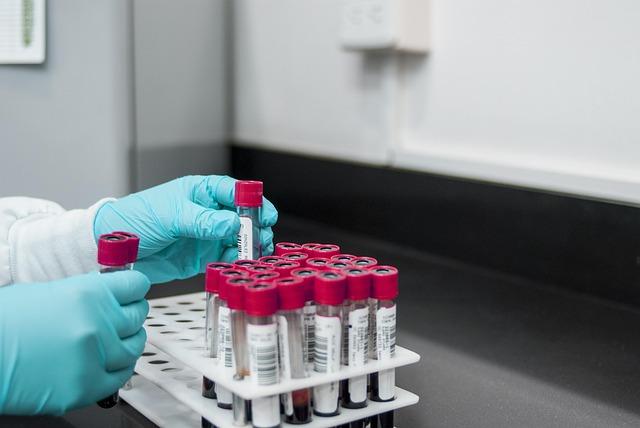
Blood tests and medical imaging are cornerstones of modern diagnostics, guiding clinicians in the detection, diagnosis, and management of a wide array of medical conditions. From routine health screenings to complex investigations, these procedures provide crucial data about the inner workings of the human body. According to the Centers for Disease Control and Prevention (CDC), millions of blood tests and medical imaging studies are performed annually in the United States, underscoring their indispensable role in public health and individualized patient care. Proper preparation for these investigations is not only essential for accurate results but also for patient safety and comfort. this extensive guide will equip you with the latest,evidence-based strategies for optimizing your experiance and outcomes with blood tests and medical imaging,ensuring you play an active role in your health management.
Why Preparation Matters: The Science Behind Accurate Results
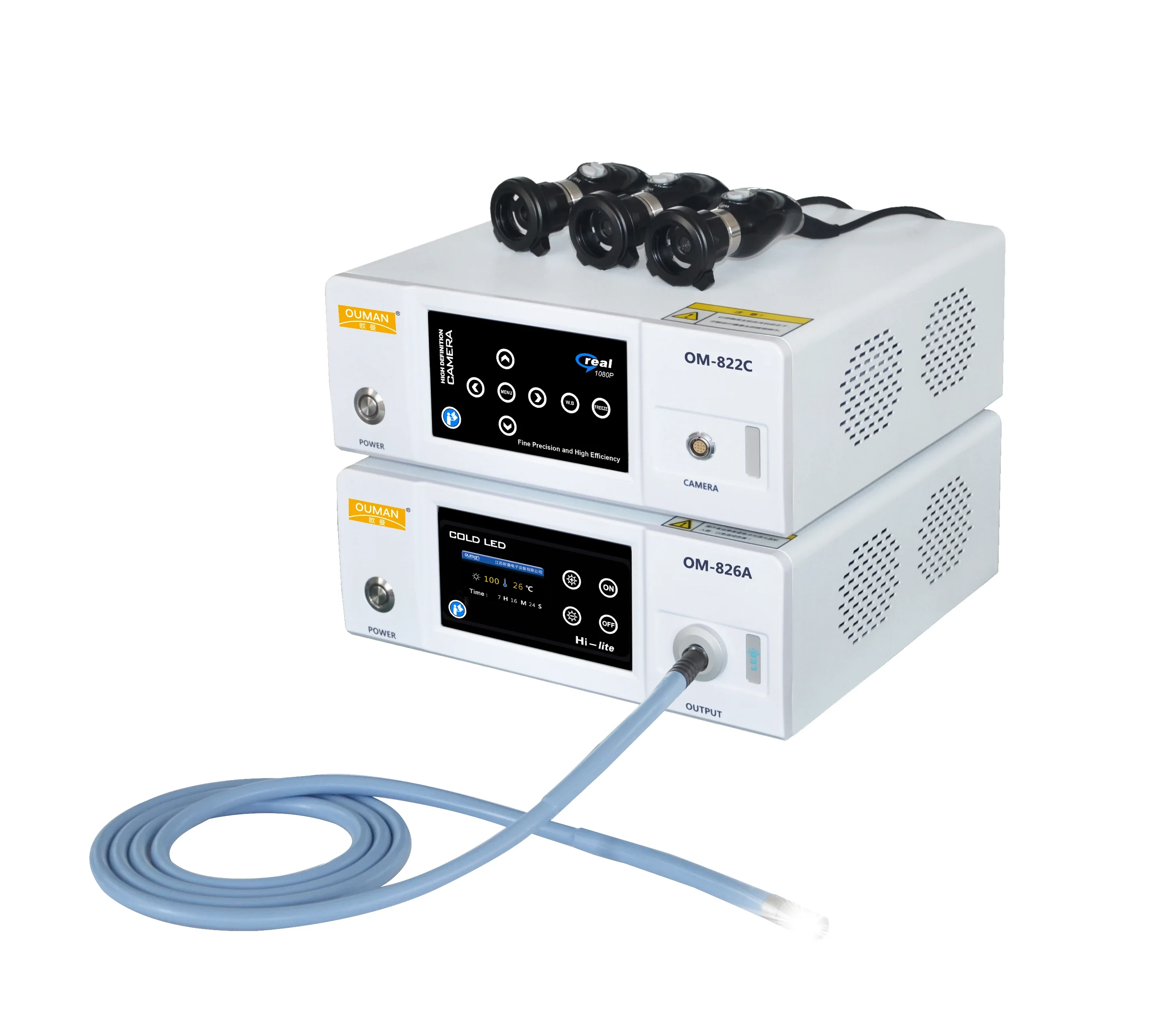
Accurate laboratory and imaging results depend considerably on appropriate patient preparation. Clinical variables such as fasting,medication usage,hydration status,and even stress can introduce variability in test results,potentially leading clinicians astray. Such as, studies published in JAMA highlight that pre-analytical factors account for up to 70% of laboratory errors, which can impact diagnosis and subsequent care. Imaging examinations may also be compromised by factors like metallic implants,body movement,or failing to observe fasting or contrast guidelines. Understanding and strictly adhering to preparatory instructions is a shared responsibility between patients and healthcare providers, crucial for minimizing diagnostic errors and avoiding needless repeat procedures.
The Fundamentals of Blood Tests
Types of Blood Tests and Their Clinical Utility
Blood testing encompasses a wide spectrum of diagnostic tools, with each type serving a distinct clinical purpose.Key categories include:
- Complete Blood Count (CBC): Evaluates overall health and detects a variety of disorders, including anemia and infection. (Mayo Clinic)
- Blood chemistry (Basic Metabolic Panel or Comprehensive Metabolic Panel): Measures glucose, calcium, electrolytes, and kidney/liver function biomarkers. (MedlinePlus)
- Lipid Panel: Assesses cholesterol and triglyceride levels to evaluate cardiovascular risk. (Harvard Health)
- Blood Glucose Tests: used for screening and monitoring diabetes and metabolic health. (CDC)
- Coagulation Studies: Tests such as PT, aPTT, and INR evaluate clotting function for bleeding or thrombotic disorders. (NIH)
Through these and other specialized tests, clinicians can diagnose infections, monitor organ function, detect metabolic disturbances, and manage chronic diseases.
Pre-Analytical Variables: What Affects Your Blood Test?
Several factors can influence blood test accuracy:
- Fasting status: Eating can significantly alter glucose, triglycerides, and other analytes. (Healthline)
- Hydration: Dehydration may concentrate blood components, affecting results.
- Physical activity: Vigorous exercise can transiently alter muscle enzymes and certain hormones. (NCBI)
- Medications and supplements: Certain drugs can interfere with assay methods or physiological levels.
- Timing: Circadian rhythms influence values such as cortisol and certain hormones. (NCBI)
A detailed review of your current medications, supplements, and lifestyle with your healthcare provider before testing is critical in mitigating confounding variables.
Preparing for Your Blood Test: Step-By-Step
1. Understanding Your Test Requirements
Each blood test may come with unique instructions. Confirm with your clinician or laboratory if your test demands fasting (typically 8-12 hours), specific medication timing, or avoidance of certain foods. A reliable resource such as Lab Tests Online provides patient-kind guides for most common blood tests.
2. fasting: Why, When, and How
Some blood tests require no oral intake except water for a set period (usually overnight) to ensure basal metabolic levels. Examples include fasting glucose, lipid panels, and certain metabolic tests. Harvard Health Publishing notes that improper fasting can lead to diagnostic misclassification, especially with triglycerides and glucose. during fasting:
- Only water is permitted – avoid chewing gum, coffee (even black), or medication unless instructed.
- Avoid smoking, as nicotine can affect certain blood parameters.
- Inform your healthcare provider of all your medications to determine if any should be poned until after the test.
It is indeed vital to maintain hydration by drinking water, which can make venipuncture easier and enhance patient comfort (Medical News today).
3. Managing Medications and Supplements
While most routine medications should not be stopped without physician guidance, certain drugs may interfere with lab measurements-examples include corticosteroids, diuretics, and some antihypertensives.Even over-the-counter products and herbal supplements can alter results (e.g., biotin can falsely elevate thyroid function tests).Always supply a thorough list to your care team,and discuss specific pre-test requirements as recommended by the U.S. food & Drug Administration (FDA).
4.Lifestyle Modifications Before Testing
Abstain from intense exercise for 24 hours prior to testing as it may elevate laboratory markers such as creatine kinase, lactate dehydrogenase, and transaminases (NCBI). Get adequate rest, as stress and sleep deprivation may also alter hormonal and metabolic analytes.Refrain from alcohol for at least 24 hours before your test, as it can influence liver enzymes, triglycerides, and glucose.
5. Day of the Test: What to Bring and Expect
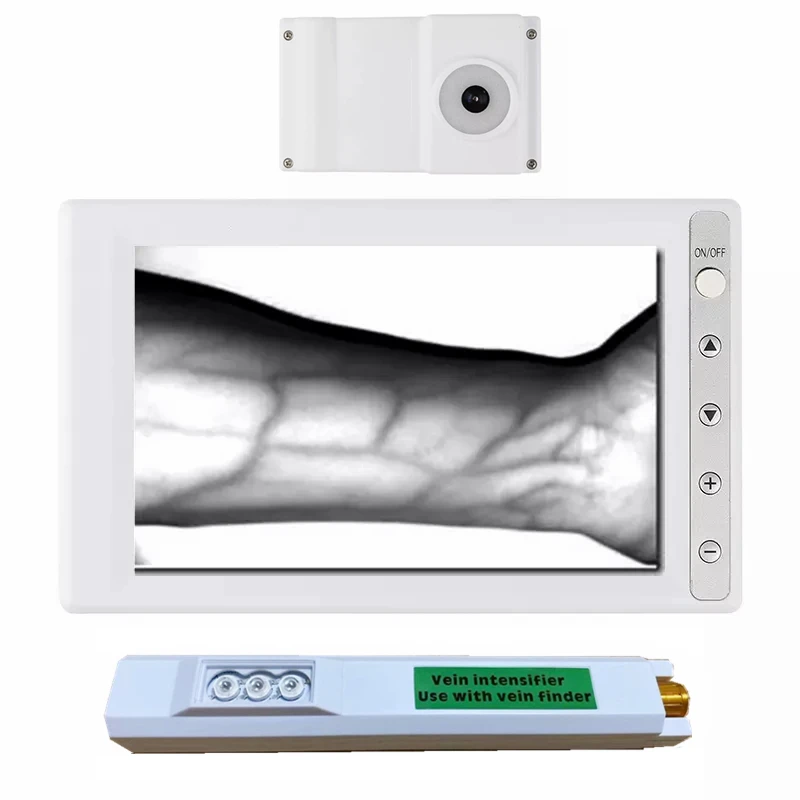
Bring a valid ID and your insurance data. Prepare a list of your current medications, allergies, and prior relevant medical history. Wear clothing with sleeves that can be easily rolled up or removed. Inform the phlebotomist or nurse of any prior difficulties with blood draws, such as vasovagal reactions or arduous veins, as this may prompt the use of special equipment or positioning strategies to ensure safety and procedural success (Mayo Clinic).
Ensuring Safety and Comfort During Blood Draws
Managing Needle Phobia and Anxiety
fear of needles, known as trypanophobia, is common and can lead to anxiety, fainting, or avoidance of necessary care. strategies for management include:
- Practice deep breathing or mindfulness techniques (Verywell Health).
- Communicate your fears to the healthcare worker-thay can apply topical anesthetics, use smaller needles, or proceed more slowly.
- Bring a support person if allowed or use distraction methods (e.g., listening to music).
Clinical research supports the value of behavioral and cognitive strategies for reducing blood draw-related distress, especially in children and needle-averse adults (PubMed).
Special Considerations: Children, Elderly, and Those With Comorbidities
Blood draws in pediatric patients often require numbing creams, child life specialists, or distraction aids. Elderly patients or those with chronic illnesses (such as diabetes or coagulation disorders) are at increased risk of complications, including hematomas or syncopal episodes, and may benefit from additional support and monitoring (NCBI).
Complications and How to Manage Them
Blood tests are typically safe,but possible complications include:
- Hematoma: Bruising or swelling at the puncture site. Apply pressure and cold packs if needed.
- Infection: Extremely rare with modern aseptic techniques. Watch for redness, warmth, or pus.
- Vasovagal reaction (fainting): Recline and rest after the blood draw if you feel lightheaded (NHS).
Notify your healthcare provider if you experience persistent pain, swelling, or signs of infection after your blood test.


Medical Imaging: Types, Indications, and Preparation
Common Medical Imaging Modalities
Medical imaging comprises a diverse set of technologies, each with unique indications:
- X-ray: Useful for assessing bones, lungs, and certain abdominal conditions (RadiologyInfo).
- Ultrasound: Provides real-time images of soft tissues, organs, and fetal development; useful in obstetrics and abdominal medicine (Mayo Clinic).
- Computed Tomography (CT): Offers detailed cross-sectional images, favored in trauma, cancer staging, and vascular studies (National Cancer Institute).
- Magnetic Resonance Imaging (MRI): Delivers superior soft tissue contrast, vital for neurologic, orthopedic, and oncological diagnoses (NHS).
- Positron Emission Tomography (PET): Used predominantly in cardiology and oncology to assess metabolic or functional abnormalities (Mayo Clinic).
- Mammography: special X-ray technique for early detection of breast cancer (CDC).
The choice of modality is dictated by clinical suspicion, anatomical site, and the need for functional versus structural information.
Risks and Contraindications: what you Must Tell Your Doctor
Some imaging examinations entail specific risks or are contraindicated in certain populations:
- Pregnancy: Non-urgent X-rays and CT scans are generally avoided in pregnant women due to radiation exposure (ACOG).
- Contrast allergies or kidney disease: Report any history of anaphylaxis, asthma, or prior contrast reactions; patients with chronic kidney disease may require choice protocols (NCBI).
- Implanted devices (e.g., pacemakers, cochlear implants): May mandate avoidance or special MRI protocols (FDA).
always provide a comprehensive medical and surgical history to your radiology team.
How to Prepare for Specific Imaging Procedures
1. Preparing for X-ray Examinations
X-rays are typically rapid and non-invasive. Preparation often involves:
- Removing jewelry, eyeglasses, or metallic objects that may interfere with imaging
- Wearing a hospital gown if required
- Informing the technologist if you might be pregnant
No dietary restrictions are usually necessary.
2. Ultrasound: Abdominal, Pelvic, and Vascular Imaging
Ultrasound preparation depends on the body part:
- Abdominal ultrasound: Fasting for 6-8 hours is standard to reduce bowel gas and enhance visualization of organs (RadiologyInfo).
- pelvic ultrasound: Arrive with a full bladder for optimal imaging of pelvic structures; drink water but do not urinate before the scan.
- Vascular studies: Little preparation is typically required but clarify with your radiology provider.
Always follow specific written instructions provided by your healthcare team.
3. Computed Tomography (CT): With or Without Contrast
Preparation for CT varies based on the use of contrast:
- Non-contrast CT: Generally, no special preparation is needed.
- CT with contrast (oral or intravenous): Fasting for 4-6 hours might potentially be required. Inform your provider of allergies, diabetes, or kidney dysfunction (FDA).
- Avoid wearing metal or jewelry in the scan area.
Hydration before and after the study is recommended to facilitate contrast excretion.
4. Magnetic Resonance Imaging (MRI): Safety and Preparation
MRI uses powerful magnets. Preparation includes:
- Pre-screening for metallic implants, pacemakers, or retained metal fragments (NHS).
- Informing staff if you have tattoos or permanent makeup (some inks contain metallic components).
- Removing all jewelry, wear loose, metal-free clothing or provided gowns.
- Fasting if contrast is planned or if instructed. Certain MRI studies may require up to 6 hours of fasting.
Music or headphones may be provided to improve comfort during the often lengthy scan.
5. PET Scans: Metabolic Imaging
PET scans are sensitive to metabolic conditions; preparation protocols may include:
- Fasting for at least 4-6 hours before the scan
- avoiding strenuous exercise for 48 hours before your test (Mayo clinic)
- Bringing a list of all current medications
- Informing your healthcare provider about any recent illness, infection, or pregnancy
6. mammography: Breast Cancer Screening
For mammograms:
- Avoid using deodorant, lotion, or powders on the day of the exam, as these may appear as artifacts (CDC).
- Wear two-piece clothing for convenience.
- Schedule the exam for a time when your breasts are least likely to be tender (often one week after your period).
Radiology facilities typically provide detailed instructions before your appointment.
General Tips for Optimal Imaging Quality and Safety
To ensure the best imaging and minimize repeat procedures:
- Arrive on time for your appointment to allow paperwork and pre-screening checks.
- Avoid needless movement during the scan; this is especially vital for MRI and CT for image clarity.
- Communicate any recent illnesses, fever, or suspected pregnancy to your radiologist.
- If you are breastfeeding and receive contrast material, ask about guidelines for timing breastfeeding resumption -procedure (ACOG).
Always ask for clarification if any preparation instruction is unclear, as precise adherence prevents delays and unnecessary repeat testing.
Understanding your Results
What Happens After Blood Tests and imaging?
After testing, your samples or images will be interpreted by laboratory scientists, radiologists, and your primary healthcare provider. Laboratory tests are compared to reference ranges, while imaging results are described in detailed reports. It is critical not to attempt self-interpretation-your health provider will integrate results with your symptoms,history,and clinical findings to guide next steps in diagnosis or treatment (Mayo Clinic).
When to Contact your Healthcare Provider
Contact your clinician if you experience severe pain, allergic reactions, or new symptoms following blood tests or imaging. Likewise,get in touch promptly if you do not receive your results within the expected timeframe or need help interpreting your next steps. Adverse reactions to contrast media or complications after imaging are rare but must be attended to urgently (Healthline).
Special Populations: Pregnancy, Chronic Illness, and Pediatric Considerations
Preparation for diagnostics in pregnancy should always be coordinated with your obstetrician to avoid fetotoxicity or contraindicated agents (ACOG). Children, elderly, and those with comorbidities (e.g., chronic kidney disease, diabetes) often require modified protocols and closer monitoring, both for safety and diagnostic accuracy (NIH).
Frequently Asked Questions (FAQs)
| Question | Evidence-Based Answer |
|---|---|
| Can I take my usual medicines on the day of blood or imaging tests? | Most medications can be continued,but always confirm with your doctor. Certain tests require temporary medication adjustments or withholding drugs (especially for thyroid, glucose, or coagulation studies) (MedlinePlus). |
| Can I eat before a blood test or scan? | Some tests require fasting (no food or drink except water) for 8-12 hours; others do not. Always check your specific test requirements with your healthcare provider (Mayo Clinic). |
| what do I do if I feel faint or unwell after my blood draw? | Sit or lie down until symptoms resolve; inform staff immediately if this occurs. Most symptoms are transient (NHS). |
| What if I have a contrast allergy or kidney disease? | Inform your provider in advance. Alternatives or premedication protocols often exist to ensure safety during contrast-enhanced studies (NCBI). |
| Is radiation during imaging perilous? | Medical radiation exposure is kept as low as possible, and non-ionizing alternatives are preferred when safe and feasible. discuss risks and benefits with your provider (FDA). |
Conclusion
Appropriate preparation for blood tests and medical imaging greatly enhances diagnostic accuracy, patient safety, and procedural comfort. By understanding the science behind these protocols and actively communicating with your clinical team, you can minimize errors, reduce anxiety, and contribute to optimal healthcare outcomes. For individualized instructions, always consult your primary care provider or specialized clinical team, and reference trusted medical resources such as Mayo Clinic, MedlinePlus,and CDC. Empower yourself as an informed patient-the first and most important partner in your own health.