

<img class="vimage_class" src="https://healthblog.s3.eu-north-1.amazonaws.com/wp-content/uploads/2025/10/28140343/1a_640.jpg" alt="high blood pressure management men”>
Introduction
High blood pressure, or hypertension, is one of teh moast prevalent chronic conditions affecting men worldwide. According to the World Health Association (WHO), more than 1.28 billion adults globally have hypertension,and men are disproportionately affected,notably in middle and older age groups. Uncontrolled high blood pressure is a leading risk factor for heart disease, stroke, chronic kidney disease, and premature mortality. While antihypertensive medications are clinically effective, many men seek choice strategies due to potential side effects, polypharmacy concerns, or a desire for holistic health management.This evidence-based guide explores scientifically validated lifestyle interventions and non-pharmacological approaches to managing high blood pressure in men-emphasizing practical,sustainable strategies that align wiht rigorous medical standards.
Understanding High Blood Pressure in Men
Definition and Pathophysiology
Hypertension is clinically defined as consistent blood pressure readings at or above 130/80 mmHg, according to the latest guidelines from the American Heart Association (AHA). Blood pressure is determined by the force of circulating blood on the walls of the arteries and measured in millimeters of mercury (mmHg). Chronic elevation is associated with increased systemic vascular resistance and may result from multifactorial mechanisms, including endothelial dysfunction, arterial stiffness, and sympathetic nervous system overactivity (NCBI).
Epidemiology and Risk Factors in Men
Epidemiological data indicate that men under the age of 65 experience higher rates of hypertension compared to women, potentially due to lifestyle habits, genetics, and hormone-related factors. Major contributors include excess salt intake, obesity, physical inactivity, alcohol consumption, smoking, chronic stress, and a family history of hypertension or cardiovascular disease (CDC). Comorbidities such as metabolic syndrome,sleep apnea,and diabetes further elevate risks in men.
Health Consequences of Untreated Hypertension
Unchecked high blood pressure silently damages critical organs over time. Men with untreated hypertension are at substantially greater risk for myocardial infarction, heart failure, stroke, vision loss, kidney disease, erectile dysfunction, and cognitive decline (Mayo Clinic). Early intervention, even before medication is required, sharply reduces morbidity and mortality in this population.
Diagnosing High Blood Pressure: The Importance of Accurate Measurement
Effective management begins with proper diagnosis. The National Health Service (NHS) recommends repeated blood pressure measurements at rest-ideally, through ambulatory or home-based monitoring to avoid “white coat hypertension.” Men are encouraged to track their readings and report any sustained elevations to healthcare providers as prompt assessment can identify underlying causes and inform targeted interventions.
Non-Pharmacological Strategies for Managing High Blood Pressure in Men
Non-drug lifestyle modifications offer proven efficacy in the prevention and management of mild to moderate hypertension. The following interventions are backed by robust clinical research and are recommended as first-line approaches in leading hypertension guidelines.
1. Dietary modifications
The DASH Diet
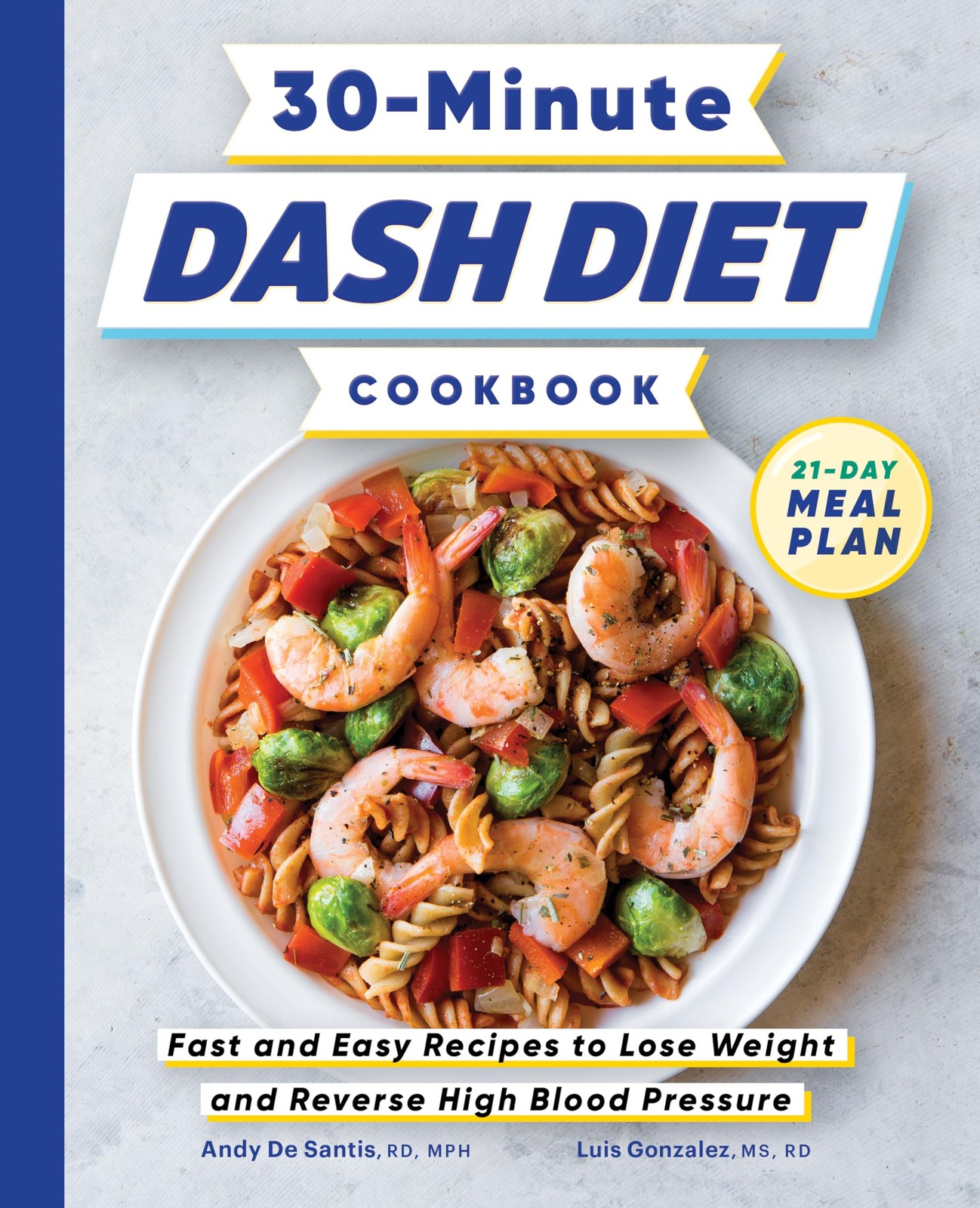
The dietary Approaches to Stop Hypertension (DASH) diet is scientifically validated to lower blood pressure, notably in men. It emphasizes the intake of fruits, vegetables, whole grains, low-fat dairy products, lean protein, nuts, and seeds, while restricting sodium, red meat, sugars, and saturated fats (NIH). Clinical trials demonstrate that strict adherence can reduce systolic and diastolic blood pressure by up to 11 mmHg and 6 mmHg, respectively (JAMA).
Reducing Sodium Intake
Excessive dietary sodium is strongly linked to hypertension.The CDC recommends a daily sodium intake of less than 2,300 mg, ideally moving toward 1,500 mg for individuals with elevated blood pressure. Reducing processed and restaurant food consumption, reading nutrition labels, and using herbs rather of salt for flavoring are practical tactics.
Increasing Potassium, Calcium, and Magnesium
Potassium-rich foods (bananas, spinach, legumes), calcium (low-fat dairy, leafy greens), and magnesium (nuts, seeds, whole grains) have documented antihypertensive properties (NCBI). These nutrients support vascular relaxation and electrolyte balance. Notably, dietary sources are preferred over supplements for safety and long-term efficacy.
limiting alcohol and Caffeine
Alcohol raises blood pressure in a dose-dependent manner, and moderation is crucial for men.The CDC defines moderate alcohol intake as up to two standard drinks per day for men. High caffeine intake may cause transient spikes in blood pressure; men with hypertension or sensitivity should restrict consumption (Mayo Clinic).
Maintaining a Healthy Weight
Obesity and central adiposity are strongly linked to increased vascular resistance and hypertension. Weight loss of even 5-10% of body weight can result in clinically meaningful reductions in blood pressure (Harvard Health).
2. Physical Activity and Exercise
Regular aerobic exercise-such as brisk walking, running, cycling, or swimming-lowers resting blood pressure through improved vascular function, autonomic balance, weight management, and metabolic enhancement. The CDC recommends at least 150 minutes of moderate-intensity aerobic activity per week for adults. Resistance training also supports blood pressure reduction and overall cardiovascular health (NCBI).
Exercise Prescription for Men with Hypertension
- Aerobic Activity: 30-40 minutes, 5 days per week (e.g., walking, jogging, cycling)
- Strength Training: 2-3 sessions per week, focusing on all major muscle groups
- Versatility and Balance: Incorporate yoga, stretching, or tai chi to reduce stress
3. Stress Management and Mind-Body Techniques
Chronic psychological stress activates the sympathetic nervous system and the hypothalamic-pituitary-adrenal (HPA) axis, elevating blood pressure and promoting vascular inflammation. Mind-body interventions such as meditation, mindfulness, progressive muscle relaxation, and deep breathing have demonstrated efficacy in normalizing blood pressure and improving overall well-being (Harvard Health). Stress-reduction techniques are particularly impactful for men exposed to workplace or caregiver pressure.
Cognitive-Behavioral and biofeedback Approaches
Cognitive-behavioral therapy (CBT), stress management counseling, and biofeedback are effective for men who prefer structured psychological support or experience notable anxiety or mood disturbances in conjunction with hypertension (PubMed).

4. Quality Sleep and Sleep Apnea Screening
Sleep disturbances, including obstructive sleep apnea (OSA), are independently associated with hypertension, especially in overweight or middle-aged men. ensuring 7-9 hours of restorative sleep per night and screening for sleep apnea in high-risk individuals (e.g., those who snore or experience daytime fatigue) is advised (Sleep Foundation).Treating sleep disorders can considerably improve blood pressure control.
5. Smoking Cessation
Tobacco use acutely increases blood pressure and damages the vascular endothelium, accelerating the development of hypertension and cardiovascular disease. comprehensive smoking cessation programs are strongly recommended, with behavioral support, counseling, and nicotine replacement therapy as indicated (CDC).
6. Safe Use of Dietary Supplements and Herbal Remedies
Certain dietary supplements, such as garlic extract, coenzyme Q10, or omega-3 fatty acids, may exert modest antihypertensive effects. However,research remains mixed,and supplements are never a substitute for lifestyle modification or professional medical advice (healthline). Men should consult healthcare providers before starting any supplement, as some can interact with medications or underlying health conditions.
Practical Approaches to Lifestyle Change
Behavioral Strategies for Long-term Adherence
Lasting blood pressure control hinges on individual commitment and behavioral change. Men can enhance adherence through:
- Setting specific, measurable, and realistic goals
- Tracking progress using apps or journals
- Social support from family, friends, or peer groups
- Periodic consultations with healthcare professionals
- Adapting interventions to personal preferences, schedules, and cultural context
(NCBI).
Overcoming Barriers: motivation,Access,and Health Literacy
Common barriers men face include lack of motivation,limited access to healthy foods or facilities,and insufficient understanding of hypertension risks. Community-based interventions,employer wellness programs,and public health initiatives can mitigate these obstacles and empower men to prioritize their cardiovascular health (NIH).
When to Consider Medication or Professional Help
Lifestyle interventions are first-line recommendations for men with prehypertension or stage 1 hypertension (systolic 130-139 mmHg; diastolic 80-89 mmHg).Though, medication may become necessary if:
- Blood pressure remains uncontrolled after 3-6 months of diligent non-pharmacological management
- Stage 2 hypertension is present (≥140/90 mmHg)
- Coexisting cardiovascular or renal disease is identified
- Hypertensive emergencies or end-organ damage develop
Men should never delay or discontinue prescribed medications without consulting a healthcare provider (Mayo Clinic).
Conclusion
Managing high blood pressure in men without medication is both achievable and clinically significant. Dietary improvements, increased physical activity, stress reduction, quality sleep, smoking cessation, and thoughtful supplement use can dramatically lower blood pressure and mitigate the risks of life-threatening complications. Embedded in a supportive environment and guided by regular medical monitoring, these lifestyle changes not only address hypertension but also foster holistic health and longevity. Nevertheless, ongoing collaboration with healthcare professionals remains essential to ensure safe, individualized, and effective hypertension management.
References
- World Health Organization: Hypertension Factsheet
- CDC: High Blood Pressure Facts
- JAMA: Effects of Comprehensive Lifestyle Modification on Blood Pressure Control
- NIH: DASH Eating Plan
- Harvard Health: Controlling High Blood Pressure Without Medication
- mayo Clinic: Hypertension Overview
- PubMed: Hypertension Clinical Trials
- NHS: High Blood Pressure
- Healthline: Supplements for High Blood Pressure
- Sleep Foundation: High Blood Pressure and Sleep
- CDC: Smoking and High Blood Pressure