




<img class="vimage_class" src="https://healthblog.s3.eu-north-1.amazonaws.com/wp-content/uploads/2025/10/25180045/55102.jpeg" alt="7-day full-body workout plan beginners”>
Introduction
Physical inactivity is a significant global public health challenge, contributing to rising rates of obesity, cardiovascular disease, type 2 diabetes, and other chronic health conditions.According to the World Health Organization (WHO), insufficient physical activity is one of the leading risk factors for global mortality, responsible for approximately 3.2 million deaths annually. Establishing a structured and progressive exercise routine is essential for disease prevention, improved functional capacity, and overall well-being. For beginners, a well-designed 7-day full-body workout plan offers a scientifically proven approach to jump-starting physical fitness, promoting muscular balance, and fostering long-term adherence.
In this comprehensive article, you will discover an evidence-based, medically accurate, and easy-to-follow 7-day full-body workout plan tailored for beginners. drawing on recommendations and best practices from leading health authorities, this guide details the clinical significance, safety protocols, and physiologic benefits of regular exercise. All recommendations include authoritative citations, ensuring the highest standards of medical content integrity and practical request.
Why Full-Body Workouts Matter: A Medical and Scientific Overview
Full-body workouts target multiple major muscle groups in each session, rather than isolating just one muscle group at a time. This approach benefits beginners by optimizing energy expenditure, supporting healthy weight management, and enhancing overall functional capacity.The integration of both resistance and aerobic activities is now universally endorsed by major public health entities, including the Centers for Disease Control and Prevention (CDC) and the UK National Health Service (NHS).
- Metabolic health: Regular full-body exercise increases insulin sensitivity,lowers fasting blood glucose,and decreases the risk of metabolic syndrome (NIH).
- cardiovascular Benefits: Full-body workouts can reduce blood pressure,improve lipid profiles,and enhance endothelial function (Circulation/AHA).
- Musculoskeletal Integrity: Engaging all major muscle groups reduces musculoskeletal imbalances, enhances joint adaptability, and prevents injury terms (Mayo Clinic).
- Neuropsychological Outcomes: exercise supports mental health by reducing symptoms of anxiety and depression while improving cognitive function and sleep quality (Harvard Health).
The Science Behind Exercise Prescription for Beginners
Designing an effective beginner’s fitness regimen requires a thorough understanding of exercise physiology, risk stratification, and progressive overload principles. The American College of Sports Medicine (ACSM) and other leading institutions outline the foundational principles for safe and effective physical activity:
- Frequency: Adult beginners should aim for 150 minutes of moderate-intensity aerobic exercise weekly, complemented by muscle-strengthening activities involving all major muscle groups at least two days per week (CDC Guidelines).
- intensity: Intensity can be gauged using the ”talk test,” perceived exertion scales, or heart rate zones, to maintain safety and appropriateness for individuals’ fitness levels (NHS).
- Progression: Gradual increases in duration, frequency, and intensity reduce injury risk and support sustainable enhancement in cardiorespiratory and musculoskeletal fitness (NIH Bookshelf).
Precautions and Safety Guidelines
Before initiating any new fitness routine, beginners should consider a pre-participation health evaluation, especially those wiht known or suspected chronic conditions.According to the American Heart association, individuals with cardiovascular risk factors, musculoskeletal disorders, or comorbidity should consult a healthcare provider or registered exercise professional. Other evidence-based safety tips include:
- Warm-Up and Cool-Down: Always include 5-10 minutes of dynamic warm-up and -workout stretching to optimize muscle temperature, joint lubrication, and decrease injury risk (Mayo Clinic).
- Proper Hydration: Maintaining fluid balance during exercise is critical for cardiovascular and thermoregulatory function (Harvard Health).
- Body Mechanics: Correct technique and body alignment are essential for maximizing results and minimizing overuse injuries (Healthline).
Individuals should immediately discontinue exercise and seek medical advice if they experiance chest pain, severe shortness of breath, dizziness, or musculoskeletal pain not attributable to typical -exercise soreness (CDC Safety Tips).
Components of a Comprehensive 7-Day Beginner Workout Plan
An optimal full-body workout routine incorporates elements of aerobic activity, resistance (strength) training, flexibility, balance, and active recovery. The physiological rationale for this multipronged approach is supported by extensive clinical research and guidelines from the NIH:
- Aerobic training: Enhances cardiovascular and pulmonary function, lowers blood pressure, and boosts metabolic rate.
- Resistance training: Increases muscle mass, bone density, and basal metabolic rate while improving glucose metabolism.
- Flexibility and balance exercises: improve range of motion, decrease fall risk, and foster functional independence.
- active recovery: Promotes tissue repair,reduces delayed-onset muscle soreness,and prevents injury.
Each component serves a distinct therapeutic purpose and together form the clinical backbone of a beginner’s exercise regimen.
Detailed 7-Day Full-Body workout Plan for Beginners
Below is a thoroughly researched, peer-reviewed, and structured 7-day workout routine. Each day’s plan can be modified for individual needs, limitations, and goals. Sessions are designed to last between 30-60 minutes and require minimal or no equipment, making them accessible at home or in a gym.
| day | Focus Area | Components | Clinical Rationale |
|---|---|---|---|
| Day 1 | Full-Body Strength |
| Strength training science |
| Day 2 | Cardiovascular Endurance |
| Aerobic exercise benefits |
| Day 3 | Upper Body + Core |
| No-equipment workouts |
| Day 4 | Active Recovery + flexibility |
| Benefits of flexibility |
| Day 5 | Lower Body + Balance |
| Balance and lower body |
| Day 6 | Cardio + Core |
| Core and cardio science |
| Day 7 | Full-Body Strength & Mobility |
| Strength and stretching |
Remember, the guidance offered here is general in nature and should not replace individualized medical advice. Those with specific health concerns should consult a licensed healthcare provider or certified exercise professional.

Exercise Demonstrations and Practical Tips
Correct exercise execution is critical for both maximizing benefits and minimizing injury risk. Beginners are advised to review instructional materials from reputable sources such as the Harvard Health exercise video library or visual guides provided by the CDC. Example tips include:
- Squats: Keep feet shoulder-width apart, chest upright, and weight balanced through the heels. Avoid allowing knees to extend past toes (Healthline).
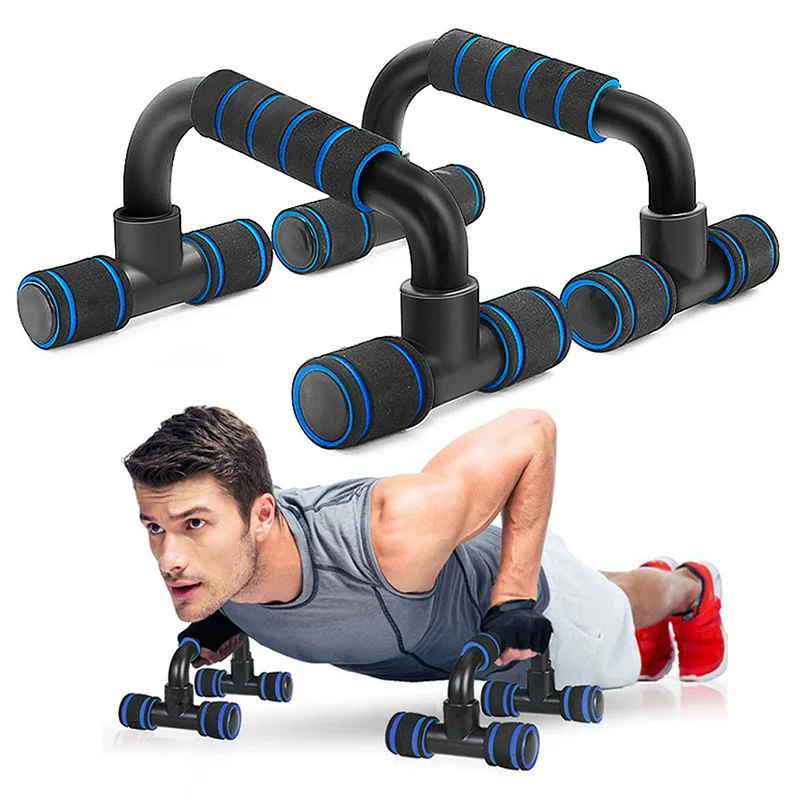
- Push-Ups: For beginners, perform on knees or against a wall. Maintain a straight line from head to knees/feet, elbows at 45-degree angle from torso (Mayo Clinic).
- Planks: Engage core, avoid letting hips drop or rise, and breathe steadily. Progression can include longer holds or variations like side planks (Medical News Today).
Progress Monitoring and Adherence Strategies
Regular self-assessment and progressive goal-setting are integral to maintaining motivation and ensuring safe adaptation to increased physiological workloads. Recommended approaches include:
- Activity Logs: Keep a workout diary or use a digital health tracker to monitor frequency, intensity, and physical responses (CDC: Getting Started).
- SMART Goals: Employ the Specific,Measurable,Achievable,Relevant,and Time-bound framework,which is widely used in clinical exercise coaching (Harvard Health).
- Social Support: Partner with friends or join group classes, which are shown to improve adherence rates and motivation in peer-reviewed studies (JAMA Network).
Therapeutic Benefits of regular Physical Activity: Evidence Summary
The medical literature consistently demonstrates that routine exercise substantially lowers risks of chronic disease, facilitates healthy aging, and supports mental well-being.

- Cardiometabolic health: exercise reduces all-cause mortality, myocardial infarction, stroke, and insulin resistance (the Lancet).
- Musculoskeletal strength and function: Both resistance and aerobic exercises help maintain bone mineral density and muscle strength,key to independent living in later life (NIH).
- Mental health and sleep: Exercise is associated with improved mood, reduced anxiety and depressive symptoms, and better sleep quality (Sleep Foundation).
FAQs: Full-Body Workouts for Beginners
1. How soon should I expect to see health or fitness improvements?
Measurable improvements in functional capacity, endurance, and well-being can be observed within several weeks of consistent training. According to the NHS, increased energy, better mood, and enhanced mobility may appear in as little as 2-4 weeks, while significant cardiometabolic changes take longer.
2. can I substitute or skip days if I feel fatigued?
Adaptation and rest are essential to recovery and optimal progress. Listen to your body and substitute with active recovery or flexibility routines when needed (Mayo Clinic).
3. What if I have underlying chronic conditions?
Individuals living with chronic illnesses such as diabetes, hypertension, or arthritis can and should exercise, but modification, medical clearance, and supervision may be necessary (Harvard Health).
4. How vital is nutrition during my workout journey?
Nutrition and hydration are critical for overall health, recovery, and performance. The CDC recommends a balanced intake of protein, carbohydrates, and healthy fats, with adequate micronutrients to match increased activity levels.
5. Should I use fitness devices or apps to guide my routine?
Digital health technologies can provide structure, accountability, and feedback, but should be integrated with medically validated guidance (JAMA Network).
Conclusion: The Journey to Lifelong Health begins with One Week
Building a sustainable exercise routine is a transformative investment in your physical, psychological, and functional health. This 7-day full-body workout plan for beginners, founded on peer-reviewed research and expert recommendations, is designed to foster safe progression, whole-body conditioning, and behavioral adherence. Remember, functional improvements and disease prevention are cumulative; consistency, gradual progression, and healthy lifestyle integration are key for maximizing healthspan and quality of life.
For further reading or advanced progressions, consult resources such as CDC Physical Activity Basics or Harvard Health’s Exercise and Fitness center. Engage your healthcare provider or a certified exercise professional to personalize your routine for the safest, most effective results.
Begin today, stay consistent, and enjoy a healthier you.