

Introduction
Physical inactivity is an established risk factor for numerous chronic diseases, including cardiovascular disease, type 2 diabetes, obesity, certain forms of cancer, and mental health disorders. According to the World Health Association (WHO),insufficient physical activity is one of the leading risk factors for global mortality,leading to an estimated 3.2 million deaths annually. Yet, a significant proportion of the adult population struggles to meet the recommended levels of physical activity, frequently enough citing barriers such as lack of time, motivation, or access to fitness facilities. The misconception that “exercise” necessitates structured, intense workouts—such as gym sessions, running, or high-intensity classes—prevents many from seeking out alternative, doable methods to remain active.
The evolving field of exercise medicine has begun to recognize that a more holistic and inclusive approach to movement is vital for public health. In recent years, a growing body of scientific evidence demonstrates that daily activities outside of conventional workouts can meaningfully contribute to health and wellness. This article explores how individuals of all ages and physical abilities can integrate functional movement, spontaneous activity, and lifestyle-based exercise into their routines to derive ample health benefits without relying on conventional workout regimens.
The Science of Physical Activity: Beyond the Gym
What Qualifies as physical Activity?
Physical activity is defined as any bodily movement produced by skeletal muscles that results in energy expenditure above resting levels, as described by the centers for Disease Control and Prevention (CDC).This broad category encompasses not only structured exercise but also various forms of movement such as walking, gardening, carrying groceries, and even household chores. The health benefits of movement accrue across a spectrum of intensities, with both moderate and vigorous activities contributing to long-term well-being.
Physiological Mechanisms of Activity
Engaging in regular physical activity leads to adaptive changes in the cardiovascular, musculoskeletal, and metabolic systems. It enhances insulin sensitivity, improves endothelial function, promotes lipid metabolism, and stimulates neuroplasticity—protecting against both physical and cognitive decline (Harvard Health). Non-traditional movement, such as frequent walking and staying on your feet throughout the day, also counteracts the adverse pathophysiological effects of sedentary behaviour.A pivotal meta-analysis published in JAMA Internal Medicine demonstrates that even low-intensity, intermittent activity throughout the day significantly lowers the risk of all-cause mortality compared to prolonged sitting.
The Concept of “Exercise Snacks” and Incidental Activity
Recent research supports the health-promoting role of short, sporadic “exercise snacks”—brief periods of movement integrated into daily life as opposed to continuous structured sessions (JAMA Network open, 2023). Incidental activity—such as walking during phone calls or using the stairs—has been shown to improve cardiorespiratory fitness and metabolic health, highlighting that every movement counts.
Health Benefits of Non-Traditional Physical Activity
Cardiometabolic Health
Incorporating movement through routine activities such as housework, active transportation (walking, cycling), and standing workstations contributes directly to lower blood pressure, improved glucose metabolism, and healthier lipid profiles (National Institutes of Health [NIH]).Researchers have found that individuals engaging in higher levels of general daily movement have up to a 20–30% lower risk of developing type 2 diabetes and cardiovascular events compared to those who are predominantly sedentary (NCBI).
Mental and Cognitive Health
Physical activity, nonetheless of form, enhances mental well-being by stimulating neurotransmitters such as serotonin and endorphins. Studies indicate that even short, non-exercise bouts of movement lower anxiety, improve mood, and bolster cognitive performance throughout the lifespan (NHS).Movement integrated throughout the day is especially effective at counteracting the cognitive and emotional toll of sedentary office environments.
Musculoskeletal Health
Bone mineral density, joint mobility, and muscle mass can all be preserved through daily activities that load the musculoskeletal system, such as carrying groceries, manual labor, gardening, and playing with children. These forms of activity provide critically important stimulus for maintaining structural integrity and function, particularly in aging populations (Harvard Health).
How much Activity Is Enough? Rethinking recommendations
Current Physical Activity Guidelines
The CDC Physical Activity Guidelines for Americans advocate for at least 150–300 minutes per week of moderate-intensity aerobic activity or 75–150 minutes per week of vigorous-intensity activity, plus strength activities on 2 or more days per week. Importantly, these guidelines clarify that movement “counts” regardless of whether it is performed in short bursts or sustained periods, and that “some physical activity is better than none.”
Intensity and Adaptability
Physical activity as a health intervention is inherently flexible. For individuals unable—or unwilling—to engage in formal workouts, benefits are achieved through alternative, manageable activities integrated throughout the day. Replacing sitting with standing, walking, or light tasks confers metabolic and cardiovascular protection (Medical news Today).
Practical Strategies: Staying Active Without traditional Workouts
1. Walking: the Cornerstone of Natural Movement
Walking, in all its forms, remains the most accessible, evidence-backed form of daily movement. Regular walking reduces mortality risk, aids weight management, strengthens the cardiovascular system, and supports mental health (Harvard Health). Changes to daily routines, such as parking farther from entrances, using public transport, or “walking meetings,” can easily increase step counts without dedicated exercise sessions.
- Consider walking or cycling for short errands instead of driving.
- Take regular walking breaks during work hours.
- Pace while talking on the phone or during video calls.
2. Active Commuting and Transportation Habits
Swapping car travel for walking, biking, or using stairs, even for parts of a journey, significantly boosts daily energy expenditure. Research on “active commuting” demonstrates lower incidence of hypertension, improved BMI profiles, and reduction in all-cause mortality among those who walk or cycle to work (BMJ).
3. Standing vs. Sitting: Dynamic Workstations
Extended sitting is independently correlated with increased risk of chronic disease and mortality, even in physically active individuals (NIH). Adjustable standing desks and standing meetings are practical solutions to reduce sedentary time; studies show that alternating between sitting and standing at work can improve musculoskeletal comfort and metabolic markers (Mayo Clinic).
- Set reminders to stand or stretch every hour.
- Upgrade to a sit-stand desk or use a tall counter for some computer work.
- Hold short meetings standing or walking rather than seated.
4. Household and Garden Activities
Housekeeping, yardwork, and gardening are significant sources of non-exercise activity thermogenesis (NEAT). Tasks such as vacuuming, lawn mowing, raking leaves, or planting flowers confer cardiovascular and musculoskeletal benefits equivalent to formal exercise for many individuals (CDC).
- Intentionally increase your pace while doing chores.
- Rake, carry, or dig as practical forms of resistance training.
- Break large tasks into intervals to keep energy and motivation high.
5. Play,Sports,and Recreational Activities
Active recreation—such as dancing,playing frisbee,swimming,or informal sports—can provide robust physical activity,motivation,and social engagement. The positive emotional associations of play often increase compliance and reduce perceived exertion (NCBI).
- Join a community sports group, dance club, or recreational league.
- Engage in active family playtime outdoors or at parks.
- Try new activities to stave off boredom and keep moving.
6. Incorporating Activity at home
Integrating movement throughout the home environment fosters regular activity, even in inclement weather or busy schedules. Calisthenics, stretching during television, or in-home walking can maintain musculoskeletal strength and adaptability (Healthline).
- March or step in place during TV commercials.
- Practise stretching or yoga while listening to audio content.
- Perform squats, lunges, or balance exercises during daily routines.
7. Technology-Assisted Activity
wearable activity trackers, pedometers, and movement reminder apps are supported by evidence for promoting sustainable increases in daily activity. Such devices encourage goal-setting,accountability,and offer biofeedback that enhances long-term adherence (JAMA).
8. Social and Occupational Strategies
Leveraging social support, routine, and workplace opportunities boosts adherence to active lifestyles. Walking meetings, group chores, or setting up communal fitness challenges at the office have been shown to meaningfully increase daily movement and overall well-being (NCBI).
- Organize active breaks or group walks at work.
- Participate in charity walks, runs, or local recreation events.

Special Considerations for Different Populations
Older Adults
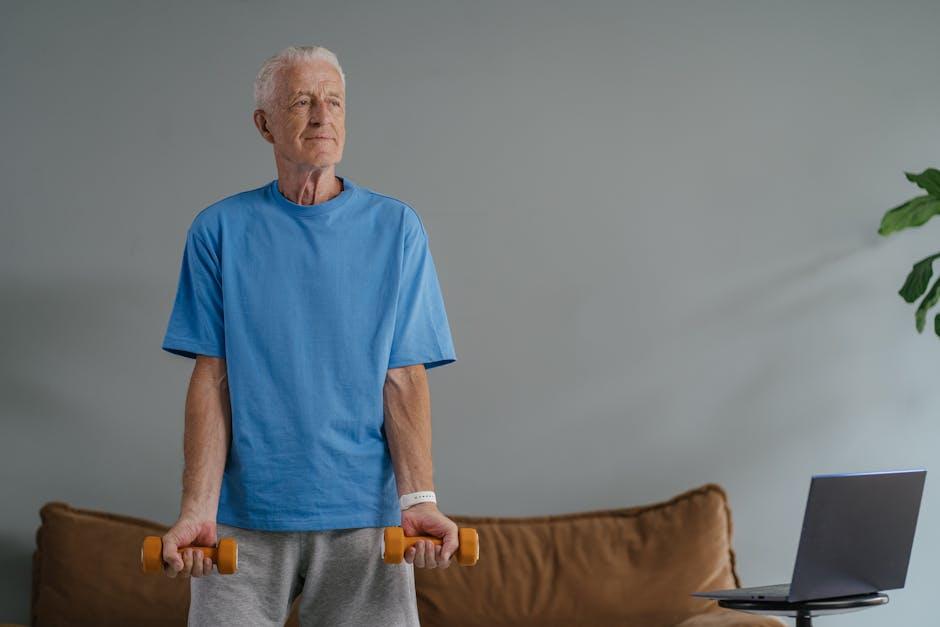
Functional movement and light daily activities are particularly important for older adults. Evidence shows that routine tasks such as walking, gardening, or gentle stretching decrease risk of falls, support cognitive health, and preserve independence (National Institute on Aging).
Individuals with Chronic Disease or Disability
People living with chronic disease or mobility challenges can benefit significantly from tailored movement, including chair-based exercises, adaptive yoga, or aquatic therapy. Studies underscore the role of non-traditional movement in improving quality of life, reducing pain, and managing comorbidities (Mayo Clinic).
Children and Adolescents
Youth benefit from regular unstructured play, active exploration, and participation in sports or dance. The CDC recommends at least 60 minutes of activity daily for children, which can be achieved through outdoor play, family walks, chores, and hobbies.
Breaking Down Barriers: addressing Common Challenges
Time Constraints
Lack of time is a frequently cited impediment to exercise, yet research reveals that small increments of movement—such as ten-minute walks or periodic stretching—are additive and beneficial (JAMA).
Motivation
Internal motivation can be amplified by setting realistic, meaningful goals, focusing on enjoyment, and embedding activity into valued routines. Social support acts as a powerful driver of compliance and success (NIH).
Physical Limitations or Health Concerns
Consultation with healthcare providers enables safe adaptation of activities to individual health status. Physical therapy, occupational therapy, or medically supervised exercise prescriptions may be indicated for complex comorbidity or disability (Mayo Clinic).
Monitoring Progress and Staying Motivated
Objective Measures of Activity
Tracking daily step counts, minutes of activity, or time spent standing encourages continuous improvement.Research confirms that quantifiable feedback is associated with higher adherence to active lifestyles (The Lancet). Popular tools include step counters, digital logs, and wearable fitness trackers.
Subjective Assessment: Energy, Mood, and Function
Improvements in energy, sleep, mood, and functional capacity are reliable signs of enhanced physical activity. Maintaining a progress diary can definitely help identify personal strategies that work and reinforce positive behavior change (Harvard Health).
Creating a Supportive Environment
Turning physical activity into a social, shared, or family endeavor increases accountability and joy, making movement a lifelong habit (CDC).
Risks and Safety of Non-Traditional Activity
Minimizing Injury and Overuse Risk
While daily activity is generally safe, abrupt increases or new forms of movement can trigger minor musculoskeletal strain.Research suggests gradual progression, appropriate footwear, and being mindful of environmental hazards (NCBI). For individuals with balance issues or chronic conditions, supervised initiation may be helpful.
Special Precautions for Chronic Health Conditions
people with cardiovascular disease, respiratory illness, or severe comorbidity should seek professional advice to tailor activities, especially if symptoms like chest pain, dizziness, or breathlessness occur (NHS).
Conclusion: the power of Everyday Movement
Emerging scientific consensus affirms that movement,not just formal exercise,is essential for medical and functional health.By reimagining daily routines as opportunities for activity and embedding small, meaningful bouts of movement throughout the day, individuals can achieve measurable improvements in physical and psychological well-being. Whether through standing more,walking,household chores,or playful exploration,movement is both accessible and effective—possibly transforming lives outside the walls of the gym.
For personalized guidance—including adaptations for chronic illness, disability, or mobility limitations—consult your primary care provider or an exercise specialist. For further facts, evidence-based resources are available at the CDC, WHO, and NHS.
References
- World Health Organization: Physical Activity Fact Sheet
- CDC: Physical Activity Basics
- JAMA Internal Medicine: Physical Activity and All‐Cause Mortality
- NHS: Benefits of Exercise
- Harvard Health: Walking for health
- mayo Clinic: Standing Desks
- CDC: Adding Physical Activity to Your Life
- NCBI: Exercise and Musculoskeletal Injury
- Healthline: 30 Moves to Make the Most of Home Workouts
- NCBI: Effects of Physical Activity on Cardiovascular Outcomes
- BMJ: Association between active commuting and incident cardiovascular disease
- National Institute on Aging: Exercise & Physical Activity