


Introduction
Physical activity is essential for maintaining overall health and preventing chronic diseases such as diabetes, cardiovascular disease, and obesity [CDC.gov]. Though, while regular exercise confers numerous health benefits, improper readiness for physical activity can increase the risk of injury, compromise exercise performance, and diminish overall gains [WHO]. Among the most underestimated yet critical components of any exercise regimen is the warm-up. Warming up is not simply a tradition or an optional step; rather, it holds a vital place in sports medicine and contemporary fitness protocols due to its role in preparing the cardiovascular, musculoskeletal, and neurological systems for increased physical demands.
This comprehensive article provides an evidence-based,medically accurate exploration of the mechanisms,benefits,and best practices for warming up before physical activity. Informed by guidelines from leading institutions such as the American College of Sports Medicine (ACSM), NHS, and Harvard Medical School, this guide aims to equip readers with clinically validated knowledge and actionable strategies.

why warm Up? The physiological Rationale
Understanding the science behind warming up requires gratitude for several physiological pathways:
- Cardiovascular activation: Gradually elevating heart rate and blood flow dilates blood vessels, improves oxygen delivery, and minimizes abrupt hemodynamic changes that may stress the heart [Mayo clinic].
- Musculoskeletal Preparation: Warming up increases muscle temperature and flexibility, enhances synovial fluid production in joints, and reduces viscosity within muscle fibers, thus lowering the risk of strains or tears [NHS].
- Neuromuscular Readiness: Priming neural pathways improves coordination, proprioception (body awareness), and muscular recruitment for complex or high-intensity movements [NCBI].
- Injury Prevention: Epidemiological data links proper warm-up routines to significantly reduced rates of musculoskeletal injuries, especially in high-intensity or contact sports [JAMA pediatrics].
- Mental preparation: Warm-ups afford athletes and exercisers an opportunity for psychological acclimatization, thus reducing performance anxiety and optimizing focus [Healthline].
The Science Behind warming Up: Key Research Findings
A ample body of medical literature supports the practice of warming up. Controlled trials have demonstrated that dynamic warm-up exercises enhance muscle power, joint range of motion, and exercise performance while diminishing -exercise soreness and injury incidence [ACSM Clinical Sports Medicine Reports]. A review in The Lancet found that structured warm-up programs in youth athletes reduced severe injury risk by up to 40% [The Lancet].
physiological studies reveal that elevating muscle temperature by as little as 1-2°C can lead to improved muscle elasticity, greater nerve impulse speeds, and increased metabolism at the cellular level [NCBI].
Components of an Effective Warm-Up
A proper warm-up should be multi-phasic, aiming to prime the entire body for forthcoming demands. Clinically, warm-ups are divided into two key categories:
1. General Warm-Up
The general warm-up typically involves 5-10 minutes of low- to moderate-intensity aerobic activity (e.g., brisk walking, cycling, or jogging). The purpose is to gradually increase heart rate and core temperature,mobilizing large muscle groups and facilitating physiological transition from rest to activity [MedlinePlus].
2. dynamic Stretching and Mobility
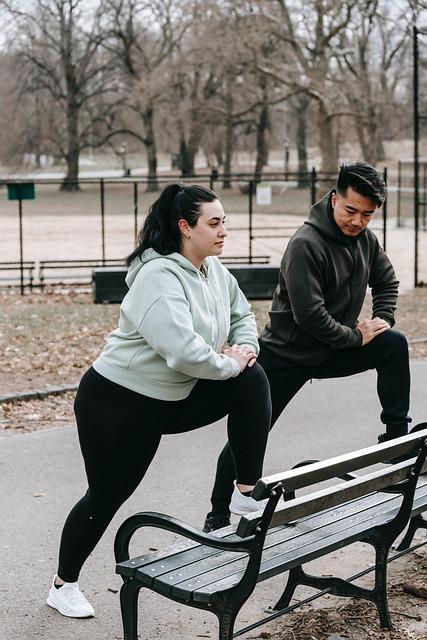
Unlike static stretching, which focuses on holding a stretch at end-range motion, dynamic stretching encompasses controlled, sport-specific movements that mimic the intended exercise. Dynamic mobility drills-such as lunges, squats, arm circles, or leg swings-activate and stabilize joints, enhance muscle length, and improve motor unit recruitment [NCBI].
3. Exercise-Specific Preparation
Warm-ups should always be tailored to the specific activity or sport. Such as, athletes preparing for sprinting may perform short accelerations or skipping drills; strength trainees might utilize lighter sets of their planned exercises (warm-up sets). This approach is supported by data from both performance research and clinical injury prevention studies [Harvard Health].
Static Stretching: Myths and Modern Recommendations
For decades, static stretching (holding a stretch for 15-60 seconds) was a mainstay of warm-up routines. However, multiple systematic reviews have since demonstrated that pre-exercise static stretching does not reduce injury risk and can, in fact, transiently decrease strength and power output [PubMed].
as a result, expert guidelines now endorse performing static stretches only after the main workout, during the cool-down phase or in separate flexibility routines. For pre-exercise preparation, dynamic movement is superior [JAMA].
Strengthening the Evidence: Practical Recommendations from Leading Authorities
Global and national health organizations concur that a thoughtful warm-up is crucial for both novice and experienced exercisers. The NHS and CDC recommend every workout session begin with a warm-up to promote circulation and flexibility.
- Duration: 5-15 minutes depending on workout intensity and environment (longer in cold climates).
- Intensity: Low to moderate,increasing incrementally.
- Activities: Whole-body dynamic exercises alongside practice movements for the specific workout.
- Age Considerations: Older adults, deconditioned individuals, and those with chronic health conditions may require more gradual warm-up phases [CDC].
Risks of Inadequate Warm-Up
Forgoing or rushing the warm-up stage can elevate the risk of several acute and chronic injuries, from muscle and tendon strains to more severe joint and ligament injuries. Sports medicine literature indicates higher incidences of muscle cramps, delayed-onset muscle soreness (DOMS), ligament sprains, and even cardiac complications during unprepared transitions to strenuous exercise [NEJM].
Furthermore, lack of adequate physiological preparation reduces exercise efficacy, limits optimal strength, and negatively affects motor control, which cumulatively degrade fitness progress and performance outcomes [Mayo Clinic].

Evidence-Based Examples of Warm-Up Routines
1. cardiovascular Warm-Up (5-10 Minutes)
- Brisk walking, light jogging, or easy cycling.
- Skipping, light aerobic stepping, or marching in place.
- Rowing at moderate pace for total-body activation.
These activities facilitate a gradual increase in core temperature and circulation. Choose one or mix a few based on available equipment and personal preference [Healthline].
2. Dynamic Mobility and Stretching (5-8 Minutes)
- Arm circles and shoulder rolls (10-15 repetitions per direction)
- Leg swings (forward/backward and side/side, 10-15 per leg)
- Bodyweight lunges with overhead reaches (5-10 per side)
- High knees, butt kicks, or dynamic hip openers
- Torso twists and side bends
These drills promote joint range of motion, neuromuscular preparedness, and muscle recruitment. Adjust movements to fit your activity or sport [Medical News Today].
3. activity-Specific Movements (3-5 Minutes)
- For runners: Brief accelerations, marching drills, or bounding steps.
- For weight lifters: light sets of intended exercises (e.g., bodyweight squats, push-ups).
- For cycling: Progressive increases in cadence and light sprints.
- For team sports: Passing drills, lateral shuffles, or shadow movement simulations.
Research consistently affirms that rehearsing movement patterns within the warm-up reduces acute injuries and fosters superior skill execution [British Journal of Sports Medicine].
Special Considerations: Children, older Adults, and Chronic Conditions
Children and Adolescents
Younger individuals often require less extensive warm-up due to naturally higher tissue elasticity and faster metabolism. However, schools and youth sports leagues have reported markedly lower injury rates following the introduction of structured, fun, and movement-rich warm-up routines [JAMA Pediatrics].
Older Adults
Aging leads to physiological changes such as reduced muscle elasticity, stiffer joints, and decreased vascular flexibility. As such, warm-ups for older adults should be longer and gentler, typically emphasizing joint mobility and gradual increases in workload. Activities like walking, gentle cycling, and controlled functional movements (sit-to-stands, ankle circles) are excellent starting points [NCBI].
Individuals with Chronic disease or Limited Mobility
People with cardiovascular conditions, osteoarthritis, neuromuscular disorders, or prior musculoskeletal injuries should carefully tailor their warm-up-ideally under professional guidance-beginning at very low intensities and monitoring for symptoms such as dizziness, undue pain, or breathlessness. The CDC and NHS highlight the critical role of individualized exercise programming for these populations.
Biomechanics and Warm-Up: impact on Performance and Injury Risk
Biomechanical research elucidates how proper warm-up modulates joint stiffness, muscle-tendon tension, and synchronization of agonist-antagonist muscle pairs. In laboratory assessments, athletes who skip warm-ups exhibit higher ground reaction forces, delayed activation timing, and aberrant joint angles-factors known to increase tissue stress and likelihood of non-contact injuries such as ACL sprains [PubMed].
Warm-up routines incorporating dynamic, multi-planar movements-such as lateral hops or multi-directional lunges-are particularly effective in reducing biomechanical risk factors [BJSM].
integrating Warm-ups into Your Fitness Routine
Despite conclusive evidence in favor of warming up,adherence remains inconsistent across populations. Barriers may include lack of time, perceived complexity, or misconceptions about efficacy. Overcoming these obstacles involves:
- Prioritizing time-efficient, enjoyable dynamic routines.
- Customizing warm-ups to your fitness level, goals, and environmental conditions.
- Seeking guidance from certified personal trainers or sports medicine professionals for advanced needs.
- Making warming up a habitual, non-negotiable part of your exercise practice.
Health authorities recommend incorporating the warm-up as essential rather than optional.In both recreational and competitive contexts, the investment of a few minutes yields benefits far beyond the time spent [MedlinePlus].
Sample Warm-Up for Different Workouts
| Workout Type | Duration | Warm-Up Example |
|---|---|---|
| cardio (Running, Cycling) | 10-12 min | 5 min brisk walk/jog, 3 min dynamic leg drills (skips, lunges), 2 min accelerations, 2 min light stretching |
| Strength Training | 8-10 min | 5 min rowing/active cardio, 3 min mobility (arm and shoulder circles, bodyweight squats and lunges), 2-3 min warm-up sets with lighter weights |
| HIIT / Interval Training | 10-15 min | 7 min alternating jog and lateral shuffles, 5 min mobility (dynamic plank walkouts, knee hugs, butt kicks), 3 min skill specific (burpees, high knees) |
| Yoga / pilates | 6-8 min | Gentle walking, wrist/ankle circles, cat-cow flows, gentle dynamic spinal twists |
| Sports (Soccer, Tennis, etc.) | 12-15 min | Team jogging, dynamic agility ladder, sport-specific drills, short sprints, mobility (hip openers, arm swings) |
This table offers general frameworks; always adapt to your unique needs, fitness level, and sport.
FAQs: Common Questions About Warming Up
How long should I warm up?
Warm-up duration should match workout intensity and environmental context. Most adults benefit from 8-15 minutes of progressive, dynamic warm-up. For particularly intense sessions or in colder conditions, extend warm-up by several minutes [Harvard Health].
Can I skip the warm-up if I feel fine?
Subjective readiness does not substitute for physiological preparation. Even if you feel “ready,” your muscle tissue, joints, and nervous system require progressive activation to perform and protect effectively [Mayo clinic].

What happens if I warm up incorrectly?
Inadequate or improper warm-up-such as excessive static stretching or skipping dynamic movements-can blunt performance or fail to protect against injury. Focus on gradual escalation of intensity and joint-specific activation [JAMA].
Conclusion: Optimize Health, Performance, and Safety
The warm-up is an indispensable, evidence-based component of any exercise regimen. By progressively priming the body’s cardiovascular, musculoskeletal, and neural systems, you significantly lower injury risk, elevate performance, and facilitate -exercise recovery.Decades of clinical and sports science research unambiguously affirm that whether you are a recreational exerciser,competitive athlete,or someone new to physical activity,warming up properly is a cornerstone for success and longevity in fitness.
Empower yourself with up-to-date, medically validated warm-up knowledge and make it a fundamental-and enjoyable-part of every workout.
For tailored advice or to address any underlying health conditions, consult your healthcare provider or a certified exercise professional.
References
- CDC: Physical Activity and Health
- Harvard health: The importance of warming up
- Mayo Clinic: Fitness basics
- JAMA Network
- NHS: warm-up exercises
- MedlinePlus: Exercise and physical fitness
- The Lancet
- PubMed
- Medical News Today
- Healthline: Benefits of warming up