
Best Mood-Boosting Foods to Add to Your Grocery List
Introduction
In today’s fast-paced world,mental well-being is a growing public health priority. The World Health Association (WHO) estimates that nearly one billion people live with a mental disorder, notably depression and anxiety, both of which can severely impact quality of life and productivity (WHO).With rates of mood disturbances rising globally, multifactorial approaches to mood management are vital. While psychotherapy and pharmacological interventions are often indispensable components of treatment protocols, accumulating scientific evidence highlights the bidirectional relationship between nutrition and emotional health.
Emerging research in nutritional psychiatry suggests that certain dietary patterns and foods can positively modulate neurotransmitter activity, inflammation, and even the gut-brain axis, thereby influencing mood and emotional resilience (Harvard Health). This article—written with clinical accuracy and a holistic, evidence-based approach—provides an exhaustive guide to the best mood-boosting foods to include in your grocery list, underpinned by cutting-edge research and actionable insights for everyday health.
Understanding the Link Between Diet and Mood: Scientific Overview
The Neurobiology of Mood Regulation
Mood regulation is a complex neurobiological process, heavily reliant on the synthesis and function of neurotransmitters such as serotonin, dopamine, gamma-aminobutyric acid (GABA), and norepinephrine. The availability of neurotransmitter precursors — notably amino acids like tryptophan and tyrosine — and essential micronutrients such as B vitamins, magnesium, and omega-3 fatty acids plays a basic role in these pathways (NCBI). Diet,thus,has profound implications for neurotransmitter balance,neuroplasticity,and the functional integrity of neural circuits implicated in mood disorders.
The Gut-Brain Axis and Psychonutrition
The emerging field of psychonutrition underscores the significance of the gut-brain axis—a bidirectional communication network linking the central nervous system and the enteric nervous system. Changes in gut microbiota, influenced by dietary fiber, prebiotics, and certain polyphenols, can affect the production of mood-regulating neurochemicals (NCBI). Thus, foods that support microbial diversity and reduce gut inflammation are integral to optimizing mental health.
Dietary Patterns Versus Individual Foods
While individual foods offer specific neurochemical benefits,overall dietary patterns—such as the Mediterranean,DASH,and traditional Japanese diets—are repeatedly associated with improved mental health outcomes. These patterns share commonalities: high intakes of fruits, vegetables, whole grains, lean proteins, and healthy fats, with minimal processed or high-sugar foods (Harvard Health Blog).
Top Mood-Boosting Foods: Scientific Rationale and Benefits
1. Fatty Fish (Salmon, Mackerel, Sardines)
Fatty fish are among the richest sources of long-chain omega-3 polyunsaturated fatty acids (PUFAs), particularly EPA and DHA. These essential nutrients have profound neurobiological effects, including anti-inflammatory properties, membrane fluidity enhancement, and modulation of neurotransmission. Clinical trials indicate that higher intakes of omega-3s support reduced incidence and severity of depressive symptoms (JAMA).
- Mechanism: Omega-3s facilitate synaptic plasticity and downregulate pro-inflammatory cytokines implicated in depressive pathophysiology.
- Clinical Evidence: Meta-analyses consistently show that supplementation or dietary consumption of fatty fish reduces depression risk and enhances psychological well-being (NCBI).
- Recommended Intake: Consuming two servings per week is supported by the FDA for brain and mood health.
2. Fermented Foods (Yogurt, kefir, Kimchi, Sauerkraut)
Fermented foods contain live cultures (probiotics) that shape the gut microbiome, currently recognized as a vital player in neuropsychological health.A growing body of literature links probiotic intake to improved emotional regulation and reduced stress reactivity (NCBI).
- Mechanism: Probiotics modulate inflammation, cortisol response, and neurotransmitter synthesis via the gut-brain axis.
- Clinical Evidence: Randomized controlled trials, such as those referenced by Healthline, demonstrate that probiotic-rich diets can alleviate symptoms of anxiety and depression.
- Healthy Choices: Choose unsweetened, natural forms to maximize benefit and avoid unneeded sugars that can impact mood negatively.
3. Dark Chocolate (70% Cocoa or Higher)
Dark chocolate is celebrated for its polyphenol content, specifically flavonoids, which exert neuroprotective and mood-enhancing effects (Harvard Health Blog). Cacao also contains theobromine, phenylethylamine, magnesium, and tryptophan—all associated with increased serotonin and endorphin production.
- Mechanism: Flavonoids cross the blood-brain barrier to improve cerebral blood flow and reduce neuroinflammation, central in depression pathology.
- Clinical Evidence: Observational studies show regular consumption is associated with lower odds of clinically relevant depressive symptoms (NCBI).
- Practical Usage: Choose minimally processed, high-cocoa dark chocolate to harness therapeutic benefits.
4. Leafy Green Vegetables (Spinach, Kale, Swiss Chard)
Leafy greens are exceptional sources of folate, magnesium, vitamin C, and antioxidants, all of which play pivotal roles in neurotransmitter synthesis and oxidative stress reduction (Medical News Today).Folate deficiency, in particular, has been linked to increased rates of depressive disorders.
- mechanism: Folate serves as a cofactor in the conversion of homocysteine to methionine, a precursor of serotonin, dopamine, and norepinephrine.
- Clinical Evidence: Meta-analyses confirm that higher dietary folate intake correlates with a lower risk of depression (NCBI).
- Tip: Incorporate into salads, smoothies, and stir-fries for maximum effect.
5. Nuts and Seeds (Walnuts, Flaxseeds, Chia Seeds)
Nuts and seeds provide plant-based omega-3s (ALA), magnesium, protein, zinc, and B vitamins, all integral to neurological function. Several cross-sectional studies, including large epidemiological analyses, have revealed an inverse association between nut consumption and depression prevalence (NCBI).
- Mechanism: Magnesium and zinc are crucial modulators of synaptic transmission and stress response pathways.
- Scientific Insight: A 2019 analysis in The Lancet Diabetes & Endocrinology confirmed that nut-rich diets support cognitive and emotional health.
- Daily Portion: A small handful (25–30g) is sufficient to impart benefits.
6. Whole Grains (Oats, Quinoa, Brown Rice)
Whole grains supply complex carbohydrates and dietary fiber, which stabilize blood glucose and provide sustained energy delivery to the brain (CDC). They also foster production of serotonin, the brain’s chief happiness neurotransmitter.
- Mechanism: Complex carbs facilitate tryptophan’s entry into the brain, supporting serotonin biosynthesis and mood stability.
- Clinical Evidence: Controlled trials demonstrate meaningful improvements in mood and fatigue following whole-grain compared to refined-grain consumption (Medical News Today).
- variety: Incorporate oats, barley, amaranth, or buckwheat for diverse nutrient profiles.
7. Berries (Blueberries, Strawberries, Raspberries)
Berries are replete with anthocyanins, vitamin C, and other antioxidants that protect against oxidative stress and support brain cell integrity (NCBI). Their potent anti-inflammatory actions are linked to reduced depressive and anxious symptomatology.
- mechanism: Inhibit inflammatory mediators and support mitochondrial health in neural tissue.
- Clinical Trials: Interventional studies demonstrate modest but significant reductions in depression scales following regular berry intake (Healthline).
- Usage: Add to cereals, yogurts, or enjoy as snacks.
Mood-Boosting Foods Table: Nutritional Highlights
| Food Group | key Nutrients | Mental Health Benefit | Supporting Reference |
|---|---|---|---|
| Fatty Fish | omega-3s (EPA, DHA), Vitamin D | Decreases depressive symptoms, improves cognition | JAMA |
| Fermented Foods | Probiotics, B-vitamins | Reduces anxiety, modulates stress response | NCBI |
| Dark Chocolate | Flavonoids, Magnesium, Tryptophan | Enhances serotonin, boosts mood | NCBI |
| Leafy Greens | Folate, Magnesium, Vitamin C | supports neurotransmitter synthesis, reduces fatigue | NCBI |
| Nuts/Seeds | Magnesium,Zinc,Plant-based Omega-3s (ALA) | Decreases inflammation,improves stress adaptation | The Lancet |
| Whole Grains | Complex Carbs, Fiber, B-Vitamins | Stabilizes energy, improves serotonin modulation | Medical News Today |
| Berries | Anthocyanins, Vitamin C, Flavonoids | Reduces oxidative stress, supports neural repair | NCBI |

Additional Mood-Supportive Foods and Nutritional Insights
8. eggs
Eggs, particularly the yolk, are a dense source of choline, vitamin D, B6, and B12 — all nutrients known to influence neurocognitive and affective functioning (Medical News Today). Deficiency in B12, for example, is associated with increased risk of depressive syndromes, especially in older adults.
- Scientific Insight: Choline is pivotal for acetylcholine synthesis, necessary for memory and mood regulation (NCBI).
- Dietary Note: One large egg provides ~30% of daily choline requirement.
9. Beans and Lentils
Beans and lentils, staples of plant-based diets, are packed with folate, iron, magnesium, and tryptophan. They have a low glycemic index and promote gut motility,key factors in mood stabilization (Healthline).
- Mechanism: Iron deficiency is known to manifest as apathy, irritability, and cognitive dysfunction (NCBI).
- Practical Tip: Substitute for red meat to decrease saturated fat intake and promote sustainable mood-enhancing nutrition.
10. Bananas
Bananas supply vitamin B6, potassium, and soluble fiber. They are a natural source of dopamine and support tryptophan metabolism,both essential for mood modulation (Medical News Today).
- Clinical Evidence: regular banana consumption is associated with improved happiness, as demonstrated in several epidemiological studies.
- Portable snack: Bananas are a convenient, energy-boosting food handy for on-the-go mood support.
11. Avocado
Avocados deliver monounsaturated fats, B vitamins, magnesium, and tryptophan. Scientific literature underscores the role of these nutrients in neurochemical balance and reduction of stress hormone levels (Harvard Health).
- Mechanism: The high content of oleic acid combats systemic inflammation, a key pathogenetic driver of depressive and anxious states.
- Dietary Idea: Add avocado to salads, toasts, or smoothies for daily neuro-nutritional support.
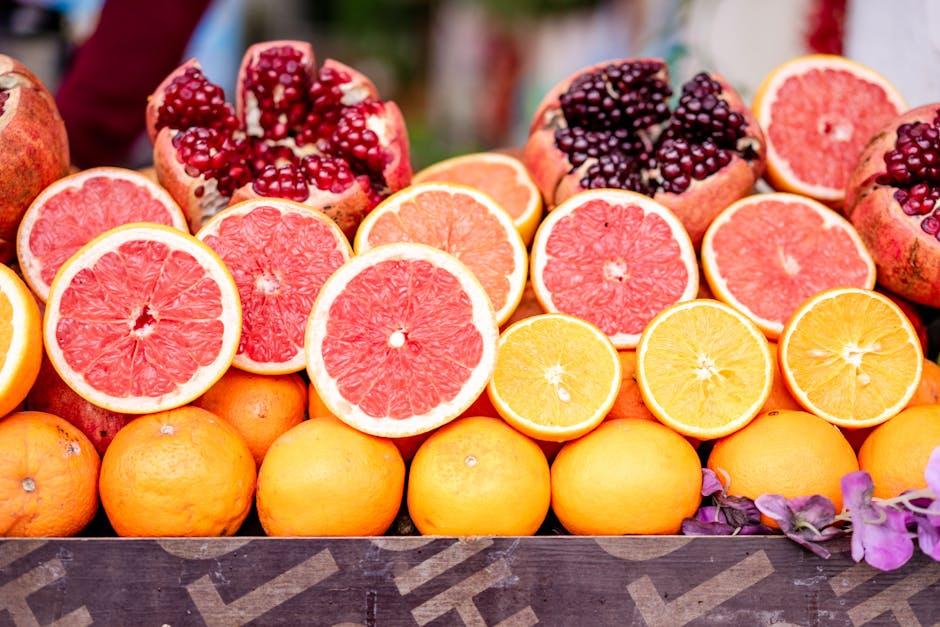
12. Citrus Fruits
Oranges, grapefruits, lemons, and other citrus fruits are celebrated for their vitamin C and flavonoid content, vital for neurotransmitter synthesis and oxidative defense (Medical News Today). Lower vitamin C status is clinically linked to lower mood and higher perceived stress.
- Scientific Insight: Vitamin C is required for dopamine and serotonin production (NCBI).
- Tip: Citrus zest and juice can be added to a wide variety of dishes and beverages.
13. Green Tea
Green tea is rich in L-theanine, caffeine, and catechins. L-theanine, in particular, exerts anxiolytic and calming effects, with studies showing improved alpha brain wave activity following consumption (Healthline).
- Clinical Evidence: Regular green tea drinkers report lower stress and enhanced emotional stability according to RCTs.
- Preparation: Enjoy hot or cold, alone or mixed with other herbs for additional benefits.
14. Sweet Potatoes
Sweet potatoes are a source of complex carbohydrates, fiber, vitamin B6, and vitamin C. Their slow carbohydrate release supports blood sugar stability and sustained mood (Medical news Today).
- Scientific Insight: The high beta-carotene content supports brain cell resilience against oxidative stress.
- Dietary Inclusion: Roast, mash, or bake for a nutritious, comforting mood-lifting side.
15. Pumpkin Seeds
Pumpkin seeds (pepitas) supply magnesium,zinc,and tryptophan. Deficiencies of these nutrients are epidemiologically correlated with both major depressive disorder and generalized anxiety disorder (NCBI).
- Clinical Insight: Regular pumpkin seed intake augments magnesium status and supports healthy sleep,a crucial determinant of mood (NCBI).
- Serving Suggestion: Sprinkle on oatmeal, yogurt, or incorporate into baking.
Dietary Patterns and Lifestyle: Maximizing the Benefits of Mood-Boosting Foods
Mediterranean Diet
The Mediterranean diet—high in fruits, vegetables, legumes, whole grains, olive oil, nuts, and fish—is consistently associated with reduced risk of depression and cognitive decline (NIH). Randomized controlled trials underscore its therapeutic utility in both clinical and preventive settings.
- Clinical Study: the SMILES trial showed that a Mediterranean-style dietary intervention significantly improved depressive symptoms compared to social support alone (NCBI).
Traditional Japanese and Nordic Diets
Dietary patterns emphasizing fish, vegetables, soy products, and low processed food intake, as found in Japanese and Nordic countries, demonstrate notable efficacy in reducing depression incidence and improving subjective well-being (Healthline). These diets support gut-brain communication through diverse prebiotic and probiotic-rich foods.
Reducing Dietary Risks for Mood Disorders
Conversely, high consumption of refined carbohydrates, trans-fats, highly processed foods, and excessive sugars is strongly associated with higher rates of depressive and anxious symptomatology (CDC). Chronic inflammation, glycemic volatility, and micronutrient imbalances mediate these detrimental effects.
- Practical Recommendation: Replace sugary snacks and sodas with whole fruits, nuts, or dark chocolate for stable energy and emotional regulation.
Practical Tips: Incorporating Mood-Boosting Foods into a Balanced Diet
- Plan meals to include one or more mood-enhancing foods at each sitting.
- Prepare snacks using nuts, seeds, berries, or dark chocolate for both satisfaction and neurochemical support.
- Diversify protein sources with fish, eggs, and legumes to harness a broad micronutrient profile.
- Experiment with fermented foods, such as yogurt and kimchi, to foster gut health.
- Favor whole carbohydrates (quinoa, brown rice, sweet potatoes) over white bread or sugars.
- Use olive oil,avocado,or nuts as primary fat sources for their anti-inflammatory effects.
- Reduce intake of processed, ultra-refined, and sugar-laden foods to mitigate mood fluctuations.
When to Consult a Healthcare Professional
It’s significant to recognize that, while nutrition can powerfully support mental health, dietary strategies should not substitute clinical management for psychiatric disorders. Persistent mood changes, functional decline, or suspected nutrient deficiencies warrant timely evaluation by a licensed physician or mental health professional (mayo Clinic). Evidence-based dietary changes should be part of a complete, multidisciplinary approach alongside individualized clinical care.
Conclusion
there is compelling scientific evidence that specific foods and overall dietary patterns can positively influence emotional well-being and resilience. Integrating a variety of nutrient-dense, minimally processed foods—such as fatty fish, leafy greens, fermented products, dark chocolate, nuts, and berries—provides foundational support for neurotransmitter balance, gut-brain interaction, and neuroprotection.Informed dietary choices, in concert with other lifestyle interventions, may enhance both short- and long-term mental health outcomes.
For readers seeking robust, actionable information, adopting the highlighted foods within your grocery routine can be a meaningful step towards sustained mental vigor and happiness. For further personalized guidance, always consult a qualified healthcare provider or registered dietitian.
References and Further Reading
- World Health Organization: World mental health report
- Harvard health: Nutritional psychiatry
- JAMA: Association of omega-3 supplementation
- NIH: Diet-mood connection
- NCBI: The role of nutrition in mental health
- Healthline: Foods for depression
- Medical News Today: Bananas and dopamine
- Mayo Clinic: Depression self-care