
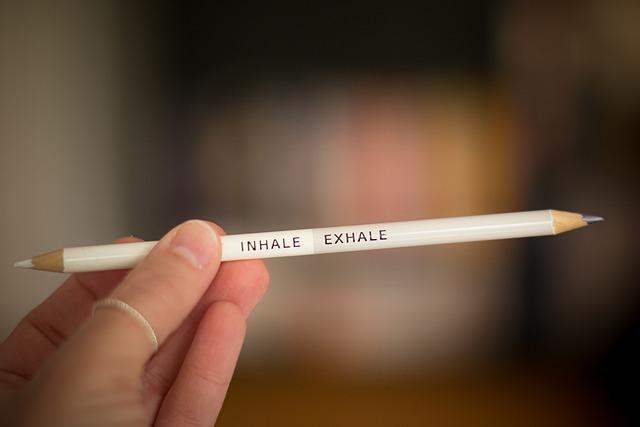
Simple Breathing Techniques for Instant Anxiety Relief
Introduction
Anxiety is recognized as one of the most prevalent mental health conditions worldwide, affecting over 284 million people globally as of 2017, according to the World Health Institution (WHO). In today’s fast-paced world, stressors are ubiquitous-ranging from work pressure and academic concerns to social obligations and economic uncertainty. Acute anxiety can manifest rapidly, characterized by physiological symptoms such as rapid heart rate, hyperventilation, muscle tension, and impaired mental clarity. Left unaddressed, chronic anxiety can predispose individuals to comorbid conditions, including cardiovascular disease, metabolic syndrome, and depression [NIH].
Pharmacological intervention and psychotherapy remain mainstays in the therapeutic management of anxiety disorders; though,non-pharmacological interventions,particularly simple,scientifically validated breathing techniques,are emerging as efficacious,low-risk,and cost-effective adjuncts. Multiple clinical trials and meta-analyses published in peer-reviewed medical journals have corroborated the effectiveness of controlled breathing in mitigating acute anxiety, providing near-instantaneous relief and contributing to improved long-term outcomes [Harvard Health].

This complete article will explore the physiology of anxiety, the science behind breathwork, and provide a step-by-step guide to the most effective breathing techniques for immediate anxiety relief-supported by up-to-date evidence from trusted medical sources. Each technique is explained in depth,enabling both healthcare professionals and laypersons to use,recommend,or teach these simple protocols with confidence and precision.
Understanding Anxiety: Pathophysiology and Clinical Manifestations
Anxiety is a normal physiological response to perceived threats. It involves heightened activation of the central and autonomic nervous systems,especially the sympathetic branch (fight-or-flight response).From a pathophysiological perspective, anxiety manifests through increased levels of catecholamines (notably adrenaline and noradrenaline), rapid shallow breathing (tachypnea), and elevated heart rate (tachycardia) [NCBI].
The clinical symptomatology of anxiety is broad. It may include sweating, tremors, gastrointestinal disturbances, and impaired cognitive function, frequently enough severely impacting quality of life.Chronic or poorly-managed anxiety increases allostatic load, thereby elevating the risk of secondary health complications, including hypertension, myocardial infarction, and sleep disorders [Mayo Clinic]. Timely and practical interventions are crucial for long-term prognosis.
The Science of Breathwork: Mechanisms of Action in Anxiety Relief
Breathwork leverages the bidirectional relationship between the respiratory and nervous systems. Slow, controlled breathing stimulates the parasympathetic nervous system via the vagus nerve, counteracting the sympathetic surges characteristic of anxiety disorders. Controlled breathing reduces blood pressure, heart rate, and levels of circulating stress hormones such as cortisol [Harvard Health].
Scientific literature underscores that voluntary modulation of breathing patterns, also known as diaphragmatic breathing or paced respiration, can directly influence the limbic system-the region of the brain responsible for emotional regulation [PubMed]. Evidence from randomized controlled trials suggests that even a few minutes of focused breathing can significantly decrease self-reported anxiety levels and physiological stress biomarkers [NIH].
Overview of Simple Breathing Techniques for Anxiety
A multitude of breathing exercises have been clinically studied for their anxiolytic (anxiety-reducing) effects. The most evidence-based and accessible among these include:
- Diaphragmatic (abdominal) breathing
- Box breathing (Square breathing)
- 4-7-8 Breathing
- Resonance breathing (Coherent breathing)
- Alternate nostril breathing (Nadi Shodhana)
These techniques can be employed independently or adjunctively as part of broader therapeutic protocols, including mindfulness meditation, cognitive behavioral therapy (CBT), or yoga. The following sections detail each technique, its physiological basis, clinical evidence, and actionable steps for immediate implementation.
1. Diaphragmatic (Abdominal) Breathing
Diaphragmatic breathing, also known as deep abdominal breathing, is foundational to effective breathwork. It centers on maximizing diaphragmatic excursion, promoting full lung expansion and oxygen exchange. This technique is well-supported by studies demonstrating significant reductions in anxiety scores, heart rate variability improvements, and cortisol balance [NIH].
Physiology and Evidence
By engaging the diaphragm rather than the accessory muscles of respiration, this practice decreases work of breathing and fosters vagal nerve stimulation, promoting relaxation and homeostasis.A meta-analysis in Journal of Clinical Psychology identified diaphragmatic breathing as an effective intervention for both acute and generalized anxiety.
How to Practice diaphragmatic Breathing
- Find a comfortable seated or lying position. Place one hand on the chest and the other on the abdomen, just below the ribcage.
- Inhale slowly through the nose, ensuring the abdomen expands outward (your lower hand should rise while your upper hand remains relatively still).
- Exhale slowly through pursed lips, feeling the abdomen fall.
- Repeat for 5-10 cycles, focusing on the rhythmic movement of the abdomen.
Regular daily practice is recommended for optimal benefits, though even one session can provide instant relief during acute anxiety episodes.
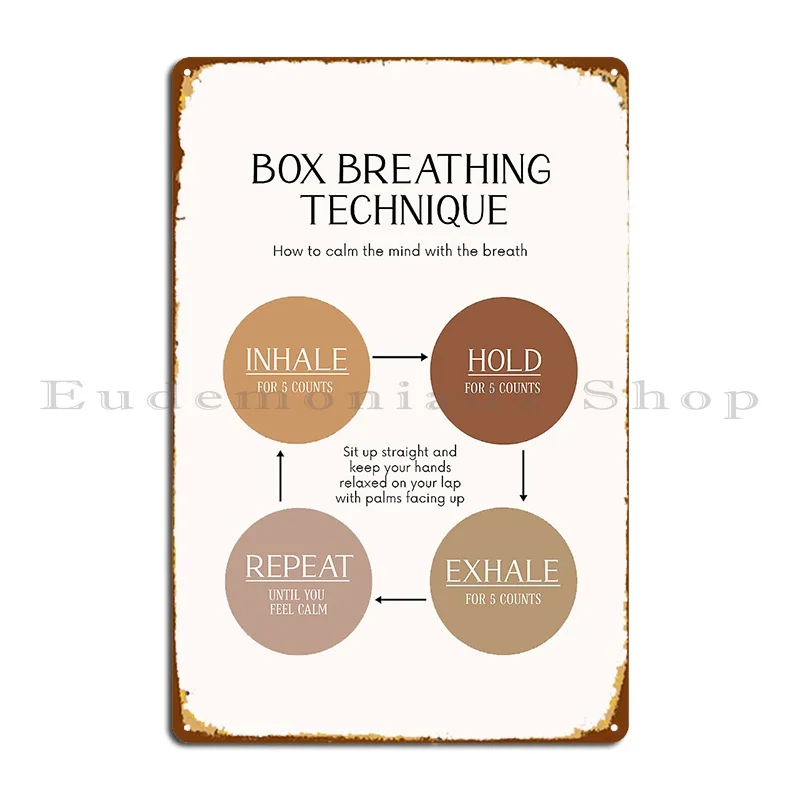
2.Box Breathing (Square Breathing)
Box breathing, or four-square breathing, is a simple yet powerful technique widely utilized by clinicians, athletes, and military personnel to navigate stress and anxiety [Healthline].
Physiology and Evidence
Structured inhalation, breath retention, and exhalation phases balance oxygen and carbon dioxide levels and engage cortical regulatory centers. Studies show that this exercise notably enhances cognitive clarity and reduces subjective anxiety within minutes [NIH].
How to Practice Box Breathing
- Inhale through the nose for a count of 4 seconds.
- Hold the breath for 4 seconds.
- Exhale through the mouth for 4 seconds.
- Hold with empty lungs for another 4 seconds.
- Repeat for 4-10 cycles.
Box breathing is especially efficacious when used preemptively before stressful events, enhancing parasympathetic modulation and emotional regulation.

3. 4-7-8 Breathing Technique
Popularized by Dr. Andrew weil and supported in medical literature, the 4-7-8 breathing technique harnesses the physiology of breath retention to amplify calmness and quell acute stress [Medical News Today].
Physiology and Evidence
This pattern extends the exhalation phase, which promotes enhanced parasympathetic activity. Clinical trials show that this method is associated with improvements in subjective and physiological anxiety markers,such as heart rate variability and electrodermal activity [JAMA Psychiatry].
How to Practice 4-7-8 Breathing
- Inhale gently through the nose for a count of 4.
- Hold your breath for a count of 7.
- Exhale slowly and completely through the mouth for a count of 8.
- Repeat up to four times,increasing as proficiency develops.
4-7-8 breathing is particularly useful for individuals experiencing sleep disturbances secondary to anxiety.
4. Resonance Breathing (Coherent Breathing)
Resonance breathing, or coherent breathing, refers to slowing the breath to a rate of about 5-6 breaths per minute-identified as the respiratory rate that maximizes heart rate variability and vagal tone [Psychology Today].
Physiology and Evidence
Heart rate variability (HRV) is an established biomarker for autonomic nervous system balance; higher HRV correlates with reduced anxiety and improved prognosis [NIH]. Resonance breathing has been studied in patients with anxiety disorders, PTSD, and cardiac arrhythmia, routinely yielding reductions in state and trait anxiety.
How to Practice Resonance Breathing
- Set a gentle timer or use a paced breathing app to synchronize breaths.
- Inhale slowly through the nose for 5-6 seconds.
- Exhale gently through the mouth for 5-6 seconds.
- Continue for 5-10 minutes, focusing on the rhythm and sound of your breath.
This technique can be practiced multiple times per day to foster emotional stability and autonomic balance.
5. Alternate Nostril Breathing (Nadi Shodhana)
Rooted in yogic practice, alternate nostril breathing (Nadi Shodhana) is supported by both ancient tradition and modern clinical trials for its anxiolytic effects [NIH].
Physiology and Evidence
Nadi Shodhana appears to synchronize hemispheric brain activity, enhance acetylcholine-mediated neural connectivity, and decrease levels of stress-related hormones. These neurophysiological effects are linked to reductions in anxiety, improvements in attention, and better overall autonomic regulation [Healthline].
How to Practice Alternate Nostril Breathing
- Sit upright in a comfortable position.
- close the right nostril with your right thumb and inhale through the left nostril.
- Close the left nostril with your ring finger, release your thumb, and exhale through the right nostril.
- Inhale through the right nostril, close it with your thumb, and exhale through the left nostril.
- Repeat for 5-10 cycles.
Ensure each inhalation and exhalation is quiet, smooth, and controlled. This technique is particularly beneficial in promoting calmness before possibly stressful events such as presentations or exams.
Evidence-Based Benefits of Breathing Techniques for Anxiety
Meta-analyses and systematic reviews substantiate the use of structured breathing exercises as adjuncts or alternatives to medical therapies in the management of both acute and chronic anxiety disorders [NIH]. The most consistently reported physiologic effects include:
- Reduced salivary and plasma cortisol levels-the major stress hormones [Harvard Health]
- Improved heart rate variability and baroreflex sensitivity-a marker of autonomic tone [NIH]
- Significant declines in state and trait anxiety,as measured by standardized inventories [JAMA Psychiatry]
- Enhanced sleep quality and cognitive performance [NIH]
- Decreased frequency and severity of anxiety-related panic attacks [Mayo Clinic]
Breathing techniques are non-invasive, require minimal training, and have no pharmacological side effects, making them accessible to a wide range of individuals-including those with medication contraindications or polypharmacy concerns.
common Pitfalls and Precautions
While breathing exercises are generally safe, there are several scenarios where caution or medical supervision is warranted:
- Individuals with severe respiratory diseases (e.g., COPD, asthma) should consult a healthcare professional before initiating new breathing routines.
- Some may experience transient lightheadedness or dizziness, especially during initial attempts. It is indeed advisable to practice seated or lying down.
- Hyperventilation syndrome may paradoxically worsen with improper technique; thus,adherence to slow,controlled breaths is essential [Mayo Clinic].
Careful instruction, self-monitoring, and gradual progression are recommended to ensure safety and efficacy.
Integrating Breathing Techniques into Daily Life
The utility of breathing exercises is maximized when they are seamlessly integrated into the daily routine.Recommended strategies include:
- Allocating 5-10 minutes at the start or end of the day to formal breathwork practice.
- Using time-triggers (e.g., during commute, pre-meeting) to reinforce spontaneous request during acute stress events.
- Pairing breathwork with complementary modalities such as progressive muscle relaxation, mindfulness-based stress reduction, or meditative movement (e.g., yoga or tai chi) [NIH].
Simple tracking of subjective anxiety levels before and after each session can enhance motivation and provide objective feedback of progress.
Additional Resources and Professional Support
Several digital health tools and breathing apps-validated by clinical and academic partners-are available to assist beginners and experienced users alike. Examples include:
- Breathwrk (structured guided breathing exercises)
- Calm (breath and meditation timers)
- Headspace (mindfulness programs)
For persistent or severe anxiety, professional evaluation by licensed mental health providers is essential. Multimodal approaches-combining pharmacological,psychotherapeutic,and behavioral strategies-often provide the strongest long-term prognosis [NIMH].
Conclusion
Anxiety is a complex, multifactorial condition with significant implications for both physical and psychological health. Simple, evidence-based breathing techniques offer effective, immediate relief and are validated by an extensive body of peer-reviewed research. By understanding the underlying neurophysiology, recognizing evidence-based practices, and applying these techniques as part of a holistic anxiety management plan, both healthcare professionals and individuals can actively contribute to improved mental well-being and quality of life.
For more information or professional guidance on managing anxiety, visit resources such as the National Institute of Mental Health, Mayo Clinic, or consult your primary care provider.