

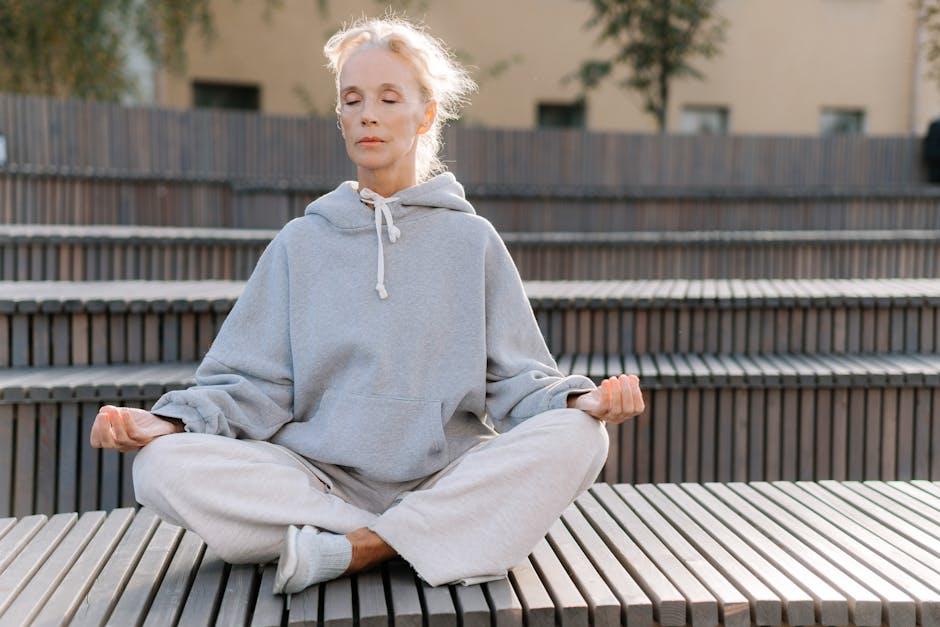
Can Meditation Really Help With Chronic Stress?
Introduction
Chronic stress has become a pervasive public health challenge affecting millions worldwide. Long-term stress exposure is now recognized as a key driver of both mental and physical health disorders, considerably increasing the burden of disease across populations. According to the Centers for Disease Control and Prevention (CDC), chronic stress is linked to cardiovascular disease, diabetes, depression, anxiety, and weakened immune function. as conventional treatments often provide incomplete relief or carry potential side effects,there is growing interest in complementary approaches such as meditation. This comprehensive review critically examines whether meditation can meaningfully help manage chronic stress,synthesizing the latest clinical,neurobiological,and public health evidence.
Defining Chronic Stress: Mechanisms and Impact
Chronic stress occurs when an individual experiences continuous or repeated exposure to stressors, leading to sustained activation of the hypothalamic-pituitary-adrenal (HPA) axis and sympathetic nervous system. This persistent state of arousal triggers excessive cortisol and adrenaline secretion, resulting in harmful physiological and psychological changes. Symptoms of chronic stress include irritability, fatigue, sleep disturbances, impaired concentration, and somatic complaints—often overlapping with anxiety and depressive disorders (NIMH).
Long-term activation of the stress response system is associated with:
- Cardiovascular pathology (e.g., hypertension, myocardial infarction)
- Metabolic syndrome, diabetes
- Weakened immunity and increased susceptibility to infections
- Accelerated cellular aging (telomere attrition)
- Cognitive decline and increased Alzheimer’s risk
- Mood disorders and burnout
For detailed background on the pathophysiology of stress, visit the Harvard Health Publishing overview of stress response.
Overview of Meditation: Types and Past Context
Meditation comprises a diverse range of mind-body practices rooted in contemplative traditions and increasingly integrated into modern medicine. The primary forms relevant to stress management include:
- Mindfulness Meditation: Focuses on nonjudgmental awareness of the present moment.
- Transcendental Meditation: Uses silent repetition of a mantra to achieve a restful alertness.
- loving-kindness (Metta) Meditation: Cultivates compassion and positive emotional states.
- Zen and Vipassana: Concentrative and insight-oriented meditative disciplines.
- Guided Meditation and Body Scans: Utilizes imagery or systematic attention to bodily sensations.
Current medical research focuses mainly on standardized protocols like Mindfulness-Based Stress Reduction (MBSR) and Mindfulness-Based Cognitive Therapy (MBCT). To explore meditation’s history, see the NCBI history of meditation as a therapeutic intervention.
How Does Meditation Work? The Biological and Psychological Mechanisms
Scientific inquiry into meditation’s effects has intensified in recent decades, with advances in neuroimaging and psychoneuroimmunology providing new insights. Evidence suggests meditation may:
- Normalize HPA axis activity and reduce baseline cortisol levels (PubMed).
- Decrease autonomic arousal—lowering heart rate, blood pressure, and sympathetic tone.
- Enhance prefrontal cortex activation, strengthening emotional regulation (JAMA Psychiatry).
- Foster neuroplastic changes associated with resilience and adaptive coping.
- Reduce inflammatory markers like C-reactive protein and promote immune balance (NIH PubMed).
- Mitigate maladaptive rumination and cognitive distortions linked to chronic anxiety and depressive symptomatology.
A meta-analysis from JAMA Internal Medicine found moderate evidence that mindfulness meditation improves anxiety, depression, and pain compared to controls.
Summary Table: meditation’s effects on Stress-Related Biomarkers
| Biomarker/Outcome | Effect of Meditation | Key Source |
|---|---|---|
| Cortisol (salivary/plasma) | Reduces baseline and reactivity levels | PubMed |
| Blood Pressure | Lowered systolic and diastolic values | CDC |
| Heart Rate Variability | Improved (indicator of reduced stress response) | NIH PMC |
| Inflammatory Markers (e.g., IL-6, CRP) | Reduction in pro-inflammatory markers | ScienceDirect |
| Brain Function (fMRI) | Enhanced prefrontal, decreased amygdala activation | NIH PMC |
Main Article Image

The Clinical Evidence: Meditation and Chronic Stress
Randomized Controlled Trials (RCTs) and Meta-Analyses
Robust evidence from RCTs demonstrates that meditation can lead to modest, sustained reductions in perceived stress, especially in those with chronic or high-stress profiles. Research highlights:
- A 2018 systematic review (JAMA Internal Medicine) encompassing 142 studies found that mindfulness-based programs reliably reduced overall stress scores, with effect sizes comparable to pharmacological and psychotherapeutic interventions.
- The NIH-funded MBSR trials show important improvements in subjective well-being, anxiety, and stress reactivity lasting 6-12 months intervention.
- A 2020 meta-analysis in The Lancet Psychiatry confirmed that both guided and self-directed meditation reduce stress, depression, and fatigue in diverse settings, including among health care workers.
Real-world and Longitudinal Studies
Population studies show that regular meditation practice is associated with lower markers of chronic distress and improved quality of life.For example, a cohort analysis published by the NIH involving 3,500 adults found habitual meditators had decreased self-reported stress and fewer stress-related sick days.
Additionally, meditation has been shown to reduce workplace stress and burnout, particularly in high-stress professions such as healthcare, education, and corporate roles (NIH PMC). Manny hospital systems and corporations are now integrating mindfulness and meditation programs to improve employee well-being and resilience.
Meditation in the Context of Chronic Stress-Related Diseases
Chronic stress frequently co-occurs with and worsens several common medical diseases. A growing body of evidence indicates meditation can benefit:
- Cardiovascular Disease: Meditation is associated with reduced blood pressure, cardiac reactivity, and risk factors (American Heart Association).
- Mood and Anxiety Disorders: Meditation augments standard psychiatric care, improving outcomes in major depressive disorder and generalized anxiety (NIH PMC).
- Immune-Related Conditions: Interventions like MBSR may improve immune function in conditions triggered or worsened by stress such as psoriasis or irritable bowel syndrome (NIH PMC).
- Chronic Pain Syndromes: Mindfulness and meditation interventions help decrease pain perception and associated distress, as recognized in CDC pain management guidelines.
Potential Benefits: beyond Symptom Relief
In addition to reducing subjective stress, meditation offers multidimensional health benefits:
- improved cognitive Function: Evidence points to enhanced attention, memory, and executive function with ongoing practice (Harvard Health).
- Better emotional Regulation: Increased positive affect, reduced emotional reactivity, and improved coping mechanisms.
- Sleep Quality: Meditation-based interventions improve sleep onset latency and reduce insomnia symptoms (NIH PMC).
- Lower Healthcare Utilization: Studies suggest regular meditators have fewer medical visits for stress- and anxiety-related complaints.
See the Mayo Clinic’s overview of physical and mental health benefits of meditation.
Who Benefits Moast? Indications and Evidence-Based Recommendations
Clinical guidelines currently recommend meditation as a complementary therapy for individuals who:
- Experience chronic or situational stress unresponsive to initial self-care or lifestyle measures.
- Have comorbid anxiety, depression, mild hypertension, or sleep disturbances.
- Are at high risk for cardiovascular or metabolic syndrome due to stress.
- Are seeking non-pharmacological or adjunctive therapies while avoiding medication side effects or dependency.
According to the NIH National Center for complementary and Integrative Health (NCCIH), meditation is generally safe when practiced as instructed and is especially suitable for those unable to tolerate medication or psychotherapy.
Limitations and Risks: What Meditation Cannot Do
While meditation offers meaningful benefits,it is not a cure-all,nor a substitute for evidence-based medical care in cases of severe psychiatric disease or trauma. Some limitations and concerns include:
- Individual Response: Not all people respond equally; genetic, psychological, and lifestyle factors mediate effectiveness.
- Adherence and Practice Consistency: Benefits depend on regular, sustained practice; short-term or occasional usage yields modest effects.
- Psychoactive Symptoms: Rarely, meditation may unmask latent psychiatric symptoms, such as dissociation or anxiety in vulnerable individuals (Harvard Health Blog).
- Lack of standardization: outcome variability across studies reflects differences in meditation type, training, and practitioner expertise.
For certain medical or psychiatric presentations, therapy or pharmacological treatment should remain first-line (NIMH mental Health medications).
Integrating Meditation Into Clinical Practice: Practical Guidance
Healthcare professionals increasingly recommend integrating meditation into personalized chronic stress management plans. Key recommendations include:
- Adopting structured programs such as Mindfulness-Based Stress Reduction (MBSR) or Mindfulness-Based Cognitive Therapy (MBCT), which are widely validated and available in medical settings.
- Referring patients to trained instructors or accredited online platforms for guidance and accountability (Medical news Today: How to Start Meditation).
- targeting practice frequency: Most studies recommend 10–30 minutes of daily, formal meditation for sustained effects.
- Incorporating mindfulness tools into daily routines—such as mindful breathing during work breaks, body scans before sleep, and brief self-compassion exercises during acute distress.
- Monitoring patient outcomes and adapting protocols to maximize engagement and benefit.
For self-help resources and guided meditations, consider reviewing the NCCIH’s online meditation resources.
Future Directions: Emerging Research and Innovations
Emerging research is exploring how digital interventions, mobile apps, and biofeedback technologies can extend meditation’s reach and personalize stress reduction (JAMA Network Open). Functional imaging and biomarker studies are mapping neuroanatomical changes and objective stress reductions, while new clinical trials are investigating effectiveness in high-risk groups and chronic disease populations. As the understanding of mind-body interactions deepens, meditation is likely to become an increasingly standardized component of holistic, evidence-based healthcare (Harvard Health: Mindfulness meditation practice).
Conclusion: Can Meditation Really Help With Chronic Stress?
Substantial and growing scientific literature supports meditation’s role as an effective, evidence-based adjunct in the management of chronic stress. The benefits—while modest for some—extend to stress reduction, emotional regulation, cognitive function, and physical well-being. Meditation is safe for most, readily accessible, and empowers individuals to take an active role in stress management. however, it should be integrated thoughtfully as part of a broader treatment plan tailored to each individual’s needs and comorbidities, rather than as a standalone cure. Collaboration between patients, clinicians, and skilled meditation practitioners offers the best path to meaningful, sustained relief from chronic stress.
Frequently Asked Questions (FAQ)
- How soon can benefits be noticed? Many people report reduced stress after just a few meditation sessions, but sustained practice is required for long-term and cumulative effects (Healthline).
- Is meditation effective for everyone? No intervention works for everyone. Individual results vary based on genetics, underlying health, trauma history, and the specific meditation approach.
- Can meditation replace medication? Meditation can complement but not replace evidence-based psychiatric or medical interventions for severe conditions. Always consult your healthcare provider before altering any treatment regimen.
- Where can I learn more? reputable starting points: NHS Mindfulness and Meditation resources, NIH NCCIH Meditation guide.
References
- CDC: Work, Stress, and Health and Socioeconomic Status
- Neurobiological Mechanisms of Stress
- Harvard Health: understanding the stress response
- Mindfulness-Based Stress Reduction: A Literature Review and Managerial Implications
- JAMA Internal Medicine: Meditation Programs for Psychological Stress and Well-being
- NCCIH: Meditation in-Depth
- Effect of Meditation-based Interventions on Perceived Stress
- American Heart Association: Meditation and Cardiovascular Risk reduction
- Effects of Mindfulness Interventions in Anxiety and Depression
- Mayo Clinic: Meditation: A Simple, Fast Way to Reduce Stress