



How to Tell If You Have a hidden Vitamin D Deficiency
Introduction
Vitamin D, often referred to as the “sunshine vitamin,” is foundational to human health, influencing a spectrum of physiological processes far beyond its traditional role in bone metabolism. Yet, vitamin D deficiency remains a common adn underdiagnosed public health concern globally, even among seemingly healthy individuals. According to the World Health Association (WHO) and data from the Centers for Disease Control and Prevention (CDC), suboptimal levels of vitamin D may effect 30-80% of adults worldwide, depending on geographic region and population subgroup. The insidious nature of a “hidden” or subclinical deficiency means many experience vague, non-specific symptoms-or none at all-needlessly increasing risk for chronic disease, impaired immune function, and decreased quality of life.
This comprehensive,evidence-based article will empower you with practical and clinically relevant knowledge to identify potential hidden signs of vitamin D deficiency,understand its causes and risk factors,distinguish vague symptoms,and navigate the steps toward accurate diagnosis and effective management.
Understanding Vitamin D: Biology, Sources, and Function
What is Vitamin D?
Vitamin D is a fat-soluble prohormone present in two main forms: D2 (ergocalciferol, derived from plant sources) and D3 (cholecalciferol, synthesized in human skin and present in some animal-derived foods). Both forms are metabolized in the liver to 25-hydroxyvitamin D (25(OH)D), the primary circulating form used to assess vitamin D status. The biologically active hormone, 1,25-dihydroxyvitamin D (calcitriol), is afterward produced in the kidneys and mediates vitamin D’s physiological effects.
Key Biological Roles
- Calcium and phosphorus homeostasis: regulates intestinal absorption, basic to bone mineralization and remodeling (NIH).
- Immune modulation: Enhances innate immunity and modulates adaptive response, reducing risk of infections and autoimmune conditions (PubMed).
- Muscle function: Essential for muscle contraction and strength.
- cell growth regulation: Involved in cell proliferation, differentiation, and apoptosis, with implications for cancer prevention.
Sources of Vitamin D
- Sunlight: Ultraviolet B (UVB) rays trigger synthesis in the skin.
- Diet: Fatty fish (salmon, sardines), egg yolk, fortified foods (milk, cereals), and supplements.
For a detailed breakdown of vitamin D-rich foods, visit Healthline: Foods High in Vitamin D.
Epidemiology and Risk Factors: Who Is at Risk?
Despite easy access to sun and food fortification,vitamin D deficiency disproportionately affects certain groups. Understanding epidemiological patterns and risk factors is pivotal to identifying those most susceptible to a hidden deficiency.
Population-Based Prevalence Data
- JAMA estimates that 41.6% of U.S. adults have insufficient vitamin D levels.
- Markedly higher rates are reported in the middle east,Northern Europe,and urban populations with limited sunlight (NCBI).
High-Risk Groups
- Older adults: Reduced skin synthesis, dietary intake, and renal conversion.
- Individuals with darker skin: Melanin blocks UVB absorption.
- People with limited sun exposure: Indoor lifestyles, high latitudes, use of sunscreen, or religious/cultural clothing.
- malabsorption syndromes: Celiac disease, Crohn’s disease, gastric bypass.
- Obesity: vitamin D sequestered in adipose tissue,lowering bioavailability (PubMed).
- chronic kidney or liver disease: Impaired conversion to active form.
- Breastfed infants: Especially if the mother is vitamin D deficient.
More details on populations at risk can be found through the Office of Dietary Supplements, NIH.
Why Is “Hidden” Vitamin D Deficiency Common?
Unlike acute deficiencies that cause characteristic diseases like rickets (in children) or osteomalacia (in adults), “hidden,” subclinical, or mild vitamin D deficiency often manifests with non-specific or subtle symptoms. This makes detection challenging.
The body’s compensatory mechanisms may mask biochemical imbalances for months or years. only persistent, severe, or prolonged deficiency results in overt clinical signs. Consequently, many cases go undiagnosed until chronic complications-such as osteoporosis or increased fracture risk-arise (Mayo Clinic).
Certain populations-such as the elderly, the institutionalized, those with limited outdoor activity, or with predisposing conditions-are especially vulnerable to an unrecognized deficiency.
Symptoms and Clinical Manifestations: the Silent Signs
symptoms of vitamin D deficiency are often vague, non-specific, and easily mistaken for other common ailments. Recognizing the patterns-especially if persistent,unexplained,and present despite lifestyle modifications-is crucial for timely intervention.
Musculoskeletal Symptoms
- Bone pain and tenderness: Often in the lower back, hips, or legs.Chronic deficiency impairs bone remodeling, raising fracture risk (Harvard Health).
- Muscle weakness and cramps: Resulting from calcium imbalance and reduced muscle fiber integrity. “Proximal” (closer to trunk) muscle weakness is more specific.
- Frequent falls: Notably among older adults.
Systemic and Non-specific Symptoms
- Fatigue and low energy: Persistent tiredness or sense of malaise, even with adequate sleep.
- Low mood or depression: Evidence links low vitamin D status to mood disorders, seasonal affective disorder, and cognitive dysfunction (NCBI).
- Impaired wound healing: slower recovery from injuries, oral ulcers, or infections.
- Hair loss: Chronic deficiency may contribute to alopecia areata (Healthline).
- Increased infections: Recurrent colds, respiratory infections, or influenza (BMJ).
Specific Manifestations in Children
- Delayed growth
- Rickets: Skeletal deformities, bowing of the legs.
- Irritability and developmental delays
Chronic Disease Associations
- Osteoporosis and fracture risk
- Autoimmune diseases: Multiple sclerosis, type 1 diabetes, rheumatoid arthritis
- Cardiovascular disease
See the Medical News Today: Vitamin D Deficiency Symptoms for a thorough symptom discussion.
Scientific Evidence: Problems Linked to Vitamin D Deficiency
A growing compendium of peer-reviewed studies emphasizes the health cost of unrecognized vitamin D deficiency.
- Bone and muscle: Low vitamin D is a recognized risk for osteoporosis, sarcopenia, and falls (JAMA Network).
- Infection and immunity: Supplementation may reduce incidence of respiratory infections and influenza (PubMed).
- Cardiovascular health: Observational studies link low vitamin D with hypertension and increased risk of cardiovascular events, though causality remains debated.
- Neurocognitive health: associations with cognitive decline and dementia.
Extensive meta-analyses are available from The Lancet.

How Is Vitamin D Deficiency Diagnosed?
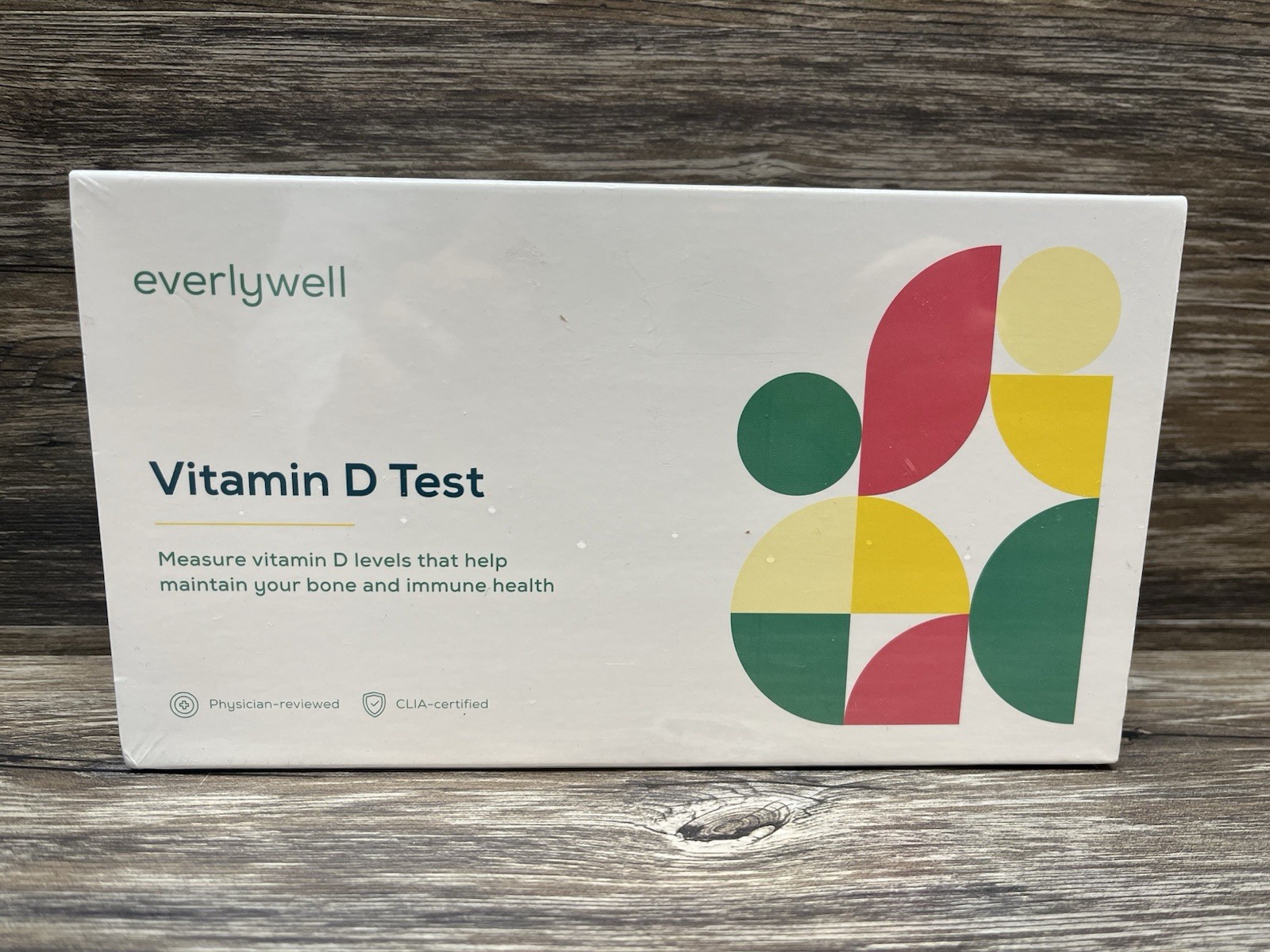
Because symptoms are non-specific, formal diagnosis relies on laboratory testing.If you fall into a high-risk category or have recovery-resistant symptoms, discuss screening with a licensed healthcare professional.
Serum 25(OH)D – The Gold Standard
The most reliable biomarker is the serum 25-hydroxyvitamin D [25(OH)D] concentration, as recommended by the NHS, NIH, and USDA.
key diagnostic ranges are:
| 25(OH)D Level (ng/mL) | Interpretation |
|---|---|
| <12 | Severe deficiency |
| 12-20 | Deficiency |
| 20-30 | Inadequate/Insufficient |
| 30-50 | Sufficient (optimal) |
| >50 | Possible toxicity |
For SI units, 1 ng/mL ≈ 2.5 nmol/L.
Further testing (e.g., serum calcium, phosphate, PTH, ALP) may be indicated in complex cases or to identify underlying pathologies.
Risk Assessment: Should You Get Tested?
Routine screening for everyone is not currently recommended. The US Preventive Services Task Force advocates targeted screening for:
- Individuals with symptoms suggestive of deficiency (see above)
- High-risk populations (see risk factors section)
- People with osteoporosis, malabsorption syndromes, or chronic kidney disease
- Infants exclusively breastfed
Talk to your healthcare provider to assess your personal risk and appropriateness for testing.
Self-Assessment Checklist: spotting hidden Deficiency
While laboratory testing is essential for diagnosis, you can use the following evidence-based self-assessment as a guide. If you answer “yes” to two or more questions, discuss the possibility of screening with your doctor:
- Do you spend most of your time indoors or live in a northern climate?
- Is your skin dark, or do you regularly use sunscreen or cover your skin for religious/cultural reasons?
- Are you over 65 years old?
- Do you suffer from unexplained muscle aches, bone pain, or frequent falls?
- Have you experienced recurrent respiratory infections?
- Do you have chronic fatigue or low mood without clear cause?
- Do you have a gastrointestinal disorder (e.g., celiac, Crohn’s) or have you undergone gastric bypass?
- Are you obese (BMI ≥ 30)?
- Are you pregnant, breastfeeding, or have you recently had a baby?
no checklist can replace medical evaluation, but it can help identify when to seek professional advice.
Practical Strategies: Prevention and Management
Management of vitamin D deficiency is individualized and guided by the degree of deficiency, clinical context, and comorbid health conditions. Global recommendations for most age groups and risk categories are available from the NIH Office of Dietary Supplements.
Dietary Recommendations
- Adults 19-70 years: 600 IU (15 mcg) daily
- Adults over 70 years: 800 IU (20 mcg) daily
- Pregnant or lactating women: 600 IU (15 mcg) daily
Certain individuals may require higher doses,especially in the presence of established deficiency (Healthline).
Sunlight Exposure
Brief (5-30 minutes) exposure of arms and legs to midday sunlight several times per week can significantly improve vitamin D status, but skin cancer risk or latitude may limit practical application. always balance sun safety and skin protection guidelines (CDC).
Supplementation
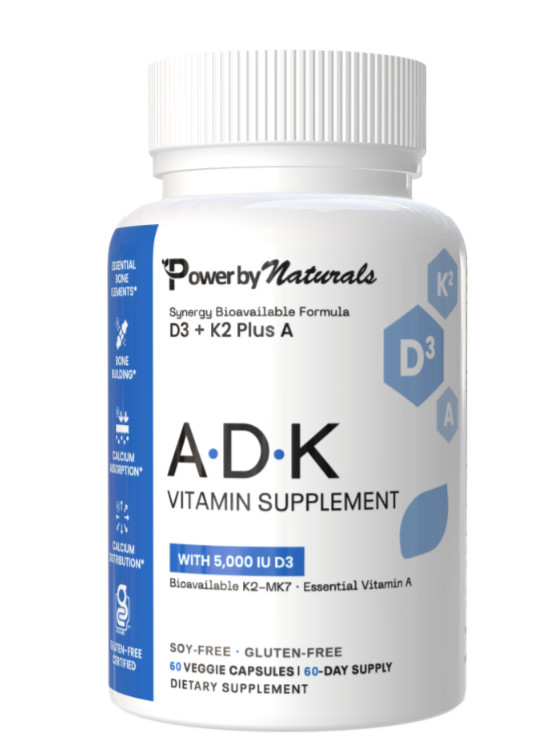
For individuals at risk of, or confirmed to have, deficiency, oral vitamin D3 (cholecalciferol) supplementation is safe, effective, and widely recommended. Dosages must be tailored to biochemical needs and under medical supervision.
Excessive intake carries risk for toxicity-manifesting as hypercalcemia, nephrocalcinosis, and vascular calcification. Always adhere to medical advice and discontinue supplementation if toxicity is suspected (FDA).
Dietary Optimization
- Include naturally rich sources: salmon, tuna, sardines, mackerel, egg yolks
- Opt for fortified products: milk, cereal, orange juice
See MedlinePlus: Vitamin D in diet for more.
Special Considerations
- Individuals with chronic malabsorption may need prescription-strength doses or intramuscular preparations.
- Infants require vitamin D drops if exclusively breastfed.
- Patients with kidney disease may need the active hormone (calcitriol).
When to Seek Medical Help
If you have persistent,unexplained symptoms-even subtle ones such as muscle pain,fatigue,or frequent infections-or belong to a high-risk group,professional evaluation is essential.Always seek advice before starting high-dose supplementation or if you have chronic health conditions impacting vitamin D metabolism.
For more information or to find a healthcare provider, consult the Mayo Clinic Patient Resources.
Frequently Asked Questions (FAQ)
How quickly can vitamin D deficiency develop?
Deficiency can develop over months, especially if factors like seasonality, reduced sun exposure, or dietary restriction occur together. Chronic underlying conditions accelerate risk.
Can vitamin D deficiency cause anxiety or cognitive symptoms?
Emerging evidence links low vitamin D status with neurocognitive impairment, depression, and anxiety (NCBI). However, more research is needed to establish causation.
Is it possible to get too much vitamin D?
Yes; although rare, excessive supplementation can lead to toxicity, manifesting as hypercalcemia and renal complications (NHS).
Which is better: vitamin D2 or D3?
Vitamin D3 (cholecalciferol) is generally preferred for supplementation due to greater efficacy in raising and maintaining serum 25(OH)D levels (NCBI).
conclusion: Takeaway for Better Health
Vitamin D deficiency remains a frequently overlooked but medically significant disorder. Given its prevalence-even among or else healthy and active individuals-vigilance for subtle clinical signs and judicious evaluation of risk factors are warranted. Early recognition and intervention can prevent debilitating consequences for bone, muscle, neurological, and immune health.
If you suspect you might potentially be at risk, seek professional advice for a formal assessment. Addressing a latent vitamin D deficiency is a vital, evidence-based investment in both immediate wellbeing and long-term disease prevention.
For more detailed guidance,visit the NIH Vitamin D Fact Sheet or consult your local healthcare provider.
References
- World Health Organization: Vitamin D Deficiency
- CDC: Vitamin D Fact Sheet
- Mayo Clinic: Vitamin D Deficiency
- Healthline: Vitamin D Deficiency Symptoms
- NIH Office of Dietary Supplements: Vitamin D
- The Lancet: Vitamin D Deficiency – Review