
What to Know About the Connection Between Gut Health and Mood
Introduction
In recent years, scientific interest in the connection between gut health and mood has intensified. Global health trends indicate a steady rise in the prevalence of mental health disorders such as depression and anxiety, with the World Health association (WHO) reporting that over 280 million people worldwide suffer from depression alone (WHO). Concurrently, advances in gastroenterological research have revealed the gut as a critical player not only in digestive function, but also in mental well-being. This emerging branch of research — bridging psychiatry and gastroenterology — explores the “gut-brain axis,” a bidirectional interaction system intensive to neurochemistry, immune function, and emotional regulation. Understanding this intrinsic link holds the promise of novel therapeutic strategies, enhanced patient outcomes, and preventative health approaches.
Understanding Gut Health: Anatomy and Physiology
The Gastrointestinal (GI) tract and Its Functions
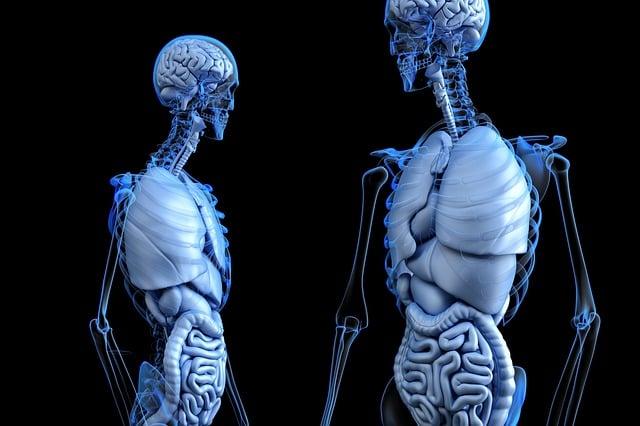
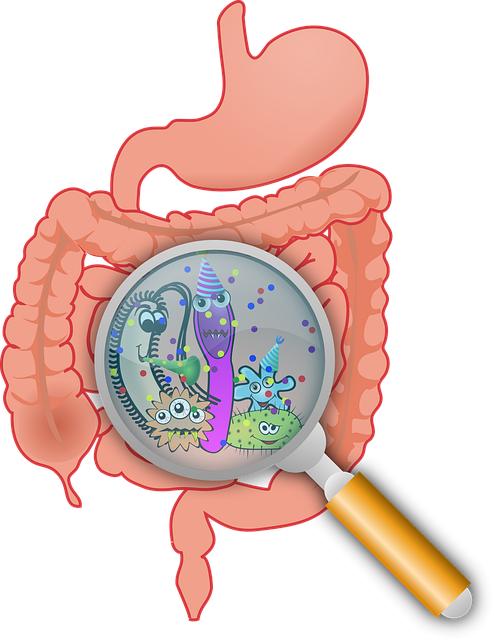
The human gut, comprised primarily of the stomach, small intestine, large intestine (colon), and accessory organs, plays a crucial role in digestion, absorption of nutrients, immune defense, and the synthesis of essential compounds. The gut contains an estimated 100 trillion microorganisms — a complex ecosystem frequently enough referred to as the gut microbiota or microbiome (Nature).
The Gut Microbiome: A Living Ecosystem
The gut microbiota is composed of bacteria, viruses, fungi, and protozoa, with bacterial species being the most abundant. These microorganisms perform a wide array of functions, such as breaking down dietary fiber and producing short-chain fatty acids (SCFAs), which are vital for intestinal health and systemic immunity (NCBI). Alterations in the microbial composition, also known as dysbiosis, have been implicated in various chronic diseases, including inflammatory bowel disease, obesity, and even psychiatric disorders.
The Brain-Gut Axis: Structure and Mechanisms
Definition and Components
The brain-gut axis — sometimes called the gut-brain-microbiota axis — refers to a bidirectional communication network that links the central nervous system (CNS) and the enteric nervous system (ENS).The ENS, frequently enough dubbed the “second brain,” consists of over 100 million neurons embedded within the gut wall (NCBI Bookshelf).
- Neural pathways: Primarily the vagus nerve facilitates transmission of signals between the gut and brain.
- Endocrine System: Hormones and neuropeptides (such as serotonin, cortisol, and ghrelin).
- Immune System: Cytokines and immune cells mediate inflammation and immune tolerance.
- Microbiome-Derived Metabolites: Including SCFAs, tryptophan metabolites, and bile acids.
This complex axis regulates notable physiological functions, including motility, appetite, neurotransmitter production, and even behavior (Nature Reviews Microbiology).
How Gut Health Influences Mood and Mental Health
The Role of Neurotransmitters
The gut is a major site of neurotransmitter production, including approximately 90% of the body’s serotonin, a key regulator of mood, anxiety, and happiness (Harvard Health). Othre neurotransmitters, such as dopamine and gamma-aminobutyric acid (GABA), are also synthesized or modulated by gut microbes.
Microbiota and Inflammation
Gut dysbiosis can trigger systemic inflammation through increased intestinal permeability (“leaky gut”), allowing bacterial endotoxins (e.g., lipopolysaccharides) to enter the bloodstream and provoke a neuroinflammatory response. Chronic, low-grade inflammation has been linked to the pathophysiology of depression, anxiety, and neurodegenerative diseases (NCBI).
Stress and the Hypothalamic-Pituitary-Adrenal (HPA) axis
The HPA axis governs the release of cortisol — the body’s primary stress hormone. Stress-induced changes in gut microbiota can dysregulate the HPA axis, leading to altered stress responses and increased risk for mood disorders (NCBI).
Key Scientific Evidence Supporting the Gut-Mood Link
Animal Studies
Animal models have shown that germ-free mice (lacking gut microbiota) exhibit altered behavioral responses to stress and reduced anxiety. Microbiota transplant experiments further verify that introducing “healthy” gut bacteria can restore normal behavior, highlighting the microbiome’s impact on mood regulation (Nature).
human Research and Clinical Trials
Several randomized controlled trials and cohort studies in humans support these findings. Gut microbiome composition has been shown to differ substantially between individuals with depression and healthy controls (Molecular Psychiatry). Probiotic and prebiotic supplementation in both adults and children has demonstrated betterment in mood, reduced anxiety, and even cognitive enhancement with certain strains of bacteria (JAMA psychiatry).
Case Studies and Observational Data
Observational studies indicate that individuals with functional gastrointestinal disorders, such as irritable bowel syndrome (IBS), often face higher rates of anxiety and depression, suggesting a bidirectional relationship between gut symptoms and mental health (Gastroenterology).
Factors Affecting Gut Health and Mood
Diet and nutrition
Diet is a major determinant of gut microbial diversity and balance. Diets high in refined sugars, saturated fats, and ultra-processed foods have been linked to reduced diversity and increased inflammation, both risk factors for depression and anxiety (Harvard Health). conversely, high-fiber foods, fermented products, and omega-3 fatty acids promote beneficial microbial species and support mental well-being.
Medications
Antibiotics, proton pump inhibitors (PPIs), non-steroidal anti-inflammatory drugs (NSAIDs), and certain antidepressants can disrupt the gut microbiome and influence mood (NHS).
Chronic Stress
Persistent psychological stress alters gut motility, permeability, and microbial profiles, increasing susceptibility to both gastrointestinal and mental health disorders (NCBI).
Sleep and Circadian Rhythm
Disrupted sleep patterns have been shown to negatively impact gut microbial diversity and are associated with increases in depressive symptoms (NCBI).
Physical Activity
Regular moderate exercise increases the abundance of health-promoting bacterial strains and reduces inflammation, supporting both gut health and mood stability (NCBI).
Common Disorders Linking Gut and Mood
Irritable Bowel Syndrome (IBS) and Mood
IBS is a functional GI disorder characterized by abdominal pain, bloating, and altered bowel habits. It is frequently comorbid with depression and anxiety. Research suggests that gut microbiota alterations and psychological stress are both contributors to IBS pathogenesis and symptomatology (Mayo Clinic).
Inflammatory Bowel Disease (IBD)
IBD, including Crohn’s disease and ulcerative colitis, is associated with significant psychosocial burden. Anxiety and depression are more prevalent in those with IBD, often exacerbating disease progression via immune and neural mechanisms (CDC).
Gut Dysbiosis,Autism,and Neurodevelopment
Emerging research links early-life gut dysbiosis to neurodevelopmental disorders,including autism spectrum disorders (ASD). Children with ASD often present with gastrointestinal disturbances, and changes in microbial composition may influence neuroinflammatory pathways and synaptic advancement (NCBI).
Mental Health Conditions Impacting the Gut
Psychiatric Disorders
Major depressive disorder (MDD), generalized anxiety disorder (GAD), and -traumatic stress disorder (PTSD) are likely to provoke gastrointestinal symptoms or even contribute to the development of gastrointestinal diseases. The stress and neuroendocrine alterations in these conditions significantly affect gut motility, secretion, and inflammation (NCBI).
assessing and Diagnosing Gut-Brain Axis Imbalances
Clinical Evaluation
Healthcare professionals use a combined approach that includes thorough medical history, psychosocial assessment, dietary evaluation, and physical examination. Symptom checklists and validated questionnaires can elucidate connections between gastrointestinal and mood symptoms, helping to guide therapeutic management (Mayo Clinic).
Laboratory and Microbiome Testing
Current microbiome analysis is largely reserved for research contexts,but advanced techniques like 16S rRNA gene sequencing provide insight into microbial diversity and function. Additional tests may include blood markers of inflammation, stool tests, and psychological inventories (Healthline).
Evidence-Based Strategies to Improve Gut Health and Mood
Nutritional interventions
- Fiber-Rich Diet: Emphasizing fruits, vegetables, legumes, and whole grains increases beneficial bacteria and SCFA production (NCBI).
- Probiotics: certain strains of Lactobacillus and Bifidobacterium have shown mood and cognitive benefits in clinical trials (JAMA Psychiatry).
- Prebiotics: Non-digestible food ingredients that selectively stimulate growth or activity of beneficial gut bacteria (e.g., inulin, fructooligosaccharides) (NCBI).
- Fermented Foods: yogurt, kefir, kimchi, sauerkraut, and miso naturally provide probiotics (Healthline).
- Omega-3 Fatty Acids: Found in flax seeds, chia seeds, walnuts, and oily fish, these fatty acids possess anti-inflammatory properties beneficial for gut and brain health (NCBI).
Stress Reduction techniques
- Cognitive Behavioral Therapy (CBT): Demonstrates efficacy in improving both mood and gastrointestinal symptoms, notably in IBS (The Lancet).
- Mindfulness-Based stress Reduction (MBSR): Mindfulness techniques can relieve stress-induced gut dysfunction and improve mental well-being (JAMA Internal Medicine).
- Regular Exercise: Promotes gut motility and the release of endorphins, improving both gastrointestinal and mood outcomes.
Sleep Optimization
Consistent sleep hygiene, such as maintaining a regular sleep-wake schedule, limiting blue light exposure before bedtime, and aiming for 7–9 hours of sleep per night, supports both gut microbiome health and neurotransmitter production (CDC).
Judicious Medication Use
Whenever possible, minimize unnecessary use of antibiotics and other drugs known to disrupt the microbiome. When these medications are necessary, concurrent use of probiotic supplements may help maintain microbial diversity (Mayo Clinic).

Gut-Brain Axis Therapies: The Future of Precision Medicine
Psychobiotics
“Psychobiotics” are defined as live organisms that, when ingested in adequate amounts, produce mental health benefits. Advances in this field focus on isolating and supplementing specific bacterial strains with anxiolytic or antidepressant properties. human trials remain ongoing, but preliminary evidence is promising (The Lancet Psychiatry).
fecal Microbiota Transplantation (FMT)
This investigational therapy involves transferring stool from a healthy donor to the gut of a recipient to restore microbial balance. FMT has shown potential in managing recurrent clostridioides difficile infection, and emerging studies are exploring its role in psychiatric conditions (NCBI).
Personalized nutrition and Genomics
Metagenomic analysis allows for individualized dietary and therapeutic interventions tailored to each patient’s unique microbiome, optimizing both gut and mental health outcomes (Nature Reviews Gastroenterology & Hepatology).
Practical Lifestyle Tips for a Healthy Gut and Mind
- Eat a diverse, plant-rich diet emphasizing fiber and fermented foods.
- Exercise regularly with a mix of aerobic and resistance activities.
- Prioritize sleep with consistent sleep routines and adequate nightly duration.
- Manage stress using techniques like mindfulness, meditation, yoga, or talk therapy.
- Limit unnecessary antibiotic and medication use, and discuss probiotic options with your healthcare provider.
- Avoid excessive alcohol and tobacco, both of which can harm the gut microbiome and elevate mood disorder risk.
- Stay hydrated and limit ultra-processed or high-sugar foods.
When to Seek Medical Advice
While proactive lifestyle modifications can benefit most individuals, it is indeed critically important to consult a qualified healthcare professional if you experience persistent gastrointestinal symptoms (such as chronic diarrhea, constipation, abdominal pain, or unexplained weight loss) or mood symptoms (prolonged sadness, anxiety, or loss of interest). Early assessment and intervention can help exclude underlying conditions and optimize both gut and mental health outcomes (MedlinePlus).
Frequently Asked Questions (FAQs)
| Question | Answer |
|---|---|
| How quickly can changes in diet affect the gut-brain axis? | studies indicate that even short-term dietary changes can modify gut microbiome composition within days, though sustained benefits for mood may require several weeks of dietary adherence (NCBI). |
| Are all probiotics helpful for mood? | No. Only specific strains (e.g., Lactobacillus helveticus R0052 and Bifidobacterium longum R0175) have evidence for mood improvement. Speak with your healthcare provider to identify appropriate probiotic choices (Healthline). |
| Can medications for mental health hurt my gut health? | Some antidepressants and antipsychotics may influence gut motility, microbiota, and GI side effects.Discuss potential risks and benefits with your provider (Mayo Clinic). |
| Does stress always affect the gut? | Chronic or severe stress is strongly associated with gastrointestinal symptoms, but individual susceptibility varies. Mind-body interventions are recommended as adjunctive therapies (NHS). |
Conclusion
The relationship between gut health and mood is a dynamic and rapidly evolving field of medical research.Robust evidence supports the role of gut microbiota in regulating neurotransmitter activity, modulating immune responses, and influencing psychological well-being through the gut-brain axis. Maintaining a healthy gut via balanced nutrition, exercise, stress reduction, and appropriate medical care can significantly impact both gastrointestinal and mental health. For individuals experiencing persistent symptoms, prompt consultation with healthcare professionals is essential, as early intervention offers the best prognosis.
References
- WHO: Mental disorders
- NCBI: The gut microbiota and health
- Harvard Health: Nutritional psychiatry
- JAMA Psychiatry: Probiotics and mood
- CDC: What is inflammatory bowel disease?
- NCBI: Prebiotics and the microbiome
- Mayo Clinic: IBS
- NHS: Tips to reduce stress
- MedlinePlus: Referral to a mental health provider
- See in-text links for further key citations.