



What Causes Low Stress Balance Even When Life Feels Smooth?
introduction
Stress is an inherent physiological and psychological response to challenging situations, widely recognized as a leading influence on both mental and physical health worldwide. The adaptive capacity to manage stress-referred to as “stress balance”-is crucial for well-being, resilience, and disease prevention [World Health Institution]. However, many individuals report experiencing persistently low levels of stress-even when life appears smooth, and major stressors seem absent. Understanding the mechanisms behind this phenomenon bears critically important implications for personal health, workplace productivity, and population-level mental health interventions.
This thorough article explores the multifactorial causes of low stress balance during periods of relative life stability. By leveraging peer-reviewed research and guidance from top medical authorities, we aim to clarify why some people feel consistently calm even in the absence of overt adversity, when others may experience heightened anxiety despite similar circumstances. Whether you are a healthcare professional, mental health advocate, or a curious individual, the insights provided herein can help demystify the intricacies of stress physiology and psychological resilience.
Understanding the Science of Stress
What is Stress?
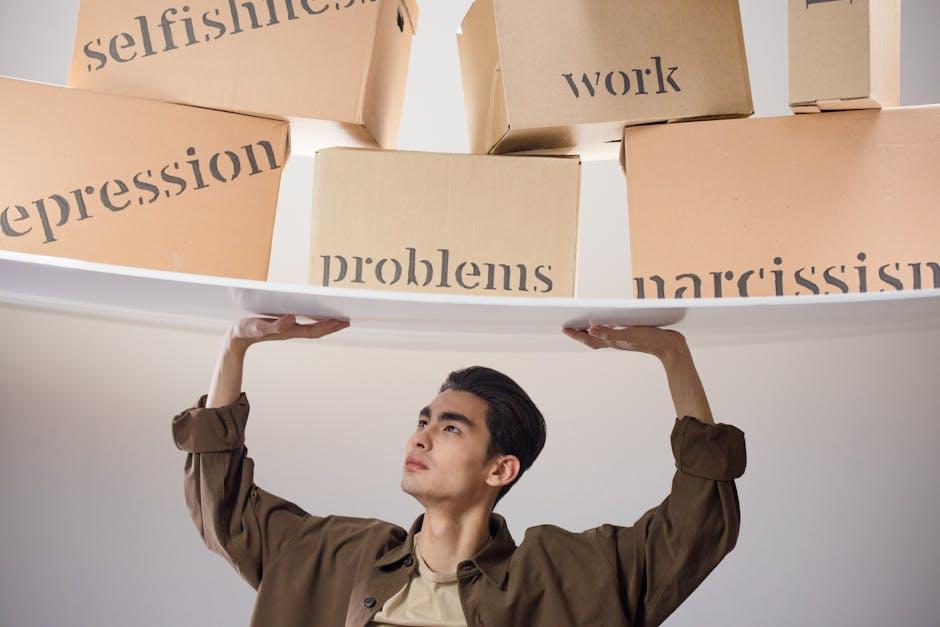
Stress is a complex biopsychosocial response. The Centers for Disease Control and Prevention (CDC) defines stress as the body’s reaction to demands or threats-whether real or perceived. Typical responses involve the activation of the hypothalamic-pituitary-adrenal (HPA) axis,resulting in the secretion of corticotropin-releasing hormone,adrenocorticotropic hormone,and ultimately,the release of cortisol from the adrenal glands [NCBI].
Stress Balance: The Homeostatic Equation
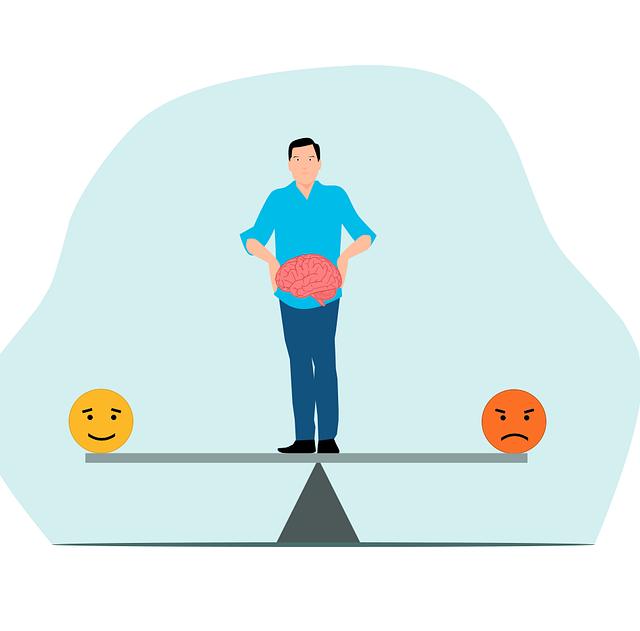
“Stress balance” refers to the state where the physiological and psychological impacts of stress are kept within manageable limits, supporting overall health.This dynamic equilibrium is influenced by internal resilience, coping strategies, social supports, and predisposing biological factors [Harvard Health]. When stressors are minimal,or coping resources robust,people often experience what is described as “low stress balance.”
The Paradox: Low Stress Despite a Smooth Life
It is logical to assume that a calm, eventless, or ”smooth” life naturally translates to low stress. Yet, research indicates that stress levels are not solely dictated by external circumstances. Many individuals continue to report low stress even when confronted with minor disruptions; conversely, some report underlying anxiety in the total absence of life stressors [Mayo Clinic]. To understand this paradox, we must explore the nuanced interplay between biology, psychology, surroundings, and learned behavior.
Intrinsic Factors Influencing Low Stress Balance
Genetic and neurobiological Foundations
Genetic predisposition can determine an individual’s stress response profile. Polymorphisms in genes encoding for serotonin transporters, such as the SLC6A4 gene, have been linked to differences in anxiety and resilience. Those with certain alleles display reduced amygdala reactivity to stress, enhancing the ability to maintain calm [NCBI].
neurobiologically, the brain’s limbic system-particularly the prefrontal cortex and hippocampus-plays a key role in modulating stress reactivity. Individuals with strong prefrontal control can suppress maladaptive fear responses, resulting in low baseline stress levels even when faced with potential stressors [NCBI].
Personality Traits and Psychological Resilience
Certain personality constructs are associated with increased psychological resilience and,correspondingly,lower stress perception. The Five Factor Model highlights the role of “neuroticism” (or lack thereof): individuals scoring low in neuroticism and high in traits such as conscientiousness, agreeableness, and openness tend to have healthier stress appraisals [Psychiatric Times].These resilient individuals often perceive challenges as manageable rather than threatening.
The Role of Emotional Intelligence (EI)
Emotional intelligence encompasses self-awareness, self-regulation, motivation, empathy, and social competence. A ample body of evidence suggests high EI buffers against the deleterious effects of stress by promoting adaptive coping and positive emotional states [NCBI]. Consequently, those with higher EI commonly report low baseline stress, even during minor adversities.
Extrinsic and Environmental Contributors to Low Stress
Supportive Social Networks
Healthy, supportive social relationships are one of the most powerful determinants of low stress. Social support-whether from family, friends, or community-provides practical and emotional resources for coping. Multiple studies published in JAMA Psychiatry demonstrate that people with robust social networks experience reduced physiological and psychological stress responses, even in the face of change.
Stable Socioeconomic Circumstances
Socioeconomic stability-predictable income, job security, safe housing-minimizes chronic “background” stress. Research confirms that socioeconomic advantage is strongly associated with lower cortisol levels and healthier stress profiles, even among individuals with otherwise similar life events [JAMA]. This effect persists even after controlling for personality and genetics.
Optimal Physical Environment
Exposure to green spaces, low-noise surroundings, and a general sense of environmental safety have all been shown to foster relaxation and lower stress reactivity. The public health literature confirms that individuals in low-pollution, nature-rich environments consistently report less subjective and physiologic stress [NCBI].
adaptive Coping mechanisms
Active and Passive Coping Strategies
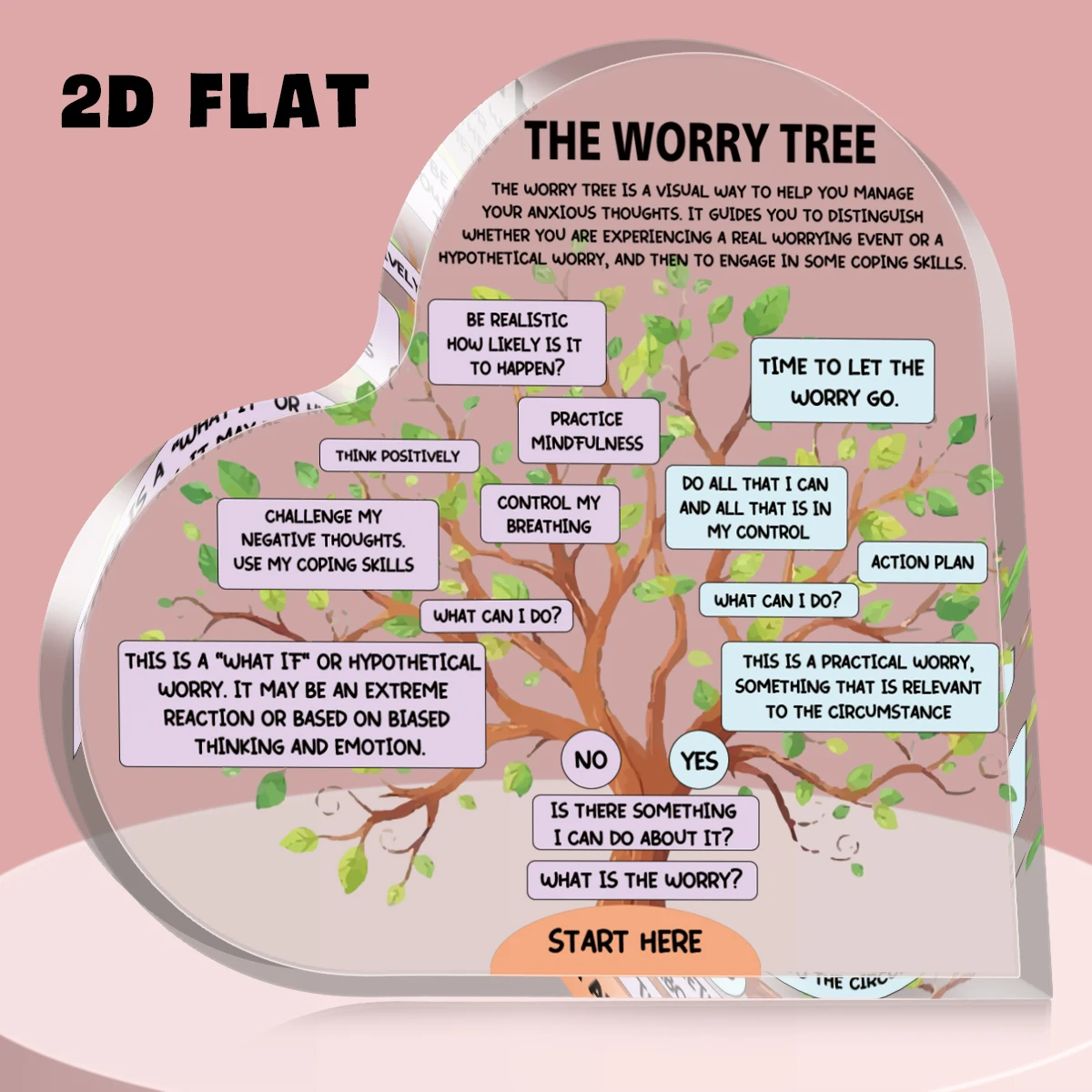
The manner in which individuals process and respond to daily challenges-regardless of their magnitude-greatly influences stress levels. Adaptive coping, including problem-solving, cognitive reframing, and mindfulness practice, is associated with lower physiological arousal and improved mental health outcomes [Medical News Today]. Passive coping,such as avoidance or denial,may initially suppress stress but typically does not sustain low stress balance over time.
Mindfulness, Meditation, and Relaxation Techniques
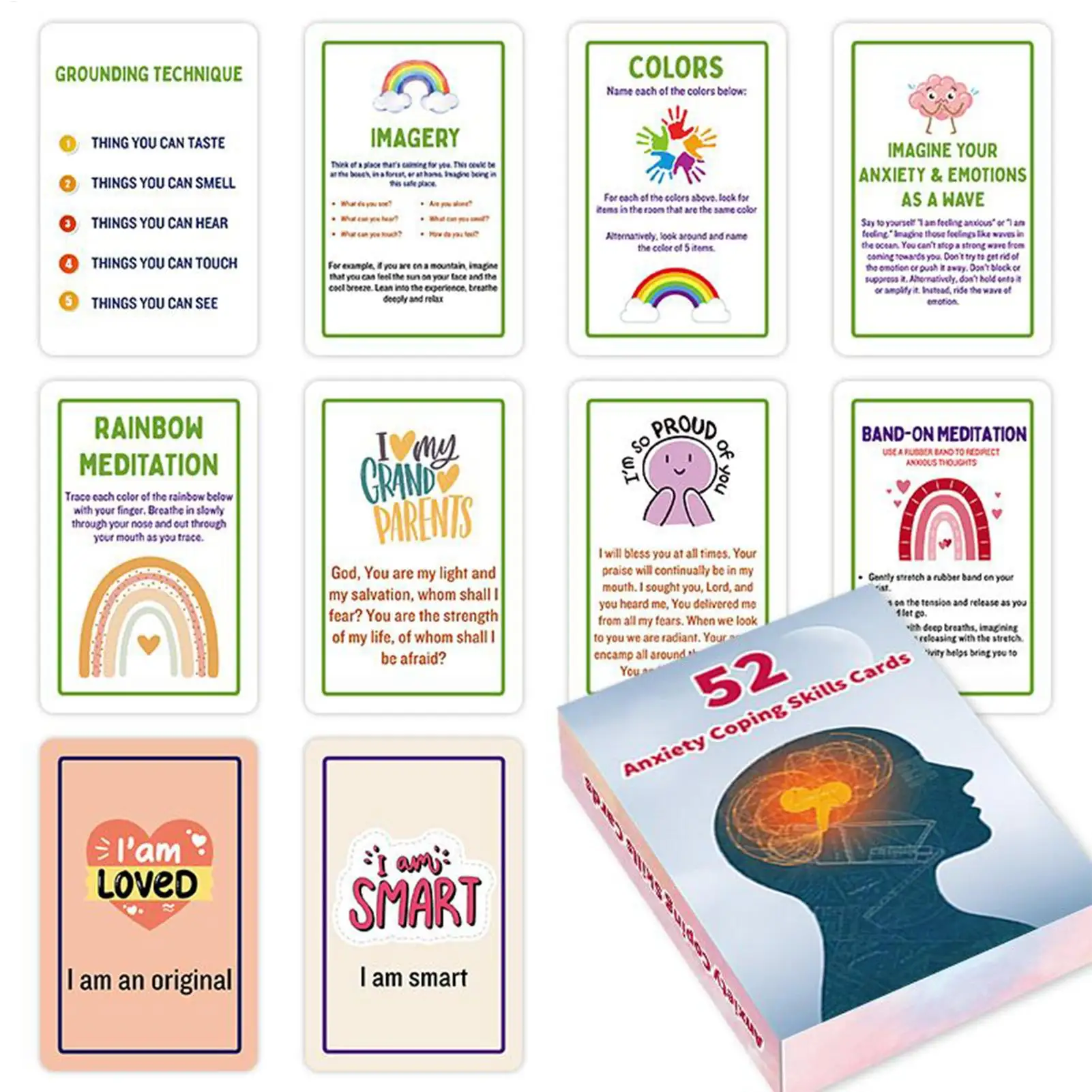
Numerous randomized controlled trials confirm that structured mindfulness and meditation practice reduce HPA axis hyperactivity and sympathetic nervous system response.These interventions lower subjective feelings of stress-even in people with otherwise low stress baselines [NCBI]. Techniques such as progressive muscle relaxation,yoga,or deep breathing exert significant anxiolytic effects,fostering a “smooth” internal environment regardless of external events.

When “Low Stress” Is Not Always Healthy
While enduring low stress is generally viewed as advantageous, it is vital to recognize circumstances where suppressed or clinically low stress responses may be maladaptive or pathologic:
- Chronic Emotional Suppression: The consistent minimization or avoidance of genuine emotional responses-sometimes described as “emotional numbing”-may lead to dissociation, blunt affect, or even alexithymia. These patterns, often stemming from trauma or learned behaviors, can manifest as persistently low stress yet impair overall well-being [Healthline].
- Stress Hyporeactivity Disorders: Conditions such as certain depressive subtypes, -traumatic stress disorder (PTSD, particularly the dissociative type), or some endocrine pathologies (e.g., Addison’s disease) are characterized by abnormally blunted stress responses [NCBI].
- Reduced Motivation (“Apathy Syndrome”): In certain specific cases, very low perceived stress reflects loss of engagement with life, motivational deficits, or underlying neurological changes related to disorders such as Parkinson’s disease or significant major depressive episodes [NCBI].
Psychological and Cognitive Aspects
The Role of Cognitive Appraisal
At the core of the stress experience lies “cognitive appraisal,” the process by which individuals interpret situations as threatening,manageable,or inconsequential. According to the seminal model of Richard Lazarus (Lazarus Stress and Coping Theory), those who habitually appraise events as challenges rather than threats experience lower emotional and physiological arousal. This mechanism partly explains why some people feel minimal stress even during periods that others might find anxiety-provoking.
Optimism, Locus of Control, and Gratitude
A naturally optimistic explanatory style, a strong internal locus of control (belief in one’s ability to influence outcomes), and the psychological practice of gratitude consistently reduce subjective stress [NCBI]. These cognitive attributes enhance adaptive resourcefulness, promoting alignment between perception and reality even when life is generally uneventful.
Physical Health and Lifestyle Contributors
Exercise, Nutrition, and Sleep
Regular physical activity regulates the HPA axis, lowers cortisol, and increases endorphins, all of which foster a baseline sense of calm and well-being. Nutrition also plays a role: diets rich in omega-3 fatty acids, B vitamins, and antioxidants are associated with lower systemic inflammation and improved mood regulation [CDC]. Quality sleep contributes to emotional regulation by optimizing neuroendocrine balance [Sleep Foundation].
Absence of Chronic disease or Endocrine Abnormalities
There is a reciprocal relationship between physical disorders (such as chronic pain, cardiovascular disease, or thyroid dysfunction) and perceived stress. The absence of such conditions contributes to a lower stress baseline, while untreated somatic illness can heighten vulnerability to stress reactions [NHS].
Cultural, Spiritual, and Meaning-Based Factors
Cultural Norms and Social Conditioning
Cultural attitudes towards stress and emotional expression shape how stress is experienced and reported. For example, collectivist cultures that emphasize social harmony may facilitate low stress by distributing emotional burdens across kin and community networks [NCBI]. Meanwhile, societies valuing stoicism may encourage underreporting or internalization of stress.

Spirituality and Sense of Purpose
A well-developed sense of meaning or spirituality can buffer against existential stress and foster equanimity. Studies show that those who perceive their lives as meaningful, or feel connected to a higher purpose, consistently report less distress regardless of external context [harvard Health].

how to Assess If Your Low Stress Is Healthy
Key Indicators of Healthy Low Stress
- Appropriate Emotional Range: Ability to feel and express joy, sadness, anger, etc., when contextually appropriate.
- Consistent Energy and Motivation: Willingness to initiate, pursue, and enjoy diverse activities.
- Healthy Relationships: Maintains supportive social connections without withdrawal or excessive isolation.
- provoked Response: Adequate reaction to real emergencies or novel challenges (not “numb” to change).
Warning Signs of Unhealthy Low Stress Balance
- persistent emotional flatness or disconnection from one’s feelings.
- Apathy, loss of motivation, or indifference to important life events.
- Withdrawal from relationships or previously enjoyed activities.
- frequent “spacing out” or difficulty registering even meaningful occurrences.
- History of trauma, depression, or dissociative tendencies.
Clinical Evaluation and When to Seek Help
When to Consult a Healthcare Professional
If you or a loved one notices ongoing numbness, emotional blunting, or significant apathy-even in the context of a smooth life-it may be prudent to consult a mental health professional. Assessment tools such as the Perceived Stress Scale (PSS), Beck Depression Inventory, or trauma questionnaires can help distinguish healthy low stress from underlying psychiatric or neurobiological conditions.
Therapeutic Interventions
Treatment is highly individualized. Approaches may include cognitive behavioral therapy (CBT), trauma-informed care, pharmacotherapy, or lifestyle interventions. building adaptive coping skills, enhancing social engagement, and fostering purpose can restore a healthy stress balance [Mayo Clinic].
Practical Steps to Maintain Healthy Low Stress Balance
- Regular Physical Activity: Aim for at least 150 minutes per week of moderate exercise [CDC].
- Mindfulness Practice: Incorporate mindfulness or meditation into your daily routine [Harvard health].
- Balanced Nutrition: Focus on nutrient-dense foods rich in B vitamins, magnesium, and omega-3s.
- Optimal Sleep: Adhere to consistent sleep-wake cycles and prioritize sleep hygiene [Sleep Foundation].
- Stay Connected: Cultivate strong relationships and spend time with supportive individuals.
- Regular Self-Assessment: Reflect on your mood, motivation, and responses to significant events.
Frequently Asked Questions
Is it normal to feel “too” calm or emotionally flat when life is easy?
Some calmness is healthy. Though, if you notice persistent apathy, loss of interest, or emotional blunting, this may signal underlying mental health or neurobiological difficulties.A screening with a mental health professional can help clarify the cause.
Can I do anything to “raise” my stress in a healthy way?
Healthy stress, or “eustress,” can be cultivated through goal-setting, learning new skills, and positive social challenge. If you feel unmotivated or “stuck,” structured activities,volunteering,or creative pursuits may help re-engage your stress systems productively [Verywell Mind].
Do medications lower stress even when there’s no trigger?
Some medications (such as anxiolytics or certain antidepressants) may blunt stress reactivity. If you suspect medication might potentially be affecting your emotional experience, consult your prescribing physician for a medication review [FDA].
Conclusion
Low stress balance during smooth life phases is typically the result of an intersection of genetic, neurobiological, psychological, environmental, and behavioral factors. Most forms of persistently low stress are beneficial, supporting health, motivation, and social engagement. however, it is essential to distinguish healthy calmness from maladaptive emotional flattening. Paying attention to your internal state, fostering strong social ties, maintaining physical health, and seeking professional support when needed, are basic to a resilient, balanced mind.
If you have ongoing concerns about your stress levels or emotional responses, seeking advice from a qualified healthcare provider is always recommended.For further learning, explore resources offered by the National Institute of Mental Health, Mayo Clinic, or WHO.