



Best Hydrating Foods You Can Eat (Not Just Drink)
Introduction
Maintaining optimal hydration is fundamental to human health, impacting virtually every physiological system. While drinking water is universally emphasized, there is a growing body of clinical evidence underscoring the significance of dietary hydration-fluid and electrolytes supplied via solid foods. According to the Centers for Disease control and Prevention (CDC), hydration not only supports core bodily functions-such as thermoregulation, metabolic homeostasis, and cardiovascular stability-but also plays a crucial role in the prevention and management of chronic conditions, including nephrolithiasis, urinary tract infections, and cognitive decline. For populations with increased risk of dehydration-such as older adults, athletes, children, or individuals with gastrointestinal or renal pathology-understanding the contribution of hydrating foods is especially pertinent. This article explores evidence-based best practices and top hydrating foods that provide water, key micronutrients, and health-promoting phytochemicals, offering a comprehensive approach to hydration beyond simply drinking fluids.
Understanding Hydration: Beyond Just Drinking Water
Physiological Importance of Hydration
Hydration is vital to cellular function, nutrient transportation, joint lubrication, and temperature regulation. The National Academies of Sciences recommends an average daily water intake of 2.7 liters for women and 3.7 liters for men. Consuming sufficient fluids reduces the risk of kidney stones, improves mental performance (NCBI), and helps maintain electrolyte balance. Yet,research demonstrates that roughly 20-30% of daily water intake in typical western diets derives from solid foods (USDA).

How foods Hydrate
Hydrating foods are those with high water content-generally exceeding 80% water by weight.In addition to fluid, many of these foods supply essential electrolytes (e.g., sodium, potassium, magnesium), vitamins, and fiber, facilitating both intracellular and extracellular hydration mechanisms (harvard Health). The advantage over beverages alone is the slower rate of gastric emptying, wich can support prolonged hydration, as well as the delivery of health-promoting phytonutrients and minerals.
Medical Implications of Chronic dehydration
Insufficient hydration has systemic consequences: cognitive impairment, reduced exercise performance, nephrolithiasis, constipation, increased cardiovascular risk, and, in severe cases, hypovolemic shock (Mayo Clinic). Older adults are particularly vulnerable due to reduced thirst sensitivity, physiological changes, medications (e.g., diuretics), or comorbidities (NHS).
Criteria for Selecting Hydrating Foods
When considering optimal hydrating foods, healthcare professionals analyze several criteria:
- Water content: Foods with >80% water per weight offer substantial hydration.
- Electrolyte composition: Sodium and potassium-rich foods enhance fluid absorption and retention (NCBI).
- Bioavailability: Nutrients and phytochemicals may augment overall health benefits, including antioxidative, anti-inflammatory, or metabolic-supporting roles.
- Practicality: Palatability, ease of planning, and accessibility are essential for adherence to dietary recommendations, particularly in institutional, pediatric, geriatric, or athletic settings.
Top Hydrating Foods Backed by Science
Watermelon
A quintessential hydrating fruit, watermelon contains over 92% water by weight (Medical News Today). Rich in lycopene-a major carotenoid with strong antioxidative features-watermelons offer both hydration and cardiovascular protection (NCBI). One cup (154g) supplies 118 ml of water, 170 mg of potassium, and a wide spectrum of phytochemicals.Regular consumption has been associated with lower risk of oxidative stress-related diseases (Healthline).
Cucumber
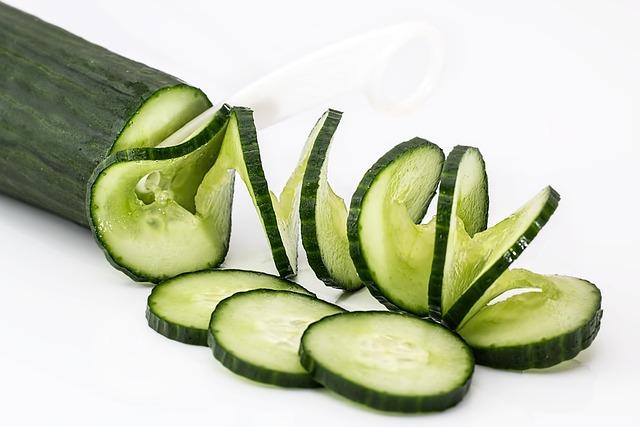
Cucumbers led as one of the highest water-content vegetables (about 95% water). Like watermelon, they contribute electrolyte minerals-potassium, magnesium-and vitamins K and C. Beyond hydration, cucumber’s fiber aids gastrointestinal motility, and the presence of cucurbitacins imparts potential anticancer properties (NCBI).

Strawberries
Strawberries are composed of 91% water and are a dense source of vitamin C, manganese, and polyphenolic antioxidants. Studies show that the polyphenols in strawberries modulate inflammatory markers and support glycemic balance (NCBI), making them a functional hydrating snack especially for individuals with metabolic comorbidities.
Lettuce
Lettuce, particularly iceberg and romaine varieties, contains approximately 95% water (Healthline). It is indeed also a notable source of vitamin A, fiber, and potassium. Its neutral flavor and versatility facilitate adherence in salads, wraps, and sandwiches, making it readily accessible for hydration support in various diets.
Celery
Boasting 95% water by volume,celery supplies sodium,potassium,and folate. Its high fiber content additionally exerts prebiotic effects, supporting gut health (Harvard Health). Evidence suggests celery’s flavonoid antioxidants may contribute to vascular relaxation and blood pressure regulation.
Cantaloupe and Melons
Cantaloupe and honeydew melons deliver 90-91% water, with a nutrient profile rich in vitamin C, beta-carotene, and potassium (Medical News Today). These fruits are recommended for rehydration in pediatric and geriatric populations, particularly after physical exertion or gastrointestinal loss.
Zucchini
Zucchini contains over 94% water and contributes B vitamins and manganese. Its dietary fiber supports satiety and glycemic modulation,while the water content significantly bolsters hydration,especially in heat-exposed or highly active individuals (Healthline).
Bell Peppers
Red, yellow, or green bell peppers average 92% water. They are also among the densest natural sources of vitamin C-a key co-factor in collagen synthesis and immune function. Epidemiological studies suggest regular bell pepper intake decreases the risk of certain cancers and inflammatory diseases (NCBI).
Tomatoes
Composed of approximately 94% water, tomatoes are renowned for their lycopene and vitamin C content. Scientific reviews document a protective effect against cardiovascular disease and prostate carcinoma, attributed to high antioxidant loads (NIH).
Spinach
Spinach, with 91% water by weight, provides magnesium, potassium, iron, and antioxidants such as lutein and zeaxanthin. These micronutrients are essential for muscle, nerve, and ophthalmological health, and spinach’s high water composition makes it a valuable dietary hydration source, especially for vegans and vegetarians (medical News Today).
Other Noteworthy Hydrating Foods
| Food | Water Content (%) | Key nutrients | notable Benefits |
|---|---|---|---|
| Radishes | 95 | Vitamin C, folate | Antioxidant support, digestive health |
| Zucchini | 94 | Vitamin C, B6, manganese | anti-inflammatory, glycemic control |
| Pineapple | 86 | Vitamin C, bromelain | Digestive enzyme, immune support |
| oranges | 87 | Vitamin C, potassium | Immune support, vascular health |
| Peaches | 89 | Vitamin A, C | Antioxidant, hydration |
| Cauliflower | 92 | Vitamin C, K, fiber | Anti-inflammatory, detoxification |
Hydrating Foods in Clinical and Public health Contexts
Hydration in At-Risk Populations
Older adults are at increased risk of dehydration due to an age-related decline in total body water, decreased thirst, and concomitant use of medications that alter fluid balance (e.g., diuretics, laxatives) (CDC). For this demographic, encouraging hydrating foods-such as fruit salads, vegetable soups, or smoothies-can enhance compliance and prevent dehydration episodes. Children, especially during illness or heat exposure, benefit from water-rich fruits (e.g.,watermelon,oranges) that are safer and more palatable than electrolyte drinks laden with added sugars or artificial colors. Research validates these nutritional interventions in the mitigation of dehydration and its sequelae (NASEM).
Athletes and Active Individuals
Prolonged physical activity and ambient heat increase insensible water loss via sweat and respiration. While rehydration drinks are often prescribed, integrating hydrating fruits and vegetables can replenish both fluid and electrolyte deficits without excessive intake of simple sugars or additives. The International Society of Sports Nutrition supports the inclusion of water-rich foods-such as cucumbers, orange slices, and tomatoes-in training diets for improved performance, gastrointestinal tolerance, and micronutrient adequacy.
Therapeutic Diets in Chronic Disease
Individuals with hypertension, nephrolithiasis, chronic kidney disease, or diabetes mellitus benefit from hydrating foods high in potassium, magnesium, and antioxidants but low in added sugars and sodium. For example,regular intake of watermelon,spinach,and cantaloupe has shown positive outcomes in blood pressure modulation and reduction in kidney stone risk (NCBI; CDC). Additionally,plant-based diets emphasizing hydrating produce may reduce the burden of cardiovascular and metabolic comorbidities.
Comparison: Drinking Fluids vs. Eating Hydrating Foods
Both drinking fluids and consuming hydrating foods are essential components of a comprehensive hydration strategy. Fluids such as water are absorbed rapidly and efficiently restore circulating plasma volume. Conversely, the gradual absorption of water from hydrating foods-coupled with the intake of nutrients and electrolytes-supports longer-term maintenance of hydration and satiety. Studies suggest that water consumed through foods remains in circulation longer than that obtained from liquids alone (The Lancet Diabetes & Endocrinology).
Clinically, the two approaches are complementary. For example, patients with congestive heart failure or chronic kidney disease may require careful fluid management and woudl particularly benefit from the slower hydration of water-rich foods, avoiding rapid fluid overload (Mayo Clinic).
Practical Strategies for Increasing Hydrating Foods in the Diet
- Include fruits as snacks: Opt for watermelon, melons, oranges, or berries between meals.
- Add vegetables to meals: Integrate cucumbers, bell peppers, lettuce, spinach, and tomatoes into salads, wraps, and side dishes.
- Prepare hydrating smoothies: Blend water-rich fruits and leafy greens for added hydration and nutrition.
- Choose broth-based soups: Low-sodium vegetable soups increase both fluid and nutrient intake.
- Incorporate hydrating foods in packed lunches: Portable cut fruit or vegetable sticks are convenient options for schools, workplaces, or travel.
Addressing Myths and Misconceptions
Despite the prevalence of the “eight glasses a day” rule, scientific consensus recognizes that hydration requirements are highly individual, influenced by age, sex, body mass, activity, environmental exposure, and comorbidities (Harvard Health). It is a myth that only beverages count toward hydration; as explained, foods can contribute up to one-third of daily water needs. There is no clinical evidence to support mega-dosing fluids for improved renal clearance among the general population; indeed, excessive fluid intake may cause hyponatremia, particularly in predisposed individuals. The key is a balanced approach-combining liquids and hydrating foods-to meet physiological needs.
FAQs: Hydrating Foods & Medical Implications
- Do coffee or tea dehydrate you? Contrary to popular belief, moderate consumption of caffeinated beverages does not significantly increase dehydration risk (PubMed).
- Which foods should I limit for hydration? Highly processed, salty, or sugar-laden foods may increase fluid requirements by causing osmotic or renal water loss (CDC).
- How can individuals with dysphagia or dental problems increase hydration? Pureed fruits, smoothies, or soft produce (e.g.,ripe melon,avocado) are recommended over solid,fibrous vegetables.
- What are warning signs of dehydration? Thirst,dry mucous membranes,decreased urine output,hypotension,tachycardia,and cognitive changes must prompt medical attention,particularly in the very young,elderly,or medically compromised.
Conclusion
Optimal hydration goes beyond drinking the requisite number of glasses of water daily. Incorporating a variety of hydrating foods-including fruits and vegetables rich in water, electrolytes, and micronutrients-provides a scientifically sound, clinically effective, and easily accessible strategy for preventing and managing dehydration. Such approaches are particularly advantageous for vulnerable populations, exercise enthusiasts, and patients with chronic disease, aligning with public health recommendations. For best outcomes, choose a diverse selection of hydrating foods, adjust for individual clinical needs, and consult with a healthcare professional when managing underlying conditions or therapeutic protocols.
For more information on hydration, nutrition, and medical guidelines, see resources from the World Health Organization, CDC, and National Institutes of Health.