
Introduction
Mood fluctuations and emotional lability are increasingly reported in clinical and community settings, contributing to a notable burden of psychological distress and impaired functional capacity. While discussions frequently enough focus on underlying neurological or psychiatric etiologies, growing evidence reveals a profound connection between metabolic health—specifically blood glucose regulation—and mood stability [NIH].Fluctuating or dysregulated blood sugar may underlie otherwise unexplained mood crashes, affecting millions of individuals globally.
According to the World Health Organization (WHO), more than 420 million people worldwide are living with diabetes, with another substantial population experiencing prediabetic states or undiagnosed metabolic syndrome. Many more have impaired glucose tolerance without overt diabetes, yet still suffer from unpredictable energy dips, irritability, or depressive symptoms.Recognizing the subtle links between glycemic variability and affective symptoms is crucial for both patients and healthcare professionals seeking comprehensive care strategies.
understanding Blood Sugar Fluctuations
The Physiology of Blood Glucose
Blood glucose, or blood sugar, is the primary form of energy for the body’s cells, but its concentration must be tightly regulated by complex endocrine feedback mechanisms involving insulin and glucagon. When this regulation is disrupted—whether from dietary patterns, stress, lack of physical activity, or underlying metabolic diseases—it can lead to episodes of hyperglycemia (high blood sugar) or hypoglycemia (low blood sugar) [NCBI – Blood Glucose Regulation]. Even in the absence of a diabetes diagnosis, subtle and repeated blood sugar swings can create significant symptoms.
Types of Glycemic Swings
- Reactive Hypoglycemia: prandial (after eating) drops in blood sugar following a carbohydrate-rich meal.
- Dysglycemia: Abnormal fluctuations in glucose that include both excessive highs or lows outside the healthy range.
- Prediabetes and Metabolic Syndrome: Chronic, mild-to-moderate elevations with intermittent sudden drops.
while dramatic hypo- or hyperglycemia is easily identified in diagnosed diabetes, more subtle forms might potentially be overlooked in general populations.The lack of awareness complicates detection and proper management of possibly reversible mood disorders.
The science Linking Blood Sugar Swings to Mood Crashes
Neurobiological Mechanisms
Maintaining homeostasis of the central nervous system is energy-intensive, and the brain depends almost exclusively on glucose for proper function. Sudden fluctuations can disrupt neurotransmitter pathways, including those implicated in serotonin, dopamine, and GABAergic transmission—key regulators of mood, attention, and motivation [NIH].
During periods of hypoglycemia, the body increases production of adrenaline (epinephrine) as a counterregulatory response. This surge typically manifests as anxiety,palpitations,and irritability [Mayo Clinic]. Conversely, hyperglycemia is associated with fatigue, confusion, and depressed mood.
Psychological Correlates of Dysglycemia
Several high-impact studies have shown that mood disorders, especially depression and anxiety, are more prevalent among individuals with dysglycemia, even in populations without a formal diabetes diagnosis [NIH – Mood and Glycemia]. Patterns of irritability, sudden sadness, “brain fog,” or aversion to socializing can coincide temporally with glycemic dips or spikes.
Evidence-Based Clinical Studies
A 2018 review in JAMA Psychiatry synthesized evidence showing higher rates of mood instability among patients with impaired glucose metabolism. Moreover, continuous glucose monitoring (CGM) studies reveal that unexplained negative mood episodes frequently parallel unrecognized glycemic swings in both diabetic and non-diabetic individuals [Frontiers in Psychiatry].
recognizing the Signs: Are Your Mood Crashes Linked to Blood Sugar?
Common Symptoms of Blood Sugar Swings
- Sudden onset of irritability, anxiety, or agitation
- Unprovoked sadness or depressive mood (“mood crash”)
- Trouble with concentration or ”brain fog”
- Palpitations or shakiness, especially hours after eating
- Excessive fatigue not relieved by rest
- Cravings for sweets, caffeine, or stimulants
- Sweating, dizziness, or feeling lightheaded
It’s critically important to distinguish these symptoms from primary psychiatric disorders. However, when mood and cognitive changes reliably follow meals—particularly those high in simple carbohydrates—or occur during periods of prolonged fasting, suspicion for a metabolic component should increase [MedlinePlus].
Case Vignettes
- A 35-year-old reports irritable, anxious feelings every afternoon, wich subside after snacking. Episodes are preceded by carbohydrate-heavy lunches.
- A 47-year-old notices unexplained sadness and fatigue several hours after breakfast,typically resolved by consuming a sweet beverage.
- Student athletes experience “brain fog” or sudden emotional lability after intense physical activity without proper refueling.
These patterns frequently mirror documented timelines of prandial glycemic drops or reactive hypoglycemia [Healthline].
Why Blood Sugar Swings Ofen go Unnoticed
Blood glucose dysregulation without overt diabetes or prediabetes is easily overlooked. Most general blood tests, even fasting glucose and A1C, may appear “in range” while still missing significant daily amplitude swings. In addition, the psychological symptoms attributable to these swings are often attributed to stress, lifestyle, or primary mood disorders, delaying identification of the true metabolic contributors.
Studies show that up to 1 in 3 adults in the United States have prediabetes, but up to 90% are unaware of their condition. Early dysglycemia—attributable to irregular eating patterns, stress hormones, or sleep deprivation—may not produce classic diabetic symptoms but still disrupt emotional stability [CDC Newsroom].
Risk Factors for Hidden Blood Sugar Swings
Dietary Contributors
- Frequent consumption of high-glycemic-index foods (e.g., white bread, sugary drinks, candy, pastries)
- Inadequate dietary fiber, protein, and healthy fats during meals
- Long gaps between meals or irregular eating schedules
- Excessive caffeine/alcohol intake
These habits can provoke volatile swings in glucose and insulin, profoundly affecting mood and energy after meals [Harvard Health].
Lifestyle and Medical Predispositions
- High levels of psychological stress (increases cortisol and gluconeogenesis)
- Poor sleep quality or sleep deprivation
- History of polycystic ovarian syndrome (PCOS), obesity, or metabolic syndrome
- Chronic use of steroids or certain psychiatric medications
- Family history of diabetes or insulin resistance
- Thyroid dysfunction or other endocrine disorders
Many patients with seemingly idiopathic mood swings or chronic fatigue harbor one or more of these risk factors, although they may remain undiagnosed [NHS].
How to Distinguish Blood Sugar-Related Moods from Other Causes
Clinical Approach and Self-Assessment
Differentiating metabolic mood changes from other psychiatric or neurological causes requires a systematic approach:
- Symptom Timing: Track mood changes in relation to meals and fasting periods. Mood dips that reliably correspond to 2–4 hours -meal or in the late afternoon are suggestive of glycemic involvement.
- Symptom Clusters: Look for accompanying physical signs (shakiness, palpitations, sweating, dizziness) that coincide with psychological symptoms.
- diet Response: Note if rapid enhancement follows consuming carbohydrates, especially glucose-rich snacks.
- Medical and Family History: Evaluate risk factors for dysglycemia and metabolic disease.
- Use of Symptom Diaries: Keeping a detailed journal of food intake versus mood and energy can clarify patterns often overlooked in shorter encounters.
This process assists clinicians and individuals in identifying or ruling out blood sugar involvement in mood instability [Healthline].

Diagnostic Evaluation: What Tests Can Help?
Basic Laboratory Screening
- Fasting blood Glucose: A measure of blood glucose after 8 hours of fasting. Normal range is typically 70–99 mg/dL.
- HbA1c (Hemoglobin A1c): Reflects average blood glucose over 2–3 months; values 5.7–6.4% denote prediabetes.
While useful, these values may miss rapid swings, particularly prandial (after eating) fluctuations.
advanced Testing Modalities
- Oral Glucose Tolerance Test (OGTT): Monitors blood glucose at intervals after consuming glucose, useful for diagnosing impaired glucose tolerance or reactive hypoglycemia [Mayo Clinic].
- Continuous Glucose Monitoring (CGM): Wearable technology provides real-time data on glucose trends, enabling the detection of previously hidden swings and correlation with mood episodes [Medical News Today].
Specialized Endocrine Evaluation
Endocrinologists may recommend additional hormonal studies—including insulin, C-peptide, cortisol, and thyroid function testing—when clinical suspicion persists despite ambiguous results.
A multidisciplinary approach involving primary care, psychiatry, and nutrition may optimize detection and management in complex cases [NCBI].
Self-Monitoring: How to Track Glycemic and Mood Patterns
Implementation of a Symptom Diary
Patients are encouraged to maintain a comprehensive diary, noting:
- Meal composition and timing
- Physical activities and exercise sessions
- Mood ratings (1–10 scale) and qualitative descriptors
- Associated symptoms (fatigue, irritability, anxiety, dizziness)
Reviewing diary patterns with a healthcare provider can often reveal clear correlations prompting further objective testing.
At-Home Glucose Monitoring
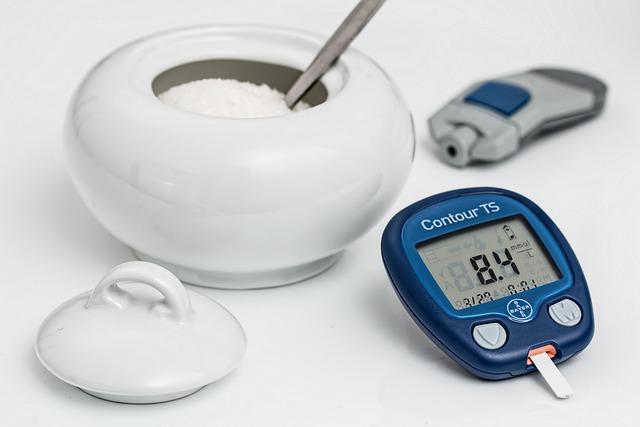
Modern glucometers or CGMs allow non-diabetic individuals to periodically check blood sugar, particularly during timeframes correlated with mood changes. CGM devices are increasingly accessible and offer broader insights than single finger-stick values.
It’s important to interpret findings with clinical guidance, as not all dips or spikes are clinically significant or require medical intervention [FDA].
medical Management
Dietary Strategies
- Choose low-glycemic-index foods, including whole grains, vegetables, legumes, and healthy fats
- Pair carbohydrates with protein and/or fat to slow absorption
- avoid skipping meals; establish regular eating times
- Emphasize fiber-rich foods to blunt glycemic peaks
Clinical trials confirm that structured dietary changes decrease both glycemic and mood variability, with improvements in overall well-being and cognitive performance [NIH].
Lifestyle Modifications
- Achieve optimal sleep hygiene (7–8 hours nightly)
- Implement regular physical activity, which increases insulin sensitivity
- Manage psychological stress through mindfulness, breathwork, or cognitive behavioral techniques
Chronic sleep deficit and unmitigated stress are strongly correlated with dysregulated glucose and mood disorders. Disruptions in circadian rhythm, for example, directly amplify glucose variability and depressive symptoms [The Lancet: Diabetes & Endocrinology].
Pharmacologic Considerations
For patients meeting criteria for prediabetes or metabolic syndrome, medical therapy—including metformin—may be warranted. psychiatric or endocrine referral is recommended in complex or refractory cases.
Medications directly affecting glucose, such as beta blockers or some antipsychotics, warrant careful monitoring for mood side effects [JAMA Psychiatry].
When to Seek Professional Help
Any patient experiencing persistent mood crashes, unexplained fatigue, or concerning neuropsychiatric symptoms should seek professional evaluation:
- Sudden or severe mood changes outside food intake patterns
- Symptoms interfering with daily responsibilities or relationships
- History of diabetes, prediabetes, metabolic syndrome, or relevant family history
- Rapid weight loss or gain, polyuria (excessive urination), or polydipsia (excessive thirst)
early medical intervention enables prompt identification of comorbidities and reduces the risk of long-term metabolic or psychiatric sequelae [CDC].
Frequently Asked questions (FAQ)
Q: Can blood sugar swings cause anxiety or depression, even without diabetes?
Absolutely. Multiple studies demonstrate increased risk of both anxiety and depression among individuals with glycemic instability—even in the absence of classical diabetes or prediabetes [NIH].
Q: How quickly do mood crashes follow blood sugar dips?
Mood symptoms frequently enough occur within 1–3 hours -meal, especially following high glycemic-index foods. Symptoms resolve relatively rapidly with food intake, confirming their metabolic basis.
Q: Are routine blood tests sufficient to detect blood sugar swings?
Routine fasting glucose or HbA1c testing may miss transient but clinically significant daily swings.CGM or prandial testing is more sensitive for those with suggestive symptoms.
Q: Can children and adolescents experience mood crashes from blood sugar swings?
Yes, especially in those with irregular eating schedules, picky eating habits, or underlying metabolic vulnerabilities. Mood and behavioral instability in youth should prompt careful dietary and medical evaluation [CDC].
Summary table: Recognizing mood Crashes from Blood Sugar Swings
| Key Feature | Blood Sugar-Related Mood Crash | Other Mood Disorder |
|---|---|---|
| Timing | 2–4 hours after meal or during fasting | Unrelated to fasting/meals |
| Physical Symptoms | Shakiness, sweating, dizziness | Usually absent |
| Food Response | Rapid improvement with food intake | No effect |
| Risk Factors | Irregular meals, high glycemic foods, family history of diabetes | Psychosocial/environmental stressors |
| Resolution | Temporary, resolves with stabilization of blood sugar | Persistent or episodic, self-reliant of glycemia |
Conclusion
Unexplained mood crashes and cognitive dips are not always purely psychological or structural in origin. A growing body of research underscores the powerful influence of hidden blood sugar swings on mental health—affecting mood, attention, and energy in both clinical and community populations. Through judicious self-monitoring, careful clinical assessment, and holistic interventions, it is increasingly possible to identify and address metabolic contributors to psychological distress.
Awareness is the first step: if your mood shifts appear correlated with eating patterns or periods of extended fasting, consider the possibility of glycemic instability and seek comprehensive evaluation. Interventions that address both dietary and lifestyle factors frequently yield profound improvements in mood and day-to-day function.Early recognition can prevent unnecessary psychiatric morbidity and improve long-term prognosis.
References
- World Health Organization: Diabetes
- Centers for Disease Control and Prevention: Diabetes
- Glucose Fluctuations and Psychiatric Disorders (NIH)
- MedlinePlus: Hypoglycemia
- Harvard Health: Hypoglycemia
- JAMA Psychiatry: Mood Disorders and Glucose Regulation
- Mayo Clinic: Glucose Tolerance Test
- Medical news Today: continuous Glucose Monitoring
- FDA: Glucose Monitors Fact Sheet
- Healthline: prandial Hypoglycemia
- The Lancet Diabetes & Endocrinology: Sleep, Mood, and Glycemia