


Introduction
Male infertility is a significant public health concern, affecting approximately 7% of men worldwide, with declining sperm count emerging as a critical contributor to fertility challenges in modern society. According to the World Health Association (WHO),infertility impacts one in six people globally,and lifestyle factors-especially diet and exercise-play a direct role in male reproductive health. Concerns regarding falling sperm counts, documented over recent decades, have fueled extensive research into modifiable risk factors and preventive strategies.
This article provides an evidence-based, in-depth exploration of how men can improve their sperm count naturally through targeted dietary choices and structured exercise regimens. Drawing on current clinical guidelines and peer-reviewed studies, this guide is intended for both healthcare professionals and individuals seeking accurate medical details.

Understanding Sperm Count and Male Fertility
Sperm Count: Definitions and Clinical Parameters
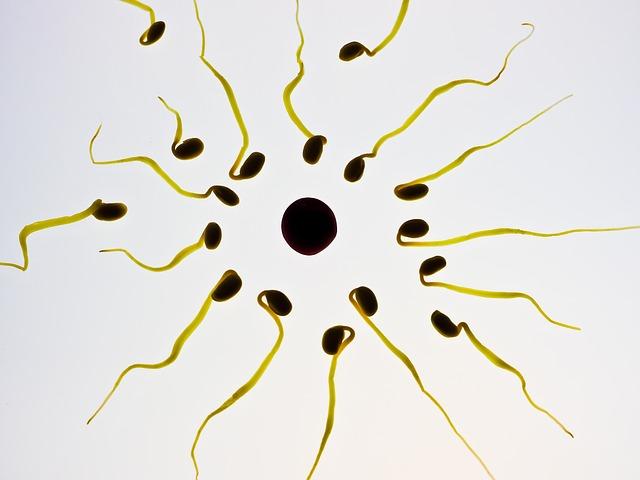
Sperm count refers to the number of sperm present in a measured volume of semen, typically reported as millions per milliliter (mL). According to the WHO Laboratory Manual for the Examination and Processing of Human Semen (6th Edition), a normal sperm concentration is ≥15 million sperm/mL. Sperm count below this threshold-termed oligospermia-can impair fertility potential.
Causes and Risk Factors for Reduced Sperm Count
Low sperm count can arise from a wide spectrum of etiologies, including:
- Genetic disorders (e.g., Klinefelter syndrome)
- Endocrine or hormonal imbalances
- Testicular pathology (e.g., varicocele, infection, trauma)
- Environmental exposures (toxins, heat, radiation)
- Lifestyle factors: poor nutrition, obesity, sedentary habits, alcohol, smoking, and drug use
Environmental and lifestyle influences are especially modifiable, making them prime targets for intervention and prevention.
Recent meta-analyses, such as the review published in JAMA, have highlighted a continuous global decline in sperm concentration, underscoring the urgency of proactive health strategies.
The Role of Diet in Sperm Health
Nutrition and Spermatogenesis: Key Mechanisms
Spermatogenesis-the biological process of sperm formation-relies on a range of macro- and micronutrients that support testicular physiology, endocrine signaling, and cellular defense mechanisms against oxidative stress. Deficiencies or imbalances in specific nutrients can directly impair sperm production,motility,and morphology,thereby contributing to suboptimal fertility outcomes.
Evidence-based Dietary Strategies to Improve Sperm Count
1. Antioxidant-Rich Foods
Oxidative stress damages sperm DNA and cellular membranes, reducing sperm count and motility.Antioxidants-found in fruits, vegetables, nuts, and seeds-neutralize free radicals and support optimal spermatogenesis. Key dietary antioxidants include:
- Vitamin C: Citrus fruits,strawberries,bell peppers (source)
- vitamin E: Almonds, sunflower seeds, spinach (source)
- Carotenoids: Carrots, sweet potatoes
- Zinc and Selenium: Oysters, pumpkin seeds, brazil nuts (source)
A meta-analysis in Nutrients confirms higher intake of these antioxidants is associated with improved sperm count and motility.
2. Healthy Fats and Omega-3 fatty Acids
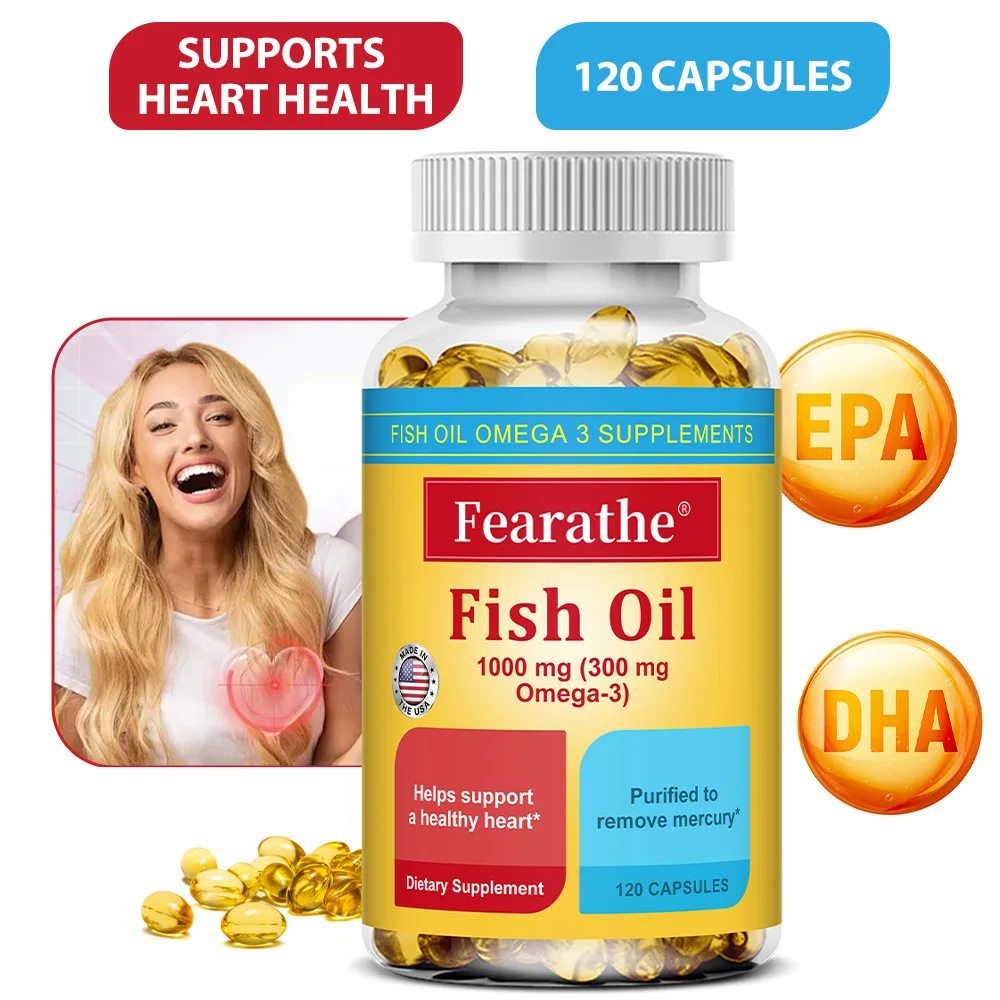
Unsaturated fats, particularly omega-3 fatty acids (DHA and EPA), play a crucial role in maintaining sperm cell membrane integrity and function. Sources include:
- Fatty fish: Salmon, sardines, mackerel
- Chia seeds and flaxseeds
- Walnuts
A clinical trial published in Harvard Health demonstrated that men supplementing with omega-3s experienced significant increases in sperm count and motility.
3. Plant-Based Diets: Emphasize Variety and Quality
Dietary patterns abundant in vegetables, whole grains, legumes, fruits, and nuts-such as the Mediterranean diet-correlate with higher sperm counts, superior motility, and improved total sperm quality, according to a systematic review in Nutrients. This effect is attributed to the synergistic action of polyphenols, fibers, vitamins, and minerals.
however, extreme vegetarianism or veganism may risk micronutrient deficiencies (zinc, vitamin B12, iron), perhaps impacting semen quality. Thus, balanced meal planning or supplementation is essential for those following plant-based diets (Healthline).
4. Foods and Nutrients to Limit or Avoid
- Processed meats and trans fats: Regular consumption is linked to decreased sperm quality (JAMA).
- added sugars and refined grains: Diets high in sugar-sweetened beverages are associated with lower sperm concentration (Nutrients).
- Excessive soy products: Some studies suggest high isoflavone intake could reduce sperm concentration, though the overall risk is minimal at usual dietary levels (NIH).
- Alcohol and caffeine: Heavy alcohol use and high caffeine intake may negatively affect sperm parameters (NIH).
5. Key Micronutrients for Optimal Sperm Count
| Nutrient | Main Sources | Role in Sperm Health | Clinical Evidence |
|---|---|---|---|
| Zinc | Oysters, beef, pumpkin seeds | Spermatogenesis, testosterone metabolism | PMC6010824 |
| Folate (Vitamin B9) | Leafy greens, beans, fortified grains | DNA synthesis, sperm maturation | PMC4772032 |
| Vitamin D | Sun exposure, fatty fish, fortified dairy | Hormonal regulation, sperm motility | PubMed 24170949 |
| Selenium | Brazil nuts, seafood, eggs | Antioxidant defense, sperm morphology | PMC6164847 |
| Coenzyme Q10 | Organ meats, fish, spinach | Cellular energy, motility | PMC3712346 |
Sample Diet Plan for Improving Sperm Count
- Breakfast: oatmeal with berries, walnuts, and chia seeds
- Mid-morning: Greek yogurt with pumpkin seeds and kiwi
- Lunch: grilled salmon, quinoa, steamed broccoli, spinach salad
- Snack: Mix of Brazil nuts and mixed fruit
- Dinner: Lentil stew with kale and brown rice, roasted sweet potatoes
- Hydration: 6-8 glasses of water; limit sugary drinks
The Role of Exercise in Enhancing Male fertility
How Physical Activity Impacts Reproductive Health
Physical activity influences sperm health through several mechanisms:
- Optimizing body weight and BMI, reducing obesity-related endocrine disruption (e.g., lower testosterone, higher estrogen)
- Enhancing testicular blood flow, supporting hormonal balance
- Reducing oxidative stress and inflammation (NIH)
- Improving insulin sensitivity and metabolic health
A study published in Reproductive Biology & Endocrinology found that moderate-intensity physical activity-at least 150 minutes per week-substantially improved semen parameters, including sperm count and motility, in men with sedentary lifestyles or metabolic syndrome.
Optimal Types of exercise for Male Fertility
The most effective exercise routines for enhancing sperm count involve a combination of:
- Aerobic Training: Brisk walking,running,swimming,cycling. Studies demonstrate correlations between regular cardio activity and improved sperm concentration and morphology (NIH).
- Resistance Training: Weight lifting or bodyweight exercises (squats, push-ups, planks). Helps boost testosterone and support lean body mass.
- Flexibility & Stress Reduction: Yoga, Pilates, and tai chi may reduce psychological stress and cortisol, both of which negatively affect sperm quality (NIH).
Exercise Recommendations and Cautions
- moderation is key: Excessive endurance training (such as long-distance cycling or running) can paradoxically reduce sperm count via heat exposure and hormonal disruption.
- Avoid anabolic steroids,testosterone hormone therapy: These substances suppress intrinsic spermatogenesis (NIH).
- Avoid high-heat environments for prolonged periods: Hot tubs, saunas, and heated car seats may hinder sperm production.
Personalized exercise programs-developed with a healthcare provider-are optimal for men with chronic conditions, obesity, or cardiovascular risk factors.

Lifestyle Modifications That Support Natural Sperm Count Enhancement
Weight Management and Obesity Prevention
Obesity impairs male fertility via multiple mechanisms-disrupted reproductive hormones, increased scrotal heat, systemic inflammation, and oxidative stress. Clinical studies consistently demonstrate that even modest weight loss (5-10% of body mass) can substantially improve sperm count and mobility (NIH). A combination of a calorie-controlled diet and regular exercise is optimal for sustainable weight reduction.
Smoking Cessation
Cigarette smoke contains toxins such as cadmium and lead, which disrupt spermatogenesis and cause DNA fragmentation in sperm. Two meta-analyses in CDC and PubMed confirm smokers present with significantly lower sperm count, concentration, and motility than non-smokers. Quitting smoking improves both sperm and overall reproductive prognosis.
Alcohol and Substance Use Moderation
Excessive alcohol intake impairs hypothalamic-pituitary-gonadal axis function-lowering testosterone and inhibiting spermatogenesis. Illicit drugs such as anabolic steroids, cocaine, and marijuana are also linked with decreased sperm production and altered morphology (NIH). the NHS recommends men seeking to improve fertility should limit alcohol and abstain from recreational drugs.
Minimizing Environmental and Occupational Risks
Testicular exposure to excessive heat, environmental toxins (pesticides, BPA, heavy metals), and radiation can reduce sperm production. Adopting protective measures-such as wearing breathable clothing, minimizing direct laptop contact with the groin, and limiting exposure to industrial chemicals in the workplace-can help preserve sperm quality. More guidance is available via the CDC NIOSH.
Psychological Stress and Sperm Quality
Stress, Hormonal Pathways, and Fertility
Chronic psychological stress disrupts the hypothalamic-pituitary-gonadal axis, elevating cortisol and suppressing reproductive hormone output. Human studies indicate a compelling association between chronic stress, lower sperm concentration, and increased sperm DNA fragmentation (NIH). Stress can also exacerbate comorbid behaviors (smoking,excess alcohol,junk food intake),further impairing fertility.
evidence-Based Stress Reduction Techniques
- Cognitive-behavioral therapy (CBT): Improves emotional regulation and coping skills
- Mindfulness-based stress reduction (MBSR): demonstrated to lower cortisol and improve semen quality (NIH)
- Relaxation methods: Yoga, meditation, deep breathing, and progressive muscle relaxation
- Regular physical activity: As described previously, an effective adjunct to psychological well-being
Frequently Asked Questions
How quickly can natural interventions improve sperm count?
Spermatogenesis-the complete cycle from germ cell to mature spermatozoon-takes approximately 64-74 days (NCBI Bookshelf). Most lifestyle interventions require at least three months to observe measurable changes in semen parameters.
Should I take dietary supplements to boost sperm count?
Supplements containing antioxidants, zinc, folate, or coenzyme Q10 may benefit some men, particularly those with micronutrient deficiencies or suboptimal dietary intake. However, supplements should not replace a balanced diet; misuse can cause adverse effects. Always consult a healthcare provider before starting any supplement regimen (FDA).
Can technology and environmental factors affect sperm health?
Emerging evidence suggests frequent use of laptops in the lap, prolonged exposure to cell phone radiation, and toxic chemicals (BPA, phthalates) may reduce sperm production and viability. Basic precautions-such as using laptops on desks and opting for glass or stainless steel over plastic containers-can minimize potential risk (NIH).

When to Seek Medical Evaluation for Sperm Count Problems
If you and your partner have engaged in regular, unprotected intercourse for 12 months without conception, or if you have risk factors such as a history of testicular trauma, cryptorchidism, or prior reproductive infections, you should seek evaluation from a reproductive urologist or qualified andrologist. Diagnostic semen analysis, hormone panels, and sometiems genetic testing may be necessary (Mayo Clinic).
Summary Checklist: Natural Ways to Improve Sperm count
- Adopt a balanced,nutrient-dense diet emphasizing antioxidants,healthy fats,vitamins,and minerals
- Engage in regular moderate-intensity exercise,with a mix of aerobic,resistance,and flexibility training
- Achieve and maintain a healthy weight
- Quit smoking and limit alcohol intake
- Practise stress management techniques such as meditation,yoga,or CBT
- Minimize exposure to environmental toxins and excessive heat
- Consider medical evaluation for persistent infertility or high-risk medical history
Conclusion
Improving sperm count and overall male fertility is a multifaceted process that benefits substantially from evidence-based diet and exercise modifications. The synergistic impact of lifestyle interventions not only enhances reproductive outcomes but also promotes long-term metabolic and cardiovascular health. For most men,implementing these natural approaches can result in measurable improvements in sperm parameters within 3-6 months,as validated by clinical and epidemiological research. Consultation with a healthcare provider ensures tailored advice, appropriate testing, and the safe incorporation of dietary or supplement strategies.for further reading and clinical resources,visit the World Health Organization Male Infertility Resources and the CDC Infertility Overview.
This article leverages the latest guidance and scientific evidence to empower men and healthcare providers with tools for enhancing reproductive health naturally and safely.