
How to Use Nature for Instant Stress relief and Mindful Presence
Introduction
Stress is a significant and growing public health concern worldwide. According to the World Health Organization (WHO), stress-related conditions are among the leading contributors to global disability, negatively impacting both physical and mental health. Chronic stress can increase the risk of cardiovascular disease, metabolic disorders, depression, immune dysfunction, and even premature mortality [Centers for Disease Control and Prevention]. Consequently, there is a critical need for evidence-based, accessible interventions that can definitely help mitigate the physiological and psychological effects of stress.
One of the moast promising, yet underutilized, therapeutic modalities for stress management is exposure to natural environments—also known as “nature therapy” or “ecotherapy.” Recent evidence from neuroscience, psychology, and environmental health has begun to unravel exactly how experiencing nature can offer rapid stress relief and cultivate mindful presence. This article provides a comprehensive, medically accurate overview of the science, mechanisms, and practical strategies for harnessing nature’s benefits to improve well-being in everyday life.
Understanding Stress: Pathophysiology and Epidemiology
Stress is a biological response to perceived threats or challenges,engaging both the central and peripheral nervous systems. acute stress can provide essential adaptive responses; though, chronic or excessive stress leads to allostatic load, resulting in sustained elevations of cortisol, inflammation, blood pressure, and metabolic disturbance. Over time, these alterations can foster a spectrum of comorbidities, including anxiety disorders, hypertension, type 2 diabetes, and impaired immune function [Harvard Health Publishing].
Epidemiologically, chronic stress affects an estimated 1 in 3 adults globally, with higher prevalence in urban, high-income, and marginalized populations [JAMA].Studies also show that increased screen time, sedentary lifestyles, and urbanization further exacerbate stress levels and reduce resilience [Nature Scientific Reports]. Given these trends, safe and effective interventions are urgently required.
The Therapeutic Potential of Nature: Scientific Evidence
Emerging research in environmental psychology and medical sciences demonstrates that contact with nature can serve as an immediate and potent antidote to modern stressors. The concept of “nature as medicine” is increasingly supported by randomized clinical trials and systematic reviews [NCBI/PMC]. Key therapeutic mechanisms include:
- Reduction of Cortisol and Physiological Stress Markers: Short periods spent in forested or green environments rapidly decrease circulating cortisol and blood pressure, indicators of the stress response [Nature.com].
- Improved Parasympathetic Nervous System Activity: Heart rate variability (HRV), a marker of relaxation, increases after only 10–20 minutes of “green exercise” [NCBI/PMC].
- Modulation of the Limbic System and Prefrontal Cortex: nature exposure reduces amygdala activation (fear/anxiety) and increases activity in brain regions associated with emotional regulation and executive function [PNAS].
- Enhanced Immune Function: Some studies report increased natural killer cell activity and anti-cancer proteins after forest bathing (shinrin-yoku) [NCBI/PMC].
Notably, these effects are not confined to wilderness settings—urban parks, gardens, rooftops, and even indoor nature elements (such as houseplants or nature videos) can confer substantial benefits [ScienceDirect].
Instant Stress Relief: Nature-Based Techniques and Protocols
A range of nature-based interventions can provide rapid, clinically significant relief from acute stress. these methods are supported by randomized controlled trials (RCTs) and meta-analyses, confirming their role as both adjunctive and standalone therapies [NCBI/PMC]. Key strategies include:
1. Forest Bathing (Shinrin-yoku)
Originating in Japan, “forest bathing” involves deliberate, mindful immersion in a wooded environment. Studies confirm that sessions lasting 20–30 minutes lower systolic blood pressure,heart rate,and salivary cortisol more effectively than urban walks or indoor relaxation techniques [NCBI/PMC]. A typical protocol includes:
- Walking slowly through a forest or green park
- Focusing on sensory input—sights, sounds, smells, textures
- Performing gentle breathing or stretching exercises among the trees
You do not need to physically touch plants or trees, but inhaling phytoncides (volatile organic compounds from trees) may further enhance anti-stress effects and immunity [Wiley].
2. Green Exercise
Physical exercise outdoors amplifies the mental health benefits compared to the same activity indoors. Studies have shown improvements in mood, vitality, and anxiolytic response with outdoor walking, cycling, or running in parks, greenways, or natural trails [Healthline].Even five minutes of “green exercise” produces measurable reductions in stress and negative affect, making it ideal for instant relief during work breaks or after stressful experiences [NCBI/PMC].
3. Nature-Guided Mindfulness Practice
Combining mindfulness meditation with natural settings magnifies both stress relief and mindful awareness. Mindfulness in this context refers to sustained, non-judgmental attention to the present moment [Mayo clinic]. A basic protocol includes:
- Sitting or walking slowly outdoors
- Guiding attention to rhythm of the breath, and then to natural phenomena (wind, birdsong, foliage)
- Letting go of intrusive thoughts without suppression, gently redirecting focus to sensory experience
Clinical studies indicate synergistic benefits for anxiety, rumination, and subjective well-being with this hybrid approach [NCBI/PMC].
4. Exposure to Water—“Blue Spaces”
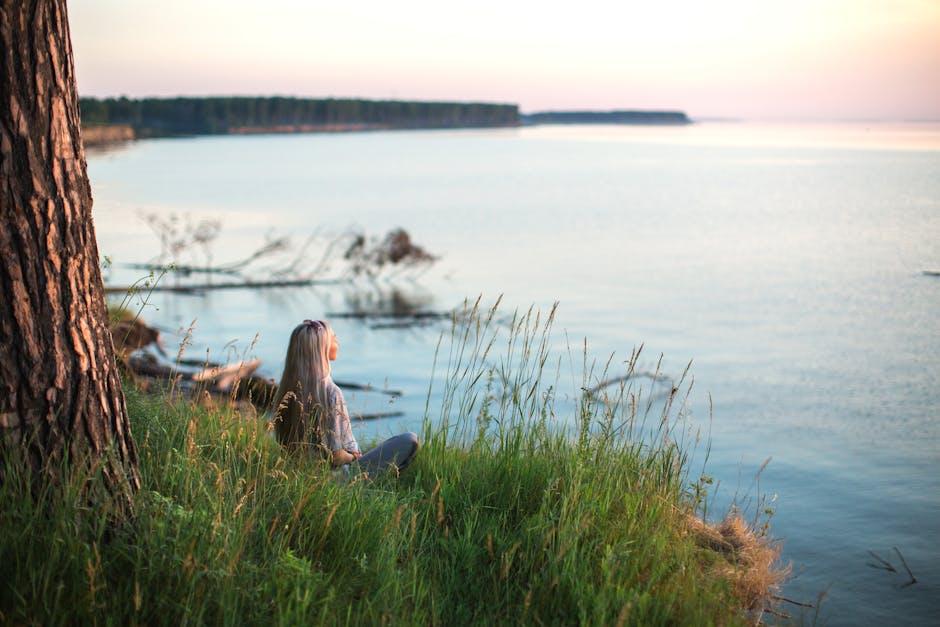
Access to natural water bodies (lakes, rivers, beaches) offers unique psychological and physiological benefits distinct from “green” environments. The sound and sight of water has a calming, restorative impact on the central nervous system, including measurable decreases in heart rate and stress hormone production [ScienceDirect]. Simple practices include:
- Sitting quietly by a pond, stream, or urban fountain
- Engaging in mindful walking or “beachcombing” along water edges
- Listening to the sound of water for deep relaxation
Interactions with blue spaces have also been linked to lower risk of depression and improved sleep quality [NCBI/PMC].
5. therapeutic Gardening
Gardening is one of the most thoroughly researched forms of everyday nature therapy. Horticultural interventions are proven to reduce psychological distress and depressive symptoms, while boosting positive affect and resilience [NCBI/PMC]. Activities may include:
- Planting, weeding, or tending to flower beds and vegetable patches
- Caring for indoor potted plants or community garden plots
- Engaging children and elderly populations in shared gardening routines
Notably, therapeutic gardening is accessible to individuals of all ages and physical abilities, and indoor gardening can be adapted for those with mobility limitations [Harvard Health].

nature and Mindful Presence: Cognitive, Emotional, and Neurobiological Insights
Mindful presence is the deliberate cultivation of awareness and acceptance of the present moment. Time in nature supports this process through several overlapping mechanisms:
- Attention Restoration: The Attention Restoration Theory (ART) posits that natural environments—rich in “soft fascination”—help replenish cognitive resources depleted by prolonged attention demands, such as screen-based work.
- Default Mode Network (DMN) Modulation: Exposure to nature reduces self-referential thinking and rumination by downregulating activity in the DMN, a brain network implicated in depressive symptomatology [PNAS].
- Emotional Regulation: Contact with nature activates regions of the left prefrontal cortex related to positive affect and emotional control, while dampening amygdala-mediated fear and anxiety [JAMA Psychiatry].
- Mindful Engagement: By bringing intentional curiosity to natural details (e.g.,cloud movements,insect activity),individuals deepen their mindfulness practice and experience greater self-transcendence [Healthline].
These effects collectively bolster resilience against daily stress and build cognitive flexibility, promoting enduring well-being and stress tolerance [NHS].
Scientific Mechanisms: How Nature Modulates Stress Response
The stress-relieving and mindfulness-enhancing properties of nature can be explained through several intertwined physiological and neurobiological processes:
- HPA Axis Modulation: Nature exposure suppresses hypothalamic-pituitary-adrenal (HPA) axis hyperactivity, decreasing circulating glucocorticoids and pro-inflammatory cytokines [NCBI/PMC].
- Parasympathetic Regulation: Sensory stimuli from plants, soil, or water directly activate vagal tone, counterbalancing sympathetic overactivity involved in “fight or flight” [Medical News Today].
- Neurotrophic and Anti-inflammatory Effects: Repeated nature exposure stimulates release of brain-derived neurotrophic factor (BDNF) and dampens neuroinflammation, fostering neuroplasticity and resilience [NCBI/PMC].
Evidence also indicates that phytoncides—volatile organic substances produced by trees—have direct immunomodulatory and anxiolytic effects [The Lancet Digital Health].
Practical approaches: Integrating Nature into Daily Routines
The clinical benefits of nature therapy are attainable even in highly urbanized settings. Hear are detailed, practical guidelines to maximize these effects:
- “microdosing” Nature: Even vrey brief periods (<5 minutes) spent in or viewing natural scenes—such as a walk around a city park, tending to a window garden, or viewing nature photographs—can yield measurable stress relief [ScienceDirect].
- Nature at Work: Incorporate indoor plants, natural light, and nature sounds into workplace settings. Evidence shows that green office designs improve focus,mood,and reduce absenteeism [Medical news Today].
- Scheduled Nature Breaks: Prescribe regular “nature breaks” between work or study tasks, similar to structured mindfulness interventions (Mayo Clinic).
- Accessible Nature: Seek out the nearest patches of green space or water, irrespective of size—community gardens, riverside walks, small urban parks, or tree-lined streets all provide benefit [Harvard Health].
- Digital Nature Exposure: For individuals without physical access, immersive nature imagery, soundscapes, and guided virtual “nature walks” effectively reduce stress and adverse mood states [The Lancet Public Health].
For individuals with mobility or sensory impairments, adaptive programs (such as aerial walks, tactile plant therapy, or multisensory gardens) are increasingly available and effective.
Cautions and Contraindications: ensuring safety in Nature-Based Therapies
While the vast majority of people can safely engage in nature-based interventions, certain medical, environmental, and psychological considerations are essential:
- Allergy risk: Individuals with severe environmental allergies (pollen, mold, insect venom) should choose settings and seasons carefully and consult an allergist or primary care physician if needed [CDC].
- Tick-borne and vector-borne disease: Apply recommended repellents and protective clothing, particularly in endemic areas for Lyme disease or West Nile virus [CDC].
- Sun and UV exposure: Use sunscreen, hats, and protective attire during prolonged outdoor activities to prevent sunburn and reduce long-term risk of skin cancer [NIH – National Cancer Institute].
- Psychological safety: Individuals with specific anxiety disorders (e.g., agoraphobia) may require gradual, graded exposure protocols supervised by a mental health professional [Mayo Clinic].
- Mobility or sensory disabilities: Adapt nature interventions for safety and accessibility. Many public parks are equipped with wheelchair-accessible trails and sensory gardens.
If you have any health concerns or comorbidities, consult your healthcare provider before beginning any new activity.
Special Populations: Children, Elderly, and At-Risk Groups
Nature-based interventions have unique benefits and considerations across the lifespan:
- Children and Adolescents: Regular unstructured play in natural settings is associated with higher emotional intelligence, creativity, and stress resilience. Nature-based learning environments show promise in reducing symptoms of ADHD and improving academic performance [Harvard Health].
- Older Adults: Interaction with nature reduces isolation, improves mood, and lowers cardiovascular risk. gardening and group nature walks are particularly beneficial for cognitive health and social engagement [NCBI/PMC].
- At-risk communities: Access to safe green and blue spaces is a public health equity issue. Community initiatives for greening urban areas provide measurable improvements in mental health and reduce health disparities [The Lancet Public Health].
Frequently Asked Questions (FAQs)
| Question | Evidence-Based Answer |
|---|---|
| How much time in nature is needed for stress relief? | A minimum of 10–20 minutes of nature exposure can lead to measurable decreases in stress hormones and blood pressure [Harvard Health]. Benefits increase with frequency, ideally at least 2 hours/week. |
| Are virtual nature experiences effective? | Yes, immersive nature imagery and soundscapes can decrease subjective stress and improve mood, particularly for those who cannot access green or blue spaces directly [JAMA Psychiatry]. |
| Do I need to exercise in nature for benefits? | No. Passive exposure (sitting, observing, or gentle walking) is sufficient for significant stress relief.Physical activity amplifies health benefits but is not required [NCBI/PMC]. |
| What if I live in a city with limited green space? | Indoor plants, balcony gardens, street trees, and short visits to small parks all contribute to stress relief and mindful presence [Medical News Today]. |
Conclusion: Harnessing nature for Resilience and Well-Being
The body of evidence supporting nature’s role in stress relief and mindful presence is robust, spanning basic science, clinical trials, and public health. Integrating nature-based practices does not require dramatic lifestyle changes or extensive resources—it is about leveraging accessible, evidence-based strategies to counteract the demands of the modern world. Even in the busiest urban environments, short and frequent interactions with plants, trees, water, and wildlife can foster immediate relaxation and deeper mindful presence.
For individuals, mental health professionals, and public health leaders, “nature prescriptions” should be regarded as a vital, safe, and cost-effective adjunct to existing stress management protocols. In times of chronic stress and uncertainty, reconnecting to the biosphere is a scientifically supported and profoundly healing practice—one within reach for nearly everyone.
References
A comprehensive reference list of live hyperlinks is integrated throughout the article for further reading and verification of scientific evidence. For more detailed facts on nature and mental health, consult sources at National Institutes of Health, Mayo Clinic, and Harvard Health.