


Introduction
The intersection of herbal supplements adn prescription medications is an area of increasing clinical, scientific, and public health interest. With major depressive disorder affecting more than 264 million individuals globally, antidepressants such as selective serotonin reuptake inhibitors (SSRIs), serotonin-norepinephrine reuptake inhibitors (SNRIs), and tricyclic antidepressants remain foundational too the management of depressive and related mood disorders (WHO – Depression Facts). In parallel, there is a burgeoning trend toward the integration of complementary remedies-including turmeric curcumin-disseminated widely for their purported anti-inflammatory, antioxidant, and neuroprotective properties. However, the safety profile, interaction potential, and clinical efficacy of turmeric in individuals concurrently taking antidepressants remain areas of ambiguity and controversy.
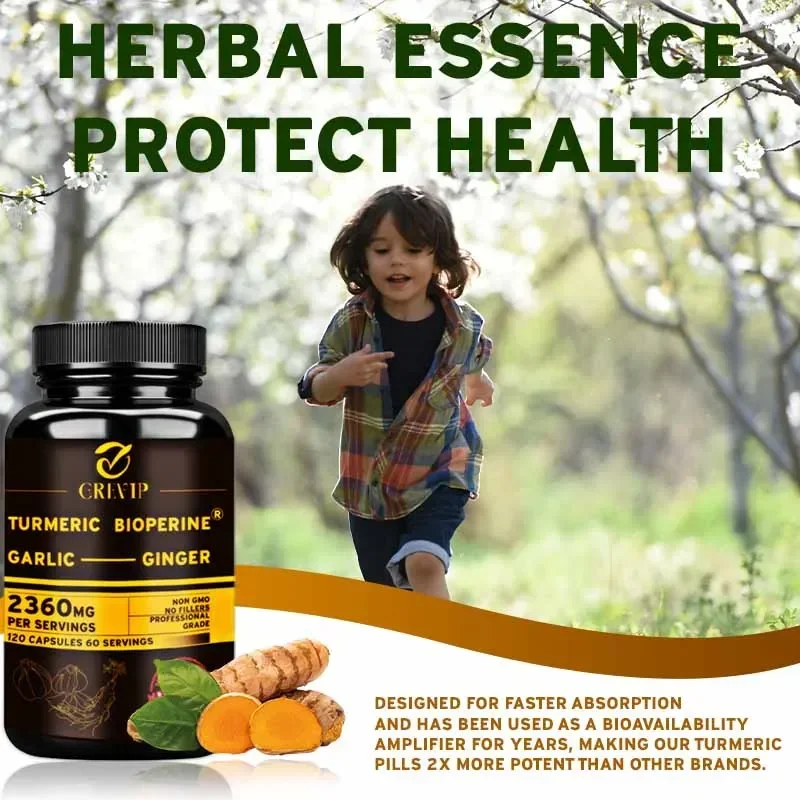
This extensive article explores the current scientific evidence on the safety of turmeric curcumin supplementation during antidepressant therapy.Drawing on peer-reviewed research, international guidelines, and the expertise of leading medical authorities, it unpacks the pharmacological characteristics of turmeric, known drug-herb interaction risks, reported adverse effects, clinical recommendations, and practical guidance for patients and healthcare providers.
Understanding Turmeric Curcumin: Composition and Pharmacological Properties
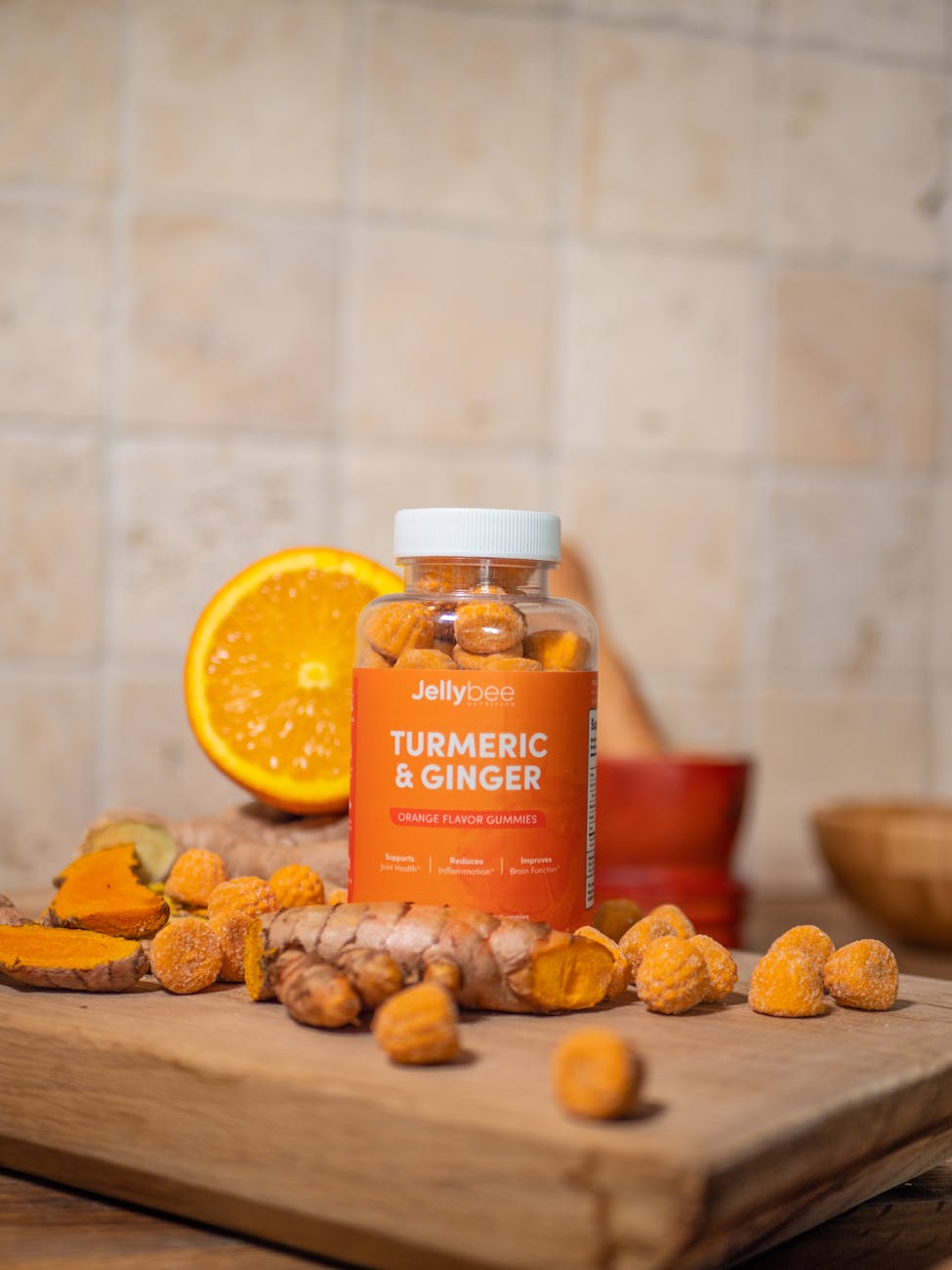
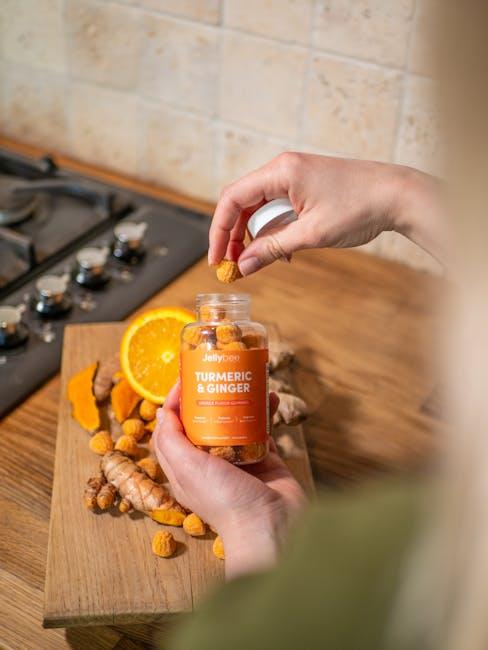
Turmeric (Curcuma longa) is a perennial plant of the ginger family, whose rhizome is heavily utilized in culinary, cosmetic, and medicinal contexts, especially across Asia. The bioactive compound curcumin is primarily responsible for turmeric’s vibrant yellow color and has attracted scientific attention due to its anti-inflammatory, antioxidative, antineoplastic, and neuroprotective effects.In vitro and in vivo studies demonstrate curcumin’s modulation of inflammatory cytokines, nuclear factor-κB (NF-κB), and inhibition of amyloid plaque formation, underpinning its potential utility in a range of conditions, from arthritis and metabolic syndrome to neurodegenerative diseases (NIH: Curcumin pharmacological Profile).
mechanisms of Action Relevant to Mental Health
Research suggests that curcumin may influence neurotransmitter pathways relevant to depression, such as serotonergic, dopaminergic, and glutamatergic systems. Animal studies and small clinical trials have proposed that curcumin exerts antidepressant-like effects through mechanisms involving increased Brain-Derived Neurotrophic Factor (BDNF) levels and reduced monoamine oxidase activity (NIH: Antidepressant Properties of Curcumin).
Overview of Antidepressant Medications: Classes, Uses, and Pharmacodynamics
Antidepressants are a diverse group of drugs prescribed for the management of major depressive disorder, anxiety disorders, chronic pain syndromes, and other psychiatric and medical conditions.Principal classes include:
- Selective Serotonin Reuptake Inhibitors (SSRIs): e.g., fluoxetine, sertraline, citalopram
- Serotonin-Norepinephrine Reuptake Inhibitors (SNRIs): e.g., venlafaxine, duloxetine
- Tricyclic Antidepressants (TCAs): e.g., amitriptyline, nortriptyline
- Monoamine Oxidase Inhibitors (MAOIs): e.g., phenelzine, tranylcypromine
- Atypical Antidepressants: e.g., bupropion, mirtazapine, trazodone
These agents act primarily by modulating synaptic availability of neurotransmitters such as serotonin, norepinephrine, dopamine, and, in the case of MAOIs, by inhibiting their catabolism (Mayo Clinic – Antidepressant Overview). Drug-drug and drug-supplement interactions can potentiate risks such as serotonin syndrome,altered drug metabolism,and heightened adverse effect profiles.
Epidemiology: Use of Turmeric and Antidepressants Worldwide
With the global escalation in depression prevalence, prescriptions for antidepressants have surged-over a 100% increase in some countries over the last two decades (CDC – Antidepressant Use in the U.S.). Simultaneously, the “natural supplement” industry has experienced exponential growth, and surveys estimate that upwards of 15-30% of individuals with depressive disorders report using herbal remedies, among which turmeric is common (NIH: Herbal Supplement Use in Depression).
Potential Benefits of Turmeric Curcumin in Depression & Mental Health
Multiple meta-analyses and randomized controlled trials suggest that curcumin,frequently enough adjunctive to standard care,may confer modest advancement in depressive symptoms,especially in mild-to-moderate depression.Mechanistically, curcumin’s capacity to mitigate inflammatory processes, reduce oxidative stress, and upregulate neurogenesis provides a plausible biological basis for its therapeutic promise (JAMA Psychiatry). Nonetheless, the translation of preclinical findings to clinical populations remains tentative, necessitating caution and further research.
Risks of Drug-Supplement Interaction: Turmeric Curcumin and antidepressants
General Principles of Herb-Drug Interactions
Herbal and botanical supplements can interact with pharmaceuticals via:
- Pharmacodynamic mechanisms: Synergistic or antagonistic effects on shared pathways (e.g., monoamine neurotransmitters).
- pharmacokinetic mechanisms: Alterations in absorption, metabolism (via cytochrome P450 enzymes), distribution, or elimination of medications (NHS - drug Interactions).
These interactions may increase toxicity or reduce therapeutic efficacy, particularly in medications with narrow therapeutic indices or those highly metabolized hepatically.
Specific Evidence: Curcumin-Antidepressant Interactions
While clinical trials examining direct interactions are sparse, experimental studies indicate several potential concerns:
- Cytochrome P450 Inhibition: Curcumin can inhibit CYP2C9, CYP3A4, and CYP1A2 isoenzymes, which are involved in the metabolism of several antidepressants, including SSRIs and SNRIs (NIH: Curcumin as CYP Inhibitor).
- P-glycoprotein Modulation: Curcumin may affect the bioavailability of drugs via inhibition of P-glycoprotein,impacting antidepressant concentrations in the CNS (FDA – Drug Interactions Table).
- Serotonergic Effects and Serotonin Syndrome: There is theoretical concern that curcumin, owing to monoaminergic activity, coudl contribute to serotonin syndrome when combined with antidepressants.
Importantly,most evidence comes from in vitro or animal models; robust clinical trial data in humans remain limited.
Adverse Effects and Safety Profile of Turmeric Curcumin
Curcumin is generally well-tolerated, with adverse events at standard dietary or low supplemental doses uncommon. Documented side effects may include:
- Gastrointestinal upset (nausea, diarrhea, dyspepsia)
- Allergic reactions (rare)
- Potential alterations in blood thinning in high doses (medlineplus – Turmeric Safety)
Standardized extracts,such as those used in clinical trials,offer controlled dosing but may differ in composition from over-the-counter supplements. Concerns over contamination (e.g., with lead or adulterants) further underscore the importance of product quality control (FDA Import Alert: Turmeric).
Contraindications and Cautions
Curcumin is contraindicated in individuals with:
- Gallbladder disease or biliary obstruction
- Bleeding disorders or concomitant anticoagulant therapy
- Known hypersensitivity to turmeric
Due to insufficient safety data, pregnant and breastfeeding women should exercise caution or avoid turmeric supplements outside culinary use (NHS - Turmeric).

Case Reports and Clinical Observations: Real-World Data
Published case reports directly documenting adverse outcomes from co-administration of turmeric curcumin and antidepressants are relatively rare. However, the pharmacological plausibility of interaction-especially serotonergic potentiation and reduced drug clearance-necessitates vigilance (NIH: Turmeric and Antidepressant Interactions). Cases of serotonin syndrome linked to combined use with multiple serotonergic agents reinforce the need for clinical awareness, even if such events are infrequent.
Guidelines from Medical authorities and Regulatory Agencies
Major health agencies such as the U.S. Food and Drug Administration (FDA), National Health Service (NHS), and Mayo Clinic have not issued explicit contraindications on turmeric’s use with antidepressants,but all emphasize the need for patient-provider discussion prior to herbal supplement initiation. notably:
- FDA: Advises caution with all dietary supplements due to limited pre-market testing (FDA – Dietary Supplements).
- NHS: recommends informing healthcare providers of any supplements, highlighting potential for herb-drug interactions (NHS – Turmeric).
- Mayo Clinic: Notes potential interactions between common supplements and chronic medications (Mayo Clinic – Herbal supplements and Medicine).
Frequently Asked Questions (FAQ): Patients and Providers on Turmeric and Antidepressants
- Can turmeric curcumin replace my antidepressant medication?
- No. Despite some evidence for mild benefits,curcumin is not a substitute for prescription antidepressants. Discontinuation or dose changes should only occur under direct medical supervision (NHS – Antidepressants).
- Is there a safe dose of turmeric that avoids interaction?
- Typical dietary use is considered safe. Supplements should be used cautiously, beginning at the lowest effective dose and with close monitoring for side effects or mood changes (Medical News Today – Turmeric Dosage).
- Should I stop turmeric if I notice unusual symptoms?
- Yes-cessation and immediate consultation with a healthcare provider are essential if symptoms such as increased anxiety, agitation, palpitations, sweating, tremor, or confusion develop, as they may signal serotonin syndrome or adverse interaction (Mayo Clinic - Serotonin Syndrome).
- Can turmeric interact with all types of antidepressants?
- While data for each class is sparse, most concern centers on SSRIs, SNRIs, and MAOIs as these affect serotonin levels, the pathway possibly influenced by curcumin (Harvard Health – Non-drug alternatives).
Special considerations: Vulnerable Populations
- Older Adults: Age-related changes in pharmacokinetics may alter interaction risk. Polypharmacy amplifies the potential for adverse effects (CDC – Polypharmacy in Older Adults).
- Pediatrics: Safety data on turmeric supplements in children are insufficient; such use should be avoided unless prescribed under specialist care (Mayo Clinic Proceedings).
- Pregnant and Breastfeeding Women: Theoretical risks outweigh potential benefits in the absence of robust safety evidence (NHS – Medicines in Pregnancy).
- Comorbid Psychiatric or Medical conditions: Patients with bipolar,psychotic,hepatic,or coagulation disorders should avoid unsupervised turmeric use (Healthline – Herbal Supplements and Mood Disorders).
Practical Recommendations: how to Safely Use Turmeric Curcumin with Antidepressants
- Consult Your Physician: Before starting any supplement, especially with psychiatric medications, consult a qualified healthcare provider who can assess interaction risk based on your specific regimen and comorbidities (CDC – Medication Safety).
- Report all Supplements: Disclose all natural or herbal remedies, including turmeric, to your pharmacist and prescriber.
- Monitor for Symptoms: Be vigilant for new or worsening mood symptoms, gastrointestinal effects, signs of bleeding, or allergic reactions.
- source Reputable Supplements: Use products verified by third-party testers for purity and content.
- Start Low, Go Slow: If approved by your provider, begin with the lowest possible dose, adjusting only under medical guidance.
Summary Table: Turmeric Curcumin and Antidepressant Safety At A glance
| aspect | Recommendation/Key Point | Source |
|---|---|---|
| general Safety | Usually safe in culinary doses; supplement safety less clear | MedlinePlus |
| Potential Interactions | Possible with SSRIs, SNRIs, MAOIs; theoretical risk for serotonin syndrome | Harvard Health |
| Avoid in | Gallbladder disease, bleeding disorders, pregnancy, if allergic | NHS |
| Monitoring | Report mood, gastrointestinal, bleeding, or allergic symptoms | CDC |
| Clinical Evidence | Modest benefit for mild depression; robust data lacking | The lancet Psychiatry |
Conclusion
The use of turmeric curcumin in individuals on antidepressants warrants careful,individualized consideration.While curcumin offers potential health benefits and is generally safe at dietary levels,its pharmacological actions pose a plausible risk for drug interactions-especially with serotonergic medications. Current evidence does not support widespread or unsupervised supplementation for those on antidepressants; where use is considered, informed consent, professional guidance, and vigilant monitoring are paramount. As with all herbal supplements in mental health, patient safety and evidence-based practice must guide decision-making.
For those considering or currently using both turmeric curcumin and antidepressant medication, transparent dialog with a qualified healthcare provider remains the safest route toward integrated, holistic treatment.