



Introduction
apple cider vinegar (ACV) has witnessed a dramatic surge in popularity as a natural remedy, gaining praise for purported benefits in weight management, glycemic control, and cardiovascular health. Traditionally consumed as a liquid vinegar ”shot” or diluted in water, the rise of encapsulated apple cider vinegar pills promises a more palatable and convenient option. However, the question arises: Can apple cider vinegar pills genuinely replace regular vinegar shots in terms of efficacy, bioavailability, and safety? This is a vital clinical consideration given the widespread use of these products, impact on patient self-management practices, and potential for adverse effects or drug interactions if not properly understood.
As global health and wellness trends continue to shape consumer behaviors, health professionals and informed patients alike seek clarity on the safest and most effective delivery modalities of apple cider vinegar. this comprehensive, evidence-based review draws upon current clinical guidelines, peer-reviewed studies, and regulatory insights to provide a critical comparison between apple cider vinegar pills and liquid vinegar shots. All findings and recommendations are supported by authoritative sources, ensuring data accuracy and clinical relevance.

Understanding Apple Cider Vinegar: Background and Mechanism of Action
Historical Perspectives and Modern Usage
Apple cider vinegar is derived from the fermentation of apple juice. Containing acetic acid as its chief bioactive component, ACV has been used for centuries in traditional medicine and food preservation. Modern interest is based on studies examining its potential to impact blood glucose modulation, appetite suppression, lipid profiles, and antimicrobial activity. Clinical research highlights possible mechanisms such as delayed gastric emptying and modulation of carbohydrate metabolism (NIH).
Key Bioactive Components
- Acetic acid: Primary active ingredient, implicated in metabolic and antimicrobial effects.
- Polyphenols: Present in unfiltered ACV, offering antioxidant properties (Harvard Health).
- Probiotics & Enzymes: Naturally occurring in raw, unpasteurized vinegar but may not be present in processed forms or pills.
Absorption and Pharmacokinetics
The efficacy of apple cider vinegar, whether in liquid or pill form, depends on the bioavailability of its acetic acid and other active constituents. Acetic acid is rapidly absorbed through the gastrointestinal mucosa, exerting systemic effects that may contribute to glycemic control and weight regulation. the matrix of delivery-liquid versus encapsulation-can alter these pharmacokinetic properties (CDC).
Apple Cider Vinegar Shots: Benefits, Drawbacks, and Clinical Evidence
Therapeutic Benefits
evidence suggests that liquid apple cider vinegar may exert several clinically relevant effects:
- Glycemic regulation: Multiple small-scale studies indicate that acetic acid can attenuate prandial blood glucose and insulin responses in healthy and diabetic individuals (NIH PMC).
- Weight Management: Some randomized controlled trials (RCTs) report modest reductions in body weight and waist circumference among overweight adults, though findings are heterogenous (JAMA).
- Digestive Health: Anecdotal and some preliminary evidence suggests potential for improved digestion and satiety,though large-scale human data are lacking (Healthline).
risks and Adverse Effects
- Dental Erosion: Direct exposure of the oral cavity to acidic vinegar can erode dental enamel (mayo Clinic).
- Gastrointestinal Upset: Some users experience nausea, heartburn, or delayed gastric emptying-especially at higher doses (NIH PMC).
- Hypokalemia and Drug Interactions: Excessive ingestion can lead to low potassium and interact with insulin,diuretics,and cardiac medications (FDA).
regulatory and Clinical Recommendations
Health authorities recommend restricting daily intake to no more than 1-2 tablespoons diluted in water, preferably taken with meals to reduce adverse effects (NHS). Prolonged excess consumption carries well-documented risks.
Apple Cider Vinegar Pills: Composition, Efficacy, and Safety
How Are Apple Cider Vinegar Pills Made?
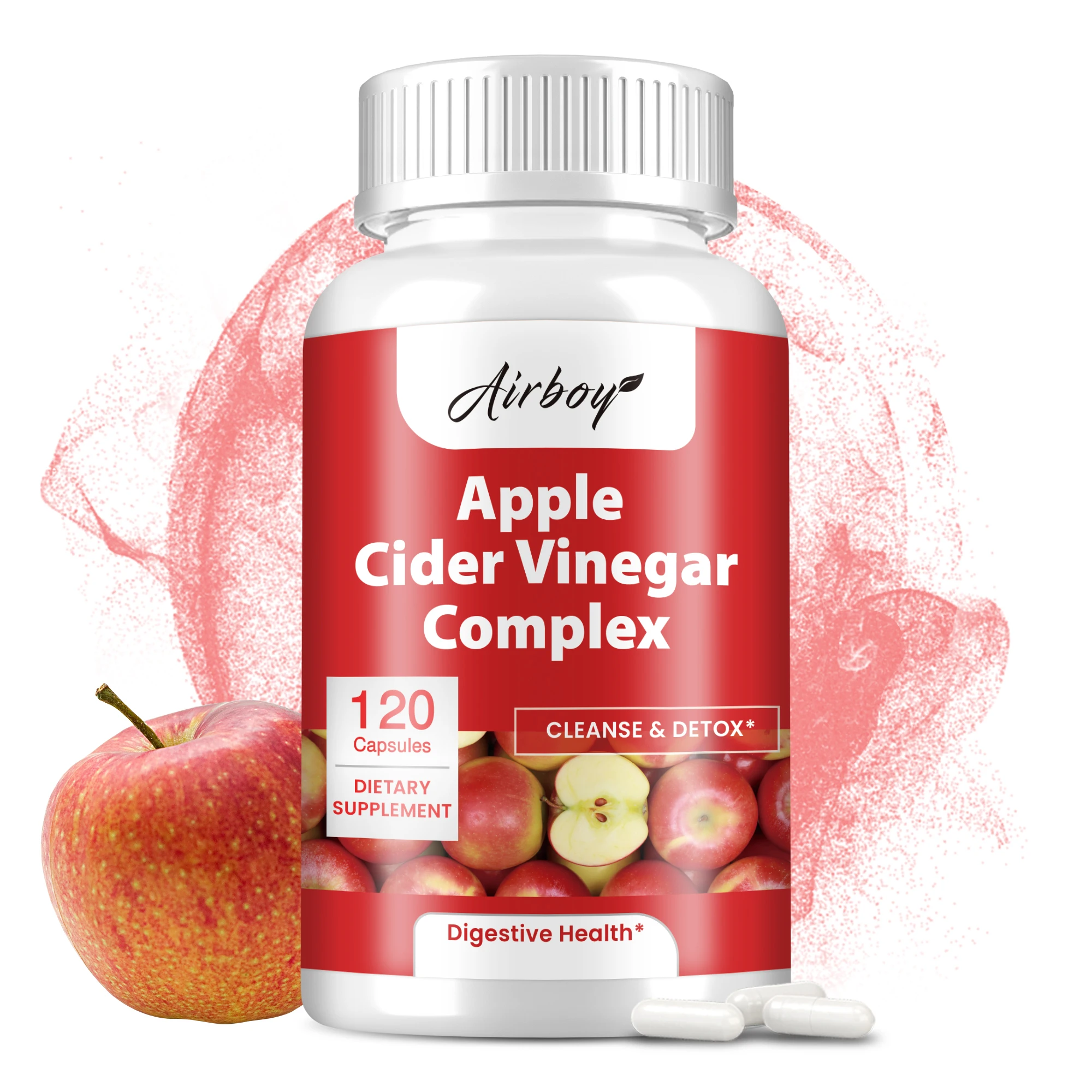
ACV pills typically contain dehydrated vinegar concentrate enclosed in gelatin or vegetarian capsules. Some formulations include additional ingredients such as cayenne pepper,chromium,or B vitamins. The FDA does not regulate supplements as stringently as pharmaceuticals; actual acetic acid content may significantly differ among brands.
Potential Benefits Compared to Liquid Vinegar
- Convenience: Pills are portable, easy to ingest, and mask the strong taste and odor of vinegar.
- Dental Protection: Capsules avoid direct contact between acetic acid and dental enamel, theoretically reducing risk of erosion (Medical News Today).
- Gastrointestinal Comfort: Some users report reduced heartburn or nausea compared to ingesting acidic liquids.
Limitations and Risks
- Inconsistent Dosing: Label claims may not accurately reflect acetic acid concentration or purity, resulting in unpredictable pharmacodynamics (NIH PMC).
- Delayed Action: Release profile depends on capsule dissolution in the gut, potentially reducing rapid effect seen with liquid intake.
- Adulteration and Additives: Quality control issues can introduce contaminants or unlisted ingredients, with possible adverse effects (FDA).
- Limited Clinical Evidence: Few robust studies exist specifically evaluating ACV pills, with most available data derived from liquid vinegar research.
Key Takeaway
While apple cider vinegar pills can offer a more user-kind experience, thay introduce variables-such as inconsistent dosing and uncertain bioavailability-that may diminish their efficacy and safety compared to carefully administered liquid vinegar.

Comparative Clinical Evidence: Pills vs. Shots
Human Studies Comparing Pills and Liquid ACV
A thorough literature review reveals that most clinical research on apple cider vinegar’s efficacy has used the liquid form. Systematic reviews examining ACV for weight loss and glucose management have noted a paucity of quality data on encapsulated or pill forms. In head-to-head trials, differences in absorption rates, gastric tolerability, and metabolic response have been measured but mainstream consensus is not yet established.
Bioavailability and Pharmacodynamics
Bioavailability – the proportion of acetic acid reaching systemic circulation – tends to be higher and more predictable with liquid forms. Encapsulation may slow absorption and reduce the rate at which ACV exerts its biological effects. Studies on similar supplements indicate that delayed release can affect potency and clinical outcomes (Harvard Health).
Consumer Safety data
Case reports in clinical literature have documented esophageal injury, pill-induced gastrointestinal irritation, and rare cases of acute toxicity from ACV capsules that were improperly manufactured or consumed in excessive doses (NIH PMC). Unlike vinegar shots, the contents of pills are not always subject to rigorous testing.
Regulatory Insights and Quality Assurance
Supplement Regulation
The U.S. Food and Drug Governance (FDA) and equivalents in Europe and other regions classify ACV pills as dietary supplements-not as drugs. Therefore, supplements do not undergo mandatory pre-market efficacy or safety testing. Recent FDA safety alerts underscore the risk of mislabeled or adulterated supplements (FDA Supplement Guide).
Quality Control in Manufacturing
Autonomous analyses frequently reveal significant variation in acetic acid content among commercially available ACV pill brands.This variability can undermine therapeutic intent and increase the risk of adverse events, especially for patients with comorbidities or on concurrent pharmaceuticals.
Guidance from Medical Authorities
Professional organizations, including the American Diabetes Association and NHS, caution against using unregulated supplements for disease management but acknowledge possible symptom relief for otherwise healthy users (American Diabetes Association). For weight control or glycemic advancement, proven dietary and lifestyle interventions remain the standard of care.
Side Effects,Drug Interactions,and Special Populations
Adverse Effects Unique to Liquid Shots
- Oropharyngeal and dental erosion,especially if taken undiluted.
- Potentiation of acid reflux and esophageal irritation.
Adverse Effects Unique to Pills
- Gastric or esophageal injury from pill lodging or rapid disintegration.
- Possible exposure to contaminants if produced in non-certified facilities.
Drug Interaction Risks
- ACV may interact with hypoglycemic agents, potassium-lowering medications, and some diuretics (MedlinePlus).
- Excessive potassium excretion can potentiate hypokalemia, especially in elderly or renal-impaired patients.
Special Patient Populations
- Pediatrics: Neither form is recommended due to risk of toxicity and dental injury.
- Pregnancy and Lactation: Insufficient data to support use; risk of contamination and maternal-fetal transfer.
- Chronic Illness: Patients with diabetes, gastrointestinal disorders, or kidney disease should avoid unsupervised use and seek advice from a healthcare professional (Mayo Clinic).
Nutritional Content and Label Openness: Shots vs. Pills
Apple cider vinegar in its liquid form contains acetic acid, trace minerals, some B vitamins, and polyphenols (if unfiltered and unpasteurized). Most pills list little nutritional value beyond acetic acid, and few contain the ”mother” (the symbiotic culture of bacteria and yeast) that is present in traditional vinegar. Detailed breakdowns submitted to consumer advocacy labs highlight considerable discrepancies between labeled and actual content, reinforcing the need for third-party verification (Consumer Reports).
| Property | ACV Liquid Shot | ACV Pills |
|---|---|---|
| Typical acetic acid content | 5-7% per serving | Varies (0.5-2% per pill-see manufacturer) |
| Polyphenols & enzymes (“mother”) | Present (if unfiltered/raw) | Absent or minimal |
| Quality control | High (food-regulated) | Varies (supplement-regulated) |
| Label accuracy | High | Variable-subject to FDA recalls |
Patient and Consumer Perspectives
Surveys conducted by independant health organizations suggest consumers prefer pills for ease, taste, and portability but generally regard shots as more ”natural” and trustworthy. Though, many are unaware of the differences in clinical efficacy or risks. Misleading marketing can result in overestimation of health benefits or underappreciation of side effect profiles (Healthline).
frequently Asked Questions About Apple Cider Vinegar Pills vs. Regular Shots
- Can apple cider vinegar pills provide the same health benefits as liquid shots?
Current evidence does not confirm equivalence; pill forms may have diminished efficacy due to lower, inconsistent acetic acid and reduced bioavailability (Medical News Today).
- are apple cider vinegar pills safer than vinegar shots?
Pills may reduce dental or esophageal irritation but incur risks of contamination, dosage inconsistency, and supplement adulteration.
- Who should avoid using ACV in any form?
Pregnant/lactating individuals, children, patients with chronic diseases (e.g., diabetes, renal failure), and those on interacting medications.
Clinical Recommendations and evidence-Based Advice
- For patients interested in ACV: Prefer liquid vinegar shots, diluted in water and consumed with food. Limit daily intake as per clinical guidelines (NHS).
- If selecting pills: Choose brands certified by third-party quality labs and verify acetic acid content. Monitor for gastrointestinal symptoms and discontinue if adverse effects occur.
- Consult healthcare providers: For individuals with chronic diseases or medication regimens, seek professional input before initiating ACV supplementation (Harvard Health).
- No ACV form replaces evidence-based therapies: Use as a dietary adjunct, not a substitute for approved medical treatments.
Conclusion
While apple cider vinegar pills are convenient and may reduce dental and digestive irritation associated with vinegar shots, key differences in acetic acid concentration, bioavailability, and regulatory oversight mean they are not reliable substitutes for liquid ACV.For individuals seeking the purported health benefits of apple cider vinegar, the liquid form remains the best-studied option, provided it is used appropriately and under medical guidance. Unregulated pills pose unique risks not shared by the food-grade liquid product and should be used with caution. Ultimately,neither form should be considered a primary therapy for chronic health conditions,and all supplementation should be personalized in collaboration with qualified healthcare professionals.
References
- NIH PubMed: Apple Cider Vinegar Research
- Mayo Clinic: Apple cider vinegar: Can it help with weight loss?
- FDA: Dietary Supplements
- NHS: Apple Cider Vinegar
- Harvard Health: Apple cider vinegar health benefits and claims
- JAMA: Effects of Vinegar on Blood Glucose
- NIH PMC: Apple Cider Vinegar Tablets – Quality Issues