

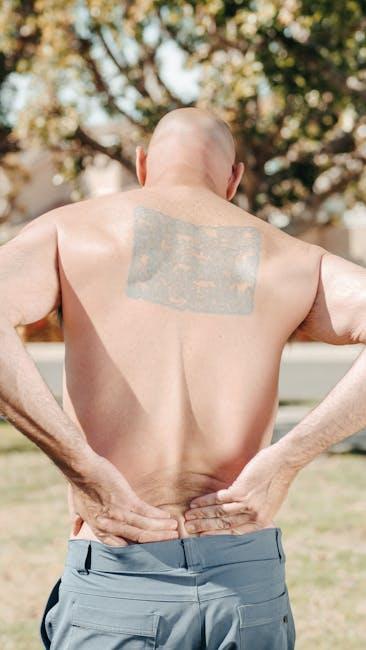
6 lifestyle changes that help reduce lower back pain naturally
introduction
Lower back pain is a pervasive condition that substantially affects the quality of life for millions worldwide. According to the World Health Organization (WHO), lower back pain is the single leading cause of disability globally, impacting mobility, productivity, and overall well-being. With an estimated 619 million people affected in 2020 alone, it poses a major public health concern, especially in working-age populations. While pharmacologic and surgical interventions are sometiems necessary, a growing body of scientific evidence supports the role of natural, lifestyle-based measures in reducing lower back pain and preventing recurrence.This article explores six evidence-based lifestyle changes to manage and relieve lower back pain naturally, leveraging advice and data from leading medical bodies.
Overview and Definition
Lower back pain, medically known as lumbago, refers to discomfort or pain localized below the costal margin and above the inferior gluteal folds, ofen with or without leg pain (sciatica). According to the National Institutes of Health (NIH),it can be classified into:
- Acute: Lasting less than 6 weeks
- Subacute: Lasting between 6–12 weeks
- Chronic: Persisting for more than 12 weeks
Lower back pain primarily affects the musculoskeletal and nervous systems and is associated with conditions such as muscle strain,degenerative disc disease,spinal stenosis,and radiculopathy. Prevalence rates are strikingly high — nearly 80% of adults will experience critically important lower back pain at least once in their lifetime (PubMed).
Causes and Risk Factors
The etiology of lower back pain is multifactorial, involving an interplay of biological, genetic, environmental, and behavioral factors. Here, we outline the main contributors substantiated by the literature:
- Muscle or Ligament Strain: Repeated heavy lifting or sudden awkward movements can strain spinal muscles and ligaments. Frequent strain can trigger painful muscle spasms (Mayo Clinic).
- Degenerative Changes: Age-related degeneration of intervertebral discs (degenerative disc disease) leads to reduced cushioning and spinal adaptability (Harvard Health).
- Herniated or Bulging Discs: Displacement of disc material can irritate spinal nerves,causing pain and,in some cases,neurological symptoms (PubMed).
- Arthritis: Osteoarthritis can affect the lower back, leading to spinal stenosis — a narrowing of the space around the spinal cord (NIH).
- Poor ure: prolonged sitting, improper ergonomics, and weak core support contribute to musculoskeletal imbalances and chronic low back discomfort (CDC).
- Obesity and Physical Inactivity: Excess weight puts additional stress on spinal structures, while inactivity weakens supportive muscles (NIH).
Additional risk factors include genetics, certain occupations (especially those involving repetitive motion or heavy lifting), smoking, and psychological factors such as depression and anxiety, which have been linked to increased pain perception (JAMA Network).

1.Engage in Regular Physical Exercise
Benefits of Movement for Lower Back Pain
engaging in physical activity is among the most consistently recommended and evidence-backed lifestyle interventions for preventing and alleviating lower back pain. Regular exercise improves flexibility, strengthens the core musculature, enhances spinal stability, and reduces systemic inflammation — all impactful in mitigating pain severity and recurrence (NHS UK).
Types of Recommended Exercises
- Core Strengthening: Exercise regimens targeting the abdominal, pelvic, and lumbar muscles, such as planks and bridges, improve spinal alignment and reduce mechanical stress (Medical News Today).
- Stretching: Gentle stretching of the hamstrings,hip flexors,and lower back increases flexibility and relieves tension.
- Low-Impact Aerobics: Walking, cycling, or swimming help improve overall circulation, joint mobility, and weight management without placing undue stress on the back (Healthline).
- Yoga and Pilates: These practices integrate muscle strengthening, flexibility, and mindful breathing, with numerous randomized controlled trials showing their efficacy for chronic lower back pain relief (PubMed).
Clinical Evidence and Recommendations
Guidelines from the CDC and NIH emphasize that regular, moderate-intensity exercise is both safe and beneficial for most individuals with or at risk for lower back pain.Inactivity, conversely, increases susceptibility to chronic pain and functional limitations.
2. Optimize ure and Ergonomics
Impact of ure on Spinal Health
Modern sedentary lifestyles, notably those involving prolonged desk work, significantly elevate the risk of poor ure, leading to musculoskeletal imbalances and chronic lower back pain. ural correction reduces muscle strain, evenly distributes spinal loads, and diminishes the risk of cumulative injury (Harvard Health).
Strategies for Better ure
- Workstation Adjustments: Ensure that monitors are at eye level, chairs promote lumbar support, and feet rest flat on the floor (CDC).
- sitting Habits: Avoid slouching or crossing legs for prolonged periods. Use an ergonomic chair with good back support and take frequent standing or movement breaks.
- Lifting Techniques: Always lift with the knees,maintain a straight back,and avoid twisting the torso during activities involving heavy objects (mayo Clinic).
ergonomics Beyond the desk
Applying ergonomics principles also includes selecting proper footwear, avoiding prolonged high-heels use, and sleeping on a supportive mattress (Sleep Foundation). Adjusting these everyday variables can profoundly impact back health over time.
3. Maintain a Healthy body Weight
Obesity: A Modifiable Risk Factor
Research links overweight and obesity to a significantly increased risk of both acute and chronic lower back pain. Excess adipose tissue exacerbates mechanical stress on the lumbar spine and accelerates degeneration of intervertebral discs (NIH). Moreover, obesity is associated with low-grade systemic inflammation, which can enhance pain sensitivity and perpetuate musculoskeletal disorders (Harvard Health).
Weight Management Strategies
- Balanced Diet: adopt a nutrient-rich, anti-inflammatory diet emphasizing vegetables, lean protein, healthy fats, and whole grains. Limiting processed foods and sugars reduces inflammatory mediators (NIH).
- Physical Activity: Consistent aerobic and resistance exercises assist with weight control and promote favorable body composition.
- Behavioral Support: Engaging with nutritionists, weight management clinics, or digital health programs can provide structure and accountability.
Reducing bodyweight by even a modest percentage (5–10%) is associated with improved back pain outcomes and reduced functional limitations (Medical News Today).
4. Manage Stress and Mental Health
Psycho-Social Links to Pain Perception
Emotional and psychological stress are known amplifiers of pain due to the involvement of inflammatory pathways and heightened sensitivity of the nervous system. Chronic stress can provoke muscle tension, reduce pain tolerance, inhibit recovery, and even transform acute pain into chronic pain (NIH). Coexisting conditions,such as anxiety and depression,are also strongly associated with the severity and persistence of lower back pain (JAMA Network).
Natural Stress Reduction Techniques
- Mindfulness-Based Stress Reduction (MBSR): Techniques like meditation, deep breathing, and guided imagery lower stress hormones, reduce muscle tension, and improve pain acceptance (NIH).
- Cognitive behavioral Therapy (CBT): CBT helps restructure unhelpful thoughts about pain and supports behavioral changes leading to a rise in functional activity (NIH).
- Social Engagement: Support from friends, family, or support groups can mitigate the psychological toll of chronic pain and foster resilience.
Implementing these interventions—alongside professional mental health support, as needed—delivers benefits that extend beyond pain reduction, supporting overall physical and mental well-being.
5. Quit Smoking and Limit Alcohol
Effects of smoking on Spinal health
Smoking has a direct negative effect on spinal health. Nicotine restricts blood flow to spinal tissues, inhibits nutrient delivery, and impairs healing, increasing the risk for degenerative changes, intervertebral disc disease, and chronic pain syndromes (NIH).Smokers experience higher rates of lower back pain and are less responsive to both conservative and surgical interventions (Mayo Clinic).
Alcohol and Musculoskeletal Health
Excessive alcohol consumption can disrupt bone metabolism, impair muscle function, and contribute to neuropathy, all of which compound the risk of lower back pain and delay recovery (MedlinePlus).
Substance Use Interventions
- Smoking Cessation: Engage in structured programs (nicotine replacement, counseling) shown to improve vascular and spinal health within months of discontinuation (CDC).
- Limiting Alcohol: Following recommended limits for alcohol intake (CDC) boosts musculoskeletal resilience and systemic health.
Quitting smoking and moderating alcohol not only lower lower back pain incidence, but improve overall cardiovascular, musculoskeletal, and neurological health profiles.
6. Prioritize Sleep Quality and routine
Role of Rest in Pain Processing
Sleep and lower back pain share a cyclical relationship: pain interferes with restorative sleep, while poor sleep heightens pain perception, diminishes coping capacity, and impairs tissue recovery (NIH). Sleep disturbances are among the strongest predictors of transitioning from acute to chronic lower back pain (The Lancet).
Natural Strategies for Better Sleep
- consistent Routine: Go to bed and wake up at the same time daily to align circadian rhythms.
- Sleep Hygiene: Minimize electronic device use before bedtime, keep the habitat dark and quiet, and avoid heavy meals or caffeine late in the day (Sleep Foundation).
- Supportive Sleep Surfaces: Invest in a mattress and pillows that provide adequate lumbar alignment and comfort (Sleep Foundation).
implementing even modest improvements in sleep quality can lead to statistically and clinically meaningful reductions in pain and improvements in daytime function.
Bonus: Seek Professional Guidance Early
While the six lifestyle changes outlined above can significantly reduce lower back pain for most individuals, it is crucial to consult a healthcare provider if:
- Pain persists for more than a few weeks
- Pain is severe or accompanied by neurological symptoms (e.g., numbness, weakness, bowel/bladder changes)
- You have a complex medical history or comorbid conditions impacting self-care
Medical professionals can provide individualized assessment and recommend diagnostics, physical therapy regimens, interventional procedures, or referral to specialists — ensuring a timely and safe recovery (Mayo clinic).
Conclusion
Lower back pain, though prevalent and often debilitating, can be effectively managed and frequently prevented by adopting these six lifestyle changes: exercising regularly, optimizing ure, maintaining a healthy weight, managing stress, moderating substance use, and prioritizing restorative sleep. Decades of research and global clinical guidelines underscore the power of these non-pharmacologic and natural strategies to provide relief, reduce pain recurrence, and improve quality of life.
Implementing these changes not only targets lower back pain but also delivers broader health dividends, including reduced risk for cardiovascular disease, diabetes, and mood disorders. For many, making incremental, sustainable modifications — supported by credible medical resources and, when appropriate, professional guidance — paves the way for long-term back health and overall vitality.
For additional trustworthy information about lower back pain management, visit: