
 uric acid levels diet”>
What to Eat When Managing High Uric Acid Levels
Introduction
High uric acid levels—a medical condition known as hyperuricemia—pose significant health risks, including the advancement of gout, kidney stones, and an increased likelihood of metabolic and cardiovascular diseases. According to the Centers for Disease Control and Prevention (CDC),approximately 8.3 million adults in the United States are affected by gout, the most recognized clinical manifestation of hyperuricemia. Managing uric acid levels through dietary intervention is a cornerstone of both prevention and therapeutic protocol for individuals susceptible to urate-related complications. This comprehensive article delves into the pathophysiology of high uric acid,delineates evidence-based dietary recommendations,and provides scientifically grounded insights into optimizing nutrition for metabolic wellness.
Understanding Uric Acid: Pathophysiology and Clinical Meaning
Uric acid is the end product of purine metabolism, a process necesary for the breakdown of nucleic acids.In physiological concentrations, uric acid functions as an antioxidant. However, excessive accumulation leads to crystallization, particularly in joints and renal tissue, precipitating inflammatory responses and tissue damage (NIH: The Pathophysiology of Hyperuricemia and gout).
- Physiological Range: Normal serum uric acid levels typically range from 3.5 to 7.2 mg/dL for adult men and 2.6 to 6.0 mg/dL for adult women (Mayo Clinic: Uric Acid Test).
- Hyperuricemia Definition: Persistently elevated serum uric acid above these values is clinically defined as hyperuricemia, either due to increased production or impaired excretion (Harvard Health: Gout).
Comorbidities include obesity, hypertension, type 2 diabetes mellitus, chronic kidney disease, and dyslipidemia (JAMA: Hyperuricemia and Associated Comorbidities).
Epidemiology and risk Factors for Hyperuricemia
The incidence of hyperuricemia is on the rise due to demographic trends, lifestyle modifications, and increased prevalence of metabolic syndrome (WHO: Noncommunicable Diseases).Key modifiable risk factors include dietary purine intake, increased fructose consumption, excessive alcohol use, and decreased renal uric acid clearance (NIH: Dietary Risk Factors for Hyperuricemia).
- Genetics: Family history is a significant non-modifiable risk factor.
- Demographics: Male sex and advanced age confer higher risk.
- Obesity: Increases in body mass index are directly associated with increased uric acid production.
Clinical Manifestations and consequences of High Uric acid
High serum uric acid, if left unregulated, may culminate in:
- Gout: Intense monoarticular inflammatory arthritis due to monosodium urate crystal deposition in synovial tissues.
- Nephrolithiasis: Uric acid kidney stones, leading to renal dysfunction (National Kidney Foundation: Uric Acid Stones).
- Cardiometabolic Syndromes: Associations with hypertension, ischemic heart disease, and insulin resistance (American Heart Association: Uric Acid and Hypertension).
Medical Nutrition Therapy: The Foundation of Uric Acid Management
Medical nutrition therapy (MNT) is a frontline strategy for controlling serum uric acid. It aims to modify purine intake, enhance uric acid clearance, and manage comorbid conditions. clinically, the core objectives are:
- Reducing dietary purine load
- Abstaining from known dietary triggers
- Supporting overall renal and metabolic health
A multidisciplinary approach, including input from dietitians, rheumatologists, nephrologists, and primary care providers, ensures optimal patient outcomes (NHS: Gout Treatment).
Foods to Avoid with High Uric Acid Levels
Scientific literature consistently demonstrates that certain foods considerably increase serum uric acid due to their high purine content or other metabolic effects.Avoidance of these is critical for effective uric acid management.
High-Purine Animal Proteins
- Red Meats (Beef, lamb, Pork): High in purines; frequent consumption is associated with elevated gout risk (Healthline: Gout Diet).
- Organ Meats (Liver, Kidney, Sweetbreads): Among the most purine-rich foods known.
- Game Meats (Venison, Duck): Often neglected sources of purine excess.
Seafood
- Sardines, Anchovies, Mackerel: Notoriously high in purines and a well-established trigger for gout flares (Mayo Clinic: Gout Diet).
- Shellfish (Shrimp, Lobster, Mussels): Should be minimized or avoided in those with severe hyperuricemia.
Alcohol
- Beer: Due to both its alcohol and purine content,beer is particularly problematic.
- Spirits: consistent evidence indicates that distilled alcohol considerably increases uric acid levels.
- wine: While less potent, excessive consumption should still be avoided (Medical News Today: Uric Acid and Alcohol Impact).
Fructose-Sweetened Beverages
- High-fructose corn syrup—prevalent in sodas,packaged juices,and processed foods—boosts uric acid through hepatic ATP degradation mechanisms (NIH: Fructose Intake and Hyperuricemia).
Foods to Limit When Managing Uric Acid
Some foods are moderately high in purines or may indirectly influence urate metabolism. Limiting, rather than fully avoiding, these items can optimize dietary freedom without compromising metabolic stability.
- Poultry: Especially turkey and goose, which have higher purine concentrations.
- Legumes: Lentils, peas, beans—contain plant-derived purines. Although less potent in causing gout than animal sources, they should be consumed in moderation (Harvard Health: Plant-Based Foods and Gout).
- Asparagus, Spinach, Mushrooms: These vegetables are moderately high in purines; studies suggest only a mild effect on uric acid compared with animal purines.
- Oats and Whole Grains: Provide beneficial fiber but contain modest purine levels—balance is essential for individuals with severe hyperuricemia.
Pathophysiology-Informed Guidelines: What to Eat for High Uric Acid
An anti-hyperuricemic diet should emphasize foods low in purines, support renal excretion of uric acid, and aid in weight management and cardiovascular health.
Low-Purine Proteins
- Dairy: Low-fat and non-fat products such as yogurt, skim milk, and cottage cheese are associated with reduced serum uric acid and decreased risk of gout flare (NIH: Dairy Intake Lowers Uric Acid).
- Eggs: A nearly purine-free protein source; suitable for moderate daily intake.

Vegetables and Fruits
- Cherries and Berries: Epidemiological studies demonstrate that cherries decrease uric acid and reduce flare risk, likely via anti-inflammatory polyphenols (NIH: Cherries and gout Risk reduction).
- Citrus Fruits: High in vitamin C, which promotes renal uric acid excretion.
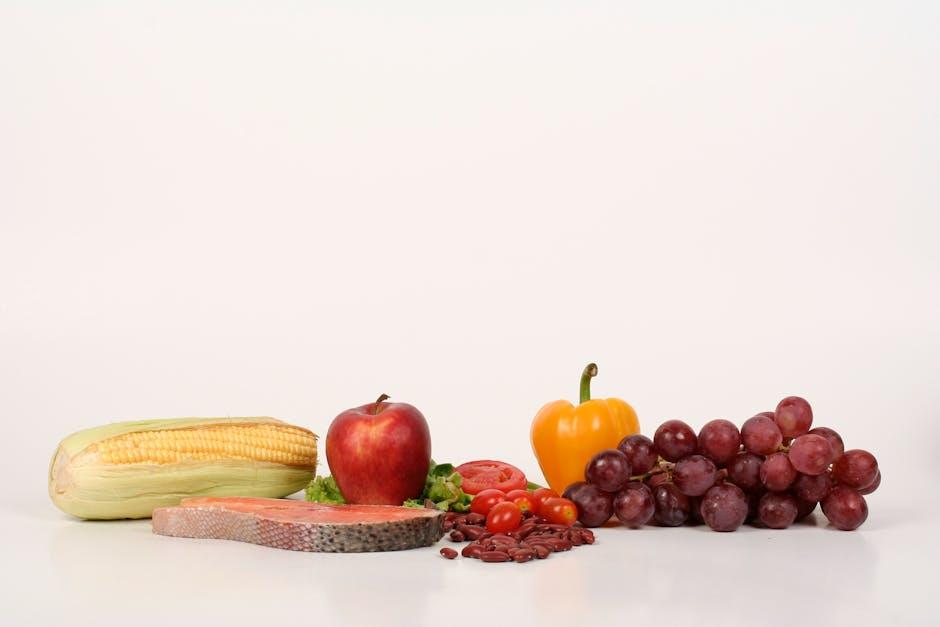
- Non-starchy Vegetables: Such as cucumber,lettuce,broccoli,bell peppers; these are low-purine and nutritionally dense.
Whole Grains and Starchy Foods
- Brown Rice, Barley, Quinoa: Rich in fiber for metabolic and cardiovascular health.
- potatoes and Sweet Potatoes: Provide complex carbohydrates with low purine levels.
Fluids and Hydration
- Water: A minimum of 2-3 liters daily assists renal uric acid excretion, especially critically important in nephrolithiasis prevention (MedlinePlus: Drinking Enough Fluids).
- Coffee: Some studies suggest moderate coffee consumption may lower gout risk, though mechanisms remain under investigation (NIH: Coffee Consumption and Risk of Gout).
- Green Tea: Contains antioxidants and has been shown in animal models to reduce serum uric acid.
Dietary and Lifestyle Strategies for Uric Acid Control
Long-term control of hyperuricemia depends not just on food choices, but also on portion control, weight management, and healthy lifestyle patterns.
Weight Management
- Obesity: Strongly implicated in hyperuricemia; weight reduction through caloric restriction and increased physical activity results in decreased uric acid concentrations (NIH: Weight loss and Uric Acid Reduction).
Meal Frequency and Timing
- Avoid Fasting and Crash diets: Rapid weight loss triggers increased purine breakdown and serum urate spikes.
- Eat Regular Meals: Frequent, smaller meals help stabilize uric acid production and metabolic rate.
Physical Activity
- Engage in moderate-intensity aerobic and resistance exercises, which improve both insulin sensitivity and uric acid metabolism (Harvard health: Benefits of Physical Activity).
Sample 7-Day Diet Plan for High Uric Acid Management
| Day | Breakfast | Lunch | dinner | Snacks |
|---|---|---|---|---|
| monday | Oats with low-fat yogurt, banana | Quinoa salad with chickpeas, cucumber, cherry tomatoes | Grilled salmon*, steamed broccoli, brown rice | Apple, unsalted almonds |
| Tuesday | Whole wheat toast, poached egg, orange | Lentil soup, whole grain roll | baked chicken breast, sweet potato, spinach salad | Carrot sticks, low-fat cheese |
| Wednesday | Chia pudding with berries | Stir-fried tofu, mixed vegetables, brown rice | Vegetable curry, quinoa, side of broccoli | Cucumber slices, cherry juice |
| Thursday | Smoothie: spinach, banana, low-fat milk | Chicken and vegetable wrap, green salad | Baked cod*, roasted vegetables, barley | Pear, sunflower seeds |
| Friday | Rice cakes, low-fat cottage cheese, grapes | Oven-roasted eggplant with lentils, bulgur | Turkey breast*, baked potato, green peas | Yogurt, berries |
| Saturday | Oatmeal, chopped apple, cinnamon | Vegetarian chili, brown rice | Grilled chicken, zucchini, quinoa | Raw nuts, orange slices |
| Sunday | Whole grain pancakes, berry compote | Bean burrito (black beans, whole wheat tortilla, salsa) | Sautéed shrimp*, mixed greens, couscous | Low-fat cheese, celery sticks |
*Limit oily fish and shellfish to 1-2 servings per week and choose poultry or plant-based proteins as primary sources in severe hyperuricemia.
Foods That May Lower Uric Acid Levels
Several foods and nutrients demonstrate potential in reducing uric acid concentrations, based on emerging clinical research:
- Vitamin C: Supplements (500 mg/day) or a diet rich in oranges, kiwis, strawberries, and bell peppers can help lower uric acid (NIH: Vitamin C Intake and Uric Acid).
- cherries and Tart Cherry Juice: Associated with fewer gout attacks and improved uric acid excretion.
- Coffee: Observational studies suggest a lowering effect, possibly via xanthine oxidase inhibition.
- Fermented Dairy Products: Yogurt and kefir exert cardiometabolic benefits and counterbalance inflammation.
Supplements and Herbal Approaches: Evidence and Cautions
Certain natural remedies are being investigated for their antihyperuricemic properties, yet clinical efficacy and safety data remain limited:
- Vitamin C Supplements: May lower uric acid but can cause renal stones in high doses (Mayo Clinic: Vitamin C and Gout).
- Quercetin: A flavonoid found in apples and onions, inhibits xanthine oxidase in vitro, but reliable human trials are lacking (NIH: Quercetin and Gout).
- Turmeric and Ginger: Anti-inflammatory but not definitively proven to lower uric acid.
Note: Always discuss supplement use with a healthcare provider to assess safety, efficacy, and potential drug interactions.
Managing Coexisting Conditions for Optimal Uric Acid Control
Comorbidities commonly cluster with hyperuricemia and require targeted intervention:
- Diabetes Mellitus: Opt for low glycemic index foods to prevent insulin resistance progression.
- Hypertension: Minimize sodium and prioritize plant-based dietary patterns (American Heart Association: DASH Diet Guidelines).
- Chronic Kidney disease: Direct dietary choices to support nephron function and avoid nephrotoxicity.
Patient Education and behavioral Strategies
Effective uric acid management benefits from comprehensive patient education and behavioral support:
- Monitor food labels and avoid hidden sources of fructose and purines.
- Keep a dietary and symptom diary to identify and avoid personal triggers for flare-ups.
- Regular clinical review with blood test monitoring for serum uric acid and renal function.
- Adherence to medical therapy as prescribed by clinicians (e.g.,allopurinol,febuxostat) when indicated.
Structured counseling with a registered dietitian is recommended for personalized meal planning, especially in the context of comorbid illness or polypharmacy (Academy of Nutrition and Dietetics: Gout Diet Support).
Frequently Asked Questions (FAQs)
- Can I eat seafood if I have high uric acid?
- Seafood,especially oily fish and shellfish,is high in purines and should be limited. Small amounts of lower-purine fish can be included in moderation (Mayo Clinic: Gout Diet).
- Is it safe to consume beans and lentils?
- Plant-derived purines from beans and lentils have a less pronounced effect on serum uric acid; moderate consumption is generally safe unless otherwise advised by your healthcare provider (Harvard Health: what to Eat to Help avoid Gout).
- Are vegetarian and vegan diets beneficial?
- Plant-based diets, when carefully planned, provide adequate nutrition and may contribute to lower uric acid levels, especially due to high fiber, antioxidants, and minimized animal purine sources (NIH: Plant-Based Diets and Uric Acid).
Conclusion
Dietary management of high uric acid levels requires evidence-based selection of low-purine, nutrient-dense foods, careful avoidance of dietary triggers, ample hydration, and therapeutic lifestyle interventions. Collaborative care—including patient education, registered dietitian involvement, and regular clinical follow-up—delivers optimal results and reduces the risk of acute and chronic urate-induced complications. For individualized guidance, always consult a healthcare provider or clinical nutritionist.
For more in-depth data on hyperuricemia,dietary therapy,and comorbidity management,visit resources such as the CDC, NHS, and Mayo Clinic.