
 chronic bronchitis non-smokers”>
What Are the Signs of Chronic Bronchitis in Non-smokers?
Introduction
Chronic bronchitis, a subtype of chronic obstructive pulmonary disease (COPD), is defined by persisting inflammation of the bronchi characterized by a chronic productive cough lasting at least three months in two consecutive years [CDC]. While cigarette smoking remains the most common risk factor, a significant proportion of individuals diagnosed with chronic bronchitis have never smoked. Understanding the signs of chronic bronchitis in non-smokers is crucial for early recognition and intervention, as this population may face delayed diagnoses due to atypical risk profiles. According to the World Health organization (WHO), COPD—including chronic bronchitis—is the third leading cause of death globally, increasingly impacting non-smoking populations in urban and developing regions.
This thorough article examines the epidemiology, risk factors, clinical presentation, pathophysiology, and diagnosis of chronic bronchitis in non-smokers, arming readers with evidence-based insights from leading medical authorities.
Epidemiology of chronic Bronchitis in Non-Smokers
While the majority of chronic bronchitis cases occur in smokers, studies show that 25–45% of cases develop in non-smokers [NCBI]. The prevalence of chronic bronchitis in non-smoking adults varies by region, occupational exposure, air quality, and socioeconomic status. Data from CDC and NHS indicate a growing recognition of COPD in populations previously under-represented—especially women,elderly individuals,and those exposed to environmental pollutants.
Recent research published in JAMA highlights that up to 20% of never-smokers in Western countries and over 50% in certain parts of Asia develop chronic airway disease, often triggered by occupational hazards or domestic indoor air pollution.
Risk Factors for Chronic Bronchitis in Non-Smokers
Uncovering the etiologies in non-smokers is essential for prevention and tailored therapy. The most commonly identified risk factors include:
- Secondhand smoke exposure: Regular contact with environmental tobacco smoke increases the risk of bronchial inflammation [CDC Secondhand Smoke].
- Indoor and outdoor air pollution: Prolonged exposure to particulate matter, nitrogen dioxide, and sulfur dioxide from household cooking fuels, industrial emissions, and urban smog can damage bronchial lining [WHO Air Pollution].
- Occupational hazards: Jobs involving dust, organic/inorganic chemicals, or irritants (e.g., miners, agricultural workers, cleaners) are high-risk [NCBI].
- Recurrent respiratory infections: Frequent viral or bacterial infections, especially during childhood, can trigger chronic inflammation [CDC Respiratory Illnesses].
- Genetic predisposition: Conditions like alpha-1 antitrypsin deficiency increase vulnerability to lung tissue damage [NHLBI].
- Socioeconomic factors: Limited access to healthcare, crowded living conditions, and poor nutrition can aggravate susceptibility [NCBI].
Epidemiological insights stress that chronic bronchitis in non-smokers is not rare, but often underrecognized due to low index of suspicion among healthcare providers.
Pathophysiology Underlying Non-Smoker Chronic Bronchitis
The pathogenic mechanisms in non-smoker chronic bronchitis mirror those observed in smokers but may arise from diverse environmental or genetic catalysts. The hallmark features include chronic inflammation of the bronchial mucosa, hypersecretion of mucus, impaired ciliary clearance, and repeated airway remodeling [NCBI Bookshelf].
Exposure to non-tobacco irritants leads to immune cell infiltration—primarily neutrophils and macrophages—resulting in increased production of mucus by goblet cells and submucosal glands. Over time, persistent inflammation can cause bronchial wall thickening, small airway obstruction, and decline in lung function [Harvard Health]. unlike smoker’s bronchitis, non-smoker cases can have a slower progression but are equally debilitating if left untreated.
Common Signs and Symptoms in Non-Smokers
While clinical diagnosis follows the same criteria, symptomatology may present subtly in non-smokers, leading to missed or delayed diagnosis. Recognizing these signs ensures prompt evaluation and intervention.
1. Chronic Productive Cough
The defining symptom of chronic bronchitis is a productive cough (with sputum) lasting at least three months each year for two consecutive years [Mayo Clinic]. In non-smokers, the cough may be less severe but persistent, and often dismissed as “allergy” or “recurrent colds.” The sputum is typically mucoid but may become purulent during superimposed infections.
2. shortness of Breath (Dyspnea)
Progressive shortness of breath develops as mucus clearance diminishes and airway obstruction worsens. Initially, dyspnea occurs with exertion but may become evident even at rest in advanced cases [Medical News Today]. Unlike asthma, wheezing is less prominent but may still occur.
3. Frequent Respiratory Infections
Non-smokers with chronic bronchitis often experience recurrent episodes of bronchitis or pneumonia, particularly during colder months. The thickened, mucus-laden airways serve as a breeding ground for bacterial overgrowth [medlineplus].
4. Mucus Hypersecretion
Notable for persistent morning sputum production,especially after lying down overnight.Some non-smokers may report an increase in clear or white phlegm, turning yellow or green during acute exacerbations.
5.Fatigue and Reduced Exercise Tolerance
Chronic oxygen impairment and interrupted sleep due to coughing episodes lead to constant fatigue and reduced interest in physical activity [healthline].
6. Wheezing and chest Tightness
Although less prominent than in allergic or asthmatic conditions, mild wheezing and a sensation of ”tight chest” can occur due to partial airway obstruction.
7. Cyanosis in Advanced Disease
in the late stages, hypoxemia may present as bluish discoloration of lips, nail beds, or fingertips—clinical evidence of poor oxygenation requiring urgent medical assessment [NHS].
Differential Diagnosis: Distinguishing Chronic Bronchitis from Othre Diseases
The insidious nature of chronic bronchitis in non-smokers warrants careful differentiation from other chronic respiratory conditions, such as:
- Asthma: Typically presents with episodic wheezing, reversible airway obstruction, and is more responsive to bronchodilators.
- Bronchiectasis: Involves abnormal dilation of bronchi, often resulting in copious sputum and specific radiological features [NHLBI].
- Pneumonia: Presents acutely with fever, productive cough, and infiltrates visible on chest radiograph.
- Interstitial lung diseases: Characterized by restrictive rather than obstructive physiology and dry cough.
- Chronic sinusitis with -nasal drip: May mimic chronic cough but generally lacks airway obstruction.
A multidisciplinary approach—utilizing pulmonary function tests, sputum cultures, and advanced imaging—improves diagnostic accuracy.

Diagnostic Approach for Non-Smoking Chronic Bronchitis
Early and accurate diagnosis involves a combination of history, clinical examination, and investigative modalities:
Patient History and Symptom Analysis
Physicians should inquire about environmental exposures, occupational history, childhood respiratory illnesses, and family history of pulmonary disease. Attention to subtle, non-specific symptoms like chronic throat clearing or mild exertional dyspnea is vital.
Physical Examination
on auscultation, coarse crackles or rhonchi might potentially be elicited. Prolonged expiratory phase or diminished breath sounds can suggest airflow obstruction [Harvard Health].
Pulmonary Function Tests (PFTs)
Spirometry remains the gold standard for diagnosing chronic bronchitis and COPD. Non-smokers frequently demonstrate reduced FEV1/FVC (<80% predicted), confirming obstructive defect [NHLBI].
| Parameter | Expected in Chronic Bronchitis |
|---|---|
| FEV1/FVC ratio | Decreased |
| TLC (Total Lung Capacity) | Normal to Increased |
| DLCO (Diffusing Capacity) | Often Normal |
Radiological Imaging
Chest X-rays or high-resolution computed tomography (HRCT) are utilized to rule out option pathologies (e.g., bronchiectasis, interstitial disease) and to assess airway wall thickening or “dirty chest” appearance typical of chronic bronchitis [Mayo clinic].
Laboratory and Sputum Studies
Sputum microscopy and culture help identify superimposed bacterial infections. Biomarkers such as C-reactive protein (CRP) and eosinophil counts may guide coexistent inflammatory or allergic processes.
Special Diagnostic Tools
– Alpha-1 antitrypsin screening: Indicated for younger patients or those with family history of early-onset obstructive disease [NIH].
– Bronchoscopy: Reserved for ruling out localized airway lesions, foreign bodies, or malignancy.
Complications of Chronic Bronchitis in non-Smokers
Chronic untreated bronchitis increases the risk of serious sequelae, including:
- Respiratory failure and hypoxemia
- Pulmonary hypertension and right-sided heart failure (cor pulmonale)
- Frequent episodes of acute exacerbations and hospital admissions
- Increased susceptibility to bronchopneumonia and influenza
- Reduced quality of life and progressive disability [NCBI]
Therapeutic Protocols for Non-Smokers
Although pharmacotherapy mirrors that of COPD in smokers, treatment is tailored to etiology and comorbidities. The mainstays include:
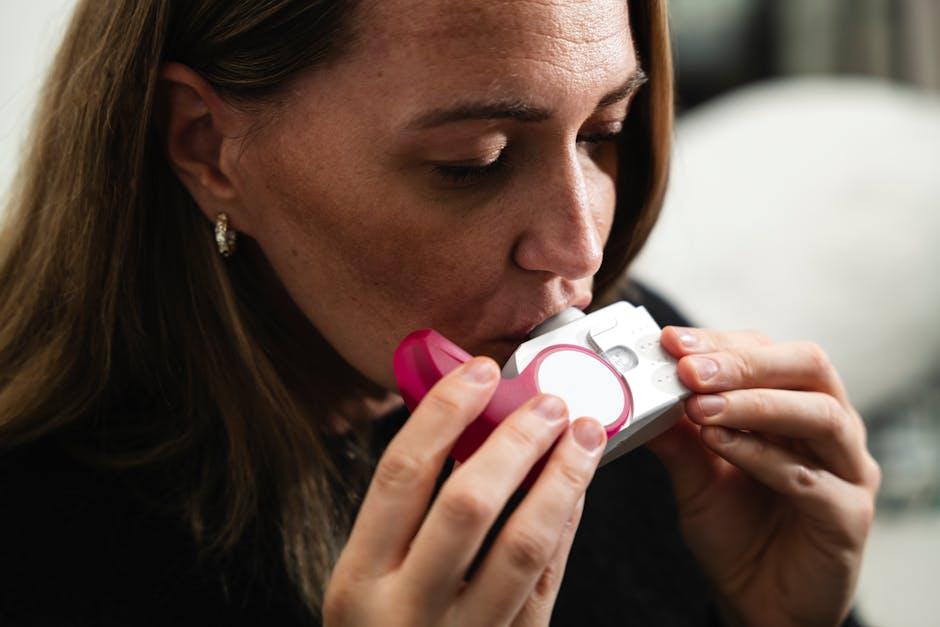
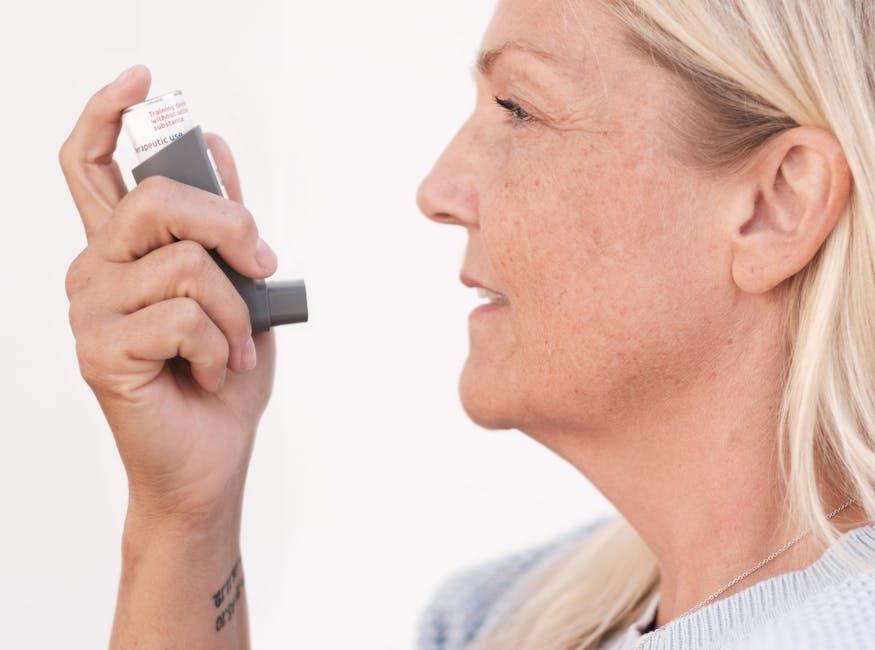
- Bronchodilators: Inhaled beta-agonists and anticholinergics relieve bronchospasm [NHLBI].
- Inhaled corticosteroids: Helpful in patients with frequent exacerbations or coexistent asthma.
- Antibiotics: Prescribed for acute infectious flare-ups, guided by sputum culture sensitivity.
- Vaccinations: Influenza and pneumococcal vaccines dramatically reduce infection risk [CDC].
- Pulmonary rehabilitation: Exercise and education minimize symptoms, improve activity tolerance, and enhance life quality [CDC].
- Oxygen therapy: Considered in advanced cases with resting hypoxemia.
Environmental modifications—such as avoiding air pollution and optimizing indoor ventilation—are equally essential.
Prevention Strategies Focused on Non-smokers
Given the rising burden among non-smokers, public health and individual strategies focus on:
- Reducing exposure to secondhand smoke and air pollutants
- Wearing protective equipment in hazardous occupations
- Timely management of respiratory infections and allergic disorders
- Educational campaigns targeting indoor air quality (e.g., improved stoves, clean fuels) [WHO]
healthcare providers should maintain vigilance for chronic bronchitis symptoms in at-risk non-smokers, especially in the elderly and females, to ensure early intervention and prevent progression.
Prognosis and Quality of Life Considerations
The natural history of chronic bronchitis in non-smokers varies with etiology, timely diagnosis, and access to care. With prompt management and avoidance of ongoing exposures, many patients can stabilize and maintain functional independence [Harvard Health]. Advanced disease leads to gradual decline in pulmonary function, increased healthcare utilization, and reduced life expectancy.
Key Takeaways and When to Seek Care
- Chronic bronchitis occurs in non-smokers due to air pollution, occupational hazards, infections, and genetic predisposition.
- Look for persistent productive cough, subtle dyspnea, recurrent infections, fatigue, and morning mucus.
- Timely medical attention, targeted diagnostics, and adherence to therapy can slow disease progression and improve quality of life.
- Consult your healthcare provider if you experience chronic cough or respiratory symptoms not explained by allergies or infections.
Further Resources and Patient Support
- Mayo Clinic: bronchitis
- CDC: COPD (Chronic Obstructive Pulmonary Disease)
- NIH: COPD Data
- American Lung Association: COPD
Conclusion
Chronic bronchitis is a significant health issue among non-smokers and demands greater awareness from both clinicians and the community. Identifying symptoms early, understanding individual risk factors, and pursuing evidence-based management are instrumental for optimal outcomes. Leveraging global and local resources, healthcare professionals and affected individuals can collaborate to minimize the personal and public health impact of this chronic respiratory disease.