




What Causes Inflammation in the Body adn How to Reduce It Naturally
Introduction
Inflammation is a fundamental biological response that plays a vital role in the body’s immune defense against pathogens, injury, and toxins. However, when inflammation becomes chronic or dysregulated, it underpins the pathogenesis of a wide array of diseases-from cardiovascular disease and diabetes to autoimmune disorders and cancer. According to the World Health Association, noncommunicable diseases, many of which are linked to chronic inflammation, are now the leading cause of mortality worldwide, accounting for 74% of all deaths. Understanding the causes and mechanisms of inflammation, and adopting strategies to reduce it naturally, are essential for promoting health, longevity, and quality of life. This article provides an evidence-based, medically accurate exploration of what drives inflammation in the body and outlines research-backed natural methods to mitigate it’s impact.
What is Inflammation? Pathophysiology and Classification
Inflammation is a complex, highly regulated process initiated by the innate immune system in response to tissue injury, pathogens, or irritants.It involves a cascade of biochemical events designed to eliminate the initial cause of cell injury, remove dead cells, and repair damaged tissue. the two main types of inflammation are:
- Acute inflammation: A rapid, short-term response characterized by redness, heat, swelling, pain, and loss of function at the affected site. Acute inflammation is typically beneficial and resolves wiht the restoration of tissue homeostasis.
- Chronic inflammation: A persistent, low-grade inflammatory state that may last for months or years. Chronic inflammation can result in the progressive destruction of tissues and is implicated in numerous chronic diseases.
Clinically, chronic inflammation is less obvious and often asymptomatic, making its diagnosis and management more challenging. the underlying cellular and molecular mechanisms involve pro-inflammatory cytokines (e.g., TNF-α, IL-1β), reactive oxygen species (ROS), and activation of inflammatory pathways such as NF-κB and the inflammasome complex [NIH].
Primary Causes of Inflammation in the Body
Inflammation is multifactorial, with diverse exogenous (external) and endogenous (internal) triggers. Elucidating these factors is key to prevention and personalized intervention:
1. Infection by Pathogens
Bacteria, viruses, fungi, and parasites are classic stimulators of acute and chronic inflammation. For example, urinary tract infections can provoke localized acute inflammation, whereas chronic viral infections such as hepatitis B and C can lead to persistent hepatic inflammation, fibrosis, and carcinoma.
2. Tissue Injury and Trauma
Physical injuries-burns, cuts, fractures, and chemical exposures-trigger an inflammatory cascade aimed at healing. The clinical hallmarks of acute inflammation (rubor, calor, tumor, dolor, and functio laesa) are especially prominent in this context [NCBI Bookshelf].
3. Autoimmune Reactions
in autoimmune diseases, immune dysregulation causes the body to attack its own tissues. Conditions such as rheumatoid arthritis,systemic lupus erythematosus, and psoriasis exemplify how chronic, misdirected inflammation leads to tissue damage and organ dysfunction.
4. Environmental and Lifestyle Factors
- Poor diet: Diets high in saturated fat, trans fats, and refined sugars increase levels of pro-inflammatory cytokines and oxidative stress [Harvard Health].
- Obesity: Adipose tissue secretes adipokines that induce systemic, low-grade inflammation [NIH].
- Chronic stress: Prolonged psychological stress increases cortisol and other hormones that can dysregulate immune responses, promoting inflammation [NIH].
- Smoking and pollutants: Tobacco smoke, air pollution, and chemical exposures trigger inflammatory responses in the lungs and other tissues [CDC].
5. Chronic Diseases and Comorbidities
Chronic inflammatory diseases such as cardiovascular disease, type 2 diabetes, certain cancers, inflammatory bowel disease (e.g., Crohn’s, ulcerative colitis), and neurodegenerative conditions (e.g., Alzheimer’s disease) display persistent inflammation as a pathogenic driver as well as a outcome [Nature Medicine].
6. Gut Microbiome Imbalance (Dysbiosis)
The intestinal microbiota exerts a profound influence on the modulation of immune and inflammatory pathways. An imbalance, or dysbiosis, contributes to increased gut permeability, systemic endotoxemia, and enhanced inflammatory risk [NIH].
7. Aging (“Inflammaging”)
As humans age, the immune system undergoes changes that result in a persistent, low-grade pro-inflammatory state known as “inflammaging.” This phenomenon is associated with increased morbidity and mortality from age-related diseases [The Lancet].
Common Symptoms and Clinical Features of Inflammation
Recognizing the signs of inflammation is vital for timely diagnosis and management. The presentation depends on the severity and duration (acute versus chronic) and affected organ systems:
- Acute inflammation: Characterized by redness, swelling, heat, pain, and sometiems impaired function at the site.
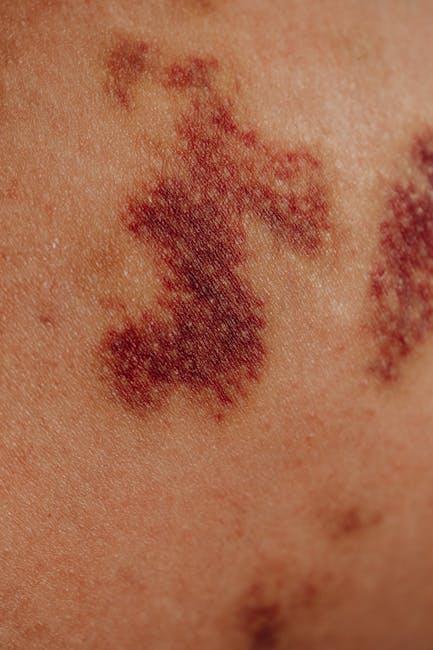
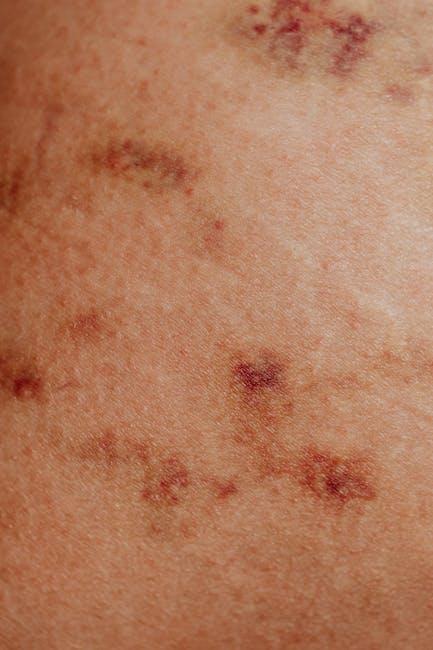
- Chronic inflammation: Might potentially be less noticeable but includes symptoms such as persistent fatigue, low-grade fever, abdominal pain, chest pain, joint pain, cutaneous manifestations (rashes), and gastrointestinal disturbances.
Notably, silent, subclinical inflammation often goes undiagnosed until considerable tissue injury occurs or comorbidities develop [Medical News Today].
Diagnostic Markers and Medical Evaluation
The assessment of inflammation utilizes clinical examination augmented by laboratory inflammatory markers:
- C-reactive protein (CRP): An acute-phase protein synthesized by the liver; elevated levels are a sensitive, although nonspecific, marker of inflammation [Mayo Clinic].
- Erythrocyte sedimentation rate (ESR): A measure of red blood cell aggregation, indicating ongoing inflammation [MedlinePlus].
- Pro-inflammatory cytokines: Laboratory assays for measuring TNF-α, IL-6, and IL-1β are used in research and selected clinical contexts.
- Imaging and biopsy: When organ-specific inflammation is suspected, diagnostic imaging (MRI, CT, ultrasound) and histological evaluation might potentially be warranted.
Risks and Consequences of untreated Chronic Inflammation
Unchecked inflammation exerts far-reaching effects on systemic health:
- Cardiovascular disease: Atherosclerosis and thrombosis are driven by vascular inflammation [JAMA Cardiology].
- Metabolic disorders: Insulin resistance and type 2 diabetes are closely linked to adipose-driven systemic inflammation [Healthline].
- Neurodegeneration: Chronic brain inflammation is implicated in Alzheimer’s disease, Parkinson’s disease, and other neurodegenerative disorders [NIH].
- Oncogenesis: Malignant transformation and cancer progression are frequently enough fuelled by a pro-inflammatory microenvironment [NIH – Cancer].
How to Reduce Inflammation Naturally: Evidence-based Strategies
While targeted pharmacological therapies (NSAIDs,corticosteroids,DMARDs,biologics) remain indispensable for many inflammatory disorders,lifestyle modification and natural interventions can play a substantial role in preventing and mitigating chronic inflammation. Below, evidence-supported measures are reviewed.
1. Adopt an Anti-Inflammatory Diet
- Increase intake of fruits and vegetables: Phytonutrients,polyphenols,and dietary fiber found in plant foods lower inflammatory markers and improve immune function [Harvard Health].
- Include omega-3 fatty acids: Eicosapentaenoic acid (EPA) and docosahexaenoic acid (DHA),found in fatty fish (e.g., salmon, sardines), flaxseed, and walnuts, antagonize pro-inflammatory mediators [NIH].
- Whole grains and legumes: Rich in fiber and resistant starch, these support a healthy gut microbiota and reduce systemic inflammation.
- Spices and herbs: Turmeric (curcumin), ginger, garlic, and green tea polyphenols exhibit potent anti-inflammatory and antioxidant properties [Healthline].
- Avoid processed foods: Industrially processed foods high in added sugars, trans fats, artificial additives, and sodium promote inflammation [CDC].
2. Maintain Healthy Body Weight and Physical Activity
Adipose tissue is a recognized source of inflammatory mediators.Sustained weight loss in overweight or obese individuals is associated with significant reductions in CRP and other markers [NIH]. Combined aerobic and resistance exercise reduces inflammation through improved insulin sensitivity, muscle metabolism, and cytokine modulation [Mayo Clinic].
3. Optimize Gut Health
- Consume probiotics and prebiotics: Probiotic-rich foods (yogurt, kefir, fermented vegetables) and prebiotics (fiber from vegetables, fruits, whole grains) support gut barrier integrity and immunomodulation [NIH].
- Limit antibiotics to necessary indications: Overuse can disrupt microbiota, predisposing to dysbiosis-driven inflammation.
4.Manage Stress,Sleep,and psychological Well-Being
- practice relaxation techniques: Mindfulness,meditation,yoga,and controlled breathing decrease stress hormone release and attenuate inflammatory signaling pathways [NIH].
- Prioritize sleep: Short or disrupted sleep increases systemic inflammation; aim for 7-9 hours of uninterrupted sleep per night [CDC].
- Seek support for mental health challenges: Depression and anxiety are often accompanied by increased inflammatory burden; professional intervention can improve outcomes [Mayo Clinic].

5. Quit Smoking and Limit Alcohol Intake
Tobacco smoke is a major pro-inflammatory agent implicated in pulmonary, cardiovascular, and oncologic diseases. Smoking cessation yields rapid and sustained anti-inflammatory benefits [CDC]. Moderate alcohol consumption, if at all, may reduce risk, but chronic excessive intake is strongly pro-inflammatory [NIAAA].
6. Address Environmental and Occupational Exposures
- Reduce air pollution exposure: Use air purifiers indoors and avoid outdoor physical activity during peak pollution periods [WHO].
- Minimize contact with chemical irritants: Use safety equipment and follow occupational safety guidelines to avoid chemical-induced inflammation.
7. Evidence-Based Supplements and Botanicals
- Omega-3 fatty acids: May be prescribed for inflammatory arthritis and hypertriglyceridemia [NIH – ODS].
- Curcumin: The active compound in turmeric, well-supported for its anti-inflammatory effects, especially for osteoarthritis and certain inflammatory bowel diseases [NIH].
- Green tea extract (EGCG): Inhibits pro-inflammatory cytokines and is rich in antioxidants [NIH].
- Vitamin D: Deficiency is linked to increased inflammatory risk; supplementation may be warranted in populations at risk [NIH].
Note: Always consult a licensed healthcare provider before initiating any new supplement or herbal therapy.
Real-World Application: How to Design an Anti-Inflammatory Lifestyle
Applying the above information, here’s a sample one-day anti-inflammatory action plan:
- Morning: Begin with overnight-fasted light exercise, such as a 30-minute brisk walk outdoors, followed by a breakfast rich in antioxidants (oatmeal, berries, walnuts).
- Midday: Lunch includes leafy greens, grilled salmon, whole grains, and an olive oil-based dressing; practice mindful eating to avoid overeating.
- Afternoon: Dedicate time to stress-relief activities such as meditation or gentle yoga, accompanied by herbal green tea.
- Evening: Dine early with a fiber-rich meal (quinoa, lentils, roasted vegetables, turmeric-seasoned dishes). Maintain digital hygiene and wind down for a full night’s sleep in a cool, dark, quiet room.
Adherence to this multidimensional approach can have robust effects, not onyl on reducing inflammation but also improving overall metabolic and emotional health.

When to Seek Medical Help
While natural approaches are effective for primary prevention and adjunct management, medical evaluation is essential if you experience symptoms such as persistent pain, unexplained fever, severe swelling, unintentional weight loss, or signs of organ dysfunction (e.g., difficulty breathing, chest pain, neurological deficits). Chronic inflammatory diseases require diagnosis and tailored pharmacologic therapy from a qualified healthcare professional [Mayo Clinic].

Frequently Asked Questions (FAQ)
Can inflammation ever be beneficial?
Yes. Acute inflammation is necessary for defense against infections, repair after injury, and restoration of tissue function. Problems arise when inflammation becomes excessive,chronic,or dysregulated.
Are “anti-inflammatory” diets safe for everyone?
Generally, diets rich in whole plant foods, healthy fats, and lean proteins are safe and beneficial for most. Individuals with specific food allergies, intolerances, or chronic diseases should consult with a registered dietitian or physician before adopting major dietary changes.
Do natural therapies replace conventional medicine?
Natural therapies can complement, but not replace, medical treatments, especially in cases of established chronic inflammatory diseases or autoimmune disorders. Integrated care is most effective.
how long does it take to see betterment with lifestyle changes?
Some laboratory markers and symptoms of inflammation can improve within weeks of adopting anti-inflammatory changes, but benefits are maximized through sustained, lifelong adherence.

Conclusion
Inflammation, both friend and foe, is a pivotal force in the maintenance of health and in the development of disease. Its chronic, silent form contributes substantially to global morbidity and mortality. Ensuring good nutrition, regular physical activity, stress management, healthy sleep, tobacco cessation, and limiting environmental exposures are scientifically validated strategies to reduce inflammation naturally. While lifestyle interventions carry immense preventive value,they should be integrated with regular medical care for optimum outcomes in chronic inflammatory conditions. Continued research and public health efforts are crucial to further delineate the molecular mechanisms of inflammation and identify innovative interventions.
References and Further Reading
- WHO: Noncommunicable diseases
- NIH: Inflammation and chronic disease
- Harvard Health: Foods that fight inflammation
- Mayo Clinic: Rheumatoid arthritis
- CDC: Tobacco-Related Disease
- JAMA Cardiology: Inflammation and CV Disease
- CDC: How Much Sleep Do I Need?