



Introduction
In today’s high-paced society,the ability to concentrate and maintain mental clarity is crucial for personal and professional productivity. Millions seek ways to optimize focus-yet not everyone tolerates or desires caffeine.Caffeine sensitivity, comorbid cardiovascular conditions, anxiety disorders, and sleep disturbances make caffeine-containing solutions suboptimal for many individuals [CDC]. As a result, interest in evidence-based, caffeine-free supplements to enhance focus and cognitive function is rapidly growing. This article comprehensively examines the most clinically studied and safest non-caffeine supplements that support attention, mental energy, and memory, offering science-driven guidance for consumers and clinicians alike.
Why Focus and Attention Matter
Mental focus underpins a vast array of cognitive operations-from learning and decision-making to emotional regulation. Impairments in attentiveness and mental clarity can arise from diverse etiologies such as sleep deprivation,nutritional deficiencies,neuropsychiatric disorders (e.g.,ADHD),and stress-related pathophysiology [NIMH]. Prolonged deficits may manifest as diminished academic, occupational, or social performance, leading individuals to seek safe and sustainable interventions.
while caffeine is the world’s most common psychoactive substance and a recognized cognitive enhancer, it’s potential drawbacks-including jitteriness, tachycardia, insomnia, and tolerance-highlight the need for alternative strategies [CDC].
The Science of Focus-Enhancing Supplements
Non-caffeinated cognitive enhancers are often referred to as nootropics. For a supplement to merit consideration, it should possess robust scientific evidence, a favorable safety profile, and regulatory oversight. Below, we break down the most studied, caffeine-free supplements for improving or sustaining focus.
Key Factors in Evaluating Cognitive Supplements
- Clinical Evidence: Are there randomized controlled trials (RCTs) or meta-analyses supporting efficacy?
- Safety and Tolerability: what are known side effects, contraindications, and long-term data?
- Regulatory Status: Is the supplement recognized by authorities such as the FDA or EFSA?
- Mechanism of Action: Dose the mode of action align with cognitive enhancement pathways (e.g., neurotransmitter modulation, neurotrophic effects)?
Best Supplements to Boost Focus Without Caffeine
1. L-Theanine
Found naturally in tea leaves, L-theanine is an amino acid notable for its calming effects without inducing drowsiness. Several randomized trials demonstrate that L-theanine can promote attention, working memory, and reaction time, possibly via modulation of alpha brain waves and enhancement of GABAergic neurotransmission. Notably, its anxiolytic profile may help counteract stress-related distractions.
- Dosage Range: 100-400 mg/day as studied in RCTs.
- Safety: Well-tolerated with very low risk of adverse events; recognized as GRAS (“Generally Recognized As Safe”) by the FDA.
For further reading: Medical News Today – L-Theanine benefits
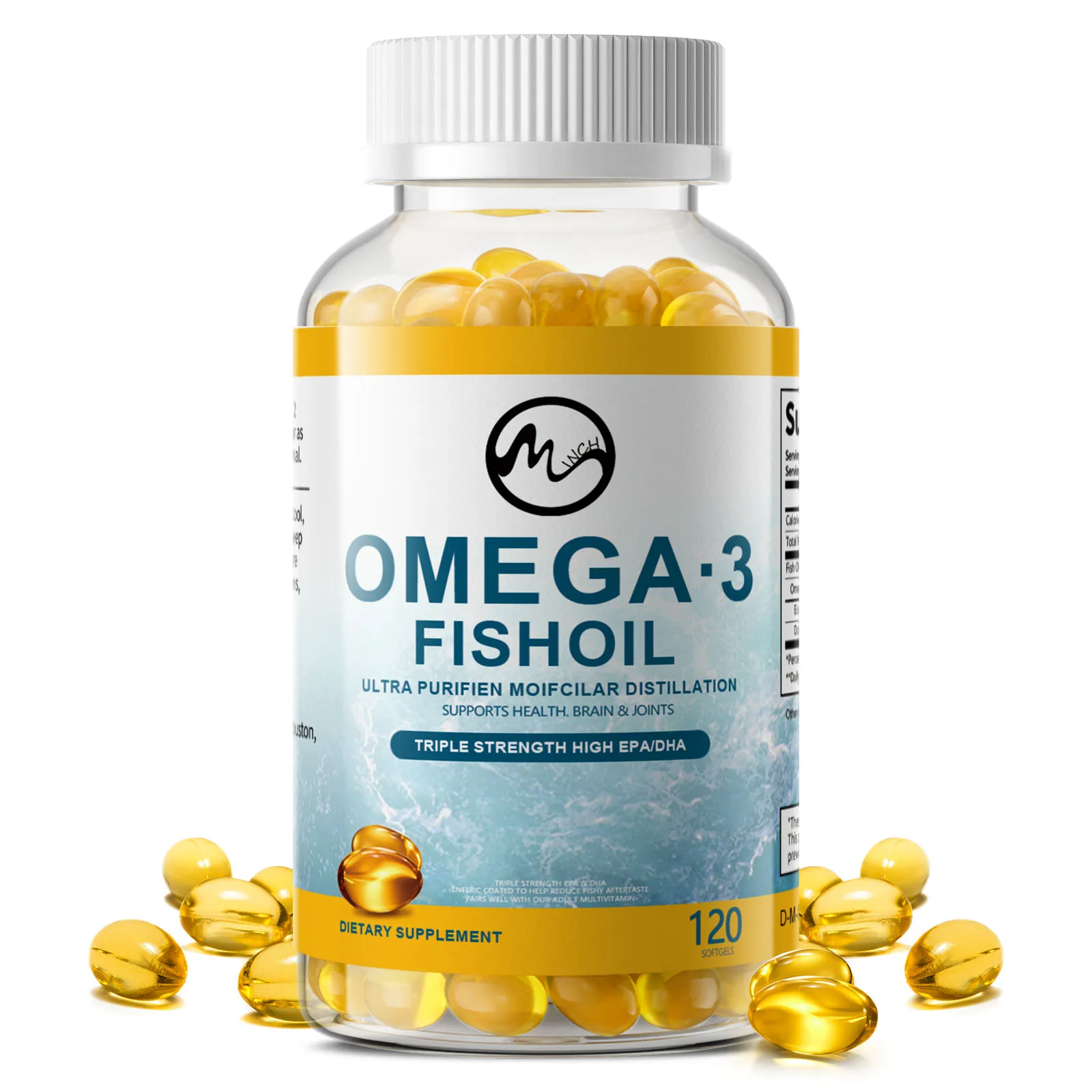
2. Omega-3 Fatty Acids (DHA & EPA)
The long-chain polyunsaturated fatty acids, docosahexaenoic acid (DHA) and eicosapentaenoic acid (EPA), are crucial for neurodevelopment and cognitive health [NIH]. Clinical research reveals that omega-3 supplementation can improve attention, especially in individuals with suboptimal baseline levels or those diagnosed with ADHD [JAMA].
- Dosage Range: 500-2,000 mg combined EPA+DHA per day.
- Safety: Safe at recommended doses. Possible interactions with anticoagulants and antiplatelet medications; consult a physician if on such therapies.
For further details: NIH Fact Sheet – Omega-3 Fatty Acids
3. Bacopa Monnieri
Bacopa Monnieri is a traditional Ayurvedic herb with robust nootropic claims. Its primary phytochemicals, bacosides, have been shown in systematic reviews to enhance memory recall, processing speed, and sustained attention in both young adults and the elderly [PubMed].
- dosage Range: 300-600 mg standardized extract (bacoside content) daily.
- Safety: Generally safe; mild gastrointestinal symptoms are the most common side effects.
Further reading: Healthline - Bacopa Monnieri Benefits
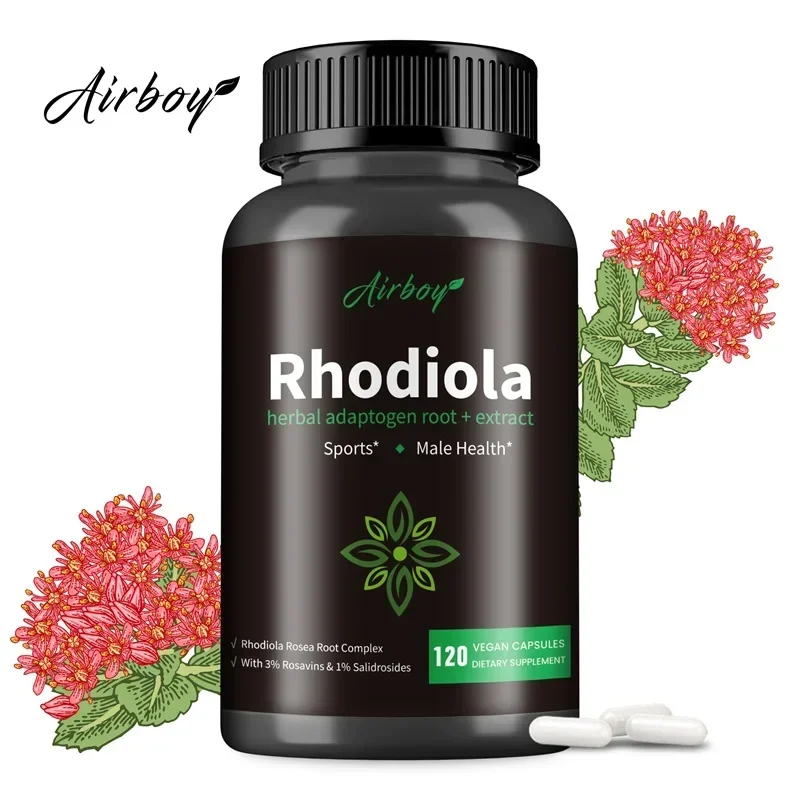
4. Rhodiola Rosea
Rhodiola Rosea is an adaptogenic herb that mitigates stress-related fatigue and boosts cognitive function, especially under conditions of mental strain.Randomized trials confirm improvements in attentional capacity,accuracy,and subjective well-being [PubMed].
- dosage Range: 200-400 mg standardized extract per day.
- Safety: Well-tolerated; minimal adverse events typically limited to dizziness or dry mouth in sensitive individuals.
Read more: Medical News Today – Rhodiola Rosea
5. Citicoline (CDP-Choline)
Citicoline is a brain phospholipid precursor integral to neuronal membrane synthesis and neurotransmitter modulation. Its cognitive-enhancing effects are well-documented in double-blind trials, showing benefits for attention, working memory, and mental energy in both healthy adults and those with cognitive deficits [PubMed].
- Dosage Range: 250-1,000 mg per day.
- Safety: Mild gastrointestinal effects in rare cases. Has a favorable safety record.
6. Panax Ginseng
Panax ginseng is a well-researched adaptogenic herb. Mechanistically, it enhances attention via modulation of the hypothalamic-pituitary-adrenal (HPA) axis and neurotrophic factors [PubMed]. Meta-analyses confirm betterment in attention, cognitive adaptability, and processing speed with regular supplementation.
- Dosage Range: 200-400 mg standardized extract per day.
- Safety: Mild insomnia, headaches, or gastrointestinal complaints in rare cases. May interact with anticoagulants or diabetes medications.
Further reading: Mayo Clinic – Ginseng
7. Phosphatidylserine
Phosphatidylserine is a naturally occurring phospholipid essential for neuronal integrity and synaptic function. Randomized trials show improvements in attention, memory, and executive function, notably among middle-aged adults and those with age-related cognitive decline [PubMed].
- Dosage Range: 100-300 mg per day.
- Safety: High tolerability; gastrointestinal upset in large doses may occur.
Read more: Medical News Today – Phosphatidylserine
8. Acetyl-L-Carnitine (ALCAR)
Acetyl-L-Carnitine is a mitochondrial compound involved in energy metabolism. RCTs indicate benefits for mental fatigue, sustained concentration, and memory consolidation-particularly in elderly populations and those with mild cognitive impairment [JAMA Neurology].
- Dosage Range: 500-2,000 mg per day.
- Safety: Mild gastrointestinal effects; rare reports of agitation in susceptible individuals.
Detailed resource: Healthline – Acetyl-L-Carnitine
9. Ginkgo Biloba
Ginkgo Biloba is widely used as a cognitive enhancer.Its complex phytochemical constituents improve cerebral blood flow and exert antioxidant effects. Clinical studies show a modest enhancement in attention and processing speed,especially in older adults or those with neurovascular conditions [PubMed].
- Dosage Range: 120-240 mg standardized extract per day.
- Safety: Rare risk of bleeding when combined with anticoagulants; mild GI upsets possible.
read more: NHS – Ginkgo Biloba

Secondary and Emerging Supplements for Focus
The following supplements have less robust, but still promising, evidence for enhancing cognitive function without caffeine. While further research remains critical, preliminary studies merit mention:
- N-Acetyl L-Tyrosine (NALT): May support attention during acute stress by boosting dopamine precursor availability [PubMed].
- Ashwagandha: Traditionally used for stress resilience, several trials show benefits for executive function and mental clarity [PMC].
- Vinpocetine: Cerebral vasodilator with some evidence for improving attention, especially in neurovascular conditions [PubMed].
Choosing a Supplement: Clinical and practical Considerations
- Individual Response: Cognitive supplements may affect individuals differently based on age, sex, baseline cognition, and comorbid pathology.
- Quality and Purity: Opt for products certified by third-party organizations (e.g., USP, NSF) to minimize contamination risk.
- Drug Interactions: Always cross-check with current prescription regimens,particularly for anticoagulants,antihypertensives,and CNS-active drugs [FDA].
- Duration of Use: For many nootropics, cognitive benefits accrue over weeks to months.
Evidence-Based lifestyle Strategies to Complement Supplementation
No supplement should substitute for fundamental lifestyle modifications proven to optimize cognitive performance:
- sleep Hygiene: Chronic sleep restriction impairs focus. Prioritize 7-9 hours per night [CDC].
- Physical Activity: Regular aerobic exercise increases cerebral perfusion and neurotrophic factor levels [Harvard Health].
- Nutrition: A balanced, anti-inflammatory diet rich in fruits, vegetables, whole grains, and lean protein contributes to optimal cognition.
- Mindfulness Training: Meditation and cognitive behavioral strategies have robust evidence for improving attention and executive control [JAMA].
- Stress Management: Chronic stress impairs attentional networks; adaptive coping skills are integral to sustained focus.
Special Considerations: Populations and Contraindications
Some groups require individualized counseling before beginning supplements:
- Children & Adolescents: Dosing and safety profiles are less established. Consult your pediatrician or child psychiatrist.
- Pregnant/Lactating Individuals: Many supplements lack rigorous safety data in this population; avoid unless prescribed [NHS].
- Older Adults: Check for polypharmacy interactions; focus on clinically validated supplements such as omega-3s, phosphatidylserine, and Bacopa.
Frequently Asked Questions (FAQs)
-
can supplements replace prescription treatments for ADHD or cognitive disorders?
No. Dietary supplements are not substitutes for FDA-approved pharmacologic treatments for disorders like ADHD or dementia.They may complement a complete treatment plan under medical supervision [NIMH].
-
How long does it take for focus supplements to work?
Acute effects (such as with L-theanine or Rhodiola) may begin within hours, while others (e.g., omega-3s, Bacopa) require 4-12 weeks to achieve maximal benefit as suggested by clinical trial timelines [PubMed].
-
Are these supplements habit-forming?
None of the supplements discussed is associated with dependence or withdrawal syndromes.
How to Discuss Focus Supplements with Your Healthcare Provider
It is crucial to involve your primary care physician, psychiatrist, or qualified healthcare practitioner before beginning any supplement. Consider bringing a list of all current medications, supplements, and a copy of relevant lab work. Shared decision-making ensures interventions are evidence-based, personalized, and aligned with your medical profile.
conclusion: Building a Personalized Plan for Focus
A growing body of research supports the use of supplements like L-theanine, omega-3 fatty acids, Bacopa Monnieri, and others to enhance focus without caffeine. When integrated judiciously,these agents offer safe,non-stimulant alternatives for those navigating caffeine sensitivity,comorbidities,or preference for holistic wellness approaches. however, supplementation is best approached as a component of a multifaceted strategy encompassing sleep, nutrition, activity, and stress management. Consultation with a qualified healthcare provider is paramount to optimize outcomes and ensure safety.
Further Reading & References
- NIH Office of Dietary Supplements
- Mayo Clinic – Vitamins and Supplements
- Harvard Health – Mind & Mood
- FDA – Dietary Supplements
- PubMed – Cognitive Supplements and Attention