

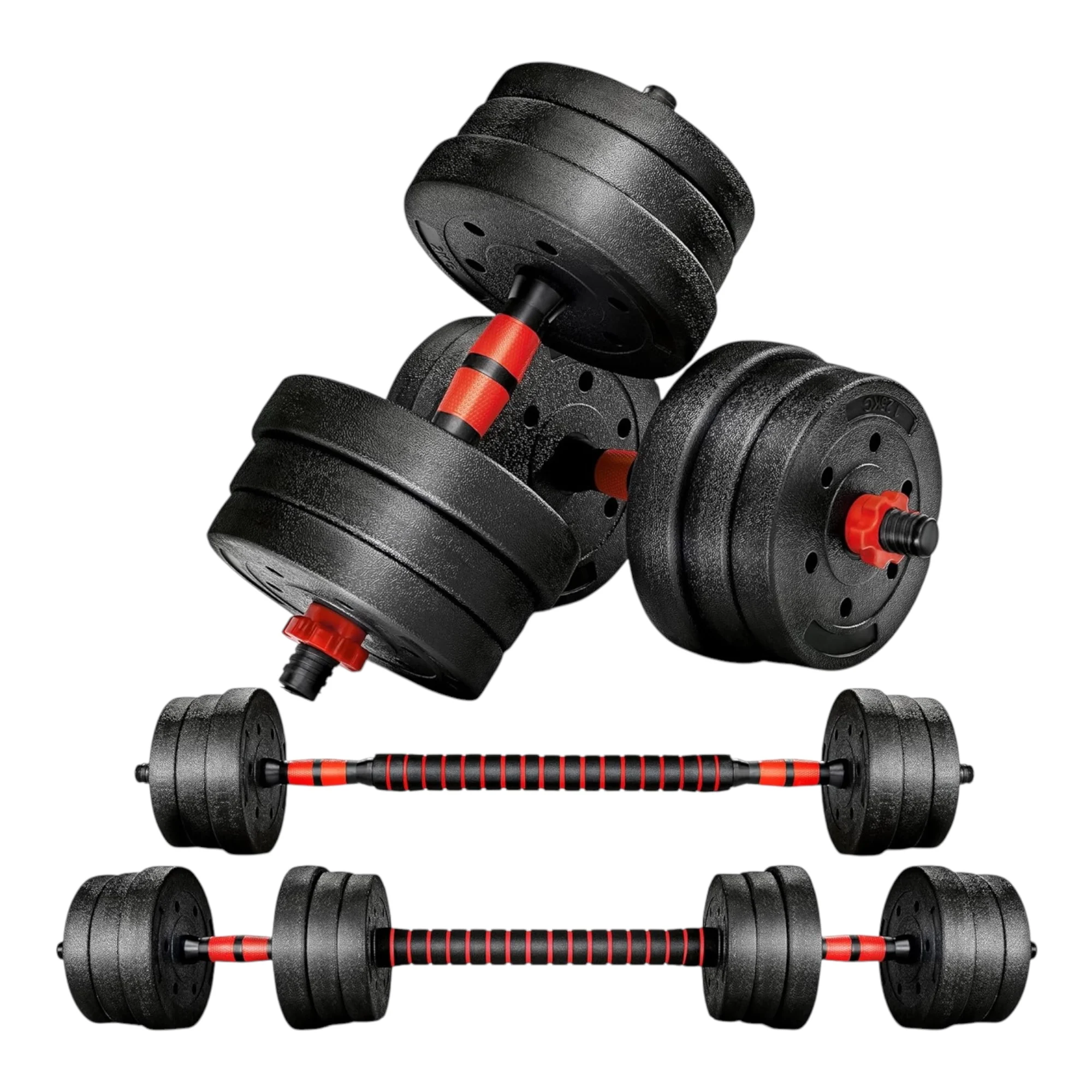
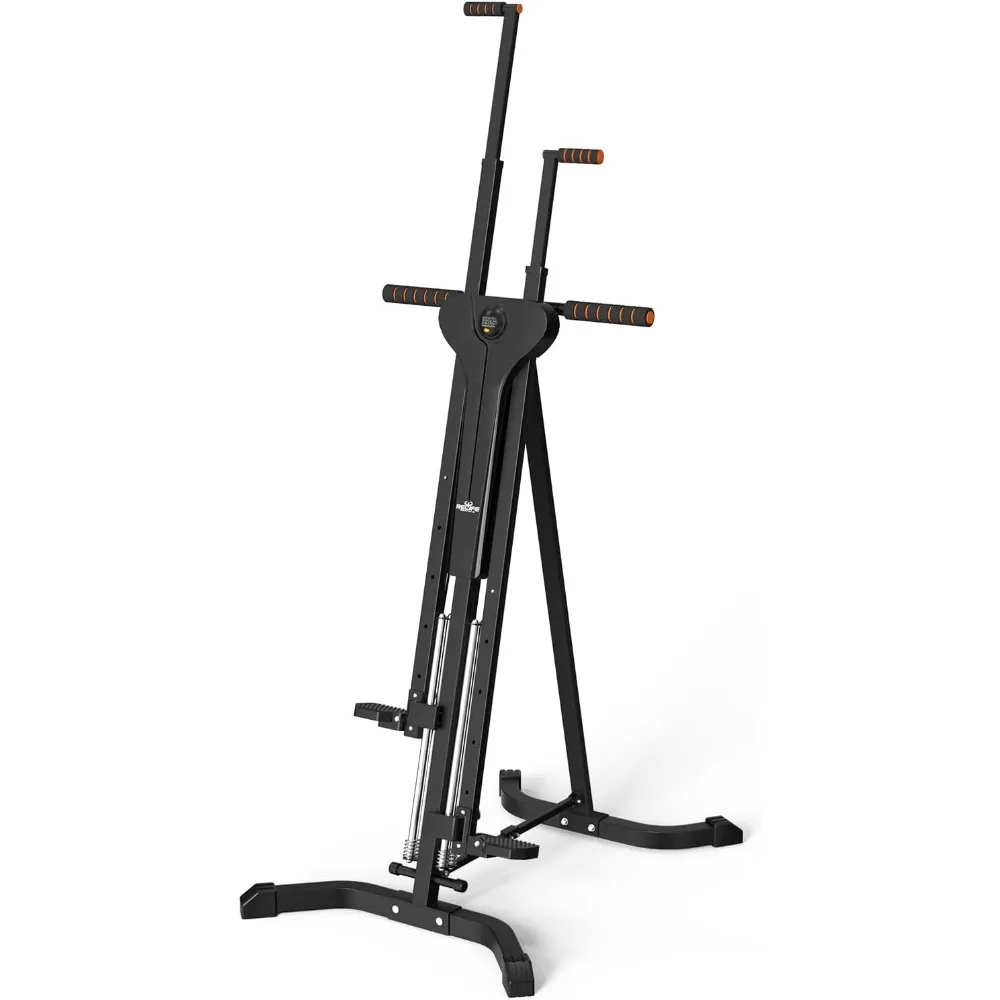



introduction
In today’s landscape of preventive medicine and chronic disease management, exercise remains a keystone of public health. Both cardiovascular (cardio) and weight (resistance) training independently confer major physiological benefits, including reduced morbidity and all-cause mortality across populations. However,questions of how to combine cardio and weight training effectively are widespread. Individuals striving for optimal health, weight management, or performance enhancement seek clarity: Does one diminish the benefits of the other? Should sessions be separated or merged? Which protocol reduces cardiometabolic risk most efficiently? This evidence-based article explores medical, physiological, and practical considerations, guiding you through the science of concurrent training for superior health outcomes.
The Distinct Benefits of Cardio and Weight Training
Cardiovascular (Aerobic) Exercise
Aerobic exercise, encompassing activities such as running, cycling, swimming, and brisk walking, is clinically proven to increase cardiorespiratory fitness and reduce the risk of cardiovascular and metabolic diseases. According to the Centers for Disease Control and prevention (CDC),regular aerobic activity strengthens the heart and lungs,enhances vascular health,lowers blood pressure,and improves lipid profiles. The World Health Organization (WHO) recommends at least 150-300 minutes of moderate-intensity aerobic activity per week for adults.

Resistance (Weight) Training
Weight training, or resistance exercise, develops skeletal muscle mass and strength via the principle of progressive overload. Its health dividends extend beyond improved body composition and functional ability; resistance exercise lowers blood glucose, modulates insulin sensitivity, increases basal metabolic rate, and preserves bone mineral density, notably in aging populations (Harvard Health Publishing). Moreover, systematic meta-analyses confirm a strong inverse relationship between muscular strength and all-cause mortality (JAMA Network Open).
Distinct Adaptations and Overlap
While both exercise modalities yield unique adaptations-cardio optimizes mitochondrial density and vascular health; resistance training drives neuromuscular and myofibrillar growth-each mitigates chronic disease risk, improves mental health, and enhances lifespan. Combined, they target a broader spectrum of health determinants.
The Science of Concurrent Training: Compatibility and synergy
Physiological Foundations
Combining aerobic and resistance training is termed concurrent training. Historically, debate centered on the so-called “interference effect,” whereby endurance and strength adaptations might compete at the molecular level, potentially blunting gains if not programmed judiciously. Key molecular pathways implicated include AMP-activated protein kinase (AMPK) and mammalian target of rapamycin (mTOR) (National Institutes of Health (NIH)). However, modern research indicates these interactions mainly affect elite athletes or those with highly specialized goals and are minimally meaningful for the general population when sufficient recovery and programming are applied.
Latest Clinical Evidence
Systematic reviews and randomized controlled trials reveal that, for most participants, concurrent training results in equal or superior overall health outcomes compared to either modality alone. Meta-analyses confirm that combining cardio and resistance training leads to greater reductions in body fat percentage, improved glycemic control, and enhanced cardiovascular markers (Medical News Today). The practical question,thus,is not whether to combine,but how.
Guidelines and Recommendations for Combined Exercise Programming
Current Medical Guidelines
evidence-based recommendations from authoritative bodies like the CDC and NHS highlight the vital roles of both training modalities. Adults should undertake:
- At least 150-300 minutes per week of moderate-intensity aerobic physical activity, and
- Muscle-strengthening activities involving all major muscle groups on two or more days per week.
These guidelines emphasize the synergistic health impact of concurrent training,such as lower incidence and better management of hyperglycemia,hypertension,dyslipidemia,and sarcopenia.
Structuring Exercise Sessions: Key Principles
When integrating cardio and weight training,consider these science-driven principles:
- Frequency: Minimum of 3-5 aerobic and 2-3 resistance sessions weekly for optimal health.
- Order: Order may influence acute performance. Weight (strength) training first is preferable if strength or muscle hypertrophy are primary goals; aerobic first suits endurance objectives (NIH).
- Intensity: alternate between high and low intensities to facilitate recovery and adaptation.
- Rest and Recovery: Allow adequate recovery between sessions, especially after high-intensity intervals or heavy lifting.
Effective Strategies for combining Cardio and Weight Training
Same-Day vs. Alternate-Day Programming
same-Day Training: Both modalities in one session. Such as, 30-45 minutes of resistance training, followed by 20-30 minutes of aerobic activity. Advantages include exercise efficiency and fewer scheduling demands, but ther may be temporary performance trade-offs for subsequent activities.
Alternate-Day Training: Cardio and resistance sessions are performed on different days. This approach supports maximal exertion for each modality, optimal for individuals with aspiring strength or endurance goals (Healthline).
Circuit and High-Intensity Interval Training (HIIT)
Circuit training routines or combined HIIT protocols (e.g., alternating strength and cardio intervals) efficiently integrate both modalities. Research confirms HIIT’s efficacy for improving aerobic capacity, insulin sensitivity, and muscular conditioning in less total time (NIH). However, adequate supervision and teaching of correct technique are crucial to minimize injury risk.
Weekly Scheduling Examples
| Day | Session 1 | Session 2 (Optional) |
|---|---|---|
| Monday | Upper Body Strength | 20-min Moderate Cardio |
| Tuesday | 30-min Aerobic (Jog/bike) | |
| Wednesday | Lower Body Strength | 15-min HIIT Cardio |
| Thursday | Yoga/Active Recovery | |
| Friday | Total Body Strength | 20-min Cardio (Intervals) |
| Saturday | Long Walk or Light cardio | |
| Sunday | Rest |
Image: Integrating Cardio and Weight Training

Medical Mechanisms: How Combined Training Impacts health
Cardiometabolic Health
Strong epidemiological and clinical trial evidence demonstrates that concurrent training:
- Reduces fasting glucose and HbA1c in prediabetes and diabetes (CDC).
- Lowers systolic and diastolic blood pressure, enhancing arterial compliance (American heart Association).
- Decreases visceral adiposity and improves lipid profiles, positively impacting LDL, HDL, and triglyceride levels (NIH).
Musculoskeletal Health and Sarcopenia Prevention
Resistance training slows or reverses age-related declines in muscle mass (sarcopenia), bone density (osteoporosis), and functional independence. Combined programs further protect against falls and frailty in older adults (NIH).

Mental Health Synergy
Both modalities are linked to improved mood,cognition,self-esteem,and reduced incidence of depression and anxiety-benefits shown to be additive when combined (Mayo Clinic).
Interference Effect: Myths and Modern Consensus
Explanation and Evidence
The interference effect roots in early findings that concurrent endurance and strength training may inhibit maximal strength or hypertrophy gains. However, the magnitude of this effect is minor for recreational athletes and clinically insignificant for general health objectives. Meta-analyses show that adequate programming (separation by hours/days,balancing volume and intensity) negates most concerns (ACSM).
Individualized Considerations
Athletes may consider additional separation or periodization, but the vast majority of adults will reap comprehensive benefits with minimal trade-offs when thoughtfully combining modalities (NIH).
practical Tips for Safe and Effective Concurrent Training
Warm-Up and Cool-Down
Implement at least 5-10 minutes of dynamic warm-up before and static stretching after sessions to mitigate risk of musculoskeletal injury (Harvard Health).
Nutrition, Hydration, and Recovery
Concurrent training increases nutritional and hydration demands. Rely on a balanced diet with sufficient protein intake (1.2-2.0 g/kg body weight) and carbohydrates to support recovery and muscle anabolism (Healthline). Adequate sleep (7-9 hours per night) and stress reduction also play pivotal roles.
Progress Monitoring and Adaptation
Regularly assess cardiovascular metrics (heart rate, blood pressure), body composition, muscular strength, and subjective markers of well-being. Adjust intensity, duration, and frequency every 4-8 weeks to promote ongoing adaptation and prevent plateau (NIH).
Risk Management and Medical Supervision
Individuals with cardiovascular, metabolic, or musculoskeletal comorbidities should seek medical clearance and individualized exercise prescription (Mayo Clinic).Watch for warning signs such as chest pain, dizziness, or excessive fatigue and suspend exercise pending evaluation.
Populations with Special Considerations
Older Adults
Combined aerobic and resistance regimens are fundamental for maintaining independence, bone density, balance, and cognitive function in older adults (National Institute on aging).
Individuals with Chronic Disease
For those with diabetes, CVD, or hypertension, concurrent training is safe and strongly recommended for improved glycemic control, blood pressure, and overall prognosis, as outlined by the CDC and NHS.
Women, Pregnancy, and partum
Women benefit from concurrent training for bone health, weight management, and metabolic stability. During pregnancy, with provider clearance, modified routines support healthy gestation and partum recovery (ACOG).
Frequently Asked Questions (FAQ)
Is it better to do cardio before or after weights?
Order should align with primary goals. For muscle strength/hypertrophy,do resistance training first; for endurance,start with cardio. Research shows both sequences confer substantial health benefits (Medical News Today).
How much cardio and weight training is optimal for general health?
Follow CDC guidelines-150-300 minutes moderate aerobic exercise per week plus strength training at least 2 days per week.
Will cardio reduce my muscle gains?
With appropriate calories, recovery, and programming, concurrent training will not meaningfully impair muscle growth, except perhaps at the level of elite athletics (NIH).
What are warning signs to stop a workout?
chest pain, severe shortness of breath, dizziness, palpitations, or sudden joint swelling are red flag symptoms. Stop physical activity instantly and seek medical evaluation (American Heart Association).
Conclusion
A growing medical consensus and robust body of clinical evidence support the concurrent use of cardio and resistance training for superior health, disease prevention, and longevity. The practical integration of these complementary modalities enhances cardiometabolic,musculoskeletal,and mental health while accommodating diverse age groups and comorbidities. By following validated programming principles and individualized adjustments, you can maximize the physiological, clinical, and quality-of-life benefits of exercise safely and effectively.
Always consult a qualified healthcare provider before beginning or altering any exercise regimen, especially if you have, or are at risk for, chronic disease or injury. For more evidence-based facts on exercise and medical wellness, visit resources such as the World Health Organization,CDC, or MedlinePlus.
Further Reading and Resources
- WHO: Physical Activity Fact Sheet
- CDC: Physical Activity Basics
- NHS: Exercise
- Mayo Clinic: Fitness
- Harvard Health: Fitness