


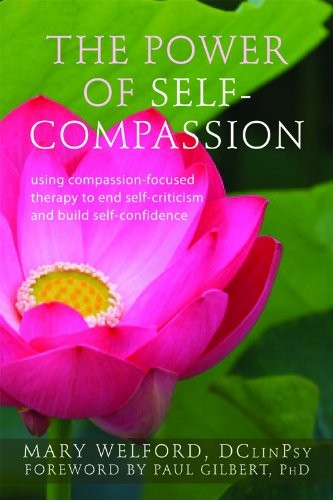


How to Embrace Emotional Self‑Compassion for Ongoing Wellbeing
Introduction
Emotional self-compassion represents a pivotal cornerstone for sustained psychological and physical wellbeing. In an era where mental health disorders such as depression and anxiety are leading causes of disability worldwide, with significant impact documented by the World Health Institution (WHO), prioritizing compassionate self-care strategies has never been more imperative. Traditionally, healthcare frameworks have emphasized physical wellbeing, yet mounting evidence demonstrates that fostering emotional resilience-rooted in self-compassion-is equally vital for disease prevention, recovery, and quality of life (CDC). This article comprehensively reviews the science of emotional self-compassion, elucidates its biopsychosocial benefits, and offers evidence-based strategies for integrating self-compassion into daily life for ongoing wellbeing.
Defining Emotional Self-Compassion: Medical and Psychological Perspectives
The term emotional self-compassion is best understood as the practice of extending kindness and understanding to oneself during times of emotional distress or perceived inadequacy. According to the widely referenced model proposed by Dr. Kristin Neff, self-compassion consists of self-kindness, common humanity, and mindful awareness. In this model, individuals consciously acknowledge suffering without judgment, treat themselves with warmth, and recognize that imperfection is common to the human experiance. Clinically, self-compassion has been shown to buffer against maladaptive emotional states by calibrating the body’s stress response, as outlined by research in the National Institutes of Health (NIH) journals.

The Science and epidemiology of Self-Compassion
Recent epidemiological studies underscore the public health significance of emotional self-compassion. The prevalence of self-criticism-an antithesis of self-compassion-is correlated with an array of psychopathologies, including depression, anxiety disorders, eating disturbances, and even cardiovascular disease (JAMA Psychiatry). Conversely, heightened self-compassion is associated with increased resilience, lower allostatic load, and improved prognosis in chronic disease management.
Population-based research across diverse cohorts reveals that self-compassion is a learnable trait, not an immutable personality characteristic.As an example, a meta-analysis in the Lancet Global Health illustrates that interventions focused on self-compassion can significantly reduce the burden of stress-related disorders,especially among populations experiencing high adversity.
The Biopsychosocial Benefits of Embracing Emotional Self-Compassion
Mental Health and Resilience
Clinical trials and systematic reviews have demonstrated robust associations between self-compassion and improved mental health outcomes. Individuals trained in self-compassion techniques exhibit lower rates of depressive relapse, heightened adaptive coping mechanisms, and diminished rumination. This is partly due to self-compassion’s regulatory effect on the hypothalamic-pituitary-adrenal (HPA) axis, attenuating cortisol release during stress (NCBI).
Physical Health Correlates
Emerging evidence also links emotional self-compassion with tangible physical health benefits, such as improved cardiovascular health, enhanced immune function, and reduced inflammatory markers. A landmark study published by the Mayo Clinic highlights that individuals with high self-compassion scores report fewer somatic complaints and experience faster recovery from acute illnesses, suggesting a biopsychosocial underpinning to its protective effects.
Social and Interpersonal Functioning
From a psychosocial lens,self-compassion fosters empathetic engagement and prosocial behaviors. By reducing defensiveness and social isolation, self-compassionate individuals report higher quality relationships and greater life satisfaction (Healthline). Self-compassion also improves emotional regulation, allowing individuals to navigate conflict and feedback with composure, further supporting workplace and community wellbeing.
Pathophysiology of Self-Criticism and Emotional Neglect
Self-criticism activates neural circuits analogous to those triggered during physical pain, as documented via neuroimaging studies (NIH PMC). Persistent activation of these circuits, coupled with chronic stress response, has been linked to adverse outcomes such as prolonged fatigue, sleep disturbances, and increased vulnerability to chronic disease. Pathophysiologically, the absence of self-compassion maintains a state of sympathetic nervous system overdrive, characterized by elevated catecholamine secretion, immune dysregulation, and increased systemic inflammation (Harvard Health).
Clinical Evidence for Self-Compassion-Based Therapeutic Protocols
Healthcare professionals increasingly reccommend self-compassion-based therapeutic interventions as adjunctive strategies for managing mood disorders, trauma, and psychosomatic complaints. Programs such as Mindful Self-Compassion (MSC) and Compassion-Focused Therapy (CFT) have yielded promising outcomes in randomized controlled trials (NCBI). These interventions utilize mindfulness training, cognitive restructuring, and experiential exercises to recondition maladaptive emotional responses and foster a nurturing internal dialog.
emotional Self-Compassion vs. Other Therapeutic Approaches
| Approach | Core Principle | Indications | Evidence Base |
|---|---|---|---|
| Self-Compassion | Kindness toward oneself during suffering | Mood disorders, stress, burnout | NHS |
| Conventional mindfulness | Non-judgmental awareness | Anxiety, relapse prevention | NIH PMC |
| Cognitive Behavioral Therapy (CBT) | Cognitive restructuring of maladaptive thoughts | Depression, anxiety, phobias | Mayo Clinic |
| Acceptance & Commitment Therapy (ACT) | Acceptance of emotions, value-driven action | Chronic pain, OCD, depression | Harvard Health |
How to Cultivate Emotional Self‑Compassion: Evidence-Based Techniques
The following clinical and self-help interventions are substantiated by extensive peer-reviewed research and can be integrated into existing health maintenance or therapeutic routines:
1. Mindful Awareness and Non-Judgmental Presence
Mindfulness, which involves non-judgmental awareness of present-moment experience, is a precursor to self-compassion. guided mindfulness meditation has been associated with measurable changes in the prefrontal cortex, enhancing emotional regulation and reducing amygdala reactivity (NIH PMC). For practical submission, brief daily practices-such as mindful breathing or grounding exercises-can recalibrate stress response pathways, enabling compassionate engagement with emotional pain (Healthline).
2. Compassionate Self-Talk and Cognitive Reframing
Transforming negative self-talk is central to emotional self-compassion. Cognitive reframing, rooted in principles of cognitive-behavioral therapy (CBT), assists in replacing self-criticism with nurturing internal dialogue. Clinical studies have shown that such interventions not only reduce symptoms of depression and anxiety but also foster self-efficacy (Medical News Today).
3. Connecting with Common Humanity
Recognizing that suffering and imperfection are universal human experiences reduces shame and increases resilience.Group interventions and peer support programs, shown effective in randomized trials among populations with chronic illness and trauma, leverage shared vulnerability as a mechanism for healing (NIH PMC).
4. Embodied Compassion: Somatic Practices
Self-compassion can be embodied through somatic techniques such as self-soothing touch or gentle stretching. These practices activate the parasympathetic nervous system, reducing physiological arousal and enhancing self-regulation (Mayo Clinic).
5. Structured Self-Compassion Training
Programs such as Mindful Self-Compassion (MSC) and Compassion-Focused Therapy (CFT) are empirically validated for their efficacy in improving emotional wellbeing. Typically, these involve psychoeducation, guided meditation, and experiential exercises led by trained clinicians (NIH PMC). For those seeking a structured approach, participation in an MSC or CFT program is highly advised.

Barriers to Practicing Emotional Self-Compassion
Despite strong evidence supporting self-compassion, many face obstacles in its adoption. Cultural, familial, and individual factors can shape one’s comfort with self-kindness. For example, guilt, perfectionism, and fears of appearing self-indulgent are common (Harvard Health). Clinicians are encouraged to address these barriers through psychoeducation, normalization, and incremental practice.
In certain sociocultural contexts, emotional stoicism or self-sacrifice might potentially be lauded, inadvertently discouraging self-compassion.Healthcare providers note that comparative and judgmental environments, as found in some high-achieving academic or professional spheres, heighten self-criticism and impede the cultivation of emotional resilience (JAMA network Open).
populations Most at Risk from Lack of Emotional Self-Compassion
- Healthcare professionals and caregivers: Experience of burnout is strongly linked to self-critical attitudes and a paucity of self-compassionate behaviors, as documented among physicians and nurses (CDC).
- Adolescents and young adults: High exposure to social comparison and perfectionism renders these groups vulnerable to self-criticism, impacting their mental health trajectory into adulthood (NIH PMC).
- Individuals with chronic illness: The psychological burden of chronic disease can intensify self-critical cognitions, impairing prognosis and self-management (MedlinePlus).
Measuring Self-Compassion: Clinical Tools and Assessments
Validated instruments such as the Self-Compassion Scale (SCS) are commonly used to quantify levels of self-compassion in clinical and research settings (Self-Compassion.org). Routine use of these scales can assist clinicians in identifying at-risk individuals and tracking intervention outcomes.
Integrating emotional Self-Compassion into Everyday Life
Daily Micro-Practices
- Take brief mindful pauses throughout the day to label and accept your emotional state.
- Practice self-soothing gestures,such as placing a hand on the heart or gentle self-massage,especially during emotional duress.
- Use compassionate self-statements modeled after how you would comfort a friend in distress.
Commitment to these “micro-compassion” practices helps recondition neural pathways over time, shifting from habitual self-criticism to adaptive, nurturing responses (Healthline).
Family, Community, and Institutional Settings
Fostering environments that value self-compassion-within families, schools, healthcare settings, and the workplace-amplifies its impact. Empirical evidence demonstrates that integrating compassion training in psychotherapy, healthcare workforce growth, and school curriculums significantly reduces psychological distress and improves collective wellbeing (JAMA pediatrics).
Risks, Contraindications, and When to Seek Professional Help
Although generally beneficial, self-compassion practices are not substitutes for evidence-based medical or psychiatric treatment in cases of severe mental illness, self-harm, or suicidal ideation. Individuals experiencing persistent or escalating symptoms are urged to seek immediate evaluation from licensed healthcare providers (NHS). in rare instances, intensive focus on self-compassion exercises can unearth latent trauma, necessitating trauma-informed clinical support.
Conclusion
Embracing emotional self-compassion is both a preventive and therapeutic strategy essential for ongoing wellbeing. Rooted in a robust corpus of scientific literature,self-compassion not only mitigates psychological distress but also promotes biopsychosocial resilience. Clinicians,patients,and the broader community must collaborate in normalizing,teaching,and reinforcing self-compassionate practices as integral components of health promotion. For further guidance or support, leverage resources from the National Institute of Mental Health or consult with a certified mental health professional.
resources and Further Reading
- World Health Organization: Mental Health
- CDC: Mental Health
- NIH: Mindfulness Meditation and Health
- Harvard Health: Self-Compassion
- Center for Mindful Self-Compassion