

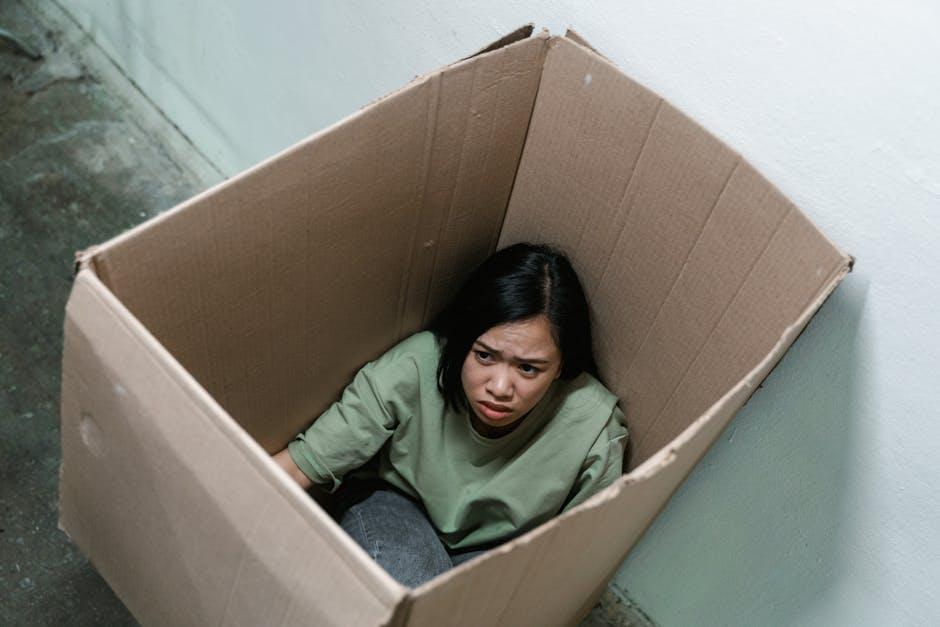
How to Strengthen Social Connections When Anxiety Holds You Back
Introduction
Social connections are crucial to human health adn well-being. According to the Centers for Disease Control and Prevention (CDC), strong social ties improve mental health outcomes, reduce stress, increase longevity, and lower the risk of chronic diseases. however, for many individuals, anxiety—particularly social anxiety—can create barriers to forming and maintaining these vital bonds. The National Institute of Mental Health (NIMH) estimates that nearly 19% of U.S. adults experience an anxiety disorder annually, with social anxiety being one of the most prevalent forms.
Loneliness and social isolation have been declared significant public health concerns by the World Health Organization (WHO). The health risks of isolation are comparable to other well-established risk factors such as smoking and physical inactivity. therefore, addressing the intersection between anxiety and social connection is paramount for individual and community health.
Understanding the Link Between Anxiety and Social Connections
Defining Social Anxiety and Generalized Anxiety
Anxiety encompasses a spectrum of disorders marked by excessive fear and avoidance. social anxiety disorder (social phobia) involves intense fear of being judged or negatively evaluated in social or performance situations. Generalized anxiety disorder (GAD) ofen includes chronic worry and apprehension about a wide range of life events, sometimes spilling into social interactions.
Symptoms may manifest physically (racing heart, sweating, trembling), cognitively (rumination, anticipatory anxiety), and behaviorally (avoidance of social events, withdrawal).These features make initiating and maintaining social connections exceptionally challenging for those affected. The presence of social anxiety is associated with fewer friendships, less social support, and greater risk of isolation (NCBI).
The Health Impact of Social Connection
Robust evidence links healthy social relationships with reduced rates of depression,improved immune function,quicker recovery from illness,and increased lifespan (Harvard Health). Conversely, chronic loneliness and social isolation are correlated with a 29% increased risk of coronary heart disease and a 32% increased risk of stroke (The Lancet).
Given the interplay between anxiety and connectivity, targeted interventions are essential. The following sections outline evidence-based strategies and therapeutic approaches to help individuals with anxiety foster, restore, and maintain healthy social bonds.
Recognizing the Barriers: How Anxiety Impacts Social Connection
Cognitive and Emotional Barriers
- Negative Self-Appraisal: Many individuals with anxiety hold distorted beliefs about their social competence, fearing rejection or embarrassment (NHS).
- Anticipatory Anxiety: Worry about upcoming social events can lead to procrastination or avoidance behaviors, preventing opportunities for connection.
- Rumination: -event rumination, or repeatedly replaying social interactions, can undermine confidence and fuel ongoing isolation (NCBI).
Behavioral Avoidance
People with social anxiety may avoid parties, meetings, group activities, or even social media engagement. Over time, avoidance deepens isolation, erodes social skills, and reinforces anxious beliefs, acting as both a cause and consequence of loneliness (CDC).
Physiological Barriers
Anxiety disorders activate the sympathetic nervous system, triggering fight-or-flight responses in social contexts. Chronic physiological arousal can contribute to fatigue and make social engagement feel threatening or exhausting (Mayo Clinic).
The Science Behind Social Connections and Anxiety
Neurobiological Outlook
Social behavior and anxiety are moderated by overlapping neural circuits. The amygdala, prefrontal cortex, and oxytocinergic pathways play key roles in how we perceive and react to social threats or rewards (NCBI). For some, hyperactivity in the amygdala increases threat sensitivity, making neutral or ambiguous interactions feel risky.
Psychosocial Dynamics
Attachment theory and social learning guide our approach to interpersonal relationships.Early negative social experiences or traumatic rejection can contribute to lasting anxiety about future connections (american Psychological Association). The quality—not just quantity—of social relationships influences resilience and emotional regulation.
Epidemiological Data
Comparative studies consistently show that individuals with social anxiety or high trait anxiety report lower scores on social integration, community participation, and perceived support (JAMA Psychiatry). These differences persist across age groups and global regions, underscoring the importance of targeted interventions.
Evidence-Based strategies for Strengthening Social Connections
Cognitive-Behavioral Therapy (CBT)
Cognitive-behavioral therapy (CBT) is the gold standard treatment for social anxiety and related disorders. It focuses on identifying and restructuring maladaptive thoughts, practicing exposure to feared situations, and building coping skills (NIMH). Meta-analyses have demonstrated that CBT is effective in reducing anxiety symptoms and improving social functioning (NCBI).
- CBT may be delivered individually, in groups, or online, making it accessible even for those with initial apprehension about face-to-face sessions.
- Common CBT techniques include cognitive restructuring, graded exposure, role-playing, and social skills training.
Mindfulness and Acceptance-Based Therapies
Mindfulness-based stress reduction (MBSR), acceptance and commitment therapy (ACT), and related interventions help individuals accept anxious thoughts and sensations without judgment, reducing experiential avoidance. research demonstrates that mindfulness can decrease physiological arousal and improve emotional regulation in social situations (NCBI).
- Regular mindfulness practice has been shown to increase social attunement and prosocial behavior (Harvard Health).
- Guided meditations, body scans, and mindful breathing exercises are accessible entry points for beginners.
Graduated Exposure and Behavioral Experiments
Systematic desensitization or graduated exposure is a core component of anxiety treatment.It involves facing feared social situations in a stepwise fashion, starting with less threatening scenarios and progressing as confidence grows (Healthline).
- Exposure exercises can include initiating small talk, making phone calls, or attending a class or support group.
- Over time, individuals experience “habituation,” in which anxiety naturally decreases as new, positive experiences accrue.
Building communication and Social Skills
Social skills training addresses the practical side of connection—body language, listening, assertiveness, and conflict resolution. Studies demonstrate that structured skills training improves outcomes for people with social anxiety, particularly when combined with CBT (NCBI).
- Role-playing and video feedback are effective modalities for practicing and refining new behaviors.
- Participants learn to recognize social cues, initiate conversation, and respond appropriately to feedback.
Leveraging Digital Platforms Responsibly
Digital tools and online communities can bridge the gap for those hesitant about face-to-face interaction. Peer support forums, telehealth therapy, and structured digital interventions all provide opportunities for safe connection (Medical News Today).
- Virtual meetups, hobby groups, and educational courses offer low-pressure environments to build connections.
- However, excessive reliance on social media should be avoided due to risks of comparison and cyberbullying.
Practical Steps for Forming and Nurturing Social Connections
Start with Safe, supportive relationships
Begin by strengthening bonds with trusted family members or close friends. Supportive relationships provide validation, emotional security, and a testing ground for new skills.
- Communicate openly about your anxiety to trusted individuals. Authenticity can build empathy and deepen connections.
- Set clear boundaries and expectations to maintain comfort and reduce unneeded stress.
Joining Structured Groups and Activities
Group-based activities, such as book clubs, fitness classes, volunteering, or workshops, offer a shared context that reduces the pressure of one-on-one interactions. Research shows that structured group participation enhances feelings of belonging and social cohesion (MedlinePlus).
- Start by attending as an observer, if necessary, then gradually increase participation as comfort grows.
- Choose activities aligned with your interests to foster authentic connections and sustain motivation.
Cultivating Empathy and Mindful listening
Empathy is the cornerstone of healthy social bonds. Practicing mindful listening—attending fully to the other person without interruption—improves mutual understanding and trust (Harvard Health).
- Ask open-ended questions and express genuine curiosity about others’ experiences.
- Reflect on and validate emotions shared by others to reinforce connection.
Setting Realistic, Gradual Goals
Break down social goals into manageable steps to reduce overwhelm. For example, start with a weekly phone call, then progress to coffee with a friend, and eventually, attend larger gatherings (healthline).
- Track your progress to reinforce positive changes and identify areas needing further support.
- Reward yourself for milestones—no matter how small—to sustain motivation and self-compassion.

Clinical Management: When to Seek Professional Help
Indications for Clinical Intervention
If anxiety significantly disrupts daily functioning,employment,academic performance,or relationships,professional intervention is warranted (Mayo Clinic). Comorbid conditions such as depression or substance use further elevate the need for extensive care.
Therapeutic Modalities
- Pharmacotherapy: Selective serotonin reuptake inhibitors (ssris) and serotonin-norepinephrine reuptake inhibitors (SNRIs) are first-line for moderate-to-severe social anxiety disorder (FDA).
- Counseling and Psychotherapy: Individual, group, or family therapy can address maladaptive thought patterns, social skills deficits, and underlying trauma.
- Telehealth: Remote therapy options have increased access and reduced stigma—vital for those unwilling or unable to attend in-person appointments (NIH).
Role of Peer Support and Group Therapy
Peer-led groups offer unique benefits for those struggling with anxiety and isolation, providing normalization, shared strategies, and opportunities for authentic engagement (NCBI).
- Support groups for anxiety, available through local clinics or national organizations, reduce stigma and create a sense of belonging.
- Structured group therapy also fosters accountability and regular opportunities to practice social skills (NCBI).
harnessing Lifestyle Approaches to Support Social and emotional Health
Physical Activity and Exercise
Multiple studies confirm that regular aerobic exercise reduces symptoms of anxiety and depression (Harvard Health). Mechanistically,exercise modulates neurotransmitters,lowers physiological arousal,and offers social interaction opportunities through team or group-based activities.
- Walking, cycling, dancing, or group fitness classes provide both physiological benefits and contexts for connection.
Nutrition, Sleep, and Self-Care
Diet and sleep quality are intimately linked to emotional regulation and anxiety. Deficiencies in specific nutrients—including omega-3 fatty acids, B-vitamins, and magnesium—can exacerbate mood disturbances. Similarly, poor sleep contributes to both social withdrawal and anxiety onset (NCBI).
- Eat balanced, regular meals to stabilize mood and energy.
- Prioritize sleep hygiene—consistent sleep/wake times, limiting caffeine and digital device use before bed (Sleep Foundation).
- Engage in self-care practices such as journaling, nature walks, and creative activities that foster positive emotional states.
Addressing Substance use
Some people use alcohol, nicotine, or drugs as maladaptive coping mechanisms for anxiety, but these substances ultimately worsen symptoms and impair social functioning (NCBI). Seek professional advice if substance use is interfering with health or relationships.
Cultural, Age, and Demographic Considerations
Cultural Influences on Social Anxiety and Connection
Social norms and expectations vary globally, influencing both the expression of anxiety and the nature of social connections. In collectivist cultures, the value placed on group harmony may intensify anxiety about social missteps, while individualistic societies often stress self-presentation and achievement (JAMA Psychiatry).
Understanding such differences can definitely help tailor intervention strategies. Culturally responsive care improves outcomes across diverse communities (NCBI).
Considerations for Children and Adolescents
Anxiety and social withdrawal may first become apparent during school years. Early intervention is associated with better lifelong outcomes. Parents and educators can model healthy social behaviors, encourage participation in group activities, and provide support for emotional literacy.
- Signs of social anxiety may include avoidance of school, difficulty making friends, or extreme sensitivity to criticism.
- Child-specific interventions should involve family-based therapy and school collaboration (Mayo Clinic).
Special Challenges for Older Adults
Older adults are particularly vulnerable to social isolation due to bereavement, illness, limited mobility, or retirement (CDC). Encouraging community involvement,peer-to-peer programs,and practical support services can be lifesaving in these populations.
- Technology training and transportation support can remove practical barriers to social engagement.
Overcoming Setbacks and Sustaining Progress
Resilience in the Face of Setbacks
Setbacks are a normal part of the recovery journey. Relapses, misunderstandings, or negative social experiences do not signify failure. Instead, these moments can foster resilience and adaptive coping, especially when viewed through a compassionate, growth-oriented lens (NCBI).
- Reflect on progress and adapt strategies as needed.
- Seek ongoing support from mental health professionals, peer groups, and trusted mentors.
- Practice self-compassion and continue setting realistic, flexible goals.
Conclusion
Anxiety can present formidable obstacles to social connection, but with evidence-based interventions and practical strategies, individuals can rebuild and strengthen their networks.Robust social relationships play a pivotal role in mental, emotional, and physical health. Whether through gradual exposure, skills training, professional therapy, or lifestyle changes, the journey toward connection is both possible and worthwhile.
If you or a loved one are struggling with anxiety and social isolation, professional help is available.Explore resources such as the NIMH Find Help directory or consult with a licensed psychologist or primary care provider. With persistence, compassion, and support, meaningful connections and improved quality of life are within reach.
Frequently Asked Questions (FAQs)
- 1. How common is social anxiety?
- Social anxiety is one of the most prevalent anxiety disorders, affecting up to 7% of the general population at any given time (NIMH).
- 2.Can medication help with social anxiety?
- Yes, medication—especially SSRIs—can be effective for moderate-to-severe cases when combined with therapy (Mayo Clinic).
- 3. Are online relationships beneficial?
- Online communities can provide support and connection; however, balance is important to avoid excessive isolation or comparison (Harvard Health).
- 4. What role does exercise play?
- Exercise reduces anxiety, boosts resilience, and provides venues for social interaction (Harvard Health).
Resources & Further Reading
- NIMH: Anxiety Disorders
- Mayo Clinic: Social Anxiety Disorder Overview
- CDC: Emotional Well-Being & Social Connectedness
- Healthline: Social Anxiety support Groups