

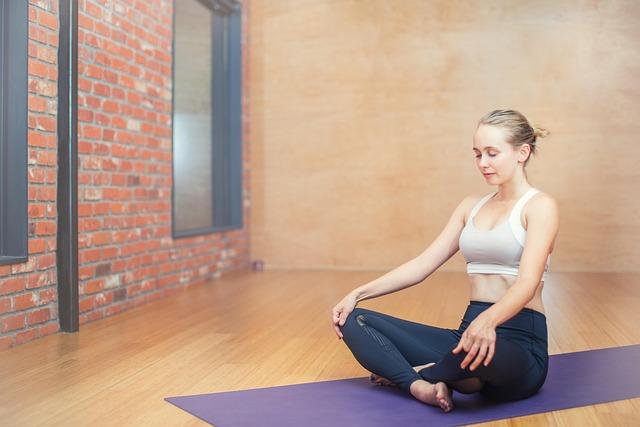
How to Establish Daily Calm Practices That Stick
Introduction
Chronic stress has emerged as a predominant risk factor for many non-communicable diseases, mental health disorders, and impaired quality of life worldwide. According to the World Health Organization (WHO),stress-related mental health concerns now represent a important morbidity burden globally.Integrating daily calm practices—structured routines that promote relaxation and emotional regulation—has become an evidence-based recommendation by leading health authorities to enhance psychological resilience, reduce allostatic load, and prevent stress-driven pathologies.This article, authored from the perspective of a healthcare professional, provides a thorough, science-backed guide to establishing daily calm practices that are not only effective but enduring for the long term. We will explore physiological mechanisms of stress modulation, evidence for specific interventions, practical implementation strategies, and troubleshooting for common barriers.
The Importance of Daily Calm Practices: A Medical Overview
Chronic activation of the stress response system—specifically, the hypothalamic-pituitary-adrenal (HPA) axis—leads to increased secretion of cortisol and catecholamines. This dysregulation is implicated in the pathophysiology of cardiovascular diseases, metabolic syndromes, anxiety, depression, and immunosuppression, as outlined in peer-reviewed research. Calm practices, including structured breathing, mindfulness meditation, and restorative activities, have demonstrated favorable modulation of the HPA axis and autonomic nervous system, aiding homeostasis and emotional regulation (Harvard Health Publishing).
Public Health Outcomes
On a population level,regular engagement with calming interventions reduces healthcare resource use,absenteeism,and the incidence of stress-related conditions. The JAMA Network reports significant efficacy of mindfulness and relaxation in reducing symptoms of generalized anxiety and promoting optimal mental health when practiced consistently.
The Physiology of Calm: Science Behind the Practice
understanding why calm practices ‘stick’ involves recognizing their physiological impacts. Calm-promoting activities typically:
- Activate the parasympathetic nervous system: Practices such as diaphragmatic breathing and progressive muscle relaxation stimulate the vagus nerve, slowing heart rate and lowering blood pressure (Harvard Health).
- Lower cortisol levels: Regular meditation and mindfulness decrease circulating stress hormones, improving immune function and sleep quality (PubMed).
- Modulate brain activity: Neuroimaging studies show structural and functional changes in the prefrontal cortex and limbic system after consistent mindfulness practice,enhancing emotional regulation (Clinical Review).
Key evidence-based Daily Calm Practices
Below is a detailed review of daily calm practices substantiated by clinical research and medical consensus. Each practice is defined, followed by scientific evidence and tips for integration into daily routines.
1. Mindfulness Meditation
Mindfulness meditation is the intentional focus on the present moment without judgment. Systematic reviews published in JAMA Internal Medicine demonstrate that mindfulness-based interventions (MBIs) significantly reduce symptoms of anxiety, depression, and stress.With consistent use, mindfulness improves neural plasticity and stress-adaptive responses.
Implementing Mindfulness
- Start with guided meditations: Use evidence-backed apps such as Headspace or Calm, or follow scripts from recognized medical sources like Harvard’s Mindfulness Center.
- Consistency is key: Scientific literature supports starting with brief (5–10 minute) daily sessions, gradually increasing duration.
- Track progress: Reflection journals or simple checklists can reinforce adherence.
2. Breathing Exercises
Controlled breathing, such as diaphragmatic or box breathing, directly manipulates autonomic tone. The National Institutes of Health (NIH) illustrates that slow, deep breathing reduces sympathetic overdrive and elicits a measurable calming response.
Implementing Breathing Techniques
- Box breathing: Inhale, hold, exhale, hold—each phase for four counts. This method is endorsed by clinical psychologists for stress resilience (Healthline).
- Integration with daily cues: Habit-stacking (e.g., practice after brushing teeth) improves adherence.
3. Progressive muscle Relaxation (PMR)
PMR involves tensing and releasing muscle groups systematically to induce relaxation. Clinical evidence supports PMR for reducing somatic anxiety and enhancing sleep quality (PubMed).
Tips for Practice
- Audio guides: utilize recordings from medically reviewed sources (CDC).
- Evening routine: PMR before bedtime supports sleep onset and maintenance.
4. Gratitude Journaling
Gratitude practices are associated with improved mood, less perceived stress, and protective effects on cardiovascular health (Harvard Health). A simple nightly routine of recording three things you are grateful for has demonstrated efficacy in randomized controlled trials.
5. Gentle Movement: Yoga & Tai Chi
Incorporating movement practices such as yoga and tai chi enhances physical and mental health. Thes forms promote the release of endorphins, reduce cortisol, and have well-documented anti-anxiety effects, as reviewed by medical journals.
- Yoga: Promotes flexibility, breath awareness, and mind-body integration (PubMed).
- Tai Chi: Ideal for those seeking low-impact movement, benefiting balance and nervous system regulation (Clinical Review).
Behavioral Science: Why Calm Practices Fail or succeed
Despite strong evidence, up to 60% of individuals discontinue stress-reduction interventions within months (Harvard Health). Long-term success depends on behavioral reinforcement, habit formation, and contextual cues.
Barriers to Adherence
- Overly ambitious goals: Setting unrealistic expectations may provoke discouragement. Starting small amplifies success rates (CDC).
- Lack of accountability: Social or technological support—such as peer groups or reminders—increases adherence (JAMA Network).
- Neglecting customization: Practices must align with personal values and daily rhythms.
Evidence-Based Strategies for Success
Behavioral medicine research highlights four strategies associated with sustained habit formation (NIH Review):
- Implementation intentions: Clearly defining when, where, and how the practice will occur increases consistency.
- Environmental cues: Visual reminders or dedicated spaces reinforce practice.
- Monitoring and rewarding progress: Charts, digital logs, or self-reward systems stimulate continued engagement.
- Social support: Sharing goals with friends or support groups fosters accountability.
Step-by-Step Protocol: How to Establish Daily Calm Practices That Stick
The following protocol distills clinical guidelines and behavioral science into an actionable roadmap. adapt these steps to individual needs and medical considerations.
Step 1: Assess Your Baseline and Set Attainable Goals
Use standardized tools such as the Perceived Stress Scale to identify current stress levels. Set specific,measurable,achievable,relevant,and time-bound (SMART) goals.for example, “I will practice diaphragmatic breathing for five minutes each morning.”
Step 2: Choose Your Primary Calm Practice
Experiment with several techniques, then select one or two based on evidence review, personal fit, and medical advisement (e.g., movement-based for those without mobility impairments, meditation for those with chronic pain). Consult with a credentialed health professional if you have comorbidities or unique medical needs.

Step 3: Integrate practices Into Your Daily Routine
Behavioral research suggests coupling new habits with established routines—such as gratitude journaling after evening meals or meditation before morning coffee—enhances sustainability.Use reminders or dedicated spaces to cue action (NIH).
Step 4: employ Micro-practices for High-Stress Moments
Prepare brief,‘micro’ interventions for unexpected stressors,such as one-minute breathing resets or mindful body scans,as detailed by Mayo Clinic.
Step 5: Monitor, Reflect, and Adjust
Regularly assess changes in stress markers, mood, and adherence. Use digital apps,journals,or checklists.If motivation wanes, revisit goals or experiment with different evidence-based practices (Harvard Health).
Special Populations: Tailoring Calm Practices for Individual Needs
Calm practice protocols must be adapted for special groups:
- Children and adolescents: Short, playful mindfulness or movement breaks work best (CDC). Parental modeling and cueing boost adherence.
- elderly adults: Gentle yoga,tai chi,and structured breathing address both physical and cognitive needs (NIH review).
- chronic medical conditions: Consult a primary care provider to adapt practices, considering comorbidities such as cardiovascular disease or mobility impairment.
- Patients with psychiatric diagnoses: Incorporate interventions under clinical supervision (NIH).
Digital Tools and Technological Support
Numerous mobile applications and digital platforms are validated by healthcare research for facilitating daily calm routines. Peer-reviewed evaluations in JAMA Network recognize apps featuring guided meditations, biofeedback, and habit tracking as effective adjuncts to customary interventions.
- App features: Look for those offering science-backed content, personalized reminders, and privacy-compliant data handling.
- Integration with wearable devices: Biofeedback from heart rate monitors or smartwatches can provide real-time insights.
Frequently Asked Questions (FAQs)
- How long does it take for calm practices to show measurable health benefits?
According to clinical trials, many practitioners experience benefits within 4–8 weeks of daily mindfulness or breathing exercises. Neuroplastic changes may require several months for maximal effect.
- What if I miss a day or fall out of routine?
Lapses are expected in habit formation. Behavioral science suggests resuming practice as soon as possible and avoiding self-criticism (NIH).
- Are calm practices safe for everyone?
Moast are safe for the general population. Patients with severe psychiatric or physical conditions should consult a healthcare provider before beginning new routines.
- Can I integrate multiple calm practices?
Yes. Combining modalities, such as movement plus mindfulness, may yield additive benefits as supported by multi-arm trial data (PubMed).
Conclusion: Moving from Intention to Routine
Establishing daily calm practices is a vital, evidence-based strategy for mitigating stress, improving health, and enhancing quality of life. Anchored in robust clinical research, the most successful routines share common features: simplicity, consistency, and personalization. By understanding the science, employing validated protocols, and adapting to individual needs, individuals are empowered to create calm routines that endure.
For personalized recommendations, consult with a licensed healthcare provider or certified behavioral health specialist. For further reading and guided content, explore resources from major institutions such as the NHS and CDC.
References
- World Health Organization: Mental Health
- National Institutes of Health (NIH) – PubMed
- JAMA network
- Harvard Health Publishing
- Centers for Disease Control and Prevention (CDC)
- Mayo Clinic