
 white spots on skin”>
What Causes White Spots on Skin and When to See a Doctor
Introduction
The appearance of white spots on the skin is a common dermatological complaint that can affect individuals of all ages, skin types, and backgrounds.While often benign, these lesions can be a source of significant psychological distress due to cosmetic concerns, fear of contagiousness, or apprehension about underlying health conditions. According to the World Health Institution (WHO), skin diseases globally contribute to a marked reduction in quality of life, and early, accurate diagnosis is critical for effective management and prognosis.This article explores the myriad causes of white spots on the skin, the science behind their development, and clear guidance on when to seek consultation with a healthcare professional.
Epidemiology and Public health Relevance
White depigmented or hypopigmented patches are among the most frequent reasons for seeking dermatological care. Epidemiological data show that certain causes, such as vitiligo, affect up to 1% of the global population and can have a profound psychosocial impact, especially when lesions occur in visible areas. At the same time, other causes may signify benign, self-limiting conditions or, rarely, more serious underlying diseases, emphasizing the importance of clinical assessment.
Understanding Skin Pigmentation and Pathophysiology of White Spots
Human skin color is primarily steadfast by the quantity and distribution of melanin, a pigment produced by melanocytes within the epidermis. Disruptions of melanin synthesis, migration, or retention can lead to areas of hypopigmentation (reduced pigment) or depigmentation (loss of pigment). The clinical presentation and distribution of white spots depend on the pathophysiological process involved — whether autoimmune, inflammatory, infectious, metabolic, or genetic in origin (NIH).
Main Categories of White Spots on Skin
- Hypopigmented Macules: Reduced but not absent pigment.
- Depigmented Macules: Complete loss of pigment.
- pustular/Plaque Lesions: May appear white due to scale or fluid, not true pigment loss.
A clinical distinction is essential to guide diagnosis and management. Below, we explore the most common causes of white spots on the skin, their clinical characteristics, etiology, and therapeutic protocols.
Common Causes of White Spots on Skin
1. Vitiligo
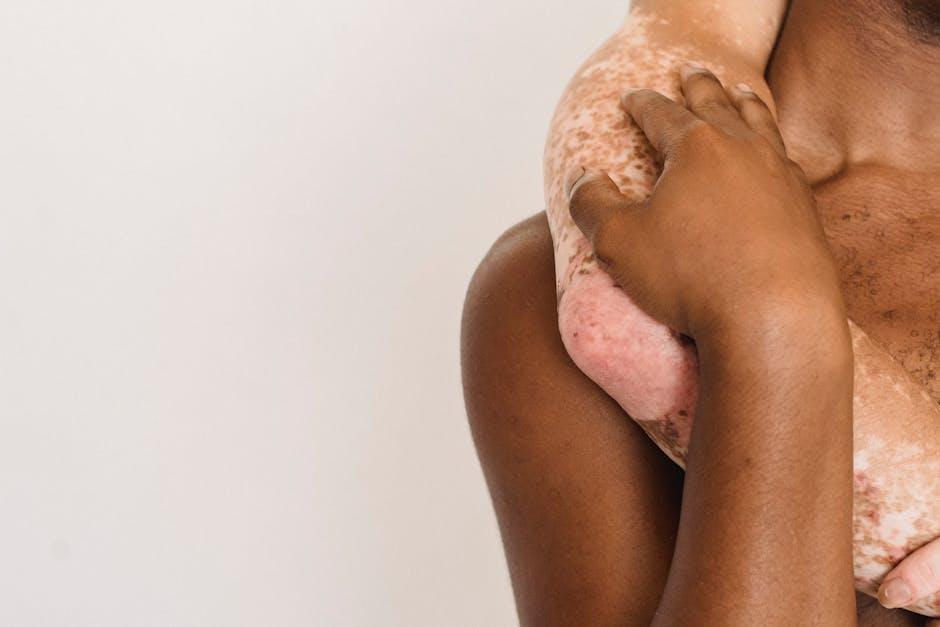
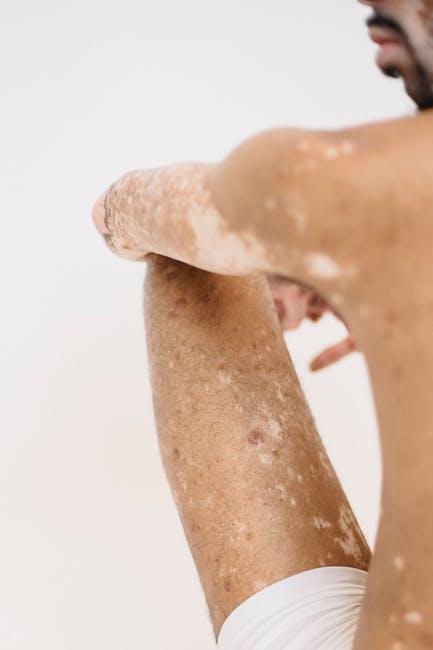
Vitiligo is a chronic autoimmune disorder characterized by well-demarcated, depigmented macules and patches resulting from the selective destruction of melanocytes. The lesions can affect any part of the body — commonly the face, hands, feet, and genitalia — and frequently enough have a symmetrical distribution (Mayo Clinic).
- Pathophysiology: Autoimmune attack against melanocyte antigens. Linked to genetic susceptibility and environmental triggers.
- Epidemiology: Prevalence 0.4–2%; can present at any age,with 50% before age 20.
- Symptoms: asymptomatic white patches, may expand, rarely with mild itching or erythema at border.
- Prognosis: Chronic, with periods of stability and progression; rarely repigmentation occurs spontaneously.
- Management: Topical steroids, calcineurin inhibitors, narrowband ultraviolet B (NB-UVB) phototherapy, depigmentation therapy for extensive disease, psychosocial support (NIH).
2. Pityriasis Versicolor (Tinea Versicolor)
Caused by the superficial overgrowth of Malassezia species (lipophilic yeasts), tinea versicolor is common in adolescents and young adults, often in tropical or humid environments. Hypopigmented, pink, or hyperpigmented macules appear chiefly on the trunk and proximal limbs (CDC).
- Pathophysiology: Altered skin microflora; yeasts impair melanin synthesis in affected areas.
- Symptoms: Fine scaling, mild itch, spots coalesce into patches but rarely cause systemic illness.
- Therapy: Topical antifungals (selenium sulfide,azoles),oral antifungals for widespread disease.
3. Idiopathic Guttate Hypomelanosis (IGH)
IGH is a benign, age-related skin condition featuring small (2-5mm) porcelain-white macules, most commonly on sun-exposed areas such as the forearms and legs. The lesions are smooth,non-scaly,and asymptomatic (Harvard Health).
- Etiology: Cumulative sun damage; precise pathogenesis unclear.
- Symptoms: Pinpoint, sharply defined macules.No risk of malignancy or systemic involvement.
- Management: No required treatment; cosmetic treatments (cryotherapy,topical retinoids) may offer some improvement.
4. -Inflammatory Hypopigmentation
Following resolution of inflammatory dermatoses (eczema, psoriasis, lichen planus), trauma, or burns, areas of the skin may temporarily loose pigment. The likelihood increases with darker skin types (Medical News Today).
- Etiology: Melanocyte injury from preceding inflammation or injury.
- Symptoms: Hypopigmented macules or patches at site of prior lesions,typically self-limited.
- Therapy: Usually spontaneous repigmentation within weeks to months, enhanced by phototherapy or topical agents in some cases.
5.Pityriasis Alba
A self-limiting skin disorder seen primarily in children and adolescents (ages 3–16), characterized by round or oval, hypopigmented, slightly scaly patches on the face or arms (NHS).
- Etiology: thought to be a mild form of atopic dermatitis.
- Symptoms: Mild erythema,then hypopigmented patches persist for months.
- Management: Emollients,gentle skin care,mild topical steroids if inflamed.
6. Lichen Sclerosus
Lichen sclerosus is a chronic skin disorder often affecting the genital and perianal regions, but also other parts of the body. Presents as white, smooth, wrinkled patches that may cause pruritus, pain, and atrophy (American Academy of Dermatology).
- Etiology: Autoimmune in origin, increases risk of squamous cell carcinoma if untreated.
- Symptoms: Itching, pain, blistering, dyspareunia in genital cases.
- Therapy: Potent topical corticosteroids, monitoring for malignancy.
7.Leprosy (Hansen’s disease)
Although rare in high-income countries, leprosy persists in parts of Asia, africa, and Latin America. One presenting sign is hypopigmented or depigmented macules, usually with associated sensory loss (CDC).
- Etiology: Chronic infection by mycobacterium leprae.
- Symptoms: Numb, pale patches progressing to nerve damage, muscle weakness.
- Management: Multidrug antimicrobial regimens; prompt therapy prevents disability.
8. Idiopathic Hypopigmented Macules in Children
Other benign causes in children include ash-leaf spots seen in tuberous sclerosis complex (NCBI Bookshelf) or nevus depigmentosus,both requiring expert evaluation for associated syndromic features.
differential Diagnosis and Less Common Causes
- halo Nevus: Depigmentation ring around a mole due to immune response. Can signify regression of benign nevus or melanoma (NIH).
- Hypomelanosis of Ito: A rare genetic mosaicism with streaks of hypopigmentation aligned along Blaschko lines, associated with neurodevelopmental abnormalities.
- Chemical leukoderma: Chronic exposure to certain chemicals (phenolic/catecholic derivatives, cosmetics, rubber gloves) induces melanocyte toxicity (Healthline).
- Congenital or Inherited Disorders: Albinism (generalized white skin, hair, eyes due to defective melanin synthesis); piebaldism (localized congenital absence of melanocytes).
- Cutaneous Fungal Infections: Other than tinea versicolor, e.g., pityriasis simplex (AAD).
White Spots Mimicking Hypopigmentation
It is essential to distinguish true pigment loss from appearances caused by scaling (e.g., psoriasis, dry skin), pustules (milia), or atrophic scars. In certain specific cases, underlying vascular changes, secondary infection, or -inflammatory changes can impart a white or pallid look without true pigment loss. Clinical examination and, where necessary, skin biopsy or Wood’s lamp (ultraviolet) examination are diagnostic tools used by dermatologists (Mayo Clinic: Wood’s Lamp).
The Importance of Skin Phototype and Ethnic Differences
Visible pigmentary disorders are more prominent and sometimes more psychologically distressing in people with darker skin types (JAMA Dermatology). Certain conditions, such as -inflammatory hypopigmentation and pityriasis alba, are more frequently reported in Asian, Hispanic, and African American populations.Understanding such variations is essential for appropriate patient counseling and culturally competent care.
Clinical Evaluation: How Doctors Diagnose White Spots
- History: Onset, distribution, progression, associated symptoms (itching, pain, sensory changes), exposures, family history, travel.
- Physical Examination: Size, shape, border, distribution (localized vs. generalized), associated features.
- Special Tests: Wood’s lamp exam (accentuates depigmentation, distinguishes types), skin scraping for fungi, biopsy (if diagnosis unclear or malignancy suspected), laboratory tests if systemic disease suspected.
Accurate diagnosis ensures appropriate management and helps alleviate unneeded anxiety.
When to See a Doctor: Red flag Symptoms
While most white spots are innocuous,certain features warrant urgent medical evaluation (NHS):
- Rapid increase in size or number
- Associated pain, swelling, or ulceration
- Sensory changes (numbness, tingling) or muscle weakness
- Systemic symptoms (fever, weight loss, malaise)
- White spots in infants or children with developmental delays, seizures, or abnormal birthmarks
- White patches in immunosuppressed individuals (e.g., HIV, cancer therapy, transplant patients)
- Lesions with irregular borders, pigmentation, or ulceration (concern for melanoma or skin cancer)
Harvard Health recommends consulting a dermatologist for lesions of unclear cause, pigment changes that cause distress, or new skin symptoms in high-risk groups.

Therapeutic Protocols and Evidence-Based Management
Treatment depends on the underlying etiology and patient-specific risk factors. A summary of current therapeutic strategies includes:
| Condition | Treatment | Evidence Base |
|---|---|---|
| Vitiligo | Topical steroids, calcineurin inhibitors, phototherapy; depigmentation therapies for extensive disease | NIH (2019) |
| Tinea versicolor | Topical/oral antifungals (selenium,ketoconazole,fluconazole) | CDC |
| Pityriasis Alba | Emollients, mild topical steroids | NHS |
| -inflammatory Hypopigmentation | Observation, photoprotection; topical agents if persistent | Medical News Today |
| Idiopathic guttate Hypomelanosis | Reassurance; cosmetic procedures if desired | harvard Health |
Prognosis and Psychosocial Impact
Most causes of white spots are benign and do not impact overall health or life expectancy. However, chronic or visible pigmentary changes may significantly affect self-esteem, particularly in adolescents and people with darker skin. Psychodermatology research indicates increased rates of anxiety,depression,and social isolation in patients with persistent pigmentary disorders. Multidisciplinary care — involving dermatologists, psychologists, and patient support groups — can maximize quality of life and therapeutic adherence.
Evidence-Based Preventive Strategies
- Sun Protection: Broad-spectrum sunscreen reduces risk of new and worsening hypopigmented lesions (CDC).
- Prompt Treatment of Skin Inflammation: early intervention in eczema, psoriasis, and infections can prevent -inflammatory changes.
- Avoidance of Known Chemical Triggers: Reducing exposure to phenolic agents in occupational or cosmetic products (Healthline).
- Health Surveillance: Regular skin exams for high-risk populations (immunocompromised, history of skin cancer).
FAQs: Frequently asked Questions About White Spots on Skin
Can white spots on skin be permanent?
Some, such as those due to vitiligo or scarring, can persist indefinitely. Others, such as tinea versicolor or -inflammatory hypopigmentation, are often reversible with treatment or time (Medical News Today FAQ).
Are white spots contagious?
Most causes are not contagious. Exceptions include tinea versicolor, a superficial fungal infection, and leprosy, which is rarely transmitted in developed countries, especially with modern therapy (CDC).
Should I worry about cancer?
Most white spots are benign, but rapidly changing or ulcerating depigmented lesions should be evaluated for melanoma or squamous cell carcinoma (American Cancer Society).
Can diet or supplements help?
No specific diet prevents or cures white spots,tho adequate micronutrient intake (vitamin D,B12,copper,zinc) is crucial for skin health. Few supplements have robust evidence for reversing pigment loss except in rare deficiency states (NIH review).
summary: Key Takeaways for Patients and Families
- White spots on the skin have diverse causes, most of which are benign or treatable.
- Correct diagnosis is vital for appropriate management; several conditions overlap clinically but differ in prognosis and therapy.
- Prompt medical review is advised for new, spreading, or symptomatic lesions, or if there are risk factors for infectious, autoimmune, or neoplastic causes.
- Psychosocial support and counseling are crucial for chronic or highly visible pigmentary disorders.
If you or a loved one notice unexplained white spots on your skin, consult your primary care physician or a board-certified dermatologist for evaluation and tailored guidance.
Further Reading and Support
- American Academy of Dermatology: Vitiligo resource
- NHS: vitiligo overview
- CDC: Tinea Versicolor
- Vitiligo Society Support Group
- national psoriasis Foundation
Remember: Early recognition and expert advice can be transformative, ensuring optimal cosmetic, functional, and psychological outcomes.