



Introduction
Chronic inflammation is increasingly recognized as a central component in the etiology and progression of various non-communicable diseases, including cardiovascular disorders, type 2 diabetes, autoimmune conditions, and neurodegenerative diseases.According to the World Health Association (WHO), non-communicable diseases are responsible for approximately 71% of all global deaths annually, and chronic, low-grade inflammation is a major contributor to this burden. Along with lifestyle interventions such as diet modification, regular exercise, stress management, and pharmacotherapy, many individuals seek natural approaches to help modulate inflammatory processes. Nutritional supplementation is one such avenue, with several supplements demonstrating <a href="https://uhealthies.com/anti-inflammatory-foods-can-decrease-the-rate-of-heart-disease-health-square/” title=”… Foods Can Decrease The Rate Of Heart Disease … Health Square”>anti-inflammatory properties in clinical and observational studies. This article comprehensively explores evidence-based natural supplements that may reduce inflammation, discussing their mechanisms, clinical efficacy, safety profiles, and practical recommendations for use.
Understanding Inflammation: Acute vs. Chronic
inflammation is a crucial physiological response orchestrated by the immune system to combat infections, toxins, and injury.While acute inflammation is protective and self-limiting, facilitating tissue repair and pathogen clearance, chronic inflammation is maladaptive. Chronic inflammation is characterized by persistent immune activation, tissue damage, and altered cytokine profiles. over time,this state predisposes individuals to a plethora of diseases,including atherosclerosis,metabolic syndrome,rheumatoid arthritis,inflammatory bowel disease,and certain cancers (NCBI). Diagnosing and managing chronic inflammation requires a nuanced understanding of its multifactorial origins-ranging from genetics and infections to dietary and environmental influences.
Why Consider Natural Supplements for Inflammation?
Mainstream anti-inflammatory therapies, such as NSAIDs and corticosteroids, are highly effective but may cause adverse effects with long-term use-including gastrointestinal bleeding, cardiovascular risks, and immunosuppression (Mayo Clinic). So, there is rising interest in safer, complementary interventions like nutraceuticals and dietary supplements. Evidence supports that certain supplements can modulate inflammatory signaling pathways,improve symptomatology,and possibly lower the risk of comorbidities without the deleterious side effects often seen with prescription medications (Harvard Health).
Key Biomarkers of Inflammation
Assessing inflammation involves measuring biomarkers such as C-reactive protein (CRP), interleukin-6 (IL-6), tumor necrosis factor-alpha (TNF-α), and erythrocyte sedimentation rate (ESR). These markers are frequently monitored in clinical trials evaluating the efficacy of anti-inflammatory supplements (CDC). Improvements in these surrogate endpoints serve as a proxy for the supplement’s impact on systemic inflammation and disease activity.
The Science Behind Natural Anti-Inflammatory Supplements
Numerous naturally derived compounds possess immunomodulatory and anti-inflammatory properties. These supplements exert their effects through various mechanisms, including inhibition of cyclooxygenase (COX) and lipoxygenase (LOX) enzymes, suppression of nuclear factor kappa B (NF-κB) signaling, antioxidant activity, and modulation of gut microbiota. Below, we explore the most well-researched natural supplements for inflammation, systematically outlining their scientific rationale, benefits, and limitations.
1. Omega-3 Fatty Acids (Fish Oil and Algal Oil)
Omega-3 fatty acids-especially eicosapentaenoic acid (EPA) and docosahexaenoic acid (DHA)-are polyunsaturated fats abundantly present in fatty fish and certain algae. Extensive research has established their potent anti-inflammatory effects, primarily via attenuation of pro-inflammatory eicosanoids, cytokines, and NF-κB signaling (NCBI).
- Clinical Evidence: Meta-analyses show that omega-3 supplementation reduces serum CRP, IL-6, and TNF-α levels, particularly in patients with autoimmune and cardiovascular diseases (healthline).
- Therapeutic Use: Typical doses range from 1 to 4 grams/day of combined EPA/DHA, with higher doses reserved for specific conditions under medical supervision.
- safety: Omega-3s are generally safe; mild gastrointestinal upset, fishy aftertaste, and rare bleeding events may occur. High doses should be used cautiously in patients on anticoagulants (Mayo Clinic).
2.Curcumin (Turmeric Extract)
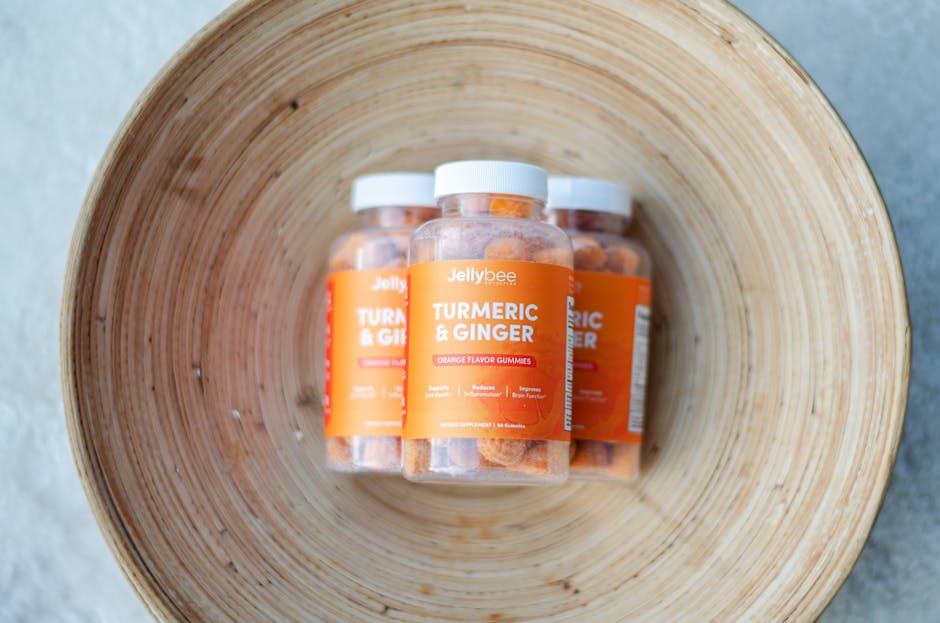
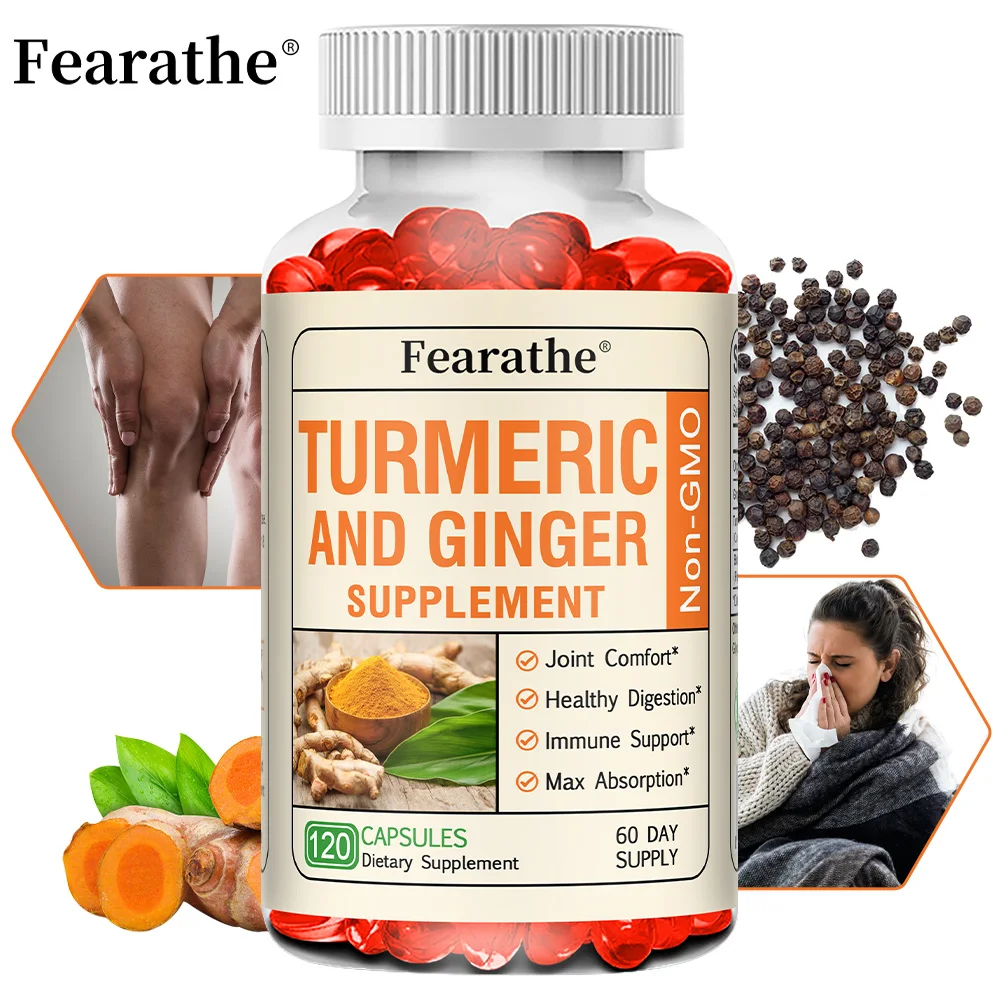
Curcumin is the principal bioactive compound in turmeric (Curcuma longa). Its anti-inflammatory action stems from inhibiting multiple inflammatory mediators, such as COX-2, LOX, and transcription factors like NF-κB (NCBI). Human trials have demonstrated curcumin’s ability to lower disease activity in osteoarthritis,metabolic syndrome,and ulcerative colitis.
- Clinical Evidence: A 2017 systematic review found significant reductions in CRP and other inflammatory markers among patients supplementing with 500-2000 mg/day of curcumin (JAMA Network).
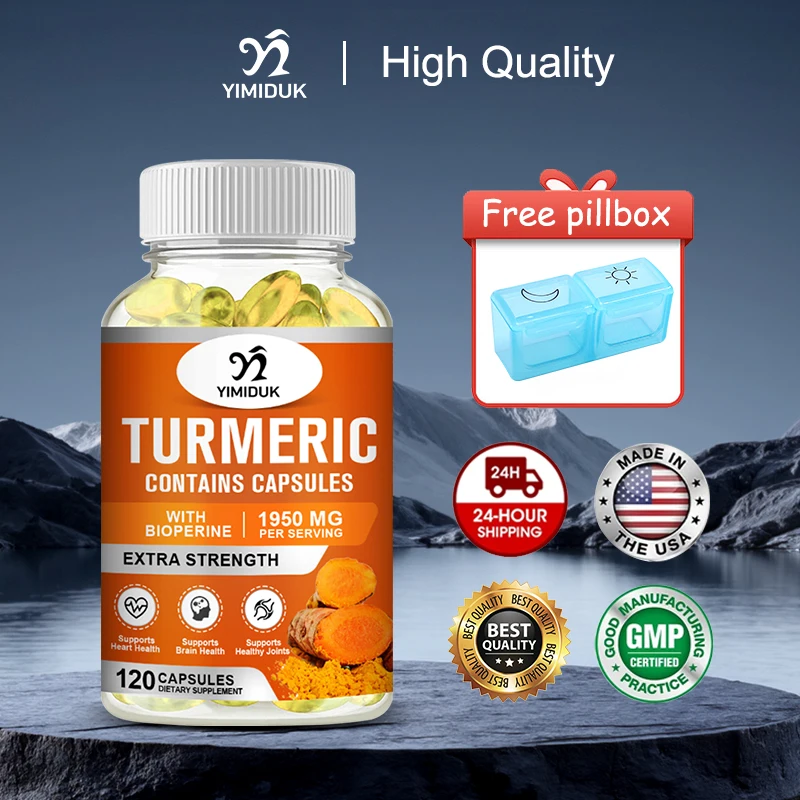
- Bioavailability: Curcumin’s oral bioavailability is low; formulations containing piperine (black pepper extract) or nanoparticle technology significantly enhance absorption (NCBI).
- Safety: Doses up to 2 grams/day are typically well tolerated. Mild gastrointestinal complaints may occur at higher doses. Patients with gallbladder disease or those on anticoagulants should consult healthcare providers before use.
3. Ginger (Zingiber officinale)
ginger contains gingerols,shogaols,and paradols with robust anti-inflammatory and antioxidant properties. These compounds downregulate pro-inflammatory prostaglandins and cytokines,making ginger an effective adjunct in managing musculoskeletal pain and chronic inflammatory states (Medical News Today).
- Clinical Evidence: Randomized controlled trials have demonstrated ginger supplementation (1-2 grams/day) improves symptoms in patients with osteoarthritis and reduces inflammatory markers (NCBI).
- Therapeutic Use: Ginger is available in capsules, tinctures, teas, and as a fresh root. Standardized extracts are preferable for consistent dosing.
- Safety: Well tolerated in most individuals. High doses can result in gastrointestinal upset or heartburn. Caution advised in those with gallstones or on anticoagulant therapy (MedlinePlus).
4. Boswellia Serrata (Indian Frankincense)
Boswellia serrata resin contains boswellic acids that inhibit 5-lipoxygenase (5-LOX) and reduce leukotriene synthesis, directly modulating both acute and chronic inflammatory cascades (Healthline).
- Clinical Evidence: Boswellia (100-500 mg/day standardized to 60-65% boswellic acids) has shown betterment in pain and swelling in osteoarthritis, rheumatoid arthritis, and inflammatory bowel disease in clinical trials (NCBI).
- Safety: Boswellia is generally safe. minor side effects such as nausea, diarrhea, and skin rash have been reported in a minority of users.
5. Resveratrol
Resveratrol is a polyphenolic compound found in grapes, berries, and Japanese knotweed. It acts as a strong antioxidant and modulates several signaling pathways, including NF-κB and sirtuins, leading to marked anti-inflammatory effects (NCBI).
- Clinical Evidence: Supplementation with 150-500 mg/day resveratrol has been associated with reduced levels of CRP and TNF-α in individuals with cardiovascular and metabolic conditions (Harvard Health).
- Safety: Doses up to 500 mg/day are well tolerated, though gastrointestinal disturbances and drug interactions (especially with anticoagulants) may occur at higher doses.
6. Quercetin
Quercetin is a flavonoid abundantly present in apples,onions,and tea. It inhibits key pro-inflammatory enzymes-such as COX and LOX-and decreases the expression of cytokines and histamines. Animal and human studies underline its benefit in allergy and autoimmune disorders (NCBI).
- Clinical Evidence: trials using 500-1000 mg/day quercetin have observed reductions in CRP and IL-6 in people with chronic disease (Healthline).
- safety: Quercetin is safe for short-term use. Side effects are rare but may include headache or tingling; long-term effects are unknown.
7.bromelain
Bromelain, a proteolytic enzyme extracted from pineapple stems, exhibits both anti-inflammatory and immune-modulating activity. It affects prostaglandin synthesis and reduces neutrophil migration at inflammation sites (Medical News Today).

- Clinical Evidence: studies indicate 200-500 mg/day bromelain, in divided doses, can reduce swelling and pain in osteoarthritis and -operative recovery (NCBI).
- Safety: Generally safe at recommended doses. allergic reactions and minor gastrointestinal symptoms may occur. Not recommended for those on blood thinners.
8. Probiotics
Probiotics, live microorganisms that confer health benefits to the host, can modulate inflammation by interacting with gut microbiota, enhancing gut barrier integrity, and reducing production of pro-inflammatory cytokines (NCBI).
- Clinical Evidence: Meta-analyses support probiotic efficacy in lowering systemic inflammation in conditions like irritable bowel syndrome (IBS), ulcerative colitis, and metabolic syndrome (Harvard Health).
- Strain Specificity: Clinical impact varies depending on the strain; Lactobacillus and Bifidobacterium species are most commonly studied.
- Safety: Safe for most individuals but immunocompromised patients should seek medical advice before beginning probiotic supplementation.

9. Vitamin D
Vitamin D deficiency is associated with increased pro-inflammatory cytokines and a higher risk of autoimmune and infectious diseases. Vitamin D modulates both the innate and adaptive immune response, downregulating excessive inflammation (NCBI).
- Clinical Evidence: Randomized trials show supplementation with 1000-4000 IU/day vitamin D ameliorates inflammatory markers in rheumatoid arthritis,obesity,and metabolic dysfunction (Medical News Today).
- Safety: Vitamin D toxicity is rare but possible at very high intakes. Periodic blood monitoring is advised for long-term supplementation.
10. Magnesium
Magnesium is a crucial cofactor in hundreds of enzymatic reactions and an essential modulator of immune response and vascular health. Deficiency is linked to elevated inflammation and increased CRP (Medical News Today).
- Clinical Evidence: Supplementation with 200-400 mg/day magnesium has been associated with reductions in CRP and improvements in conditions like hypertension,migraine,and premenstrual syndrome (Healthline).
- Safety: Generally safe but may cause diarrhea at higher doses. Caution in individuals with renal insufficiency.
Choosing Quality Supplements: What to Consider
choosing effective and safe supplements requires a careful approach:
- Third-Party Testing: Opt for products certified by organizations such as NSF International, ConsumerLab, or USP (FDA).
- Standardization: Look for root or extract standardization-such as, “95% curcuminoids” or “standardized to 60% boswellic acids”.
- Bioavailability: Choose advanced formulations that enhance absorption (e.g., curcumin with piperine; algal omega-3s for vegetarians).
- Professional Guidance: Consult a qualified health professional, especially if you have chronic disease, are pregnant, lactating, or take prescription drugs.
Integrative Approaches: Lifestyle and Dietary Synergy
While supplements can serve as valuable adjuncts, they are not substitutes for foundational lifestyle interventions. Harvard Health experts recommend a Mediterranean-style diet rich in anti-inflammatory foods (e.g., leafy greens, berries, olive oil), routine physical activity, restorative sleep, and stress reduction practices like mindfulness or yoga. This integrative model offers maximal synergy in reducing chronic inflammation.
Potential risks and Contraindications
Natural does not equate to risk-free. Allergies, drug interactions (notably with anticoagulants and immunosuppressants), variability in quality, and contamination are important considerations (FDA). Vulnerable populations, including pregnant women, young children, and those with chronic kidney or liver disorders, should only use these supplements under expert supervision.
Frequently Asked Questions (FAQ)
- Can supplements replace anti-inflammatory drugs?
No. While they may complement medical therapy,supplements should not replace prescription medications without supervision.
- How long does it take to see an effect?
clinical evidence suggests most individuals see benefits within 4-12 weeks, depending on baseline inflammation and the supplement used.
- Are these supplements safe for long-term use?
Most have a favorable safety profile, but periodic reevaluation by a healthcare provider is essential.
- Do over-the-counter supplements work as well as prescription drugs?
Their efficacy is generally milder and best used as an adjunct,not a replacement,for standard therapy (Harvard Health).
Summary Table: Supplements and Their Evidence Base
| Supplement | Key Mechanism | Common Dose | Clinical Evidence | Special Precautions |
|---|---|---|---|---|
| Omega-3 (EPA/DHA) | reduces cytokines, eicosanoids | 1-4 g/day | Robust-cardiovascular & autoimmune support | Bleeding risk with anticoagulants |
| Curcumin | NF-κB inhibition, COX/LOX blockade | 500-2000 mg/day | Strong in osteoarthritis, IBD, metabolic syndrome | Gallbladder disease, drug interactions |
| Ginger | COX/LOX inhibition, antioxidant | 1-2 g/day | Promising in OA, general inflammation | Gallstones, anticoagulant caution |
| Boswellia | 5-LOX inhibition | 100-500 mg/day | OA, RA, IBD support | Minor GI, rash possible |
| Resveratrol | NF-κB, antioxidant | 150-500 mg/day | Weak to moderate in CVD, MetS | GI upset, drug interactions |
| Quercetin | COX/LOX, antihistamine | 500-1000 mg/day | Allergy, autoimmunity | Rare headache, tingling |
| Bromelain | Modifies prostaglandins | 200-500 mg/day | OA, trauma, -op support | Allergy, GI upset, bleeding risk |
| Probiotics | Gut barrier, cytokine balance | Strain dependent | Strong in gut and metabolic inflammation | Immunosuppressed caution |
| Vitamin D | Immune modulation | 1000-4000 IU/day | OA, immune, metabolic | Monitor for hypercalcemia |
| Magnesium | Enzyme cofactor | 200-400 mg/day | General anti-inflammatory effect | Renal disease caution |
Conclusion
Reducing inflammation is a cornerstone for the prevention and management of a multitude of chronic conditions. Natural supplements-including omega-3 fatty acids, curcumin, ginger, boswellia, resveratrol, quercetin, bromelain, probiotics, vitamin D, and magnesium-offer evidence-based adjunctive therapy that may help modulate inflammation with relatively low risk of adverse effects. Nevertheless,optimal outcomes hinge on supplement quality,proper dosage,and integration with a healthy lifestyle and medical supervision. For personalized recommendations, consultation with a qualified healthcare provider is strongly advised.
References
- WHO: Noncommunicable Diseases
- CDC: Blood Inflammation Markers
- Mayo Clinic: Fish oil
- Harvard Health: Probiotics
- FDA: Dietary Supplement Regulations
- Medical News Today: Nutrition & Diet
- Healthline: How to Reduce Inflammation
- NCBI: PubMed