



What to Eat on a Busy Workday to Avoid Energy Crashes
Introduction
In the relentlessly fast-paced environment of the modern workplace, the risk of experiencing persistent energy slumps, or “energy crashes,” is significant. According to the Centers for Disease Control and Prevention (CDC), productivity and cognitive function are closely tied to nutritional choices. Poor diet has been linked with decreased work performance, higher absenteeism, and increased workplace errors.In medical practice and population health, it is indeed well-established that what we eat directly affects our glycemic control, circadian rhythms, and mental acuity throughout the day.Understanding which foods support sustained energy levels forms a cornerstone of occupational wellbeing, disease prevention, and long-term cognitive health.
This article explores the evidence-based dietary strategies for busy professionals aiming to prevent energy crashes,drawing upon clinical research and trusted medical sources to ensure accuracy and practicality.
Understanding Energy Regulation: The Science Behind Energy Crashes
Physiological mechanisms
Energy crashes, typically manifesting as sudden fatigue, sluggishness, and decreased concentration, result from complex interactions between glycemic control, hormone release, mitochondrial activity, and circadian rhythm disruption. After carbohydrate intake, glucose is absorbed into the bloodstream, leading to a rise in serum glucose and a compensatory surge in insulin from pancreatic beta cells (NCBI). This insulin spike facilitates rapid glucose uptake into tissues, but excessive intake of refined carbohydrates can cause a rapid decline (“prandial hypoglycemia”), resulting in acute fatigue and irritability (NIH PubMed).
Furthermore, the interplay between cortisol (the stress hormone), sleep quality, and nutrient timing can exacerbate or mitigate the risk of energy crashes. Disrupted sleep-wake cycles or poor dietary choices can elevate cortisol, further impairing energy regulation and leading to a compounding effect on exhaustion (Sleep Foundation).
Why Do Busy Professionals Struggle with Energy?
Epidemiology and Behavioral Triggers
Multiple workforce studies, including those by the World Health Association (WHO) and Harvard Health Publishing, have shown that high workload, irregular meal timings, reliance on processed snacks, and insufficient hydration are key contributors to workplace fatigue and reduced attention span. Skipping breakfast or consuming high-sugar breakfasts has been linked with poor glycemic control and lower daily performance (JAMA Network). Additionally,the ‘afternoon slump’ phenomenon correlates with circadian dips and prandial mechanisms,which are exacerbated by dietary indiscretions and insufficient micronutrient intake (NIH PubMed Central).
Macronutrient Strategies for Sustained Energy
Complex Carbohydrates: The Key to Steady Glucose
Complex carbohydrates, found in whole grains, legumes, vegetables, and fruits, are digested slowly, producing a gradual release of glucose into the bloodstream.This slow digestion prevents glucose spikes and subsequent crashes, offering sustained mental and physical energy. Evidence shows that replacing refined carbohydrates with complex alternatives improves metabolic health and cognitive performance (CDC; healthline).
- Breads: Opt for 100% whole grain or sprouted varieties.
- Grains: Brown rice,quinoa,bulgur,barley,oats.
- Legumes: Lentils, black beans, chickpeas, kidney beans.
- Vegetables: Especially leafy greens, sweet potatoes, squash, and beets.
lean Protein: Supporting Neurotransmitters and Satiety
Adequate protein intake is vital for neurotransmitter production (dopamine, serotonin, norepinephrine), which underpins alertness and mood regulation (NCBI bookshelf). Protein also slows gastric emptying, prolonging satiety, and blunting blood glucose excursions.
- Poultry: Skinless chicken or turkey breast.
- Fish: Salmon, sardines, trout (rich in omega-3s for cognitive benefit).
- Plant-based: Tofu, tempeh, edamame, and legumes.
- Dairy (if tolerated): Greek yogurt, cottage cheese, low-fat cheese.
For best results, pair protein with complex carbs at each meal to maximize sustained energy release (Mayo Clinic).
Healthy Fats: Enhancing Brain Performance and Mitochondrial Health
Unsaturated fats, especially monounsaturated (olive oil, avocados, nuts) and polyunsaturated fats (omega-3s: flaxseed, chia, walnuts, salmon), are essential for optimal neuronal function, hormone production, and cellular energy (Harvard Health). These fats slow carbohydrate absorption, further stabilizing blood sugar.
- Avocado: Adds healthy fat and fiber to meals.
- Nuts & Seeds: Almonds,walnuts,chia,and flaxseeds.
- Oils: Extra-virgin olive oil over refined or hydrogenated oils.
Fiber: Regulating Digestion and Satiety
A high-fiber diet enhances the microbiome, modulates glycemic response, and promotes sustained energy. Viscous fibers slow gastric emptying and the absorption of nutrients, buffering glucose excursions after meals (Healthline).
- Sources: Oats, lentils, black beans, artichokes, pears, raspberries, broccoli.
Hydration: The Often-Overlooked Factor
Mild dehydration, common during busy workdays, impairs attention, short-term memory, and physical coordination (CDC; Mayo Clinic).Water, unsweetened teas, and minimally processed broths are best. Avoid high-sugar sodas or juices, which exacerbate glycemic instability.
The Impact of Micronutrients on Daily Energy
Essential vitamins and Minerals
Key micronutrients, notably B vitamins, magnesium, vitamin D, iron, and zinc, facilitate mitochondrial energy production, neurotransmitter synthesis, and anti-oxidative defense. Deficiencies are prevalent among busy adults and contribute to chronic fatigue states (Medical News Today; NHS).
- B Vitamins: intrinsic to carbohydrate metabolism and ATP production; found in whole grains, poultry, eggs, dairy, green leafy vegetables.
- Magnesium: Critical for over 300 enzymatic reactions; sources include nuts, seeds, legumes, whole grains.
- Iron: Essential for hemoglobin synthesis and oxygen delivery; best dietary sources are lean meats, spinach, lentils, and fortified cereals.
- Vitamin D: Modulates neuromuscular function; under-consumption is widespread due to limited sun exposure (NIH: Vitamin D).
- Zinc: Supports cognitive performance and immune function; found in shellfish, nuts, seeds, eggs.
Time-Efficient Meal and Snack Ideas for Busy Workdays
Strategic Breakfast Choices
- Overnight oats: Oats, chia, berries, greek yogurt, and walnuts provide a balance of complex carbs, protein, fiber, and healthy fat.
- Whole grain toast with avocado and eggs: delivers complex carbs, high-quality protein, and monounsaturated fat.
- Low-fat cottage cheese with fruit and seeds: Offers satiety and micronutrients with minimal preparation time.
Mid-Morning snacks
- Hummus with raw vegetables: Chickpeas and vegetables for fiber, protein, and antioxidants.
- Almonds and dried apricots: Healthy fats, magnesium, and iron with natural sweetness.
- Apple with peanut butter: Combination of complex carbs, fiber, and healthy fat.
Lunches to Support Afternoon Focus
- Salmon (or chickpea) bowl: Brown rice, leafy greens, cherry tomatoes, avocado, and olive oil dressing.
- lentil or bean salad: Mixed with herbs, feta, and vegetables for a fiber- and protein-rich meal.
- Quinoa and vegetable stir-fry: Augmented with grilled tofu or shrimp for balanced macros.
Afternoon Snack Strategies
- Chia pudding: Chia seeds, almond milk, fruit, and a sprinkle of cocoa powder.
- Greek yogurt with berries: Delivers probiotics, calcium, and antioxidants.
- Small portion of trail mix: Preferably unsweetened, with nuts, seeds, and a few dried fruits.

Dinners to Avoid Next-Day Energy Lows
- Grilled lean protein with roasted vegetables and sweet potatoes: Supports overnight recovery and glycogen replenishment.
- Vegetable soups with quinoa or lentils: Light but nutrient dense for easy digestion before sleep.
- Stuffed bell peppers or eggplants: Filled with vegetables, ground turkey, or tofu, plus brown rice or barley.
Foods and Habits to Avoid on Busy Workdays
Refined Carbohydrates and Added Sugars
Consumption of refined grains (white bread,pastries,most packaged snacks) and high-sugar products leads to rapid blood glucose and insulin changes,precipitating afternoon energy slumps (NIH PubMed central; Harvard Health).
Excess Caffeine and ‘Energy Drinks’
While moderate caffeine intake (up to 400mg/day) can improve alertness,overconsumption or dependence on energy drinks is associated with jitteriness,insomnia,dehydration,and rebound fatigue (PubMed; Mayo Clinic).Opt for tea or black coffee, and limit caffeine after 2 pm.
Ultra-Processed and Fast Foods
Fast food and ultra-processed snacks typically contain trans fats, excessive sodium, and artificial additives, which disrupt energy regulation and have adverse metabolic effects (JAMA). preparation of simple meals ahead is a practical antidote.
Sample 1-Day Meal plan for Maximum Energy
| Meal | Menu Example | Scientific Rationale |
|---|---|---|
| Breakfast | Oatmeal with chia seeds, blueberries, walnuts, and Greek yogurt | complex carbs, protein, healthy fats, antioxidants, and fiber for sustained glucose and satiety |
| Morning Snack | Apple slices with almond butter | Fiber, micronutrients, and healthy fats for mid-morning energy support |
| Lunch | Chicken and quinoa bowl with mixed greens, tomatoes, avocado, olive oil dressing | Balanced macros, micronutrients, omega-3s, and diverse phytonutrients |
| Afternoon Snack | Hummus with carrot and cucumber sticks | Protein and fiber for stable afternoon energy and glycemic control |
| Dinner | salmon (or tofu) with roasted sweet potatoes and broccoli | Lean protein, omega-3s, complex carbs, vitamins C and E, fiber for recovery |
planning and Preparation: Tips for the Busy Professional
- Meal Prep Weekly: Allocate 1-2 hours during the weekend for meal assembly. Portion out grains,proteins,and chopped vegetables so that most meals require minimal effort during the workweek.
- Keep Healthy Snacks visible: Store nuts, fruit, or portioned Greek yogurt in accessible locations to increase the likelihood of healthy choices.
- Hydration Prompts: Use a refillable water bottle with volume markers or set phone reminders to encourage adequate intake.
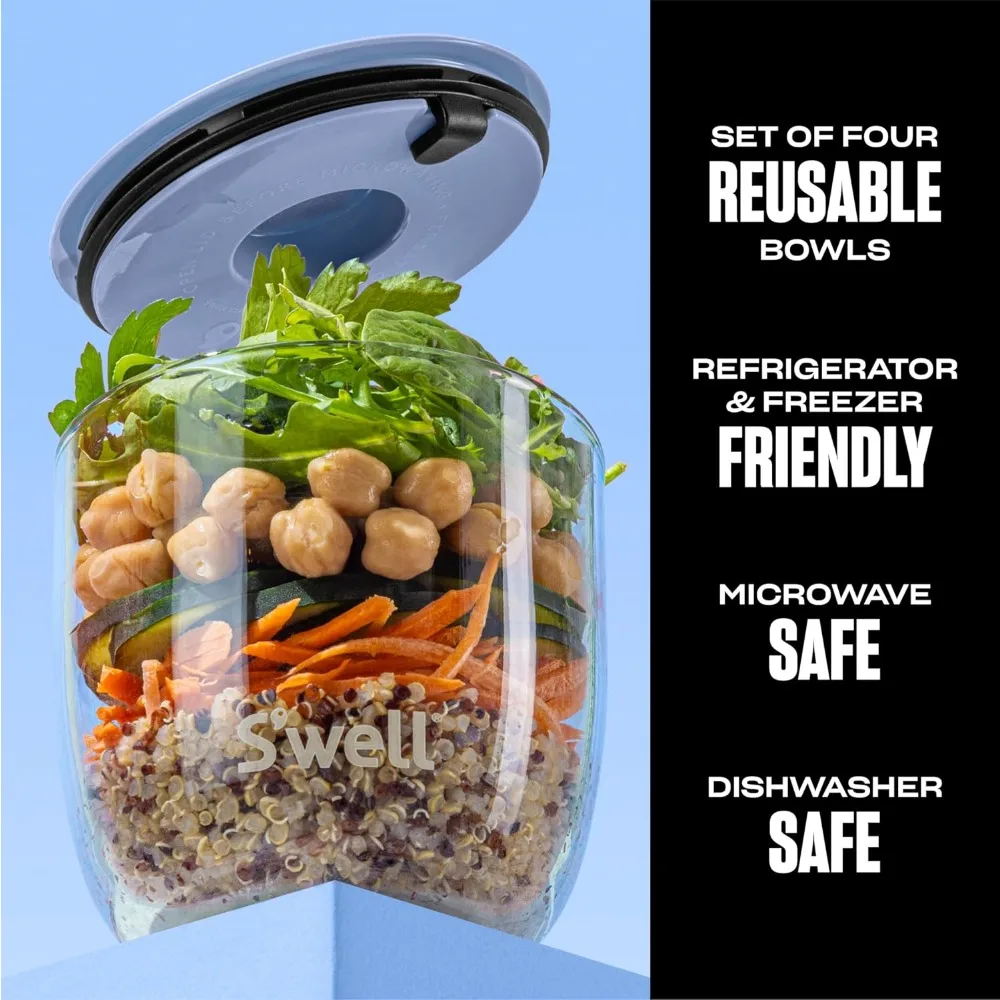
- Batch Cooking: Prepare soups, salads, and stir-fries in batches and store in airtight containers.
- Smart Grocery Shopping: Focus on whole foods, minimize processed and packaged goods, and use a prepared list to streamline shopping.
For more efficiency, see these meal-prepping resources from Healthline and Medical News Today.
The Role of Mindful Eating and Stress Management
Mindful eating, defined as the practice of paying full attention to hunger, satiety, and emotional cues, reduces susceptibility to stress-driven snacking and overeating (Harvard Health). high stress is associated with cortisol surges that increase cravings for sugar and processed foods, exacerbating energy instability (CDC: Workplace Health). Incorporating short breaks, breathing exercises, or a brief walk after meals improves glycemic response and energy levels throughout the day.
Special Considerations: Medical Conditions Affecting Energy Regulation
Certain chronic conditions-including diabetes mellitus, hypothyroidism, anemia, and sleep disorders-are associated with exaggerated fluctuations in energy. In such cases, individualized dietary plans, frequently enough supervised by a Registered Dietitian Nutritionist (RDN), are crucial. Medical management may modify macronutrient ratios, meal timing, or include supplementation (iron, vitamin B12, magnesium, etc.) based on laboratory evidence (Mayo Clinic: Anemia).

Conclusion
Avoiding energy crashes during a busy workday is attainable through deliberate and evidence-based dietary strategies. Emphasizing complex carbohydrates, lean proteins, healthy fats, and abundant micronutrients-while limiting refined sugars and processed foods-forms the foundation for optimal physical and cognitive performance. Hydration, meal pattern consistency, and stress management further enhance energy stability and resilience in demanding workplaces.
For personalized nutrition advice, consult a healthcare provider or registered dietitian, and access authoritative resources such as the World Health Organization’s Healthy Diet Fact Sheet.
Frequently Asked Questions (FAQ)
How soon after eating should I feel more energetic?
generally, sustained energy from complex meals is noted within 30-60 minutes, lasting several hours. Meals high in refined sugar may yield a brief energy burst, rapidly followed by a crash (Healthline).
Can skipping meals help me stay alert?
Skipping meals typically impairs alertness, cognitive function, and can lead to compensatory overeating later in the day (Harvard Health). Regular, balanced meals are preferred.

Are energy supplements or drinks recommended?
Medical consensus dose not recommend routine use of energy drinks or unregulated supplements due to safety concerns and limited efficacy (FDA).
How much water do I need during the workday?
A good target is 2-2.5 liters daily, adjusted for activity, environment, and individual medical conditions (NHS).
Can food allergies or intolerances affect energy?
undetected food intolerances can cause fatigue, gastrointestinal symptoms, and impaired concentration. If suspected, discuss with a healthcare professional (Mayo Clinic: Food allergy).
References
- World Health Organization (WHO) – Healthy Diet Fact Sheet
- Centers for Disease Control and Prevention (CDC) – Workplace Health Promotion
- Harvard Health Publishing – Nutrition and Energy
- National Health Service (NHS): Eating Well
- Mayo Clinic: Nutrition Basics
- NIH pubmed Central - Nutrition and Cognitive performance