

Introduction
Physical inactivity is a leading contributor to the global burden of chronic disease, disability, and premature mortality, according to the World Health organization (WHO). Modern lifestyles often favor sedentary behavior,which increases the risk for cardiovascular disease,type 2 diabetes,obesity,musculoskeletal disorders,and even certain types of cancer. Integrating a well-balanced physical fitness regimen that includes strength (resistance) training, cardiovascular (aerobic) exercise, and adaptability work is fundamental not only for maximizing healthspan but also for improving mental wellbeing, functional capacity, and quality of life.This article provides complete, evidence-based strategies for health professionals and individuals seeking to structure safe, effective, and balanced training programs, leveraging the latest medical guidelines and research.
The Scientific Basis for a Multicomponent Training Regimen
Physical fitness is multidimensional, encompassing muscular strength, cardiovascular endurance, flexibility, balance, and neuromotor control. Research consistently demonstrates that combining these elements is associated with better health outcomes compared to focusing on any single modality. The Centers for Disease Control and Prevention (CDC) and othre leading organizations recommend incorporating all three categories for optimal disease prevention and functional performance. Each element confers unique physiological benefits as follows:
- Strength Training: Increases muscle mass, improves bone density, enhances metabolic health, and mitigates sarcopenia and osteopenia (NIH).
- Cardiovascular Training: Reduces risk of cardiovascular disease, diabetes, and obesity, and bolsters respiratory and circulatory efficiency (Harvard Health).
- Flexibility Training: Prevents musculoskeletal injuries, improves range of motion, and decreases functional limitations with aging (Mayo Clinic).
Neglecting any one area can not only impede total fitness but also increase the risk for injury and chronic disease (JAMA).
Strength Training: Evidence, Protocols, and implementation
Benefits of Strength Training
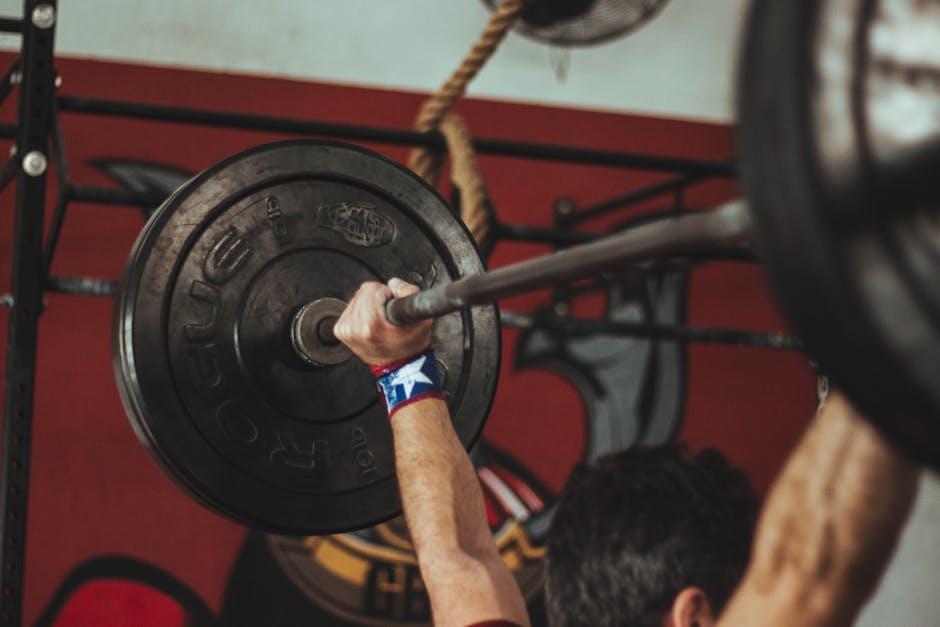
Muscle-strengthening activities are critical for both young and older adults.Evidence shows that regular resistance exercise enhances skeletal muscle hypertrophy and strength, increases resting metabolic rate, supports bone mineral density, and improves metabolic biomarkers including insulin sensitivity and lipid profiles (NIH).This has implications not only for sarcopenia and osteoporosis prevention, but also for the management of type 2 diabetes and cardiometabolic risk.
Recommended Frequency and intensity
The CDC and UK NHS advocate for adults to participate in moderate- or high-intensity muscle-strengthening activities involving all major muscle groups on at least two days per week. This can include:
- Free weights (dumbbells, barbells)
- Resistance machines
- Bodyweight exercises (e.g., squats, push-ups, lunges)
- Resistance bands
A typical protocol might comprise 2–4 sets of 8–12 repetitions per exercise, with progressive overload principles applied to ensure continued adaptation (US physical Activity Guidelines, 2nd Edition).
Considerations for Special Populations
Older adults, individuals with arthritis, osteoporosis, or chronic illnesses may require individualized protocols emphasizing safety, proper technique, and supervised training (American College of Rheumatology).
Cardiovascular Training: Mechanisms and Guidelines
Cardiometabolic and General Health Benefits
Aerobic exercise forms the cornerstone of cardiovascular disease prevention and management. Long-term participation reduces all-cause and cardiovascular mortality, lowers blood pressure, improves lipid profiles, enhances cardiac output, and supports weight management (WHO | Harvard Health).
Recommended Frequency and Volume
Scientific consensus, as outlined in the WHO Guidelines on Physical Activity and Sedentary Behavior, recommends that adults should engage in:
- At least 150–300 minutes per week of moderate-intensity aerobic exercise (e.g., brisk walking, cycling, swimming, dancing), or
- 75–150 minutes per week of vigorous-intensity aerobic exercise (e.g., running, HIIT, aerobic sport play).
Sessions can be broken into 30–60-minute bouts or accumulated in shorter increments, provided intensity is sufficient. High-intensity interval training (HIIT) has emerged as a time-efficient option, supported by mounting evidence for cardiometabolic benefit (MedlinePlus).
Customization for Comorbidities
Individuals with hypertension, heart disease, or metabolic syndrome should consult healthcare providers for tailored intensity and monitoring, particularly when initiating new exercise regimens (CDC).
Flexibility Training: Role,Modalities,and Evidence
Importance of Flexibility Work
Flexibility,defined as the capacity of joints to move through their full range of motion,is crucial for musculoskeletal health and daily function. Declining flexibility with age is associated with increased falls, functional impairment, and joint pathology (NIH).
Recommended Practices
Guidelines from the Mayo Clinic and American Council on Exercise (ACE) recommend stretching all major muscle groups at least 2–3 times per week. Sessions can include:
- Static stretching (holding each stretch 15–30 seconds)
- Dynamic stretching or mobility drills (especially before activity)
- Yoga, tai chi, or Pilates to incorporate flexibility, balance, and mindfulness
Perform stretches at the end of workouts when muscles are warmed, and never to the point of pain (Healthline).
Interdependence of Strength, Cardio, and Flexibility
A growing body of evidence supports the synergistic effects of combining these modalities. For example, increased muscle strength helps support joint stability and biomechanics during both endurance and flexibility efforts. Enhanced cardiovascular fitness improves recovery and work capacity during resistance training. Flexibility work supports better movement quality in both strength and aerobic activities, reducing injury risk (Harvard Health).
Relying exclusively on a single exercise mode may result in adaptation plateaus, muscular imbalances, or overuse injuries—a phenomenon noted in long-distance runners, for example, who often benefit from resistance and stretching as adjuncts to their routine (JAMA).
Designing a Balanced Training Program: Practical Roadmap
Summary Table: General Recommendations
| Modality | Frequency | Duration | Intensity/volume |
|---|---|---|---|
| Strength | 2–3x/week | ~30–60 mins/session | 2–4 sets, 8–12 reps/exercise |
| Cardio | 3–5x/week | ~30–60 mins/session | 150–300 min/wk (moderate) OR 75–150 min/wk (vigorous) |
| Flexibility | 2–3x/week | ~10–30 mins/session | 15–30 sec/stretch, 2–4 reps/group |
Structuring Your Weekly Routine
The following evidence-based template illustrates how to combine these components for moast healthy adults. Individual tailoring should reflect age, comorbidities, baseline fitness, and goals (American college of Sports Medicine):
- Monday: Upper body strength (~45 min), short cardio (20 min, moderate)
- Tuesday: Lower body strength, flexibility/mobility
- Wednesday: Cardio (40 min, moderate/vigorous)
- thursday: Core/whole-body strength, balance work, flexibility
- Friday: Cardio (intervals, 30 min)
- saturday: Yoga, Pilates, or active recovery
- Sunday: Rest, light stretching or short walk
Flexibility and mobility can be included -exercise or in standalone sessions.Splitting sessions to accommodate work or home schedules is supported, provided cumulative weekly totals are met.

Individualization: Age, Gender, and Chronic Diseases
Age-Related Adaptations
Age is a major determinant in program design. Older adults, for example, should emphasize strength and balance (to mitigate fall risk and sarcopenia) and may prefer lower-impact aerobic activities. The National Institute on Aging (NIA) provides tailored exercise guidance.
Gender Differences
While sex is less important than baseline fitness and health status, women may experience greater improvements in bone density with resistance work and should not shy away from lifting weights (NIH). Hormonal status (e.g., menopause) can influence recovery and adaptation rates.
Managing Chronic Diseases
Individuals with diabetes, arthritis, cardiovascular, or pulmonary conditions should adopt lower-impact or interval-based protocols initially, with regular monitoring of symptoms and appropriate medical supervision (NIH).
Injury Prevention and Recovery
Balancing modalities is not only about gains, but also injury prevention. Overuse injuries are common in single-mode regimens. Proper warm-up,stretching,and periodization (planned variation and rest) are vital strategies (Mayo Clinic).
Signs of overtraining—persistent fatigue, declining performance, mood changes, or chronic soreness—should prompt temporary load reduction or professional evaluation.
Optimizing Performance and Motivation
motivation wanes without variety or tangible progress. Combining modalities can improve adherence, enjoyment, and long-term compliance. SMART (Specific, Measurable, Achievable, Relevant, Time-bound) goals and use of tracking apps or wearables can enhance accountability and self-efficacy (Harvard Health).
Role of Rest, Mindfulness, and Nutrition
Recovery is integral to adaptation. Sufficient sleep,nutrient-dense diets,and periodic rest days support musculoskeletal and neurological repair. Mindfulness, yoga, or breathing practices can further reduce stress, foster resilience, and lower systemic inflammation (Medical news Today).
Special Considerations: Children, Adolescents, and Pregnant Women
For Children and Adolescents, physical activity facilitates neurodevelopment, skeletal growth, and cardiometabolic resilience. The CDC advises age-appropriate aerobic activity daily plus muscle- and bone-strengthening at least three days per week. Sports,free play,and structured exercise are all effective.
For Pregnant Women, exercise can attenuate gestational diabetes risk, improve mood, and expedite partum recovery. Participate in regular moderate cardio and low-impact strength or flexibility work per ACOG guidance, but modify as pregnancy progresses.
Common Barriers and Solutions
- Time Constraints: blend activities (e.g., circuit training, HIIT, yoga fusion) or break into shorter daily sessions.
- Lack of Motivation: Use social support, goal-setting strategies, or professional trainers for accountability.
- Injury or Disability: Select lower-impact or aquatic modalities; consult certified professionals for adaptation.
- Access Issues: Many exercises (bodyweight, resistance bands, online routines) require minimal equipment or space.
Consultation with a qualified professional can further individualize solutions to specific barriers (Healthline).
Monitoring Progress and Adjusting Your Plan
Tracking parameters such as aerobic capacity (e.g.,VO2max),muscular strength,functional movement,and flexibility allows fine-tuning of your regimen. Use regular fitness assessments,wearable technology,or digital fitness journals.Listen to your body and adjust intensity,frequency,and volume to prevent stagnation or overuse (Mayo Clinic).
FAQs on Balancing Strength, Cardio, and Flexibility
Can I Train All Modalities in the Same session?
Yes, integrated sessions are effective for time efficiency and total health. However, prioritize weaker areas first; for example, perform resistance or high-skill exercises early, when you’re less fatigued (Cleveland Clinic).
What’s the Minimum Effective Dose?
studies support that even 10-minute bouts, performed multiple times daily, can confer benefits if intensity is moderate or above (Harvard Health).
Should I Stretch Before or After Exercise?
Dynamic, movement-based stretches are best before activity to prepare the body; static stretches are safest -exercise or as a separate session (Mayo Clinic).
Conclusion: Building Sustainable Lifelong Fitness
Balancing strength, cardio, and flexibility is vital for achieving comprehensive health benefits, from chronic disease prevention to improved mental wellbeing and functional independence. Follow evidence-based guidelines, personalize your plan based on your unique context, monitor your progress regularly, and adjust as needed for life circumstances or goals. for most, the best exercise is the one you enjoy and can sustain. For those with medical conditions, clearance from your healthcare provider is essential before starting new regimes. Consistency,variety,and professional support are the keys to lifelong,balanced fitness.
For further details or individualized advice,consult a certified medical,physiotherapy,or exercise science professional.