
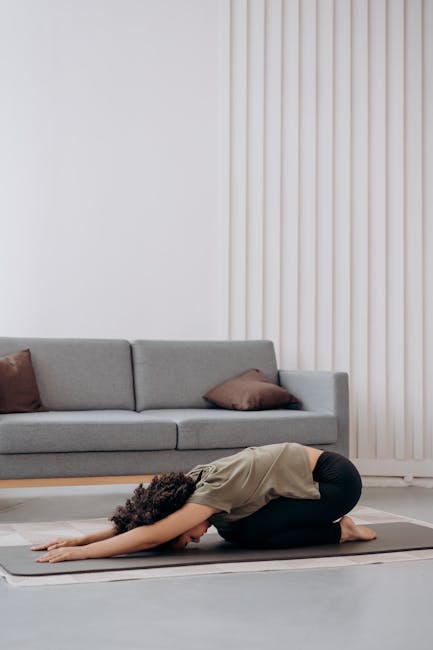
In the age of streaming workouts, living room yoga, and makeshift weight benches, the allure of exercising at home has never been stronger. For many, the convenience is undeniable-no commute, no gym fees, and the freedom to move at your own pace. Yet, behind closed doors and between rep counts, there’s an frequently enough-overlooked reality: home workouts come with their own set of risks. Without the guidance of trainers or the safety net of specialized equipment, even the most excited fitness buffs can fall prey to strains, sprains, and setbacks. Whether you’re a seasoned athlete or just getting started,safeguarding your body should be as routine as your warm-ups and cool-downs. Here’s how to sidestep the most common pitfalls and make your at-home fitness journey both safe and enduring.
Preparing your Home Workout Space for Safety
transforming a living room corner or spare bedroom into an inviting, secure fitness area doesn’t require much space-but it does demand careful consideration. Safety starts from the ground up: ensure that your floor is even and free of slip hazards. Thick yoga mats or interlocking foam tiles can cushion joints and offer traction, making them essential for high-impact routines or strength training. Position your workout zone away from heavy furniture or sharp edges to avoid accidental bumps.
Lighting should never be overlooked. Dim rooms increase the risk of tripping over equipment or losing balance during dynamic moves. If possible, choose a space with natural light or supplement with bright, cool-toned LEAD lamps. organize your gear so that everything is within reach but not in the way-use baskets,hooks,or shelves to keep dumbbells,resistance bands,and towels off the floor.
- Check for clutter before every session-children’s toys, power cords, and other household items can become injury traps.
- Secure loose rugs and move fragile décor to prevent breakage and stumbles.
- Ventilation is as important as space. open a window or use a fan to keep your workout area fresh and cozy.
| Safety Feature | Why It Matters |
|---|---|
| Cushioned Flooring | Reduces joint strain and absorbs shock |
| Clear Lighting | Helps you spot obstacles and maintain ure |
| organized Storage | Prevents accidental trips and keeps tools accessible |

Mastering Proper Technique and Form
Perfecting your technique is the invisible shield between you and common injuries that sneak up during home workouts.Whether you’re aiming for burpees,squats,or push-ups,maintaining alignment takes priority over speed or intensity. Stick to slow, controlled movements that engage the right muscle groups and prevent needless strain on your joints and tendons. Without mirrors or trainers at home, recording yourself or training in front of a window reflection helps you notice any imbalances or compensations during exercise.
- Focus on neutral spine alignment to keep your neck and back safe.
- Keep knees behind toes during lunges and squats to protect your joints.
- Engage your core in all exercises, especially those involving balance and stability.
- Stop immediately if you feel sharp pain; adjust your form before resuming.
Form is not just about aesthetics; it’s your foundation for progress and consistency. many injuries arise from small mistakes that build up over time. check your setup before every session: clear the floor, wear supportive footwear, and adjust your workout space to allow for unhindered movement. It’s better to complete fewer repetitions with impeccable form than risk injury with rushed,careless motions.
| Exercise | Common Mistake | Form Tip |
|---|---|---|
| Push-Up | Sagging hips | Keep body in a straight line |
| Squat | Knees caving in | Press knees outward |
| Plank | Arching lower back | Tuck pelvis and engage abs |

Choosing the Right Exercises and Modifying for Your Level
Selecting exercises that suit your current fitness level is crucial for both progress and safety.Start with essential movements-such as bodyweight squats,push-ups,and lunges-before scaling up to more advanced variations. Pay close attention to how your joints and muscles respond; modifications are not a sign of weakness, but a smart strategy for longevity in your fitness journey.
- Beginner? Stick to basic forms, use props like chairs for support, and focus on mastering technique.
- Intermediate? Incorporate tempo changes and light weights, increasing difficulty slowly.
- Advanced? Try single-leg or plyometric versions only if your control and stability allow.
Always assess each movement before diving in. If you have previous injuries or limited mobility, opt for low-impact exercises like marching in place, wall push-ups, or seated routines. Listen to your body-pain is a warning, not a challenge. Gradually progress your workouts to avoid overuse injuries.
| Level | Recommended Modifications | Focus |
|---|---|---|
| Beginner | Wall push-ups, chair squats | form & Control |
| Intermediate | knee push-ups, step-ups | Endurance |
| Advanced | Pistol squats, burpees | Strength & Power |

Listening to Your Body and Preventing Common Injuries
When working out at home, your body is your most valuable guide. Recognizing subtle cues of fatigue, discomfort, or pain is essential to staying healthy and making progress. Every session should begin with an honest check-in. if your body signals unusual soreness,sharp aches,or excessive tiredness,these are signs to adjust your routine or opt for lighter activities. Prioritizing recovery days and integrating mobility routines allows your muscles and joints to adapt and thrive.
- Warm-ups and cool-downs: Consistently prepare your muscles for exercise and allow them to relax afterwards.
- Hydration: Drink water before, during, and after all workouts.
- Rest: Schedule periodic rest days; listen to signals of exhaustion.
- Proper form: Use mirrors or video feedback to ensure correct ure and technique.
- Gradual progress: Increase workout intensity or duration slowly rather than making abrupt changes.
| Body signal | What It May Mean | Recommended Action |
|---|---|---|
| Dull, persistent ache | Overuse or improper form | Rest & check technique |
| Sharp pain | Possible injury | Stop immediately & assess |
| Unusual fatigue | Insufficient recovery | Take a rest day |
| Soreness that lasts >3 days | Overexertion | Reduce intensity next session |
By making mindful choices and responding early to your body’s feedback, you foster resilience and longevity in your fitness journey. A sustainable approach not only minimizes setbacks due to injury, but also cultivates a better connection between body and mind.

Wrapping Up
Ultimately,exercising at home offers convenience and adaptability,but prioritizing safety is essential to enjoying long-term health and progress. By warming up properly,maintaining good form,listening to your body,and creating a dedicated,hazard-free workout space,you set the foundation to prevent injuries before they happen. Remember,fitness is a journey,not a race-approach each session with mindfulness and care. Embrace these strategies not just as rules, but as tools to cultivate a sustainable, injury-free routine that empowers you to move confidently toward your goals. If you found these tips helpful, share this article with others looking to stay safe while staying active-and keep exploring ways to make your home workouts both effective and safe.