


<img class="vimage_class" src="https://healthblog.s3.eu-north-1.amazonaws.com/wp-content/uploads/2025/11/21010524/83300.jpeg" alt="zinc testosterone levels“>
Can Zinc and Magnesium Realy Improve Men’s Testosterone Levels?
Introduction
Testosterone is a pivotal androgenic hormone essential for male reproductive health, muscle mass, bone density, and overall well-being. In recent years, there has been growing public and clinical concern regarding declining testosterone levels in men, attributed too both physiological aging and environmental factors. According to the Centers for Disease Control and Prevention (CDC),testosterone deficiency impacts millions of men globally,contributing to symptoms such as decreased libido,fatigue,mood disturbances,and impaired physical performance. This has amplified interest in nutritional and nutraceutical interventions, particularly the roles of zinc and magnesium, for maintaining or boosting testosterone.
Many supplements claim to raise or “optimize” testosterone, but scientific rigor in evaluating these claims is essential.As a critical review aimed at both healthcare professionals and health-conscious readers,this article provides a complete,evidence-based analysis of the effectiveness and safety of zinc and magnesium in the modulation of testosterone levels,referencing the latest clinical research and guidelines from authoritative sources.
Understanding Testosterone: Physiology and Pathophysiology
Testosterone is synthesized predominantly in Leydig cells of the testes under stimulation from the hypothalamic-pituitary-gonadal (HPG) axis. It exerts it’s effects via androgen receptors, influencing spermatogenesis, sexual differentiation, anabolic processes, erythropoiesis, and psychological health. Normal total testosterone reference ranges in adult males are typically between 300-1,000 ng/dL (NCBI).
Hypogonadism, characterized by suboptimal testosterone levels, may be classified as primary (testicular failure), secondary (hypothalamic-pituitary dysfunction), or functional, with risk factors ranging from obesity, diabetes, metabolic syndrome, aging, chronic illness, and environmental exposures (Mayo Clinic). Lifestyle interventions,diet,and micronutrient status,particularly zinc and magnesium,are recognized modifiable factors.
The Role of Micronutrients in Male Hormonal Health
Micronutrients are vital for endocrine function. Nutritional deficits can disrupt hormonal balance, including testosterone biosynthesis and metabolism (World Health Association). Among these, zinc and magnesium stand out for their roles as cofactors, modulators of enzymatic activity, and protectors against oxidative stress in reproductive tissues.
- Zinc: Essential trace element, involved in over 300 enzymatic reactions, DNA synthesis, and regulatory control of the HPG axis.
- Magnesium: involved in more than 600 enzymatic reactions, energy metabolism, and stabilization of cell membranes, with emerging evidence of effects on androgenicity.
Understanding how these minerals impact testosterone dynamics requires a closer look at their biochemical, clinical, and therapeutic roles.
Zinc: Biochemical and Clinical Evidence
Physiological Functions of Zinc
Zinc acts as a cofactor in the synthesis of luteinizing hormone (LH), which stimulates testosterone production in Leydig cells. Zinc also maintains structural integrity of androgen receptors and modulates genetic expression crucial for spermatogenesis and testicular function. Zinc deficiency has been implicated in hypogonadism, impaired fertility, and sexual dysfunction (NCBI PMC).
Clinical Studies on Zinc and Testosterone
- Zinc Deficiency: Multiple studies confirm that zinc deficiency correlates with low testosterone levels. A pivotal randomized controlled trial published in The Journal of Clinical Endocrinology & Metabolism found that young men following a zinc-restricted diet experienced a notable decrease in testosterone within 20 weeks.
- Zinc Supplementation: Restoration of zinc nutritional adequacy reverses hypogonadism in zinc-deficient subjects. In elderly men, six months of zinc supplementation doubled circulating testosterone levels compared to baseline (PubMed).
- Fertility Outcomes: Zinc supplementation in men with infertility or subclinical hypogonadism has been shown to improve sperm quality and testosterone levels. Meta-analyses consistently identify zinc as a cornerstone mineral in managing male reproductive and hormonal dysfunction (Journal of Medicinal Food).
However, in men with adequate zinc status, further supplementation does not appear to increase testosterone beyond physiological limits, indicating the benefit is mainly for those with marginal or overt deficiency (Healthline).
Zinc dosing and Safety
The recommended dietary allowance (RDA) for zinc in adult men is 11 mg/day.Dosages exceeding 40 mg/day (upper tolerable limit) can result in adverse effects including gastrointestinal distress, immunosuppression, and copper deficiency (NIH Office of Dietary Supplements).Zinc supplementation should be individualized, ideally based on measured serum zinc levels.
Magnesium: Scientific Evidence and Mechanisms
Physiological Role of Magnesium in Testosterone Regulation
Magnesium participates in testosterone bioavailability through mechanisms such as modulating the binding affinity of sex hormone binding globulin (SHBG), reducing oxidative stress in testicular tissue, and influencing enzymes involved in steroidogenesis (PubMed).
Hypomagnesemia is relatively common, especially among older adults, athletes, and individuals with gastrointestinal or renal comorbidities (Mayo Clinic). Its prevalence has prompted examination of its influence on androgenic status and overall reproductive health.
Clinical trials and Meta-Analyses: Magnesium and Testosterone
- Cross-sectional Data: The Journal of the American Medical Association Internal Medicine reported an association between higher serum magnesium and elevated testosterone in adult males, after adjusting for confounders including age and body mass index (BMI).
- Randomized controlled Trials: A landmark RCT published in Magnesium Research found a significant increase in total and free testosterone in both sedentary and physically active males after four weeks of magnesium supplementation (10 mg/kg/day).
- Meta-analyses: Systematic reviews confirm that magnesium supplementation is beneficial primarily among individuals with low baseline magnesium,demonstrating mild-to-moderate increases in testosterone (pubmed).
Nonetheless, the effect size is modest, and data remains heterogenous, with no clear indication of testosterone ‘supercharging’ in healthy, magnesium-replete men.
Magnesium Intake: Recommendations and Risks
The RDA for magnesium in adult males is approximately 400-420 mg/day. High intakes from food sources pose minimal risk, but pharmacological supplementation should not exceed 350 mg/day without medical supervision, as excess can cause diarrhea, hypotension, and arrhythmias (NIH Office of Dietary Supplements).

Zinc and Magnesium Synergy: Evidence from ZMA Supplements
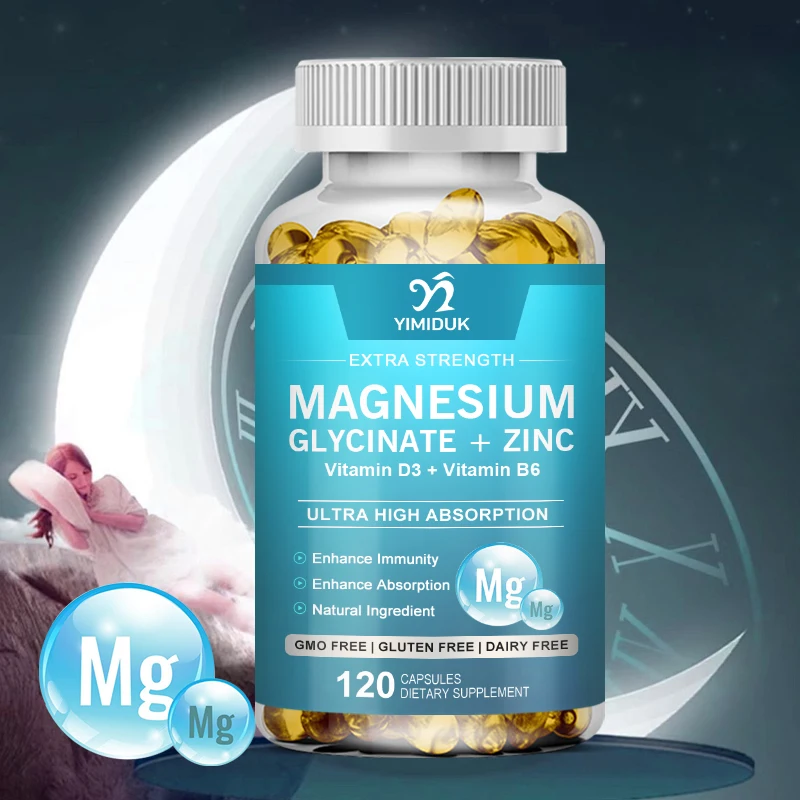
ZMA, a commercial supplement containing zinc, magnesium aspartate, and vitamin B6, is marketed for testosterone enhancement, muscle strength, and athletic recovery. While some early studies suggested improvements in anabolic hormone profiles among athletes, findings have been inconsistent.
- Landmark Study: A widely-cited trial in International Journal of Sports Nutrition and Exercise Metabolism reported increases in testosterone and muscle strength among collegiate football players supplementing with ZMA.
- Subsequent Replication: Multiple subsequent RCTs failed to replicate these benefits in both athletes and general populations. Systematic reviews highlight possible placebo effects and overstatement of efficacy (Harvard Health).
The collective evidence suggests that ZMA may benefit men with marginal micronutrient status but does not generate supraphysiological increases in testosterone in or else healthy,well-nourished individuals.
Dietary Sources and Bioavailability of Zinc and Magnesium
| Mineral | Top food Sources | Bioavailability Notes |
|---|---|---|
| Zinc | Oysters, red meat, poultry, beans, nuts, whole grains, dairy. | Animal sources have higher bioavailability. Phytates (in whole grains/legumes) can inhibit absorption. |
| Magnesium | Leafy greens, nuts, seeds, whole grains, avocados, legumes, dark chocolate. | Absorption can be reduced by high calcium,high fat,alcohol,and certain medications. |
For most men,an optimized,nutrient-dense diet delivers adequate amounts of both minerals.Targeted supplementation should be considered only in the context of documented or strongly suspected deficiency,malabsorption syndromes,or increased physiological demand (e.g., athletes, older adults).
The Clinical Context: Who May Benefit from Supplementation?
Evidence-based guidelines recommend addressing validated causes of low testosterone before considering micronutrient supplementation (Endocrine Society). not all men respond equally to zinc and magnesium interventions; supplementation is most justified in:
- Men with confirmed zinc or magnesium deficiency (e.g., via laboratory testing).
- Individuals with dietary insufficiency, malabsorption, or strict vegan diets.
- Older adults at higher risk for micronutrient depletion due to comorbidities and polypharmacy.
- Men with clinically diagnosed idiopathic or functional hypogonadism not attributable to other causes.
Men seeking testosterone enhancement without an underlying deficiency are unlikely to experience significant benefit from supplementation.
Risks, Interactions, and Contraindications
Unsupervised use of zinc and magnesium supplements raises several concerns:
- Excess zinc may cause copper deficiency anemia, neurological damage, and immunosuppression.
- Magnesium overdose can result in severe diarrhea, hypotension, bradycardia, and-rarely-fatal cardiac arrhythmias, particularly in those with renal impairment (FDA).
- Zinc and magnesium supplements may interact with certain antibiotics, diuretics, and osteoporosis medications.
Patients with chronic kidney disease, gastrointestinal disorders, or on long-term medication should consult a healthcare provider before initiating supplementation (Medical news Today).
Expert Guidelines and Recommendations
According to the UK National Health Service (NHS) and harvard Health,men should prioritize:
- Routine medical assessment of symptoms and underlying causes of testosterone deficiency.
- Dietary optimization of micronutrients before considering over-the-counter supplements.
- Supplements only under clinical supervision, especially if comorbid conditions exist.
There is insufficient evidence to broadly recommend zinc or magnesium supplementation solely to increasing testosterone in healthy men.
Frequently Asked Questions (FAQs)
can high-dose zinc or magnesium supplementation be used as a substitute for prescribed testosterone therapy?
No. Clinical hypogonadism requires a coherent diagnostic and therapeutic protocol. Supplements may not achieve sufficient hormonal restoration and can delay needed medical intervention (NCBI PMC).
Is there a risk of developing dependence or hormonal imbalances with prolonged zinc/magnesium use?
While physiological dependence is unlikely, excessive use can disrupt homeostasis and trace mineral balances. Long-term, unmonitored intake is discouraged.
how should men monitor their zinc and magnesium status?
Serum measurements may not always reflect tissue stores but are useful in suspected deficiency or malabsorption. Routine supplementation is not warranted without clinical indication (MedlinePlus).
conclusion
robust evidence demonstrates that adequate zinc and magnesium are necessary for healthy testosterone production and male reproductive health. Correction of deficiencies in these minerals reliably improves testosterone levels and related clinical outcomes. However, supplementation confers significant androgenic benefit only in individuals with pre-existing deficiency or suboptimal intake.
for most healthy men without laboratory-confirmed deficiencies, increasing zinc or magnesium intake above recommended levels does not enhance testosterone or confer additional health benefits.Physicians and patients should adopt a personalized, evidence-based approach, focusing on diet, lifestyle, and medical evaluation over unproven supplementation. men concerned about low testosterone are encouraged to consult with healthcare professionals for comprehensive assessment and individualized guidance.
For further information about testosterone, hypogonadism, and men’s health, consult reputable resources such as Mayo Clinic, Harvard Health, and NHS.
References
- CDC – Testosterone Deficiency and Health
- NCBI – Testosterone Reference Ranges
- Mayo Clinic – Male Hypogonadism
- WHO – Micronutrient deficiencies
- NCBI PMC – Zinc and Male fertility
- Healthline – Testosterone Boosters
- NIH Office of Dietary Supplements – Zinc
- NIH Office of Dietary Supplements - Magnesium
- Mayo Clinic – Magnesium Overview
- JAMA Internal Medicine – Magnesium Status and Hormones
- Harvard Health – Testosterone Boosters
- Endocrine Society – Hypogonadism Guidelines
- FDA – zinc Safety
- MedlinePlus – Zinc Blood Test
- Medical News Today – Magnesium Safety