
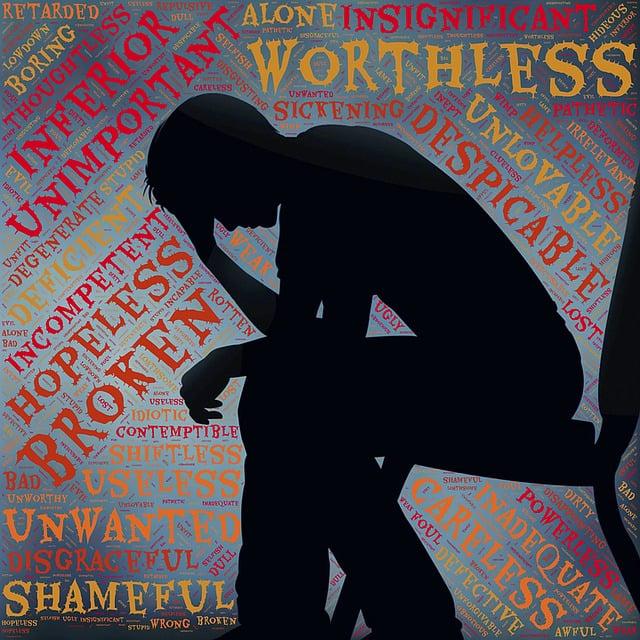

How too Stop Self-Sabotaging Your Mental Health Progress
Introduction
Self-sabotage is a notable yet frequently enough overlooked barrier to sustained mental health progress.Even among those committed to their recovery, self-defeating behaviors can undermine therapy outcomes, perpetuate distress, and stifle personal growth. According to the World Health Organization, mental disorders are among the leading causes of ill-health and disability worldwide, underscoring the urgent need to prioritize mental resilience. Regrettably, self-sabotaging patterns—often subconscious—erode therapeutic gains, delay recovery, and increase the risk of relapse.
This thorough, evidence-based article explores the science and psychology of self-sabotage, analyzes its impact on mental health recovery, and delivers actionable strategies. All recommendations are derived from the latest clinical research, organizational guidelines, and expert consensus, ensuring safe, accurate, and trustworthy guidance for individuals and professionals alike.
- What is self-sabotage in mental health?
- Mechanisms and risk factors
- Common signs and behaviors
- Evidence-based strategies and therapeutic approaches
- Preventing relapse and promoting long-term well-being
- Resources and professional supports
Understanding Self-Sabotage: Definition, Mechanisms, and Impact
What is self-Sabotage in Mental Health?
Self-sabotage refers to behaviors or thought patterns that interfere with one’s progress toward goals, especially those related to psychological well-being.Unlike intentional noncompliance, self-sabotage is typically unconscious, driven by internalized beliefs, unresolved trauma, or maladaptive coping mechanisms. Manifestations may include procrastination, self-criticism, avoidance, or deliberately undermining one’s achievements.
Pathophysiology and Psychological Mechanisms
from a psychological outlook, self-sabotage is intricately connected to cognitive-behavioral processes and emotional dysregulation. Research published in JAMA Psychiatry suggests that negative self-appraisal and impaired self-efficacy catalyze self-defeating actions. Neurobiologically, such patterns may involve heightened amygdala activation (linked to fear and threat responses) and diminished activity in the prefrontal cortex—the region responsible for self-regulation and logical reasoning.
Self-sabotaging behaviors often coexist with mental health conditions such as depression, anxiety, borderline personality disorder, and substance use disorders. This comorbidity complicates recovery, heightens relapse risk, and may require tailored intervention (NIH).
Why Does Self-Sabotage Happen?
Multiple factors converge to produce self-sabotage:
- Low self-esteem and self-worth—frequently enough rooted in childhood experiences or chronic criticism (Healthline).
- Imer syndrome—the persistent belief that one’s progress is undeserved (CDC).
- Perfectionism—fear of failure encourages avoidance and procrastination (NCBI).
- Attachment and trauma histories—unresolved emotional pain drives maladaptive coping (PubMed).
- Conditioned learning—habitual negative reinforcement and repeated patterns of self-defeat (APA).
The public Health Impact
Self-sabotage not only impairs individual outcomes but also poses a significant public health challenge.Compromised treatment adherence, increased hospital readmissions, and productivity losses are common sequelae (NIMH). Thus, developing robust preventive and therapeutic strategies is vital to improving mental health at both individual and community levels.
Recognizing Self-Sabotaging Behaviors
Common Patterns and Warning Signs
Identifying self-sabotage is the frist step toward prevention.Hallmark manifestations include:
- Procrastination: Deliberately delaying tasks,including therapy assignments,medication refills,or healthcare appointments (NCBI).
- All-or-nothing thinking: Viewing events in extremes; such as,perceiving partial relapse as total failure.
- Self-criticism or harsh self-judgment: Excessive negative self-talk undermining progress (Harvard Health).
- Intentional noncompliance: Disregarding medication or therapeutic recommendations, often rationalized by feelings of unworthiness (CDC).
- Relapse into unhealthy habits: Substance misuse, self-isolation, or relationship sabotage (NIDA).
Self-Assessment Tools
Guided self-assessment can promote awareness of self-sabotaging thoughts or behaviors. Validated instruments include:
- Cognitive Distortion Scales—to quantify the extent of negative thinking patterns (NCBI).
- Patient Health Questionnaire (PHQ-9)—to monitor depressive symptoms and risk of relapse (PubMed Central).
- GAD-7—for anxiety-related sabotage (NCBI).
The Role of Insight and Self-Awareness
Developing self-awareness—consciously observing one’s own actions, triggers, and thought patterns—facilitates early intervention. Meta-analytic evidence from JAMA Psychiatry confirms that insight-oriented psychotherapy substantially reduces self-defeating behaviors and improves overall prognosis.
The Science Behind Self-Sabotage: Why the Brain Fights Progress
neurobiology of Self-Sabotage
Self-sabotage leverages complex neurocognitive circuits involving the amygdala (emotional processing and fear responses) and prefrontal cortex (executive control and behavioral inhibition). Chronic stress or trauma may engrain maladaptive pathways, strengthening habits of avoidance or negative reinforcement (Nature Reviews neuroscience).
Further, dysregulation of neurotransmitters such as serotonin and dopamine—implicated in mood, motivation, and reward processing—can perpetuate cycles of frustration and self-defeat, reinforcing mental health barriers (NCBI).
Psychodynamic and Behavioral Theories
- Psychodynamic view: Self-sabotage reflects internalized conflicts or unresolved trauma, often tied to negative parental modeling or early attachment wounds (The Lancet Psychiatry).
- Cognitive-behavioral model: Dysfunctional thoughts and core beliefs (“I am not worthy of recovery”) subtly shape actions, encouraging self-destructive choices (Harvard health).
- Learning theory: Repeated exposure to unhelpful reinforcement (e.g., short-term relief via avoidance) entrenches self-sabotage patterns (NCBI).
Risk Factors for Self-Sabotage
Risk factors identified in the research literature include:
- History of trauma or adverse childhood experiences (CDC ACEs Study)
- Co-occurring psychiatric disorders
- Lack of social support or positive role models
- Persistent maladaptive cognitive patterns
- Unmanaged stress or chronic adversity (NIH)
Evidence-Based Strategies to Stop Self-Sabotaging Your Mental Health
Breaking the cycle of self-sabotage requires a multifaceted approach, integrating self-monitoring, cognitive restructuring, behavioral modification, and professional guidance. below are science-backed interventions and practical methods.
1. Cognitive-Behavioral Therapy (CBT)
CBT is the most evidence-based psychotherapy for addressing self-sabotaging behavior (NCBI CBT Overview). Through structured sessions, CBT helps individuals:
- Identify and challenge distorted automatic thoughts
- Replace self-defeating cognitions with adaptive alternatives
- Develop actionable plans for behavioral change and goal attainment
Numerous meta-analyses confirm CBT’s efficacy in reducing depressive and anxiety-related sabotage, particularly when combined with ongoing self-monitoring (JAMA Psychiatry Meta-Analysis).
2. Mindfulness-Based Interventions
Mindfulness practices cultivate nonjudgmental awareness of one’s thoughts and behaviors,allowing earlier recognition of self-sabotaging patterns. According to Harvard Health and NIH, mindfulness-based cognitive therapy (MBCT) and mindfulness-based stress reduction (MBSR) reduce emotional dysregulation and enhance self-regulation.
- Daily meditation—10-15 minutes of mindful breathing, body scan, or guided awareness
- Journaling thoughts and triggers that often precipitate self-sabotage
- Practicing self-compassion and radical acceptance in moments of failure
3. Dialectical Behavioral Therapy (DBT)
Especially effective for individuals with emotional dysregulation and borderline personality disorder, DBT incorporates mindfulness, emotion regulation, distress tolerance, and interpersonal effectiveness (NCBI DBT Review). DBT skills such as “opposite Action” and emotion labeling directly address self-sabotaging urges.
4.Building Self-Compassion
A growing body of research demonstrates that self-compassion—responding to oneself with kindness during setbacks—buffers against shame and negative self-judgment (Harvard Health). Self-compassion exercises include:
- Writing letters of encouragement to oneself after lapses
- Affirming one’s right to recovery and well-being
- Using compassionate self-talk instead of harsh criticism
5.Strengthening Motivation and Goal-Setting
Clear, concrete goals increase follow-through and reduce opportunities for self-sabotage. The Harvard Health recommends SMART (Specific, Measurable, Achievable, Relevant, Time-bound) goal frameworks, weekly check-ins, and regular festivity of progress.
| Self-Sabotaging Behavior | SMART Goal Example |
|---|---|
| Skipping therapy sessions | Attend all scheduled therapy appointments this month and track attendance |
| Procrastinating medication refills | Set a phone reminder to refill medications every Friday at noon |
6. Enlisting Social Support
Community support—family, friends, peers, or support groups—provides critical accountability and emotional validation. According to the National Alliance on Mental Illness (NAMI), support networks can disrupt isolation, encourage adherence to treatment, and help individuals reframe setbacks.
- Join peer-led mental health groups,such as NAMI Connection Recovery Support Group
- Engage with digital or in-person support forums for accountability
- Develop a “relapse prevention team” of trusted contacts
7. Structuring and Optimizing Your Environment
Environmental cues play a significant role in perpetuating or disrupting self-sabotaging cycles. Strategies include:
- Eliminate triggers: Remove reminders or temptations related to unhealthy behaviors (CDC: Tips for Quitting).
- Establish routines: Consistent sleep, meal, and therapy schedules promote stability (NHS: Routines for Wellbeing).
- Positive reinforcement: Celebrate small victories with healthy rewards and visual reminders of progress

8. Medication Adherence and Physical Wellness
For those prescribed pharmacotherapy,adherence is a cornerstone. Missed doses or abrupt discontinuation can precipitate relapse and exacerbate self-defeating cycles (NIMH: medications). Paired with regular physical activity, nutrition, adequate sleep, and substance avoidance, medication adherence maximizes outcomes.
- Discuss barriers to adherence openly with providers (side effects, cost, stigma)
- Use pill organizers or electronic apps to track medication use
- Integrate physical wellness strategies—brisk walking, balanced diet, and sleep hygiene (Harvard Health)
9. Crisis Prevention and Relapse Management
Relapse is a common and expected part of recovery, but unchecked self-sabotage can escalate risk.Proactive planning is vital:
- Create a personalized crisis plan identifying early warning signs, emergency contacts, and coping strategies
- Reframe setbacks as learning opportunities rather than evidence of failure
- Engage in ongoing therapeutic care after periods of improvement
Long-Term Prevention: Maintaining Mental Health Gains
Commitment to Lifelong Learning and Adaptation
The journey out of self-sabotage is neither linear nor finite. Sustained recovery hinges on versatility, routine self-reflection, and adaptation in response to life’s inevitable stressors (Mayo Clinic: Resilience).
- Periodic self-assessments and progress reviews with professionals
- Revising therapeutic goals as circumstances and needs evolve
- Staying engaged in community or professional support networks
Practicing Self-Advocacy in Healthcare
Active self-advocacy—speaking up about personal needs, preferences, and barriers—yields better treatment adherence and patient outcomes (NCBI).
- Prepare questions before appointments
- Track symptoms and share updates with providers
- Explore second opinions if current interventions are ineffective
When and How to Seek professional Help
While many individuals disrupt self-sabotage through self-help and lifestyle changes, professional intervention is crucial when:
- Symptoms persistently interfere with daily functioning
- Relapse or crisis episodes increase
- Comorbidities (e.g., substance use, suicidality) are present (NIMH: Suicide Prevention)
Healthcare professionals—including primary care physicians, psychiatrists, psychologists, and clinical social workers—provide diagnosis, evidence-based therapies, ongoing support, and crisis planning (NHS: Mental Health Services).
Accessing Resources
- SAMHSA National Helpline—immediate support and referrals
- Mental Health America—screening tools and educational materials
- Psychology Today Therapist Finder
Frequently Asked Questions (FAQ)
Q1: Is self-sabotage a mental illness?
No. Self-sabotage is not a classified psychiatric disorder but a behavioral pattern. It can, however, reflect or worsen underlying mental health conditions (Medical News Today).
Q2: What is the fastest way to stop self-sabotage?
There is no “quick fix”; evidence supports a stepwise approach combining insight, cognitive restructuring, support networks, and professional therapy (Mayo Clinic: Cognitive behavioral Therapy).
Q3: Can medication prevent self-sabotaging habits?
Medication may address symptomatic contributors (such as mood or anxiety) but is most effective when paired with psychotherapy and lifestyle modification (NIMH).
Q4: How can I help a loved one who is self-sabotaging?
Support begins with nonjudgmental empathy, active listening, avoiding enabling behaviors, and facilitating access to professional or community supports (Healthline).
Conclusion
Self-sabotage is a formidable challenge in the context of mental health recovery,yet it is neither inevitable nor insurmountable. By combining self-awareness, evidence-based therapies, supportive environments, and medical guidance, individuals can successfully disrupt cycles of self-defeat and regain long-term mental wellness. The journey demands ongoing adaptation, patience, and professional support—but proactive, intentional change is possible for every person, nonetheless of past setbacks.
If you or someone you know is struggling, consult with a qualified mental health professional or contact national helplines for support. Recovery is not a solitary journey—and every step forward counts.