
Introduction
Nails are not merely decorative elements of the human body—they also serve as sensitive indicators of internal health.Subtle or pronounced changes in nail texture,color,or structural integrity can be early warning signs of underlying nutritional shortfalls,especially mineral deficiencies. With global rates of mineral deficiencies—such as iron, zinc, calcium, and magnesium—remaining notable public health issues, especially in vulnerable populations (WHO: Micronutrient Deficiencies), understanding what your nails are signaling is crucial. This article provides a extensive, evidence-based overview of how to identify mineral deficiency thru nail texture, with actionable insights rooted in current scientific and clinical understanding.
Anatomy and Physiology of Healthy Nails
The human nail is a complex structure composed primarily of keratin—a tough, fibrous protein. According to NIH’s StatPearls, the nail unit consists of the nail plate, nail bed, cuticle, nail folds, and the matrix, which is the growth center. The viability and appearance of nails are influenced by systemic health,blood supply,and the balanced availability of key nutrients,especially minerals.
- Nail matrix: Responsible for producing new nail cells.
- Nail bed: Supports the nail plate and provides nutrients via microcirculation.
- Nail plate: The visible hard part, reflecting the cumulative effects of nutrition and systemic conditions.
Since the nail plate is metabolically active, it reflects disruptions in metabolic processes—including deficiencies in minerals—through alterations in its texture, color, and growth rate.
The Link Between Nutrition and Nail Health
Minerals are essential micronutrients directly involved in numerous metabolic pathways necessary for the maintenance and repair of nail tissue. Deficiencies in specific minerals can result in characteristic changes to nail texture and structure.Research published in the Journal of the American Medical Association (JAMA) Dermatology highlights that nail abnormalities frequently enough provide early and visible signals of underlying nutritional insufficiencies before systemic symptoms manifest.
globally, iron deficiency anemia affects an estimated 1.2 billion people,while zinc,magnesium,and calcium deficiencies are also prevalent,especially in populations with restricted dietary diversity (WHO: Vitamin and Mineral Deficiencies).
What Is Normal Nail Texture?
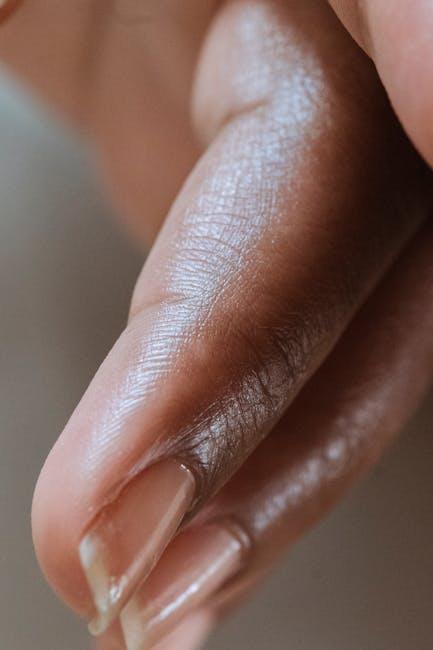
A healthy nail is expected to be smooth, uniform in color, with a gentle curve, and free from pits, grooves, or abnormal ridges. Variations in nail growth (typically 3 mm per month for fingernails) and changes in texture can be influenced by age, genetics, and environmental exposure. However, persistent or progressive textural abnormalities often hint at specific nutritional or systemic disorders (mayo Clinic: Nail abnormalities).
Common Nail Texture Abnormalities Linked to Mineral Deficiency
Understanding the types of nail texture changes can help in pinpointing underlying mineral deficiencies. Below is a summary of common abnormalities and associated deficiencies, validated by extensive clinical literature.
| Texture Change | Description | Common Mineral Deficiency | Other Causes |
|---|---|---|---|
| Koilonychia (“spoon nails”) | upward curving,concave nails | Iron | Hemochromatosis,trauma |
| Brittle or split nails (onychoschizia) | Cracking,splitting,peeling | Iron,zinc | Frequent wetting,thyroid disease |
| White spots (leukonychia punctata) | Small opaque spots | Zinc | Trauma,fungal infection |
| Beau’s lines | Transverse ridges or depressions | Zinc,magnesium | Systemic illness,chemotherapy |
| Soft,thin,easily bent nails | Lack of firmness,versatility | Calcium,iron | Aging,chronic illness |
Mineral Deficiencies and Their Impact on Nail Texture
1. Iron Deficiency
Iron is critical for the synthesis of hemoglobin, which sustains oxygen delivery to the nail matrix.deficiency leads to classic manifestations such as koilonychia (spoon-shaped nails)—a hallmark found most frequently enough in iron deficiency anemia (NIH: iron Deficiency Anemia).
- Symptoms: Thin, soft, brittle nails with upturned edges.
- Pathophysiology: Decreased oxygen supply damages matrix cells,impairing nail keratinization.
- Epidemiology: Particularly high in menstruating women, pregnant women, and children.
Additional signs may include pallor of the nail bed, longitudinal ridging, and increased susceptibility to splits.
2. Zinc deficiency
Zinc is involved in nucleic acid metabolism and protein synthesis, both essential for healthy keratin formation in the nails. As per NIH: Zinc in Human Health, insufficient zinc impairs nail growth, causing structural weakness.
- Symptoms: Brittle nails, transverse and longitudinal ridges, white spots (leukonychia).
- Other signs: Delayed wound healing, skin lesions, immune dysfunction.
- Affected groups: Vegetarians, elderly, those with gastrointestinal disorders.
3. Calcium Deficiency
Calcium is a vital mineral for the growth and rigidity of the nail matrix. As Healthline discusses, chronic calcium deficiency may manifest as weak, fragile, or easily bent nails.
- Symptoms: Softness, slow growth, peeling, and easy breakage.
- Pathogenic links: Hypoparathyroidism, inadequate dietary intake, vitamin D deficiency.
4. Magnesium Deficiency
Magnesium regulates over 300 biochemical reactions, including protein synthesis and cellular division within the nail matrix. According to the NIH Office of Dietary supplements, deficiency may cause Beau’s lines (deep grooves) and generalized weak nail structure.
- Symptoms: Longitudinal or transverse ridges, splitting, slow growth.
- Comorbidities: chronic alcoholism, intestinal disorders, elderly malnutrition.
5. Other Trace Minerals (Selenium, Copper, Silicon)
While less common, deficiencies in trace minerals such as selenium, copper, and silicon may contribute to abnormal nail growth and texture. The literature notes that these deficiencies often co-exist with broader nutritional deficits or chronic diseases (NIH: Micronutrient Deficiency).
When to Suspect Mineral Deficiency: Red Flags in Nail Texture
Not every change in nail texture signals a mineral deficiency, but clinicians recommend heightened vigilance when the following are observed:
- Persistent or generalized changes to multiple nails
- Accompanying systemic symptoms (fatigue, pale skin, hair loss, or frequent infections)
- Rapid progression or new-onset abnormal textures
- symptoms despite good hand and nail hygiene
careful attention to the constellation of symptoms is essential for early recognition of treatable nutritional shortfalls.

How to Evaluate Nail Texture Systematically
A clinically sound assessment involves a combination of self-examination and medical consultation. Dermatologists take into account:
- Pattern (localized vs. generalized across all nails)
- Texture (smooth, ridged, pitted, grooved, split)
- Color changes (pallor, discoloration, spots)
- Nail firmness and flexibility
- Growth rate and changes in nail thickness
A detailed personal and family history, medication review, dietary log, and assessment of concurrent symptoms are part of the standard workup. Medical News Today underscores the need for laboratory assessment if mineral deficiency is suspected based on nail and systemic features.
Clinical Diagnostic Methods for Mineral Deficiency
Clinical suspicion of mineral deficiency warrants confirmation through laboratory testing, which may include:
- Serum ferritin, hemoglobin: For iron deficiency anemia and iron status.
- Serum zinc, calcium, magnesium: to assess trace and macro-mineral levels.
- comprehensive metabolic panel: To rule out organ dysfunction affecting nutrient metabolism.
- Thyroid function tests: Given links between thyroid disease and nail changes.
- Urinalysis: To check for kidney-related loss of minerals.
Testing should be interpreted by healthcare professionals in the context of the patient’s clinical picture. More information on testing and interpretation can be found at the MedlinePlus Laboratory Tests Directory.
Evidence-Based Strategies for Recovery and Nail Health
Once a mineral deficiency and its impact on nail texture are established, the therapeutic approach involves a multipronged strategy:
1. Dietary Modification
Emphasizing a diverse, nutrient-rich diet remains the gold standard for preventing and correcting deficiencies. Food sources rich in keys minerals include:
- Iron: Lean red meats, poultry, fish, legumes, fortified cereals, leafy greens.
- Zinc: Seafood (especially oysters), beef, nuts, seeds, whole grains.
- Calcium: Dairy products, fortified plant milks, tofu, green vegetables, almonds.
- Magnesium: nuts, whole grains, spinach, avocados, bananas.
Consulting with a registered dietitian can help tailor dietary recommendations to individual health needs (EatRight.org).
2. Supplementation
In cases of documented deficiency, targeted supplementation may be necessary. The choice and dosage of mineral supplements must be individualized and monitored to prevent toxicity or adverse interactions. NIH Office of Dietary Supplements provides detailed guidelines on safe and effective supplementation.
- Iron supplementation is typically required for moderate to severe deficiency, frequently enough in conjunction with vitamin C to enhance absorption.
- Zinc and magnesium supplements are considered when dietary measures fail or in malabsorptive states.
- Calcium and vitamin D supplements are indicated in hypocalcemia or osteoporosis risk.
3. Treatment of Underlying Disorders
Addressing medical or lifestyle contributors to mineral deficiency is critical. For exmaple,gastrointestinal diseases (celiac,Crohn’s),renal impairment,or medication side effects require targeted intervention (NIH: Malabsorption Syndromes).
4. Nail Care and Preventive Practices
Supportive measures can improve nail health during recovery:
- Keep nails trimmed and protected from trauma.
- Minimize exposure to harsh chemicals or prolonged water contact.
- Avoid the use of acetone-based nail polish removers or artificial nails if nails are fragile.
- Apply emollient creams or cuticle oils to support hydration.
further evidence-based nail care recommendations are available on the American Academy of dermatology (AAD) website.
Prognosis: What to Expect With Treatment
With correct diagnosis, dietary restoration, and/or appropriate supplementation, most nail texture abnormalities related to mineral deficiency are reversible. However, visible betterment may take weeks to months as a new, healthier nail gradually grows out (Harvard Health).
- Nail growth rates and return to normal texture vary by age, severity of deficiency, and overall health.
- Permanent change is rare unless chronic deficiency or irreversible damage to the nail matrix has occurred.
Monitor for recurrent or persistent abnormalities, which may indicate ongoing deficiency or other systemic disorders requiring reevaluation.
When to Seek Professional Help
Red flag signs warranting immediate medical attention include:
- Sudden onset of nail changes associated with systemic symptoms (such as unexplained weight loss, persistent fever, or neurological symptoms)
- Non-healing wounds, severe brittleness, or widespread nail involvement
- Strong family history of auto-immune or metabolic diseases
- Failure of home interventions to improve symptoms
Consult a board-certified dermatologist or primary care physician for thorough evaluation, individualized testing, and evidence-based management (NHS: Nail Disorders).
Differentiating Mineral Deficiency from other Nail Disorders
Several non-nutritional factors may also cause nail texture changes. Key differentials include:
- fungal infections (onychomycosis): Nail thickening, discoloration, crumbling.
- Psoriasis: Pitting, onycholysis, “oil drop” discoloration.
- Thyroid and systemic diseases: Dry,brittle,or slow-growing nails.
- Medications and toxins: Chemotherapeutic agents,arsenic,or heavy metal exposure.
- Local trauma or repetitive irritation: Nail ridges or split nails.
Proper diagnosis often requires clinical correlation, laboratory analysis, and occasionally, nail sampling or biopsy (Mayo Clinic: Nail Fungus).
Prevention: Protecting Nail Health Through Balanced Nutrition
The cornerstone of prevention is maintaining balanced and adequate mineral intake throughout all stages of life.CDC guidance emphasizes:
- Consuming a varied diet with plenty of whole grains, lean proteins, fruits, and vegetables
- Regular monitoring for vulnerable groups (infants, pregnant women, elderly)
- Routine health screenings in at-risk populations
- Addressing chronic medical conditions or risk factors proactively
Collaboration with healthcare providers ensures tailored nutritional strategies for optimal nail and overall systemic health.
Frequently Asked Questions
How quickly will my nails improve after restoring minerals?
It typically takes several months for a new, healthy nail to grow out and visible improvement to occur. Compliance with supplementation and dietary changes is key (Healthline).
Can nail supplements alone fix brittle nails?
Supplements help only if the brittleness is due to a specific mineral deficiency. Otherwise, focusing broadly on nutrition and addressing external factors is recommended (FDA: Nail Product Safety).
Are white spots on my nails always due to zinc deficiency?
Not always. Tiny white spots most often result from minor trauma but may occasionally signify zinc or other mineral deficiency (Medical News Today).
Should I see a doctor for every nail change?
Occasional or minor nail changes are usually benign,but persistent,unexplained,or widespread changes should prompt medical review.
Conclusion
Nail texture serves as a readily accessible window into internal health, particularly with respect to mineral status. Persistent changes in nail smoothness, strength, or shape frequently enough precede other systemic symptoms of deficiency and warrant systematic evaluation. With early detection, lifestyle and medical interventions can effectively reverse most deficiency-related nail changes, restoring both nail integrity and overall quality of life. For personalized assessment and treatment, always consult a qualified healthcare professional.
For more on micronutrient health and dermatological signs,visit the latest resources from the World Health Organization and American Academy of Dermatology.