
Introduction
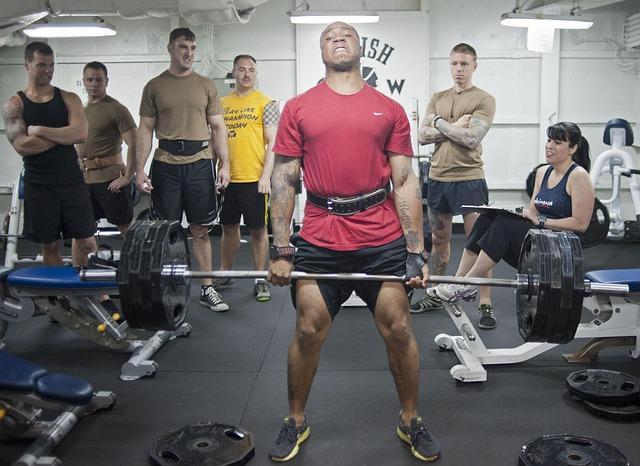
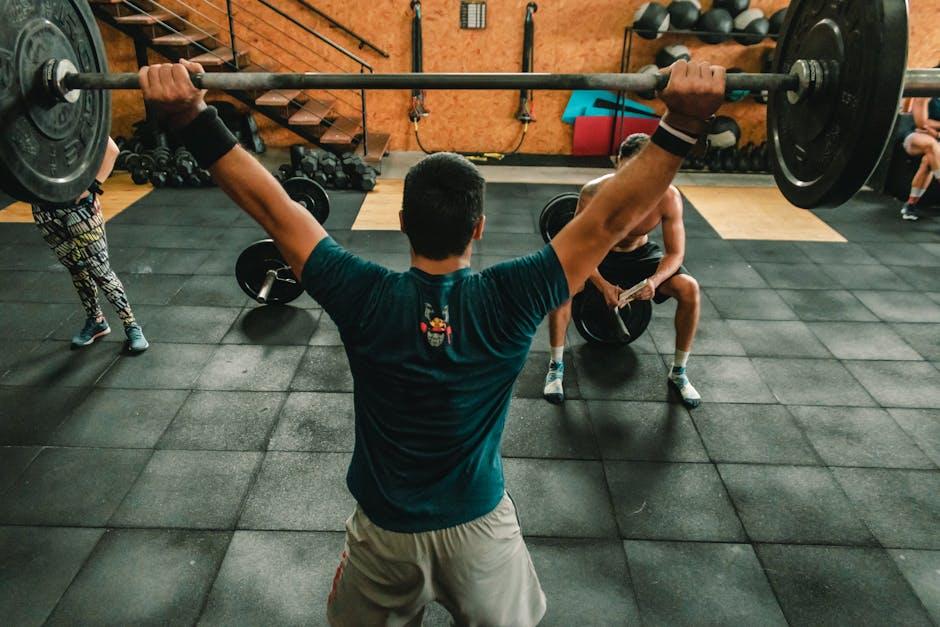
the popularity of resistance training and weightlifting among men continues to increase globally, owing to its well-documented benefits for muscular strength, cardiovascular health, and metabolic rate. However, recurrent joint discomfort or injury can significantly impair performance and long-term participation. According to the Centers for Disease Control and Prevention (CDC), musculoskeletal complaints, including joint pain, are among the most frequently reported physical ailments in adult men. Given the biomechanical load placed on the joints during repetitive lifting, understanding how to protect and improve joint health is critical not only for athletic longevity but also for overall quality of life and functional independence.
This comprehensive evidence-based article explores strategies for optimizing joint health in men who lift weights regularly. it synthesizes current research and expert recommendations, targeting both recreational and serious lifters seeking to prevent injuries and maintain joint function into older age.
Epidemiology of Joint Problems in Weight Lifters
Incidence and Patterns
Joint-related complaints in male weightlifters predominantly affect the shoulders, knees, elbows, and lower back. According to research published in the british Journal of Sports Medicine, chronic and acute joint injuries account for up to 40% of musculoskeletal issues in athletes who engage in regular resistance training. Shoulder impingement, patellofemoral pain syndrome (knee), and elbow tendinopathies are frequently observed due to repetitive mechanical stress.
Risk Factors
- Improper lifting technique
- Inadequate warm-up or cool-down routines
- Overtraining and insufficient recovery
- Poor joint mobility and flexibility
- Individual anatomical variations (e.g., joint hypermobility)
- pre-existing musculoskeletal disease (e.g., osteoarthritis)
Understanding these risk factors informs effective preventative and rehabilitative strategies for lifters.
Anatomy and Pathophysiology of Joints in Weightlifting
The Structure and Function of Synovial joints
Most joints impacted by weightlifting are synovial, characterized by a fluid-filled cavity, articular cartilage, synovial membrane, ligaments, and surrounding musculature. Healthy synovial joints are essential for absorbing shock, reducing friction, and ensuring stable movement under load. Overloading or faulty mechanics can disrupt this ecosystem, leading to cartilage degeneration, ligament sprains, and chronic inflammation (synovitis).
Common Pathological Changes
Weightlifting may accelerate microtrauma in articular cartilage and supporting soft tissues if not practiced with appropriate care.Over time, this can culminate in osteoarthritis or tendon degeneration. Research in the Journal of Orthopaedic & Sports Physical Therapy correlates persistent joint overload with early-onset cartilage wear, highlighting the imperative of joint preservation.
How Weightlifting Impacts joint Health: Benefits and Risks
Benefits
-
strengthens Surrounding Muscles
Strong muscles, especially stabilizers, reduce joint strain by improving biomechanical support (national Institutes of Health).
-
Enhances Bone Density
Resistance training increases bone mineral density, which may mitigate the risk of osteoporosis and subsequent joint problems (NIH).
-
Promotes Synovial Fluid Production
Regular joint use encourages the release of synovial fluid, nourishing articular cartilage.
Risks
- Repetitive Microtrauma to cartilage, ligaments, and tendons
- Overuse Injuries, including tendinopathies and bursitis (Mayo Clinic)
- Joint instability from imbalanced musculoskeletal development
A balanced approach maximizes benefits while minimizing adverse effects.
Clinical Features of Joint Dysfunction in Weight Lifters
Warning Signs
Symptoms of impending or established joint dysfunction may include:
- Persistent or worsening joint pain
- Swelling,erythema,or heat around joints
- Reduced range of motion
- Mechanical symptoms such as locking,clicking,or instability
- Activity-limiting stiffness
Early recognition and intervention are critical to halting injury progression and preventing chronic disability (Harvard Health Publishing).
Strategies to Improve and Maintain Joint Health in Male Weightlifters
1. Prioritize Proper Lifting Technique
Biomechanically sound lifting techniques are foundational to joint health.Key principles include maintaining proper alignment, controlling loads, and avoiding excessive joint excursion. Professional coaching, regular form checks, and use of video analysis can mitigate technique-related joint strain (NHS UK).
2. Incorporate Dynamic Warm-Ups and Cool-Downs
Dynamic warm-ups enhance synovial fluid circulation, raise tissue temperature, and prepare muscles and joints for load-bearing activities. Cooling down with gentle mobility exercises and static stretches facilitates metabolic waste removal and may reduce delayed onset muscle soreness (Healthline).
- Examples: Arm circles, dynamic lunges, hip openers, foam rolling
- Duration: 10–15 minutes for both warm-up and cool-down
3. Periodize Training and Ensure Adequate Recovery
Overtraining is a major risk factor for chronic joint pain and injury. Structured periodization—planned variation in intensity, volume, and exercise selection—promotes tissue repair and reduces overload risk (NIH). Incorporate rest days, deload weeks, and active recovery techniques such as swimming or cycling.
4. Address Muscle Imbalance and Core Stability
Imbalances—such as disproportionately strong quadriceps but weak hamstrings—can destabilize joints. Regularly train both agonist and antagonist muscle groups,and incorporate core exercises to enhance global stability. A strong core supports the spine and reduces compensatory joint loading elsewhere.
5. Optimize Joint Mobility and Flexibility
Restricted mobility increases stress on surrounding structures. Evidence supports that consistent flexibility training—such as yoga, dynamic stretching, and myofascial release—maintains healthy joint range of motion and reduces risk of impingement (Medical News Today).
6. Weight Management and Body Composition
Maintaining a healthy body weight reduces mechanical stress on load-bearing joints, particularly the knees and hips. Even a modest reduction in BMI can significantly lower joint pain in overweight individuals,per data from CDC.
7. Use of Supportive Gear
- Knee sleeves, elbow wraps, and lifting belts can provide proprioceptive feedback and joint stabilization.These should be used judiciously and not as a substitute for foundational strength or technique (Healthline).
Well-fitted, supportive footwear is essential to reduce impact forces during compound lifts.
8. Nutritional Interventions for Joint Health
A well-rounded diet supports cartilage and connective tissue maintenance. Essential nutrients include:
| Nutrient | Role | Key Sources |
|---|---|---|
| Vitamin C | Collagen synthesis, antioxidant | Citrus, berries, peppers |
| Omega-3 fatty acids | Anti-inflammatory effects | Fatty fish, flaxseeds, walnuts |
| Vitamin D & Calcium | Bone health and mineralization | Dairy, fortified foods, sunlight |
| Protein (including collagen peptides) | tendon and cartilage repair | Lean meat, eggs, supplements |
Clinical trials suggest that omega-3 supplementation may alleviate inflammatory joint conditions. Similarly, adequate protein intake is vital for repair of soft tissue structures stressed during resistance training (NIH).

9. Supplementation: Evidence-Based Options
While most joint health needs can be met through diet, certain scenarios justify targeted supplements:
-
glucosamine & Chondroitin sulfate:
Shown to provide mild to moderate symptom relief in mild osteoarthritis (Arthritis Foundation).
-
Curcumin (Turmeric):
Demonstrates anti-inflammatory effects beneficial for joint health (Healthline).
-
Fish Oil:
EPA and DHA reduce joint swelling and stiffness, particularly in inflammatory conditions.
Consultation with a healthcare professional is recommended before initiating supplements, especially due to potential interactions and variable efficacy.
10. Early Identification and management of Injuries
Promptly attending to joint pain and dysfunction can prevent minor issues from progressing into chronic pathologies. Initial management may include the RICE protocol (Rest, Ice, Compression, Elevation), modification of exercise routines, and seeking medical assessment when indicated (National Library of Medicine).
- Persistent pain, critically important swelling, or mechanical joint symptoms warrant clinical evaluation.
- Physical therapy may restore joint stability and function.
Special Considerations for Aging Male Lifters
Age-Related Changes
Men over 40 face additional challenges due to natural declines in tissue elasticity, synovial fluid production, and recovery rates. Osteoarthritis risk increases,and joint cartilage thins with advancing age (National Institute on Aging).
Adaptive Strategies
Favor higher-repetition, lower-weight settings to reduce peak joint load.
Prioritize joint-kind activities (e.g., swimming, cycling) to complement resistance work.
Ensure regular clinical check-ups to monitor and manage emerging joint issues.
Latest Advances in Joint Preservation and Regeneration
Platelet-Rich Plasma (PRP) and Regenerative Techniques
Emerging therapies such as PRP injections aim to accelerate tissue repair in degenerative or injured joints, though large-scale efficacy and safety studies are ongoing (JAMA).
Orthobiologics and Tissue Engineering
Growth factors, stem cells, and tissue scaffolds hold promise for cartilage regeneration, offering hope for future, less invasive interventions for chronic joint damage (The lancet).
Practical Tips: Joint Health Maintenance Checklist
- Master and regularly review lifting technique with professional input
- Never skip a dynamic warm-up or cool-down
- Follow structured, periodized training plans
- Balance strength work with dedicated mobility and flexibility exercises
- Maintain a healthy weight and body composition
- Fuel joints and connective tissue with a nutrient-rich, anti-inflammatory diet
- Use supportive gear as needed, but do not over-rely on it
- Proactively address pain or dysfunction—do not train through severe discomfort
- Stay up to date on advances in sports medicine and joint health research
- Consult with qualified healthcare professionals for individualized care
Frequently Asked Questions (FAQ)
Can weightlifting cause arthritis?
When done with proper technique and adequate recovery, weightlifting does not inherently cause arthritis—indeed, it can protect joints by fostering strong surrounding musculature and promoting joint nutrition (Medical News Today).
Are certain exercises better for joint health than others?
Joint-friendly compound movements and closed-chain exercises, such as squats and push-ups, are safer for most lifters compared to highly repetitive, high-impact or open-chain movements. Individual variation should always be considered.
Should I stop lifting if I have mild joint pain?
No—but activity should be modified and any underlying mobility, technique, or overuse concerns should be addressed. If pain persists, especially with swelling or joint instability, seek expert evaluation.
Is glucosamine safe and effective?
Glucosamine is generally safe, but evidence for its efficacy in preventing joint degeneration is modest. It may benefit some with mild osteoarthritis (NHS UK).
Conclusion
Maintaining optimal joint health is crucial for men who regularly lift weights, supporting athletic performance, injury prevention, and lifelong mobility. Integrating sound training principles, nutritional strategies, flexibility routines, and early intervention for joint complaints can dramatically enhance joint longevity and reduce injury risk. Lifters are encouraged to collaborate with healthcare professionals and remain proactive with best practices established by the latest sports medicine and orthopedic research.
For more details on specific exercises, supplements, or when to seek medical help, consult certified trainers and healthcare providers, and refer to regularly updated resources from reputable institutions such as the CDC, NIH, and Mayo Clinic.
References
- CDC – Prevalence of Musculoskeletal Complaints
- British Journal of Sports Medicine – Injuries in Resistance Training
- Journal of Orthopaedic & Sports Physical Therapy
- NIH – Muscle Strengthening and joint Support
- NIH – Bone health and Exercise
- Medical News Today – Stretching and Joint Health
- The Lancet – Advances in Joint Regeneration
- Mayo Clinic – Core Stability for Joint Protection
- National Institute on Aging – Joint Health and Aging
- Arthritis Foundation – Glucosamine for Arthritis