


prescription medications
Introduction
International travel can be an enriching experience,but it introduces unique challenges for patients prescribed regular medication regimes. Recent statistics show that nearly half of adults in the United States take at least one prescription medication, and with increasing globalization, millions travel globally each year for leisure, business, or medical tourism. Yet, traveling internationally with prescription medications raises crucial issues relating to medication legality, security, customs, and continuity of care. Understanding both the clinical importance of adhering to pharmacotherapy and the distinct regulatory frameworks that govern medications in various countries is crucial for safe and legal travel. this comprehensive resource provides evidence-based tips, medical insights, and practical advice to help patients and caregivers manage prescription medications effectively when crossing borders.
The Importance of Medication Adherence During International Travel
Medication adherence-the degree to which a patient correctly follows medical advice regarding drug regimens-remains a cornerstone of optimal therapeutic outcomes for chronic and acute conditions. Interruptions or inconsistencies due to travel can precipitate disease exacerbation, breakthrough symptoms, or even life-threatening complications, especially for conditions such as diabetes, epilepsy, hypertension, and psychiatric disorders. According to the World Health Organization (WHO),non-adherence to prescribed medication regimens can result in therapeutic failure and increased morbidity,especially during travel where access to healthcare may be limited. ensuring continuity of care is thus medically imperative.
Understanding International and Local regulations
Medication laws and import regulations vary considerably between countries. Some drugs that are legally prescribed and used routinely in one country may be strictly controlled, prohibited, or require special documentation in another. For example, pain medications containing codeine or narcotics, certain psychiatric drugs, and stimulants (like those used for ADHD) are highly regulated in many jurisdictions. The Centers for Disease Control and Prevention (CDC) strongly recommend familiarizing oneself with the medication regulations of your destination to avoid confiscation, fines, or legal penalties.
Controlled and Restricted Substances
Many countries classify medications into schedules based on their misuse potential.The U.S. Drug Enforcement Administration (DEA) outlines schedules for controlled substances, and equivalents exist globally. Even drugs as common as sleeping pills, ADHD treatments (e.g., methylphenidate), and anxiolytics may require import permits, doctor’s letters, or might potentially be entirely banned in certain countries. Check the International Air Transport Association (IATA) and your destination’s consulate for up-to-date substance regulations.
Customs and Declarations Risks
Travelers must comply with both departure and arrival country customs regulations. Failure to declare medications, even unintentionally, can lead to seizure, fines, deportation, or prosecution. National customs services, such as U.S. Customs and Border Protection, offer guidance on what is permitted and what documentation is required. Always double-check this information before departure.
Obtaining Medical Documentation
To facilitate smooth customs clearance and to avoid misunderstandings about your medication, proper documentation is essential:
- Letter from Your Physician: Obtain an up-to-date, signed letter on letterhead detailing your diagnosis, rationale for the medication, drug names (generic and brand), dosages, and duration of treatment. The letter should ideally be in English and, if traveling to non-English-speaking countries, translated to the local language.
- Copy of Your Prescription: Carry original prescriptions and consider obtaining an extra copy. Include generic names, as brand names may differ internationally (NHS UK).
- Official Medication Information Leaflet: Carry the manufacturer’s official patient information leaflet for your medicine in case authorities need verification.
- Import Permits: For controlled substances, some countries require you to apply for an import certificate before travel. initiate this process weeks before your departure (Harvard Health).
best Practices for packing and Transporting Medications
Stowing and transporting prescription medications safely is a priority for maintaining drug efficacy and avoiding accidental loss or damage:
- Carry-on vs. Checked luggage: Always pack medications in your carry-on to prevent loss in transit or extreme temperature exposure in aircraft cargo holds (CDC Traveler’s Health).
- Original Packaging: Leave medications in their original, clearly labeled pharmacy containers to facilitate recognition by customs officials.
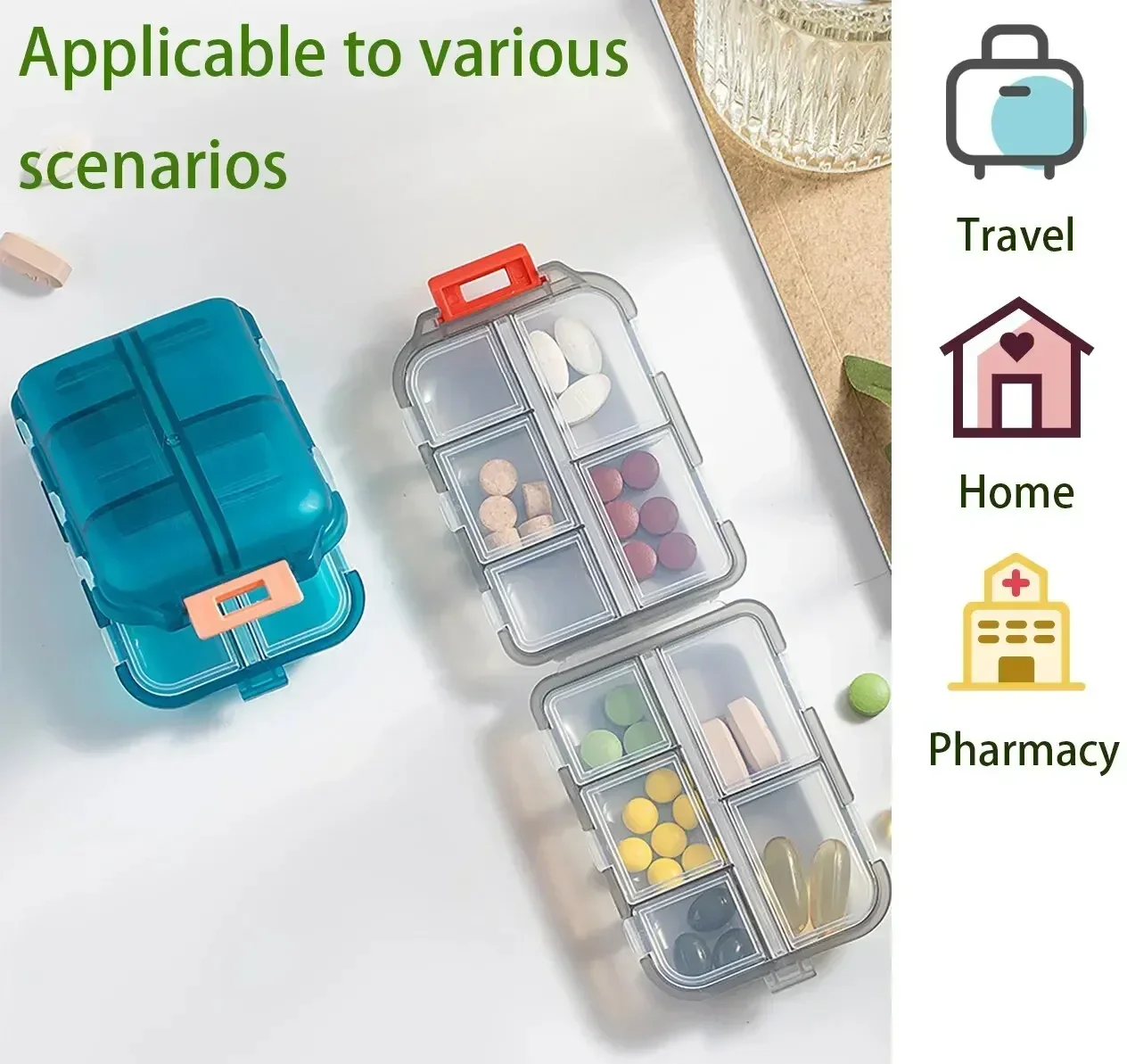
- Pill Organizers: While helpful for daily management, use them only for daily doses once at your destination. Keep bulk supply in original packaging while traveling.
- Cooling Needs: For temperature-sensitive medicines (like insulin or some biologics),use insulated medication travel cases with cooling elements. Airlines may permit use of onboard refrigeration for medically necessary purposes-notify them in advance.
- Quantity: Bring enough medication to last your trip, plus extras for unexpected delays. Store emergency doses separately in case of theft or loss.
- Syringes, Needles, and Devices: Bring medical certificates and prescriptions for any injectable medications or medical devices (e.g., glucometers, CPAP machines), which might potentially be restricted without documentation.
Managing Medication Schedules Across Time Zones
Traveling internationally frequently enough requires crossing multiple time zones-a challenge for those on scheduled medication regimens. Disruptions in pharmacokinetics and pharmacodynamics due to inconsistent dosing can affect disease stability,especially for anti-epileptics,insulin,anticoagulants,or oral contraceptives (NIH).
- Plan with Your Healthcare Provider: Before you depart, discuss a plan to adjust your medication timing gradually to your destination time zone.
- Use Pill Reminders and Mobile Apps: Mobile health applications can help manage complex dosing schedules while traveling.
- Monitor for Adverse Effects: Watch for symptoms of underdose or overdose, such as drowsiness, dizziness, abnormal bleeding, or changes in disease control, and seek help if these arise.
Special guidance is necessary for those on medications critical to circadian rhythm (e.g., corticosteroids, certain hormones); consult your physician for a detailed schedule (mayo Clinic).
Dealing with Lost, Stolen, or Confiscated Medications
Despite best efforts, medications may be lost, stolen, or confiscated during transit or travel. To mitigate risks:
- Photocopy Documentation: Keep separate copies of your prescription, medication details, and physician letter in your luggage and with a trusted contact at home.
- Local Healthcare Resources: Upon arrival, identify local clinics, hospitals, or pharmacies that serve travelers (Healthline). Embassies may provide emergency medical referrals.
- Insurance Coverage: Purchase comprehensive travel health insurance that covers medication replacement and medical emergencies. Check pre-existing condition clauses (Medical News Today).
- Local Prescription Requirements: In most countries, local pharmacists cannot dispense medication without a valid local prescription.Carrying your physician’s letter helps facilitate emergency refills but does not guarantee issuance.
- Emergency Refill Protocol: If necessary, visit an in-country healthcare provider to obtain a new prescription.Bring all relevant documentation and,if possible,empty medication bottles or packaging for identification.
Key International Destinations and Their Unique Medication Rules
Certain regions have particularly strict regulations for traveling with medications:
- Japan: Many stimulants used for ADHD (including amphetamines) are strictly prohibited, and narcotics require import permits. Violations may result in imprisonment (Japan Ministry of Health, Labor and Welfare).
- United Arab Emirates: Many medications, including some over-the-counter drugs, are controlled. Travelers must seek pre-approval through the UAE Ministry of Health and carry comprehensive documentation (UAE ministry of Health).
- Singapore: Codeine-containing formulations,sleeping pills,and certain anti-anxiety medications require prior approval (Health Sciences Authority Singapore).
- Australia: Travelers may bring up to a three-month supply with a prescription, but schedule 8 drugs (narcotics, psychotropics) require importation approval (Therapeutic Goods Administration Australia).
- European Union: Regulations are generally more permissive for most medications, but carry documentation for all controlled substances (European Commission).
Global Resources for Travelers
Several global organizations provide resources for medication laws and travel health:
Prescriptions for Special Needs Populations: Children, Older Adults, and Patients with Disabilities
Children, elderly patients, and individuals with disabilities frequently enough require special considerations when traveling internationally with medication:
- Pediatric dosage Forms: Liquid preparations, injectables, or compounding may not be available in all countries. Carry adequate supplies and,if necessary,administration equipment.
- Geriatric considerations: Older travelers may struggle with polypharmacy and require close management of medication schedules. Anticipate cognitive issues or dexterity challenges-organizers, alarms, or reminders are invaluable (Mayo clinic).
- Assisted Devices: Bring relevant documentation and maintenance instructions for medical devices (CPAP, insulin pumps, mobility aids) and research airline and country-specific accessibility policies (NHS UK: Traveling with a Disability).
Specific Therapeutic Scenarios and Additional Recommendations
Traveling with Immunosuppressants and Biologics
Patients on immunosuppressants (e.g., -transplant, rheumatologic, or oncology patients) face unique risks such as increased susceptibility to infections and may require emergency access to care abroad (NIH). Vaccination updates, infection prophylaxis, and meticulous hand hygiene are especially crucial. Always carry a summary of your medical and immunosuppressive therapy in case of emergencies.
Traveling with Psychotropic Medication
Psychiatric medications (antidepressants, antipsychotics, anxiolytics) may trigger travel restrictions due to misuse potential. Countries differ in their approach, with some requiring detailed pre-authorization. Refill options can be unpredictable abroad, making medication planning and mental health crisis documentation a critical part of your travel preparation (PubMed).
Traveling with Injectable and Refrigerated Medications
Many chronic diseases (e.g., diabetes, multiple sclerosis, inflammatory bowel disease) require injectable or temperature-sensitive medications. Research the infrastructure and amenities available at your destination, such as refrigeration in hotels and airports. When flying, the FDA provides guidance on handling refrigerated medicines during transit. Inform airlines about sharp objects and carry medical certificates for syringes, needles, or EpiPens.
Key Pre-travel Checklist
- Consult your healthcare provider at least 4-6 weeks before departure
- Confirm your medication’s legality in every country you will visit or transit
- Obtain all necessary documentation (prescriptions, physician letters, translated materials)
- Pack medications in your carry-on, with spares in separate bags
- Consider travel health insurance and emergency assistance coverage
- Download medication management mobile apps compatible with your destination
- plan medication schedules based on time zone shifts with clinical guidance
- Identify healthcare facilities near your destination capable of managing your condition

Commonly Asked Questions (FAQ) About Traveling with Prescription Medications
Is it legal to travel internationally with all prescription medications?
No. While most routine medications present no issue, controlled substances, narcotics, and some psychotropics are restricted in many countries. Check with the destination country’s consulate or government websites (CDC Pack Smart).
What should I do if my medication is not permitted in my destination country?
Contact your prescribing physician well ahead of time to discuss option therapies. Some countries offer special permits for life-saving medications; apply for these in advance via the relevant embassy or health authority.
Do I need to declare prescription medications at customs?
Yes, always declare prescription medications on arrival and departure forms, particularly if they are controlled. Non-disclosure, even unintentionally, can result in serious legal consequences (U.S. Customs and Border Protection).
How can I replace lost medications abroad?
Instantly seek help from a local healthcare provider, armed with your prescription, medication bottles, and doctor’s letter. Contact your embassy or consulate if you encounter language or regulatory barriers.
Are generic equivalents of my medication available internationally?
Not always. Formulations, strengths, and brands may differ. Only purchase medication from licensed pharmacies, and bring writen confirmation of generic names from your prescribing physician (MedlinePlus).
Conclusion
International travel with prescription medications requires careful planning that extends beyond simply packing your pills. Understanding and respecting local laws, securing comprehensive medical documentation, planning for time zone shifts, and anticipating the challenges of medicine storage and replacement are essential elements in safeguarding your health abroad. Consult with your healthcare provider, research your destination, and approach travel as a medically informed, empowered patient. By organizing your pharmacotherapy as thoroughly as your itinerary, you can explore the world confidently, maintain your therapeutic regimen, and minimize your risk of medical disruption.
Additional Resources