


Introduction
leg strength is foundational to physical health, mobility, and the prevention of injury-and it is indeed not dependent on access to expensive gym equipment or fitness centers. As lifestyles become increasingly sedentary, the risks of lower-extremity muscle atrophy, reduced functional capacity, and chronic diseases escalate, particularly among adults and older populations. According to the Centers for Disease Control and Prevention (CDC), insufficient physical activity is a leading risk factor for morbidity and mortality, and lower limb weakness is closely associated with poor balance, falls, and decreased quality of life in the aging population. fortunately,significant evidence affirms that structured home exercise regimens can significantly improve leg strength,balance,and cardiovascular health without the need for a gym.
This comprehensive, evidence-based article draws upon clinical insights and up-to-date research to provide medically sound strategies for building leg strength at home. Whether motivated by convenience,budget,public health guidelines,or simply personal preference,readers will gain all the necessary tools to optimize leg musculature and functional mobility,safely and effectively.
Why Leg Strength Matters: Medical and Physiological Significance
The lower limbs-comprising the quadriceps, hamstrings, gluteal muscles, calves, and associated connective tissues-contribute directly to physical stability and overall health. Robust leg muscles:
- Promote functional independence, especially in older adults, reducing institutionalization and enhancing the ability to perform daily activities (NCBI).
- Improve balance, reducing the risk of falls-a leading cause of hospitalization in persons aged 65 and above (CDC).
- Support metabolic health, as increased muscle mass enhances insulin sensitivity and glucose metabolism (pubmed).
- Play a preventative role in cardiovascular disease by facilitating overall physical activity and reducing sedentary time (AHA Journals).
moreover, the pathophysiology of chronic conditions-such as osteoarthritis, obesity, and type 2 diabetes-demonstrates how lower-limb muscular weakness can precipitate or exacerbate disease progression (Mayo Clinic). Strong legs are thus indispensable for both primary prevention and management of multisystem disorders.
The Science Behind Strength Training Without Equipment
Muscular hypertrophy and strength gains are primarily dictated by resistance, progressive overload, and neuromotor activation, nonetheless of whether external weights are involved. Evidence indicates that bodyweight exercises create sufficient stimulus for muscle adaptation via mechanical tension,metabolic stress,and muscle fiber recruitment. For most adults, especially beginners and intermediates, exercises such as squats, lunges, step-ups, and isometric holds produce substantial gains comparable to those seen with gym-based protocols in terms of muscle endurance, size, and even strength (Healthline).
Moreover, many functional bodyweight movements enhance proprioception, balance, and coordination in ways that fixed gym machines do not, offering a unique advantage for injury prevention and daily mobility (Medical News Today).
Medical Considerations and Contraindications
Prior to initiating any new exercise protocol, individuals with underlying health conditions such as cardiovascular disease, chronic joint pain (e.g., severe osteoarthritis or rheumatoid arthritis), or neurological deficits shoudl consult their healthcare provider (NHS UK). Tailored modifications and monitoring are essential for those with comorbidities to avoid symptom exacerbation,falls,or acute musculoskeletal injuries.
The American College of Sports medicine (ACSM) recommends individualized risk assessment and progressive loading, particularly in populations at risk of sarcopenia, osteoporosis, or after major surgery. Safety strategies such as warm-up routines, proper technique, and gradual advancement are imperative for all cohorts.
Key Principles: Building Effective Home-Based Leg Workouts
Effective leg-strengthening exercises are grounded in the following principles:
- Progressive Overload: Gradually increasing the difficulty, repetitions, or time-under-tension to stimulate continuous strength gains (MedlinePlus).
- Multi-joint (Compound) Movements: Targeting several muscle groups simultaneously, boosting functional capacity and caloric expenditure (Harvard Health).
- Consistency and Frequency: Performing exercises at least 2-3 times per week for optimal neuromuscular adaptation and hypertrophy (CDC).
- Recovery and Nutrition: allowing adequate muscle recovery and providing sufficient protein/nutritional support for repair and growth (Harvard Nutrition Source).
Evidence-Based Home Exercises to Strengthen Legs
The following bodyweight exercises, endorsed by clinical research and rehabilitation experts, are effective for all fitness levels. Each movement can be tailored to individual ability and progressed over time.
1. Squats
- Target: Quadriceps, gluteals, hamstrings, calves, core.
- Technique: Stand shoulder-width apart, bend knees and hips as though sitting in a chair, keep chest upright, return to standing.
- Progressions: Try single-leg squats, jump squats, or add a pause at the bottom for increased difficulty.
Squats are among the most researched functional movements, with proven benefits for leg strength, functional mobility, and balance (NCBI).
2. Lunges
- Target: Quadriceps, gluteals, hamstrings, calves.
- Technique: Step forward/backward, bend both knees to 90°, return to starting, repeat on both legs.
- Variations: Forward, reverse, walking, or lateral lunges.
Lunges challenge unilateral leg strength and functional stability-a key factor in fall prevention (Harvard health Blog).
3. Step-Ups
- Target: Quadriceps, hamstrings, gluteals.
- Technique: Step onto a sturdy chair or staircase, drive through heel to stand fully upright, step down, alternate legs.
- Progressions: increase height, add knee raise, or perform with slow controlled tempo.
Step-ups are frequently used in orthopedic rehabilitation and are highly functional for day-to-day activities (NCBI).
4. Glute Bridges
- Target: Gluteals, hamstrings, lower back.
- Technique: Lie on back with knees bent, feet flat; lift hips until body forms a straight line from shoulders to knees, pause and lower.
- Progressions: Single-leg glute bridge, elevated feet, or longer holds.
Bridging activates the erior chain, crucial for hip joint stability and low back health (NCBI).
5. Calf Raises
- Target: Gastrocnemius, soleus (calf muscles).
- Technique: Stand shoulder width, rise onto toes, pause, lower under control.
- Progressions: single-leg raises, slow eccentric lowering, holding at top.
Strengthening the calves plays a critical role in improving gait, shock absorption, and dynamic balance (Medical News today).
6. Wall sits
- Target: Quadriceps, gluteals, hamstrings, core.
- Technique: With back against a wall, slide down until knees are at 90°, hold as long as possible.
- Progressions: increase hold time, add pulses or single-leg hold.
Wall sits induce isometric muscle fatigue, enhancing muscular endurance and control (Healthline).
7. Side-Lying Leg Lifts and Clamshells
- Target: Hip abductors, gluteus medius, outer thighs.
- Technique: Lying on side, lift leg upward (leg lifts) or open knees while keeping feet together (clamshells).
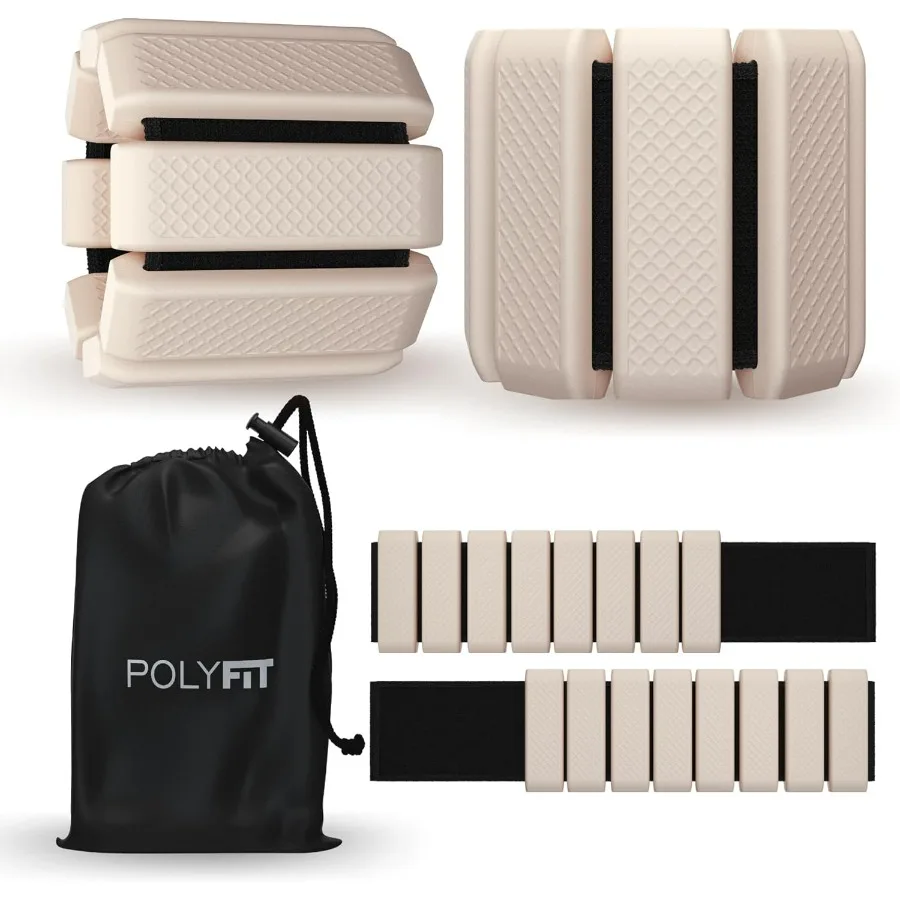
- Progressions: Use resistance bands or add foot weights, slow controlled movements.
These exercises have proven efficacy in strengthening stabilizing muscles, crucial for pelvic alignment and injury prevention (NCBI).
Adding Variety: Plyometrics, Balance, and Versatility Exercises
Diversifying your home workouts not only prevents plateau but also expands the physiological benefits. Plyometric movements like squat jumps or split jumps enhance explosive strength and muscle fiber recruitment (NCBI). Incorporate balance exercises-such as single-leg stands or heel-to-toe walking-for proprioception and joint health.
Additionally, routine stretching and mobility drills (e.g., dynamic hip flexor or hamstring stretches) mitigate the risk of muscle tightness and support long-term joint integrity (Mayo Clinic).

Building a Custom At-Home Leg Workout Plan
Individuals should tailor leg training plans according to baseline fitness, injury risk, and time constraints. A sample plan based on the CDC’s recommended weekly physical activity guidelines:
| Day | Warm-Up | Main Exercises (Repeat 2-3 Sets) | Cool-Down & Stretch |
|---|---|---|---|
| Monday | March in place (3 min),leg swings,arm circles | Squats (15 reps),Lunges (10/leg),Glute Bridges (15 reps) | Hamstring stretch,quad stretch,deep breathing (5 min) |
| Wednesday | High knees,hip circles (3 min) | Step-ups (10/leg),Calf Raises (20 reps),Wall Sits (30-60 sec) | Hip flexor stretch,ankle rotations (5 min) |
| Friday | Brisk walk,side lunges (3 min) | Reverse Lunges (10/leg),Side-Lying Leg Lifts (15/leg),Jump Squats (10 reps) | Glute stretch,dynamic hamstring mobility (5 min) |
Rest days can be reserved for passive recovery or gentle activities like walking or yoga.Always adapt intensity or modify sessions in response to fatigue, soreness, or medical advice.
Adapting Exercises for Older Adults and Medical Conditions
Older adults or individuals with chronic medical conditions may require modified protocols to ensure safety without compromising benefits.
- Reduced range of motion and chair-based versions (e.g., sit-to-stand rather of full squats) can accommodate joint limitations (NCBI).
- Wall support or using nearby surfaces can enhance stability for lunges or step-ups, decreasing the risk of falls.
- Low-impact options such as isometric holds or slow tempo repetitions help build endurance and proprioception with minimal stress on fragile joints (NHS UK).
Consultation with a physical therapist or exercise physiologist is advisable for those with comorbidities, recent surgeries, or persistent pain.
Incorporating Resistance Bands and Household Tools
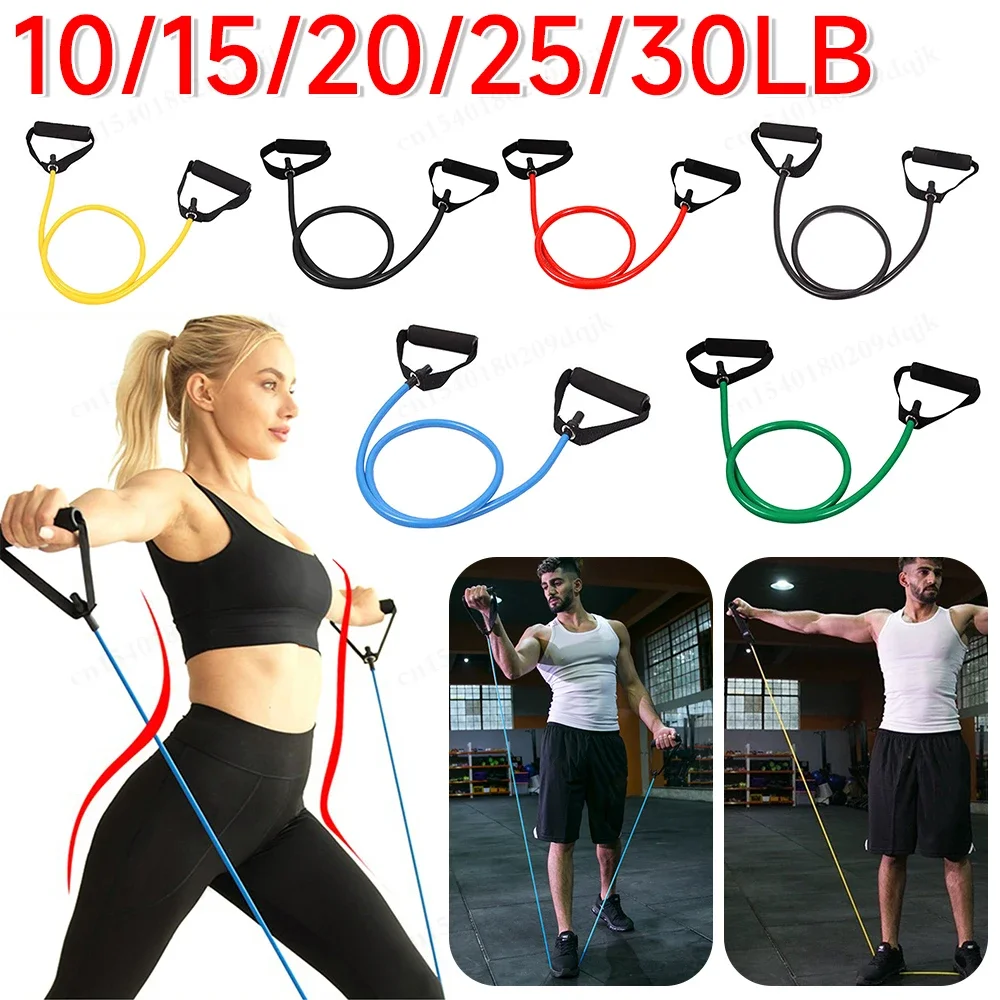
While no gym equipment is needed, simple household items (e.g., filled water bottles, backpacks, chairs) or low-cost resistance bands can intensify workouts. Research supports the efficacy of elastic resistance bands for:
- Promoting similar strength gains as free weights for both young and older adults (PubMed).
- Facilitating progressive overload through increased band tension.
- Reducing joint stress compared to heavier external loads, favorable for those with arthritis or other musculoskeletal conditions.
For more details on safe resistance band routines, visit the Harvard Health guide to resistance bands.
optimizing Recovery and Preventing Injury
Adequate muscle recovery underpins optimal progress and injury prevention. Clinically recommended strategies include:
- Active Recovery: Low-intensity activities (e.g., walking, stretching) on non-training days improve circulation and reduce delayed-onset muscle soreness (DOMS) (NCBI).
- Sleep: Sufficient sleep (at least 7-8 hours nightly for adults) is vital for muscle repair and immune function (NIH).
- Hydration & Nutrition: Protein intake (1.0-1.6 g/kg bodyweight/day) and adequate fluids catalyze muscle protein synthesis and reduce fatigue (Healthline).
- Prompt recognition of Injury: Persistent pain, swelling, or reduced mobility warrants cessation of activity and possible medical evaluation (Mayo Clinic).
Implementation of these practices mitigates the risk of overuse syndromes, strains, or other musculoskeletal complications.

Tracking Progress and Maintaining Motivation
Objective monitoring of performance-via repetition counts, set volume, hold durations, or subjective fatigue scales-enables continual commitment and goal-tracking. Journaling or using health apps (e.g., CDC’s free physical activity tracker) can facilitate accountability. Celebrate milestones (e.g., holding a wall sit for 2 minutes or completing 20 perfect squats) to reinforce positive reinforcement and sustain adherence over time.
Special Populations: Pediatric and Youth Considerations
In children and adolescents, leg-strengthening activity not only supports growth and bone density but also establishes lifelong healthy habits (WHO). Encourage play-based movements (e.g., jumping, hopping, skipping, running up stairs) and interactive, gamified exercises to maintain enjoyment and engagement. Avoid excessive load until skeletal maturity is reached, favoring bodyweight activities and balance training under supervision.
Frequently Asked Questions (FAQ): Building Leg Strength at Home
-
Can I really build muscle without equipment?
Yes. Clinical trials confirm that bodyweight movements using only gravitational resistance or minimal tools can drive muscle hypertrophy, strength, and endurance, especially in novice and intermediate populations (NCBI).
-
How quickly will I see results?
Noticeable improvements in strength can occur within 4-8 weeks of consistent training, depending on age, baseline fitness, and adherence. Early changes frequently enough reflect neurological adaptation, with later gains in muscle size.
-
Should I worry about bulking up?
Significant muscle hypertrophy typically requires high training volumes, progressive resistance, and nutritional support. Most home-based programs confer “toning” rather than extreme muscle mass, especially in women and older adults (Harvard health).
-
What if I have joint pain?
Modify exercises to minimize joint stress, opt for shallow rather than deep squats, and avoid ballistic or high-impact movements. Gentle, controlled bodyweight work can actually improve joint mobility and pain over time (Arthritis Foundation).
-
Are rest days necessary?
Yes. Recovery is critical for muscle growth and prevention of overuse injuries. Aim for at least one rest day between leg workouts or adapt frequency if new to exercise.
Conclusion: Building Leg Strength Without a Gym-Key Takeaways
Leg strength is integral to lifelong physical health, functional independence, and chronic disease prevention, with home-based training protocols supported by robust scientific and clinical evidence. Bodyweight exercises-including squats, lunges, step-ups, glute bridges, and balance drills-are safe, effective, and can be tailored to virtually any ability or condition. Adherence to progressive overload, proper technique, and adequate recovery will yield continuous improvements in strength, mobility, and overall well-being. Should any pain,discomfort,or special healthcare considerations arise,professional medical guidance is strongly recommended.
Commit to regular, structured leg-strengthening sessions-no gym membership required-and enjoy the transformative benefits for health, energy, and quality of life at every age.
For more comprehensive tips on designing safe, effective fitness routines at home, visit: