

<img class="vimage_class" src="https://healthblog.s3.eu-north-1.amazonaws.com/wp-content/uploads/2025/11/23000505/43270.jpeg" alt="nutrient-dense breakfast”>
Best Nutrient-Dense Breakfasts That Aren’t Eggs or Oats
Introduction
Breakfast is often called the most important meal of the day, a claim increasingly substantiated by clinical research. Epidemiological studies associate regular,balanced breakfast consumption with improved cognitive performance,reduced cardiometabolic risk,and better long-term weight management. Yet, for a growing population segment, traditional staples like eggs and oats are less accessible-whether due to dietary allergies, intolerances, sustainability concerns, or simple palate fatigue. In this evidence-based review,we’ll explore a diverse array of breakfast options that maximize nutrient density without relying on eggs or oats,rooted in Harvard’s guidelines for optimal breakfast nutrition. We’ll address the science behind nutrient-dense choices, practical guidelines for meal construction, and offer recipes backed by robust nutrition data, ensuring that you can create breakfasts as healthful as they are satisfying.

Why Choose Nutrient-Dense Breakfasts?
Dietary patterns established at breakfast can set the tone for metabolic health throughout the day.The World Health Institution defines nutrient density as a concentration of vitamins, minerals, fiber, lean protein, and healthy fats relative to caloric load, a hallmark associated with decreased risk for non-communicable diseases (CDC).
- Glycemic Stability: Foods rich in micronutrients and complex macronutrients, such as legumes, seeds, fruits, and whole grains (excluding oats), may blunt prandial glucose excursions-a critical factor in the prevention of type 2 diabetes (American Diabetes Association).
- Satiety & Weight Control: High-protein and fiber-rich meals enhance satiety hormones, reduce overall caloric intake later in the day, and assist with weight maintenance (NHS Eatwell guide).
- Micronutrient Sufficiency: regular incorporation of non-traditional breakfast foods increases phytonutrient,vitamin,and mineral intake,helping to prevent deficiencies common in Western diets (NIH Office of Dietary Supplements).
- Dietary Diversity: Expanding breakfast options beyond eggs and oats is a practical strategy to increase food variety, which is associated with a stronger and more diverse gut microbiome (NCBI: Dietary Diversity and Gut Health).
Guidelines for Creating a Nutrient-Dense Breakfast
Effective nutrient-dense breakfast planning entails more than calorie counting. it requires purposeful integration of the following food groups:
| Food Group | Key Nutrients | Evidence-Based Health Benefit |
|---|---|---|
| Whole Grains (other than oats) | B vitamins, fiber, iron, selenium | Improves digestive health; lowers cholesterol (Harvard Nutrition Source) |
| Legumes & Pulses | Plant protein, fiber, folate, polyphenols | Supports glycemic control and cardiovascular health (PubMed Review) |
| Fruits & Vegetables | Vitamin C,potassium,antioxidants,phytonutrients | Reduces inflammation and cancer risk (The Lancet) |
| Nuts & Seeds | Healthy fats, protein, magnesium, vitamin E | Improves lipid profile and cognitive protection (JAMA Internal Medicine) |
| Non-Dairy Alternatives | Calcium, vitamin D, plant sterols (if fortified) | flexible for lactose-intolerant or vegan populations (NHS Dairy Alternatives) |
Top Nutrient-Dense Breakfasts without Eggs or Oats
1. Quinoa Breakfast Bowl
Quinoa is a pseudo-cereal boasting all nine essential amino acids,high magnesium content,and a low glycemic index (Healthline: Quinoa Benefits). Boiled and combined with fresh berries, chia seeds, and a spoonful of almond butter, quinoa bowls deliver a nutrient profile superior to many conventional cereals. A 2017 clinical review showed that quinoa consumption improves serum lipid profiles and antioxidant capacity.
- Protein (per cooked cup): 8 grams
- Key micronutrients: Magnesium,iron,folate,manganese
- How to prepare: Combine 1 cup cooked quinoa,½ cup mixed berries,1 tbsp chia seeds,and 2 tbsp almond butter. Optionally add fortified plant-based milk for extra calcium.
2. Greek Yogurt Parfait with Seeds and Fruit
Greek yogurt is renowned for its high protein content, probiotics for gut health, and calcium density. According to Mayo Clinic, probiotics may augment immune function and digestive health. Layers of unsweetened yogurt, pumpkin seeds (rich in zinc and magnesium), fresh fruit, and a sprinkle of ground flaxseed create a balanced breakfast without eggs or oats.
- Protein (per ¾ cup): 15-20 grams
- key micronutrients: Calcium,potassium,vitamin B12,magnesium
- Alternative: For dairy-free diets,choose fortified coconut or soy yogurt brands with added live cultures and vitamins D+B12 (NCBI: Plant-based dairy Alternatives).
3. Buckwheat Pancakes with Nut Butter and Fruit
Pseudocereals,such as buckwheat,are naturally gluten-free and contain resistant starch and rutin,a flavonoid with anti-inflammatory properties (Healthline: Buckwheat Nutrition). Create pancakes by blending buckwheat flour, nut milk, and mashed ripe banana; cook on a nonstick skillet and top with almond or peanut butter and sliced fruit.
- Protein (per 2 medium pancakes): 8-10 grams
- Key micronutrients: Manganese, copper, phosphorus, B vitamins
- Notable research: Buckwheat compounds benefit cardiovascular and metabolic health.
4. Chia Seed Pudding with Berries
Chia seeds provide an unusually high density of omega-3 fatty acids (ALA), fiber, and plant protein. Research indicates that chia seed consumption reduces blood pressure and improves glycemic control in at-risk adults. Combine 3 tablespoons chia seeds with 1 cup unsweetened plant milk and refrigerate overnight; in the morning, layer with berries and pumpkin seeds.
- Protein (per 3 tbsp): 5-6 grams
- Key micronutrients: Alpha-linolenic acid, calcium, iron, magnesium
5. Savory Lentil and Vegetable Muffins
Legume-based muffins rely on cooked lentils or chickpeas, combined with shredded vegetables, herbs, and whole-grain flour-baked into portable forms. Legumes provide sustained-release energy, prebiotic fiber, and plant-derived lysine, which is often lacking in cereal-based breakfasts. According to the NIH, WHO, and systematic reviews, increased legume intake is protective against cardiovascular disease.
- Protein (per 2 muffins): 8-10 grams
- Key micronutrients: Folate, fiber, potassium, selenium
- Serving suggestion: Enjoy warm, or with low-fat hummus for added flavor.
6. Amaranth Porridge with Seeds and Dried Fruit
Amaranth is a lesser-known ancient grain remarkably high in lysine, calcium, and iron-elements vital for bone and hemoglobin synthesis.Recent studies show that amaranth consumption improves antioxidant status and blood lipid profiles.Simmer amaranth grains with water or plant milk and sweeten naturally with chopped dried apricots, sunflower seeds, and cinnamon.
- Protein (per cooked cup): 9 grams
- Key micronutrients: Calcium, iron, magnesium, vitamin C (from fruit)
7. Smoothie Bowls with Greens, Seeds, and Legumes
Green smoothie bowls blend leafy greens (spinach, kale), plant-based protein powder (pea, hemp), and seed butters for a breakfast high in micronutrients and antioxidants. adding a small portion of cooked white beans or edamame amplifies protein and fiber content. Spinach is a source of folate and magnesium; combining it with vitamin C-rich fruit boosts iron absorption (Healthline: Iron Absorption).
- Protein (per medium bowl): 10-20 grams (depending on protein source)
- Key micronutrients: Vitamin K, vitamin C, iron, magnesium
- Recipe tip: avoid sweetened yogurt bases and opt for whole fruit for fiber.
8. Millet porridge with Almonds and Fresh Fruit
Millet is a gluten-free ancient grain rich in magnesium, phosphorus, and complex carbohydrates. Millet porridge offers sustained release energy and a pleasantly nutty flavor. Top with sliced almonds,a handful of berries,and a dollop of unsweetened yogurt or nut butter.Clinical trials suggest that replacing refined grains with millet improves lipid profiles and modulates glycemic responses in type 2 diabetes.
- Protein (per cooked cup): 6 grams
- key micronutrients: Magnesium, B vitamins, copper, phosphorus

9.Sweet Potato Toasts with nut butter and Seeds
Thinly sliced, roasted sweet potato** makes an innovative alternative to toast, supplying complex carbohydrates, beta-carotene (a vitamin A precursor), fiber, and potassium. Top with pumpkin seed butter, hemp seeds, and thinly sliced banana for a breakfast rich in antioxidants and anti-inflammatory nutrients. Researchers confirm that sweet potatoes, especially orange-fleshed varieties, support immune and eye health via vitamin A conversion.
- Protein (per serving): ~4 grams (depending on toppings)
- Key micronutrients: Vitamin A, vitamin C, potassium, fiber
10. Bean and Vegetable Breakfast Wraps
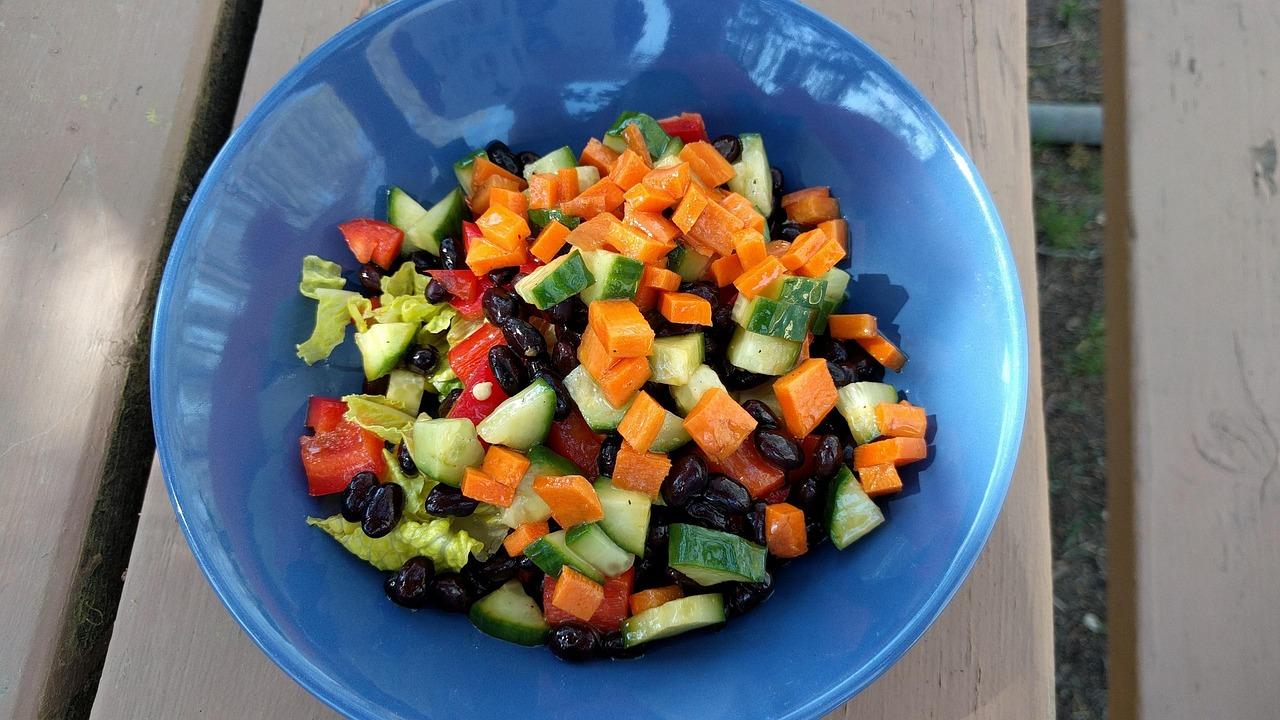
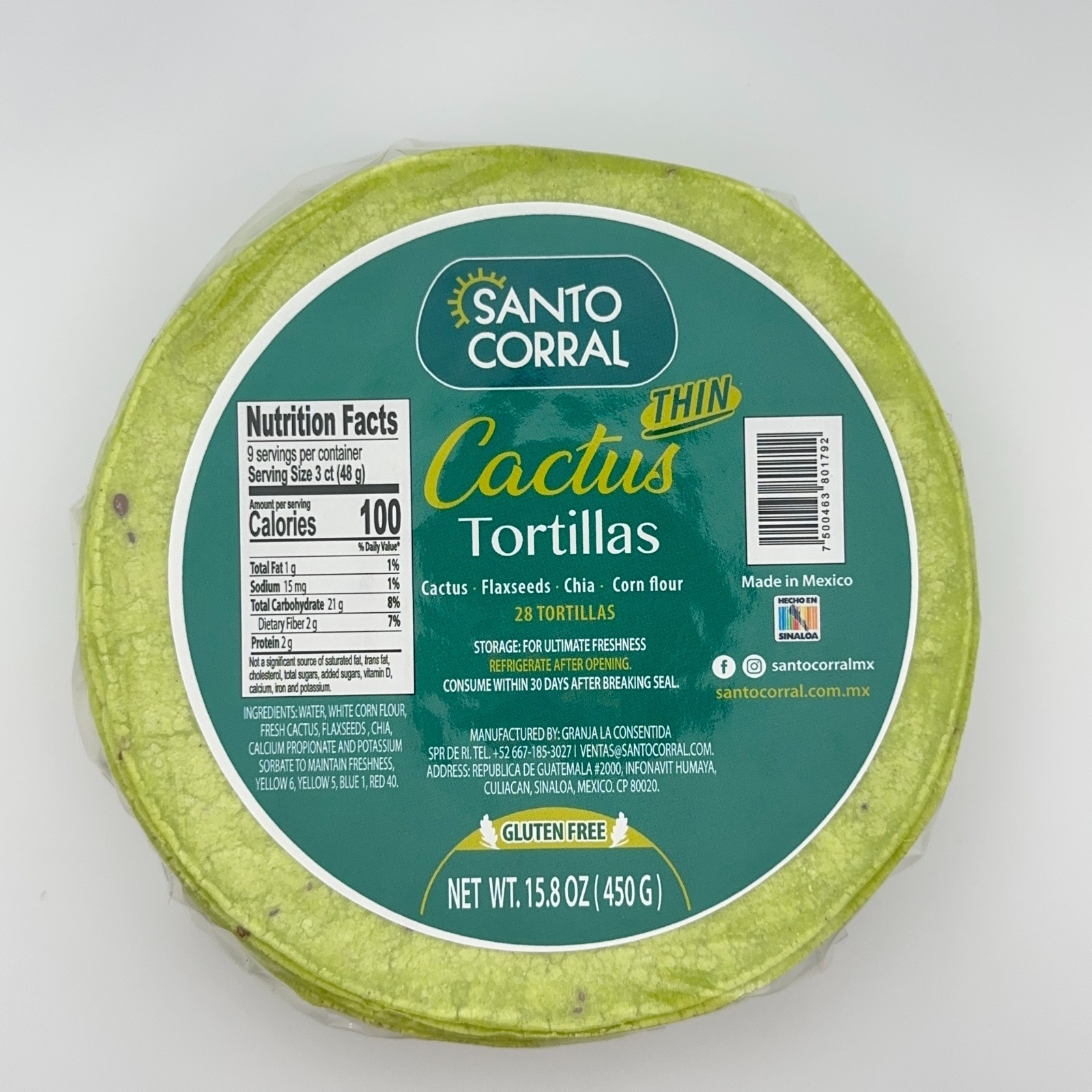
Whole wheat or gluten-free tortillas filled with black beans,salsa,avocado,and spinach make a savory,high-protein breakfast wrap. Black beans, a staple of traditional diets, provide ample fiber, zinc, and resistant starch, which benefit gut motility and metabolic function (NCBI: Black Beans and Health). include non-starchy vegetables to further increase vitamin content and polyphenol antioxidants.
- Protein (per wrap): 12-15 grams
- Key micronutrients: Folate, potassium, magnesium, fiber
Special Considerations for Dietary Restrictions and Preferences
Gluten-Free Diets
Gluten intolerance, whether caused by celiac disease or non-celiac gluten sensitivity, necessitates careful selection of grains and grain-like seeds. Amaranth, quinoa, millet, buckwheat, and certified gluten-free pseudocereals provide safe, nutrient-dense options (Celiac Disease foundation).
Plant-Based and Vegan Diets
For those who avoid animal products,careful planning is necessary to obtain adequate dietary protein,vitamin B12 (via fortified foods),calcium,and omega-3 fatty acids. Plant-based yogurts, fortified cereals, and legume-containing dishes fulfill these requirements (Harvard: Vegetarian Diets).
Low FODMAP and Digestive Sensitivity
Individuals with irritable bowel syndrome (IBS) or other functional GI disorders may need to restrict fermentable oligo-, di-, monosaccharides, and polyols (FODMAPs). Quinoa, chia, buckwheat, and certain fruits (strawberries, blueberries) are often well-tolerated (Monash University FODMAP Diet).
How to Meal prep for a Nutrient-Dense Week
For busy mornings, advance readiness can make healthy eating the default.Batch-cook grains or legumes, portion ingredients into single-serve containers, and keep toppings or condiments on hand so that breakfasts take mere minutes to assemble. This strategy is shown to effectively increase dietary quality and adherence to nutrition goals.
- Batch-cook quinoa, millet, or buckwheat for the week and store in airtight containers.
- Pre-pack chia puddings, overnight amaranth, or smoothie sachets for rapid morning assembly.
- Freeze lentil muffins or bean wraps for grab-and-go convenience.
- Stock a diverse topping bar: seeds, nuts, dried and fresh fruit, nut butters, yogurts.
The Role of Breakfast in Metabolic and Cognitive Health
Breakfast composition has ramifications beyond daily energy. According to longitudinal cohort studies, skipping breakfast is linked to higher risks of type 2 diabetes, stroke, and adverse cardiometabolic profiles. Additionally,brain imaging studies indicate that balanced,nutrient-dense breakfasts support attention and working memory in children and adults (NCBI: Nutrition and Cognition).
Ensuring breakfasts are rich in protein, whole grains (beyond just oats), and a fruit or vegetable component contributes to glycemic stability and longer-lasting mental stamina throughout the day. Individuals who consistently consume nutrient-dense,non-traditional breakfasts report better satiety and energy management,which may support improved workplace productivity and school performance (CDC: The importance of Breakfast).
Expert Tips for Building Your Own Nutrient-Dense Breakfast
- Always include a high-fiber food: Choose whole grains, seeds, or legumes as your base.
- Combine protein, slow-release carbohydrate, and healthy fats: This blend provides satiety and stable blood sugar (Mayo clinic: Healthy Diet).
- add color: The more varied the fruits and vegetables, the more diverse the micronutrient and antioxidant intake.
- Use fortified plant-based milks and yogurts if avoiding dairy: Check for calcium, vitamin D, and B12 fortification.
- Flavor with herbs, spices, and natural sweeteners: Cinnamon, ginger, and cardamom add flavor without excess sugar.
Sample 3-Day nutrient-Dense Breakfast Plan (Egg-free & Oat-Free)
| Day | Breakfast | nutritional Highlights |
|---|---|---|
| Monday | Chia seed pudding with almond milk, blueberries, and pumpkin seeds | High in ALA omega-3, calcium, fiber, vitamin C |
| Tuesday | Buckwheat pancakes topped with peanut butter and sliced pear; side of Greek yogurt | Protein, manganese, potassium, probiotics |
| Wednesday | Quinoa bowl with strawberries, ground flaxseed, sunflower seeds, and plant yogurt | All essential amino acids, lignans, folate, iron |
Common Pitfalls and Best Practices
- Beware of added sugars: Even healthy-sounding breakfast items may contain meaningful added sugar; stick to whole fruit or minimal sweeteners for glycemic control.
- Choose whole foods over refined: Many gluten-free products are made from white rice or starches with little nutritional value (NCBI: Gluten-Free Processed Foods).
- Ensure sufficient protein: Especially if avoiding eggs, dairy, and meat, focus on legumes, soy products, and protein-rich grains and seeds.
- Diversify your diet: Rotate diffrent grains,fruits,and protein sources throughout the week to maximize nutrient intake and microbiome health.
Conclusion
Breaking away from the usual eggs-and-oats paradigm can open a world of culinary and nutritional possibilities. There is an array of nutrient-dense, evidence-supported breakfasts that foster metabolic, cognitive, and gastrointestinal health.Integrating foods such as quinoa,buckwheat,legumes,millet,seeds,and diverse fruits ensures broad-spectrum micronutrient sufficiency,enhances dietary satisfaction,and helps build lifelong healthy habits. By leveraging the latest nutrition science, you can optimize your breakfast for health, longevity, and enjoyment-without ever relying on eggs or oats.
Further Reading and Resources
- Harvard Health: The Importance of a Healthy Breakfast
- WHO: Healthy Diet Factsheet
- NCBI Full-Text Resources
- Mayo Clinic: Nutrition FAQ
- NHS: Eat Well Guide