



<img class="vimage_class" src="https://healthblog.s3.eu-north-1.amazonaws.com/wp-content/uploads/2025/11/22024423/79440.jpeg" alt="risky drug interactions“>
Introduction
Medication safety is a cornerstone of both personal and public health,especially as the prevalence of polypharmacy rises globally among adults and older populations. With over half of American adults taking at least one prescription medication and a meaningful proportion taking multiple drugs simultaneously, the risk of adverse drug interactions increases. These interactions can lead to serious complications, ranging from reduced therapeutic efficacy to severe, life-threatening adverse events. According to the U.S. Food & Drug Administration (FDA), drug interactions are a leading cause of preventable medication errors, hospitalizations, and even mortality. Therefore, it is crucial for individuals and caregivers to understand, recognize, and manage potential drug interactions at home to protect thier health.
What are Drug interactions?
drug interactions occur when the effect of one medication is altered by the presence of another substance, which may include other drugs, supplements, foods, or even beverages. Interactions may amplify, diminish, or alter the expected pharmacological effect, perhaps leading to adverse events or therapeutic failure. The National Library of Medicine’s MedlinePlus defines three primary types of drug interactions:
- Drug-Drug Interactions (DDIs): Occur when two or more drugs (prescription, over-the-counter, herbal, or illicit) interact, altering effects and increasing toxicity or reducing efficacy. (source).
- Drug-Food/beverage Interactions: Certain foods or drinks (such as grapefruit juice) can affect drug metabolism, absorption, or elimination.
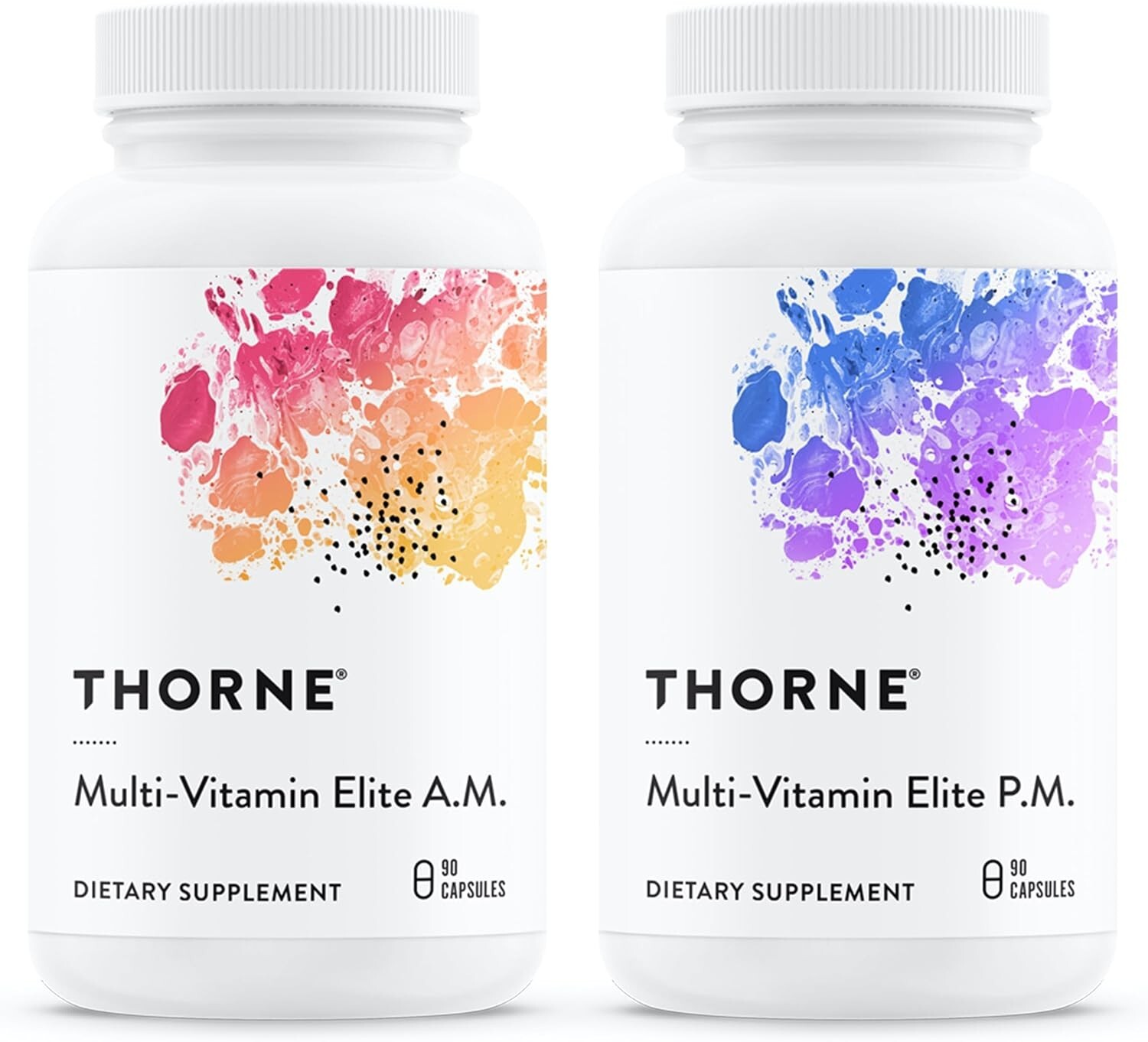
- Drug-Supplement Interactions: Herbal or dietary supplements may interact with prescription or OTC medications, influencing pharmacodynamics or pharmacokinetics.
Understanding these categories is essential for proactive management and prevention of harm at home.
Why Drug Interactions Matter: Epidemiology and impact
The prevalence of drug interactions is a significant concern in clinical practise and home care alike.Polypharmacy, defined as the concurrent use of five or more medications, is especially common among older adults, with nearly 40% of Americans aged 65 and older affected.Pharmaceutical interactions are associated with an estimated 100,000 hospitalizations annually in the United States alone. The consequences range from minor nuisance symptoms, like digestive discomfort, to major complications, including cardiac arrhythmias, internal bleeding, organ failure, and death (The Lancet).
Drug interactions might potentially be especially harmful among individuals with comorbidities, such as diabetes, cardiovascular disease, cancer, or chronic kidney disease, underscoring the importance of prevention in vulnerable populations (Harvard health Publishing).
Types of Drug Interactions
1. Pharmacodynamic Interactions
Pharmacodynamic interactions involve the direct effect of one drug on the action of another at its site of activity. These may be:
- Synergistic: Two drugs with similar effects increase the risk of overdose or toxicity. Such as, the concomitant use of benzodiazepines and opioids can cause dangerous respiratory depression (CDC).
- Antagonistic: One medication diminishes or negates the effect of another. As an example, NSAIDs can reduce the antihypertensive efficacy of certain blood pressure medications (pubmed).
2. Pharmacokinetic Interactions
These occur when one drug affects the absorption, distribution, metabolism, or elimination of another. Common mechanisms include:
- Enzyme Induction/Inhibition: Drugs metabolized by the same cytochrome P450 enzymes may compete or alter metabolism speed. St. John’s Wort, such as, induces CYP3A4 and can reduce the effectiveness of oral contraceptives (PubMed Central).
- Altered Absorption: Calcium supplements or antacids may impair the absorption of certain antibiotics (such as tetracyclines or fluoroquinolones).
- Altered Excretion: Some drugs may compete for renal elimination pathways, leading to toxic accumulation.
Common Drug Interaction Scenarios at Home
Many dangerous drug interactions happen not just in hospitals or clinics but in the home, especially when patients combine prescription medications, over-the-counter (OTC) remedies, herbal products, and dietary supplements without medical guidance. Below are some frequently encountered scenarios:
- Pain Relief and Blood Thinners: Aspirin or NSAIDs (ibuprofen) with warfarin, clopidogrel, or apixaban increases bleeding risk (Mayo Clinic).
- Antibiotics and Oral Contraceptives: Certain antibiotics may reduce contraceptive effectiveness, although this is less common than previously thought (PubMed central).
- SSRIs and Migraine Medications: Combining selective serotonin reuptake inhibitors (ssris) with triptans may increase serotonin syndrome risk (FDA).
- ACE Inhibitors and Potassium Supplements: Risk of hyperkalemia, especially in patients with renal dysfunction.
- Statins and Grapefruit Juice: Can increase statin blood levels, risking rhabdomyolysis (Harvard Health).
- Herbal Products and Chemotherapy Agents: herbal supplements (e.g., garlic, ginkgo, ginseng) may interact adversely with cancer drugs, altering efficacy or toxicity (national Cancer Institute).
High-Risk Populations and Vulnerabilities
Certain populations are more vulnerable to dangerous drug interactions due to underlying health status, age, or the complexity of their care. These include:
- Elderly adults: Polypharmacy is prevalent; age-related changes in drug metabolism (pharmacokinetics) and increased comorbidities increase risk (PubMed Central).
- Individuals with Chronic Diseases: multiple specialists may prescribe medications, raising the risk of uncoordinated pharmacotherapy.
- Pediatric Patients: Dosage calculation errors and immature organ systems affect drug clearance (StatPearls).
- Pregnant Women: Pregnancy alters pharmacokinetics and many drugs are teratogenic (PMC).
1.Maintain an Accurate Medication Record
Create a comprehensive, up-to-date list of all medications – including prescription drugs, OTC products, vitamins, minerals, and herbal supplements. Share this list with every healthcare provider, particularly when starting a new treatment.
2. Use a Single Pharmacy When Possible
Filling prescriptions at one pharmacy allows pharmacists to detect potential interactions using electronic drug interaction systems (Medical News today).
3. Read medication Labels and Patient Information Leaflets
Carefully review packaging and informational inserts for warnings about common interactions or contraindicated substances. Many medications specifically reference foods, beverages, or other drugs to avoid.
4. Consult Healthcare Professionals before Adding or Changing Medications
Never start, stop, or modify dosing without consulting a healthcare practitioner or pharmacist. Some interactions may require clinical monitoring, lab tests, or dosage adjustments.
5. Use Technology and Interaction Checkers
Utilize reputable online drug interaction checkers from trusted medical authorities such as the MedlinePlus or FDA.
6. Be Cautious with herbal and Dietary Supplements
Natural does not always mean safe.Supplements can exert strong pharmacological effects and interact with prescription medications. Always inform your provider about all supplements and herbal remedies in use (NIH).
7.Store Medications Safely and Organize Doses
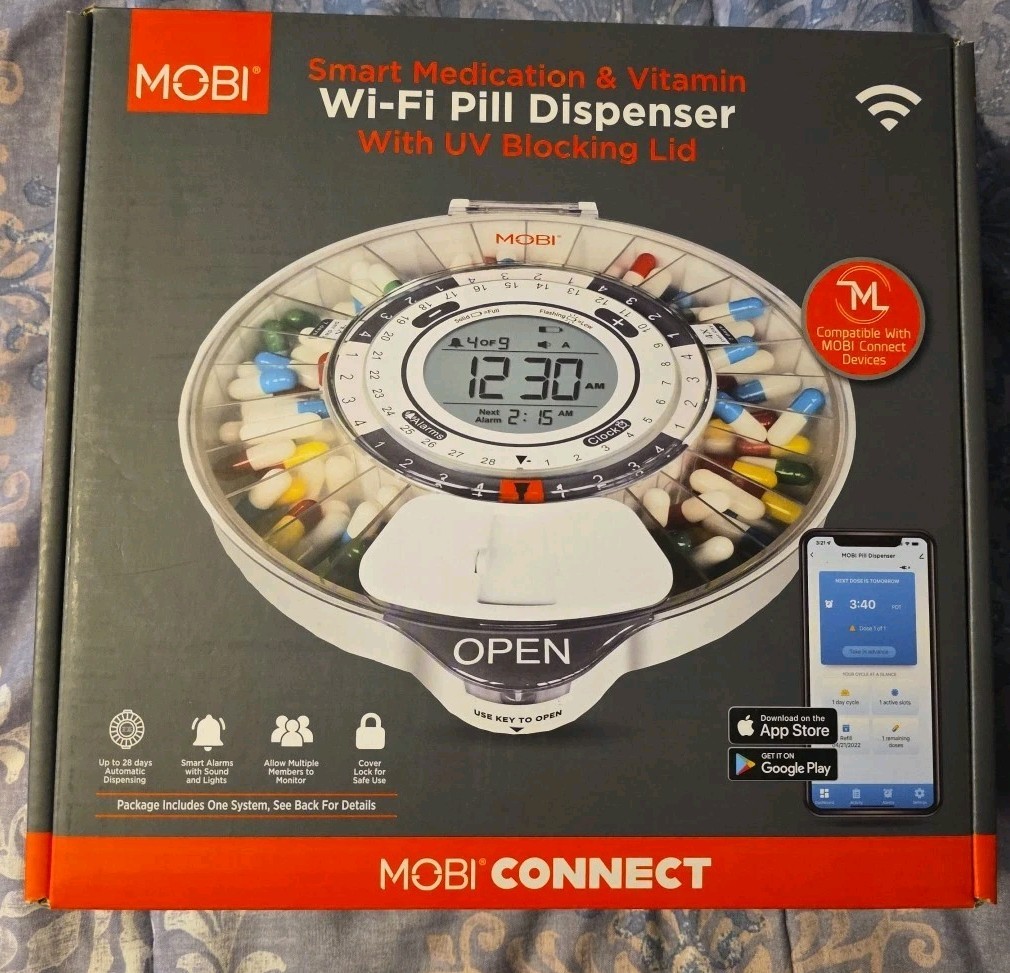
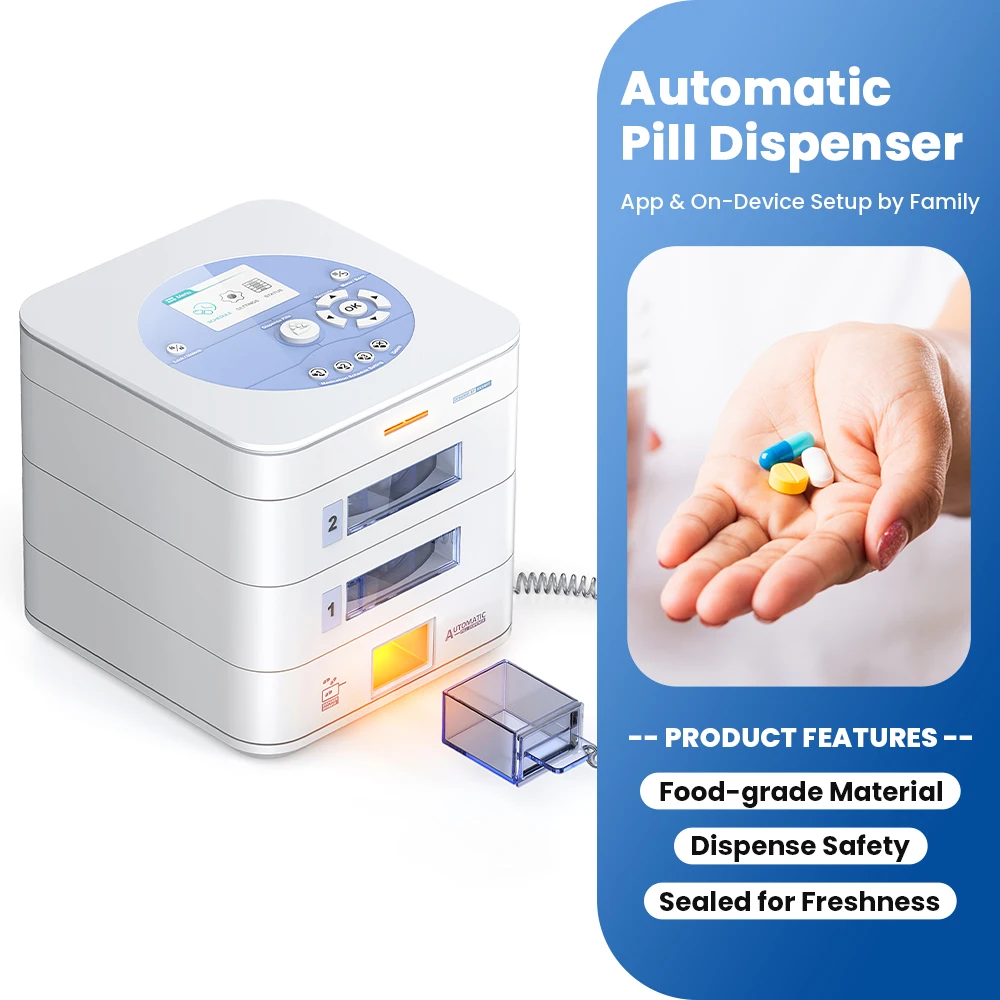
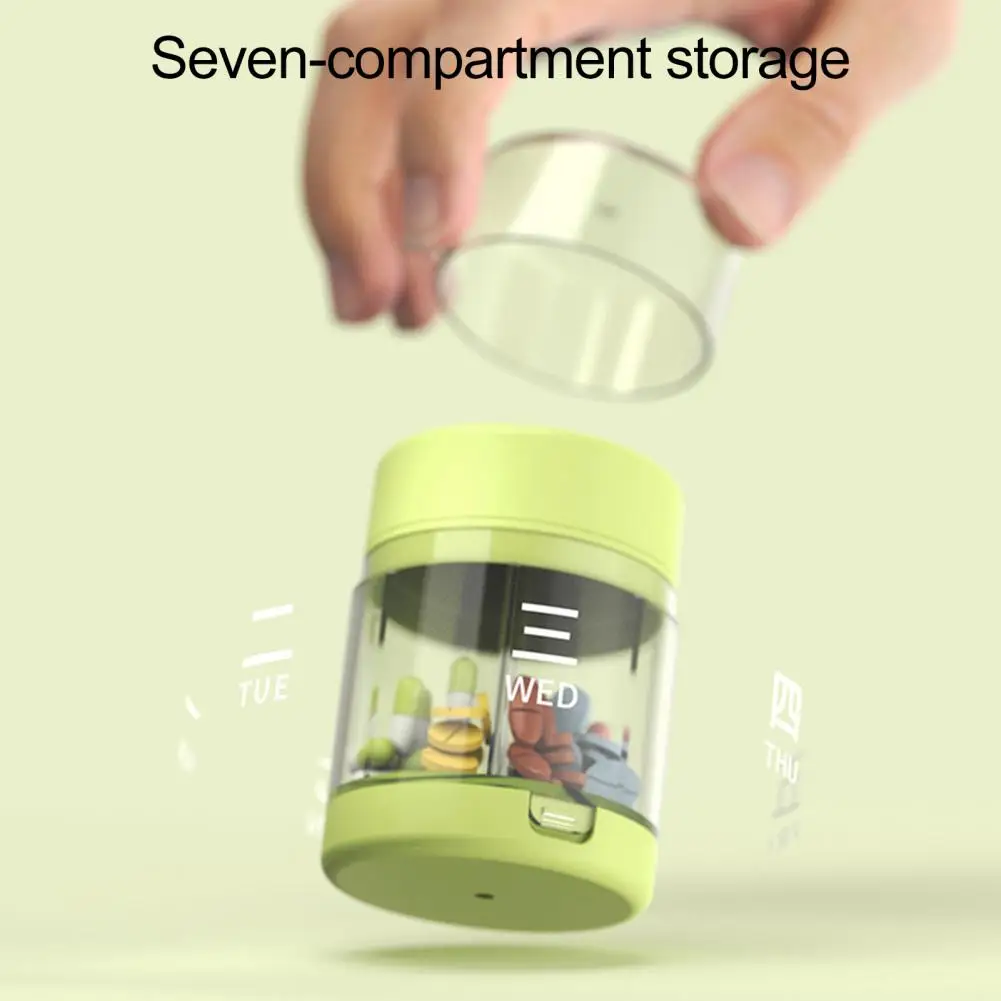
Use pill organizers or medication management systems to reduce confusion, missed doses, and accidental duplicate dosing. Proper storage also prevents accidental mixing or ingestion by children or pets (CDC Medication Safety program).
8. Monitor for Symptoms of Adverse Reactions
Be vigilant for signs suggestive of an adverse interaction, such as sudden weakness, unexplained bleeding, abnormal heart rhythms, confusion, dizziness, rash, or persistent gastrointestinal symptoms. Recognize that not all side effects are immediate and some may develop with prolonged use or cumulative exposure. Seek prompt medical attention if severe symptoms arise.

Case studies: Real-World Examples of Dangerous Drug Interactions
1. Bleeding Risk: Warfarin and NSAIDs
A 68-year-old male taking warfarin for atrial fibrillation presents with gastrointestinal bleeding.He had been self-medicating with over-the-counter ibuprofen for arthritis pain. This combination significantly raises gastrointestinal and systemic bleeding risk, as documented in the FDA consumer update.
2. Serotonin Syndrome: Antidepressants and Migraine Medications
A young female taking an SSRI for depression develops confusion and muscle rigidity after using sumatriptan for migraine. Serotonin syndrome, though rare, is a potentially life-threatening result of these medications’ combined serotonergic effects (StatPearls).
3. Reduced Contraceptive Efficacy: Antibiotics and Oral Contraceptives
A woman becomes pregnant while taking a course of rifampin for tuberculosis. Rifampin is a known inducer of liver enzymes,significantly lowering oral contraceptive effectiveness (Mayo Clinic).
The Role of Pharmacists in Preventing Drug Interactions
Community pharmacists are a critical line of defense against unsafe drug combinations. They employ drug interaction screening tools, review medication regimens, and provide education to patients about what to watch for. Pharmacists can offer guidance regarding:
- Potential interactions with new prescriptions or OTC purchases.
- Safe administration timing (e.g., separating doses of conflicting drugs).
- De-escalation of needless polypharmacy (PubMed Central).
Leveraging your pharmacy’s consultative resources is a proven strategy for at-home medication safety (CDC).
Understanding Medication Information Sources
Accessing reliable sources for information is essential. Always seek guidance from:
- FDA drug Interactions Page
- Harvard Health: Drug Interactions
- Mayo Clinic Drug and Supplement Finder
- MedlinePlus Drug Information
Do not rely on anecdotal advice, unverified online forums, or information from non-medical personnel.
Detecting and Managing Drug Interactions: Practical Tools and Apps
Digital health tools have made it easier for patients to proactively manage their medication regimens and detect possible dangerous interactions. Notable resources include:
- Medscape Drug interaction Checker: Comprehensive and regularly updated.
- WebMD Interaction Checker: User-amiable interface with insights into drug, food, and supplement interactions.
- Mobile Apps: many pharmacy chains offer apps for prescription management, reminders, and drug feature summaries, such as GoodRx and Drugs.com Interactions Checker.
However, these digital resources should supplement, not replace, consultation with qualified healthcare professionals.
Special Considerations: Foods, Alcohol, and Lifestyle Products
Non-prescription substances-frequently enough encountered in routine life-may also alter drug effectiveness or safety:

- Grapefruit Juice: Inhibits intestinal CYP3A4, raising levels of dozens of medications, especially statins and some antihypertensives (FDA).
- Alcohol: May cause dangerous CNS depression in combination with sedatives, and increase hepatotoxicity with drugs like acetaminophen (CDC).
- Caffeine: Some antibiotics and psychiatric medications may increase caffeine’s side effects; in turn, caffeine can impact certain antipsychotic drugs.
- Over-the-counter cold remedies: Often contain multiple active ingredients, risking antihistamine/anticholinergic overload or overdose.
Always review medicine leaflets and ask about potential interactions with foods and commonly used household products.
Frequently asked Questions
Can interactions occur with vitamins and supplements?
Yes, multivitamins and “natural” supplements such as St. john’s Wort, ginkgo biloba, and fish oil can affect drug metabolism and efficacy. For example, high doses of vitamin K may counteract warfarin (Mayo Clinic).
What should I do if I suspect a drug interaction?
Contact your healthcare provider or pharmacist promptly. Stop the suspected medication only on professional advice. If you have severe allergic reactions, chest pain, seizures, uncontrolled bleeding, or respiratory distress, seek emergency care instantly (CDC).
Are OTC products and herbal supplements less dangerous?
No. Many adverse drug interactions originate with seemingly harmless nonprescription treatments. Always disclose all products to your healthcare provider.
how can I reduce my risk if I take many medications?
Regularly review your medication list with your providers. Ask about deprescribing when possible. Use a single pharmacy and consider a medication therapy management (MTM) program (CDC MTM).
Conclusion: Empowering Safe Medication Practices at Home
Drug interactions are a significant, yet preventable, risk beneath the surface of everyday medication use. proactive steps – such as maintaining a robust medication record, using a single pharmacy, consulting healthcare professionals before changes, leveraging interaction-checking tools, and vigilantly monitoring for adverse effects – form the bedrock of medication safety at home.
Ultimately, patient empowerment through accurate information and collaboration with trusted health professionals is key to preventing dangerous drug interactions. By taking these precautions, individuals can benefit from the remarkable power of modern medicine while minimizing its risks.
If you are ever uncertain about the safety of your medication regimen, prioritize dialog with your healthcare team. Your vigilance is your greatest safeguard.