

How to Build a Simple Daily Meal Plan That Supports Health
Introduction
The global rise in non-communicable diseases such as obesity, diabetes, cardiovascular disease, and certain cancers underscores the urgent need for effective strategies in preventive health. Dietary factors play a central role in either mitigating or escalating these risks, with suboptimal nutrition identified as a leading contributor to morbidity and mortality worldwide (the lancet global Burden of Disease Study).Building a simple, sustainable daily meal plan rooted in evidence-based guidelines is an accessible intervention that empowers individuals to take charge of their health. This article provides a comprehensive, step-by-step framework for constructing a daily nutritional plan, supported by the latest research, clinical guidelines, and practical recommendations.
Key Principles of Healthy Meal Planning
Constructing an effective meal plan requires more than calorie counting. It involves understanding nutrient density, food group variety, portion control, and the latest medical research linking dietary patterns to health outcomes (World Health Institution: Healthy Diet). The following foundational principles guide the creation of any balanced meal plan:
- Diversity: Incorporate foods from all major food groups to ensure a wide range of micronutrients and macronutrients (CDC: Healthy Eating Patterns).
- Moderation: Portion control is crucial, especially for calorie-dense foods high in sugar, fats, and sodium.
- Nutrient Density: Prioritize whole foods over ultra-processed alternatives, focusing on foods packed with vitamins, minerals, fiber, and healthy fats (Healthline: Nutrient-Dense Foods).
- Personalization: Plans should respect individual preferences,cultural traditions,medical conditions,and lifestyle needs (NIH: Adapting to Diet Preferences).
Understanding Nutritional Requirements
Dietary requirements differ according to age, sex, physical activity level, and medical status. however, several accepted standards—like the Dietary Reference Intakes (DRIs) established by the National Academies of Sciences, Engineering, and medicine—provide general guidance on recommended daily allowances for macronutrients and micronutrients (NIH: Dietary Reference Intakes).
| Macronutrient | Recommended Intake (% of daily calories) | Primary Functions | Major Sources |
|---|---|---|---|
| Carbohydrates | 45–65% | Energy provision, especially for brain and muscles | Whole grains, fruits, vegetables, legumes |
| Proteins | 10–35% | Muscle repair, immune function, enzyme synthesis | Lean meats, fish, eggs, legumes, soy, dairy |
| Fats | 20–35% | Cell structure, hormone production, vitamin absorption | Nuts, seeds, avocado, oily fish, healthy oils (olive, canola) |
Micronutrient requirements (e.g., iron, calcium, vitamin D) are equally meaningful and can vary significantly among populations (Mayo Clinic: Vitamins and Nutrients).
The Evidence Supporting Balanced Eating Patterns
Long-term epidemiological studies consistently associate balanced dietary patterns—such as the Mediterranean, DASH (Dietary Approaches to Stop Hypertension), and plant-forward diets—with lower rates of chronic disease, improved weight management, and better overall prognosis for people with comorbidities (JAMA: Mediterranean and DASH Diets). These diets emphasize:
- abundant intake of vegetables and fruits
- Whole grains as primary carbohydrate sources
- Lean protein,including fish,legumes,and poultry
- Healthy fats,predominantly from plant sources
- Limited added sugars,refined grains,and processed meats
A meta-analysis published in the British Medical Journal confirms that adherence to such dietary patterns is linked to reduced cardiovascular events, improved glycemic control, and a favorable lipid profile.
Step-by-Step Guide to Building a Simple Daily Meal Plan
The following structured approach integrates scientific evidence with practical recommendations to simplify meal planning while maximizing health benefits.
1. Assess Your Energy and Nutrient needs
The first step involves estimating your daily caloric requirements, wich depend on basal metabolic rate (BMR), activity level, age, sex, and health goals (e.g., maintenance, weight loss, muscle gain) (CDC BMI and Calorie Calculator). For adults, typical energy needs range from 1,600–3,000 calories per day, but highly individualized calculations are advised.
2. allocate Calories Among Macronutrients
Once caloric goals are set, divide energy among carbohydrates, proteins, and fats per the general guidelines above (NHS: Food Types and nutritional facts).
3. Select a Framework: The Plate Method
The “Plate Method” provides a visual and practical basis for a balanced meal: fill half your plate with non-starchy vegetables, one quarter with lean protein, and one quarter with whole grains or starchy vegetables (Harvard School of Public Health: Healthy Eating Plate). This method encourages variety and proportionality while minimizing decision fatigue.

4. Structure Your Meals and Snacks
Most daily meal plans include three main meals (breakfast, lunch, dinner) and one or two small, nutritious snacks. Consistency in timing helps regulate appetite, blood sugar, and enhances metabolism (Medical News Today: Meal Timing and Health).
- Breakfast: Emphasize fiber and protein to sustain morning energy.
- Lunch: Focus on vegetables, lean proteins, and complex carbs for lasting satiety.
- Dinner: keep portions appropriate; emphasize lighter proteins and non-starchy vegetables.
- Snacks: Choose fruits,nuts,yogurt,or raw vegetables as nutrient-rich options.
5. Optimize Food Choices for Each Group
- Vegetables: Dark leafy greens (spinach, kale), cruciferous (broccoli, Brussels sprouts), root (carrots, beets); aim for 5+ servings daily (Harvard Nutrition Source: Vegetables & Fruits).
- Fruits: Berries, apples, oranges, bananas; prioritize whole fruits over juices for fiber content.
- Proteins: Skinless poultry, fish (especially fatty fish rich in omega-3s), eggs, tofu, legumes, low-fat dairy.
- Whole Grains: Brown rice, whole wheat bread, quinoa, oats, barley.
- Healthy Fats: Avocado, nuts, seeds, extra-virgin olive oil; limit saturated and trans-fat intake.
- Fluids: Water is the beverage of choice; herbal teas and limited coffee are acceptable. Avoid sugar-sweetened beverages (CDC: Limit added Sugars).
6. Address Special Considerations
Certain groups have unique nutritional needs.For example,older adults require more calcium and vitamin D,while pregnant women need extra folic acid and iron (NHS: Pregnancy Nutrition Guidelines). Individuals with medical conditions (e.g., diabetes, celiac disease, food allergies) should consult with a registered dietitian to tailor their meal plans accordingly (Academy of Nutrition and Dietetics: Personalized Nutrition Care).
Sample Simple Daily Meal Plan
Below is a sample meal plan for an average healthy adult requiring 2,000 calories per day, incorporating the evidence-based principles discussed above. This should be adapted as per individual nutritional needs and preferences.
| Meal | Sample Food Choices | Nutrition Rationale |
|---|---|---|
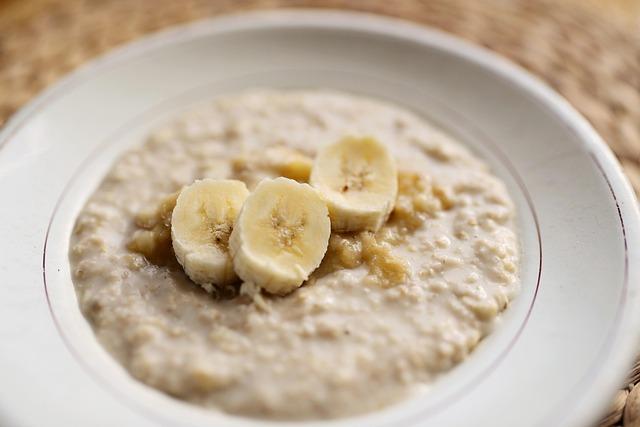
| Breakfast | Oatmeal with blueberries and walnuts; low-fat milk; black coffee | High fiber, antioxidants, healthy fats, calcium, moderate caffeine |
| Snack | Apple slices with natural peanut butter | Fruit fiber and vitamins, plant-based protein, healthy fats |
| Lunch | Grilled chicken salad with mixed greens, tomatoes, quinoa, olive oil vinaigrette | Lean protein, phytonutrients, complex carbohydrates, omega-9 fat |
| Snack | greek yogurt with sunflower seeds and sliced kiwi | Probiotics, high-quality protein, micronutrients |
| Dinner | Steamed salmon, brown rice, roasted broccoli and carrots | Omega-3 fats, fiber, B vitamins, vitamin A and C |
| Fluids | Water throughout the day; herbal tea after dinner | Hydration, minimal empty calories |
This plan can be adapted for vegetarian, vegan, gluten-free, or culturally specific diets by substituting relevant ingredients while maintaining nutritional balance (American Heart Association: Plant-Based Eating Patterns).
Common Pitfalls and How to Avoid Them
- Relying on Processed Foods: Frequent consumption of highly processed foods is linked with inflammation, metabolic syndrome, and increased all-cause mortality (BMJ: Ultra-processed Foods and Health Risks).
- skipping Meals: Irregular food intake may negatively impact glycemic control and energy levels, notably in individuals with diabetes (NIH: Meal Timing and Heart Disease Risk).
- Excess Added Sugar and Salt: Limit sodium to less than 2,300 mg/day and keep added sugars under 10% of daily calories (FDA: Sodium in Your Diet).
- Ignoring Liquid Calories: Sugar-sweetened beverages, juices, and alcoholic drinks can contribute significant hidden calories.
Personalization and Planning for Success
A sustainable meal plan is flexible and accommodates preferences, food intolerances, and cultural influences. Key strategies for lasting change include:
- Meal Prepping: Prepare and portion meals ahead of time to minimize impulsive, less healthy choices (Harvard Health: Meal Planning Made Simple).
- Smart Shopping: Stock your kitchen with nourishing staples—whole grains, canned beans, frozen/fresh vegetables and fruits, healthy oils, nuts.
- Mindful Eating: Focus on enjoying meals without distractions to better register hunger and fullness cues (Mayo Clinic: Mindful Eating).
- Ongoing Evaluation: Tweak your plan as needed. Use food diaries or smartphone apps to monitor progress and stay accountable (Medical News Today: Best Apps for meal Planning).
Integrating Meal Planning with Medical Conditions
Customized meal plans improve management of chronic conditions. For example, low-glycemic load diets aid diabetes control, and the DASH diet is recognized as first-line therapy for hypertension (National Heart, Lung, and Blood Institute: DASH Diet). For those on anticoagulation therapy, regular vitamin K intake is crucial (Mayo Clinic: Warfarin and Your Diet).Consultation with a board-certified dietitian or registered healthcare provider is strongly recommended for personalized medical nutrition therapy.
Conclusion
A simple daily meal plan, structured around current scientific guidelines, is a powerful tool for disease prevention, energy optimization, and improved quality of life. By emphasizing variety, moderation, and evidence-based food choices, individuals can create eating patterns that foster long-term health. While personalization is key, overarching principles remain universal: balance, adequacy, and sustainability. For the best outcomes, regularly consult reliable sources, seek guidance from qualified healthcare professionals, and remain attentive to the body’s evolving needs.
For further support, consider reviewing comprehensive dietary guidelines from leading health authorities such as the World Health Organization, Centers for Disease Control and Prevention, and NHS.
References
- Global Burden of Disease—The Lancet
- WHO—Healthy Diet Fact Sheet
- CDC—Healthy Eating Patterns
- BMJ—Mediterranean and DASH Diets
- NIH—Dietary reference intakes
- harvard Health—Meal Planning Made Simple
- NHLBI—DASH Eating Plan