
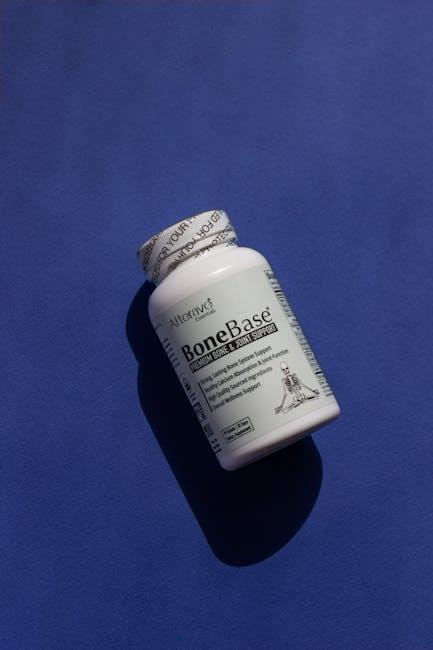

What to Eat to Support Joint Health and Reduce Pain
Introduction
Joint health is a cornerstone of overall mobility and quality of life. As populations age and teh prevalence of musculoskeletal conditions such as osteoarthritis, rheumatoid arthritis, and general joint discomfort rises, the importance of evidence-based strategies for maintaining joint function and reducing pain has never been greater.According to the Centers for disease Control and Prevention (CDC), over 54 million adults in the United States have some form of arthritis, underlining its notable public health impact.Dietary interventions represent a compelling, accessible, and adjunctive approach for joint care, supporting both symptom relief and structural integrity. This thorough article, grounded in clinical evidence, explores the nutrients, foods, and dietary patterns that may aid in supporting joint health and reducing pain.
Understanding Joint Health: anatomy, Physiology, and Pathophysiology
Joints constitute the anatomical junctions where two or more bones meet, providing structural support and facilitating movement. The critical components of a joint include articular cartilage (a smooth,lubricating tissue covering bone),the synovial membrane (lining the joint capsule and producing synovial fluid),ligaments,tendons,and the subchondral bone. Common joint pathologies frequently enough stem from a breakdown in these structures, chiefly due to inflammatory processes, mechanical wear and tear, or autoimmune-mediated damage.
The pathophysiology of joint pain frequently involves both local and systemic inflammatory responses, oxidative stress, cartilage degradation, and altered joint biomechanics. For example, osteoarthritis, the most prevalent form of arthritis, is characterized by progressive cartilage loss, subchondral bone changes, and mild synovial inflammation (PubMed).
The Link Between Diet and Joint Health
A growing body of research demonstrates that diet—in particular, the intake of certain macro- and micronutrients—plays a pivotal role in modulating inflammation, supporting tissue repair, and influencing disease progression in joint disorders (Harvard Health). Dietary choices can either exacerbate or ameliorate the risk of chronic inflammation,oxidative damage,and metabolic dysregulation affecting the joints.
Key mechanisms by which diet influences joint health include:
- Regulation of systemic and local inflammation via modulation of cytokine production and immune cell activity.
- Antioxidant defense to combat reactive oxygen species (ROS) that damage synovial tissue and cartilage.
- Matrix remodeling by supplying precursors for cartilage synthesis and repair.
- Weight management, as excess body fat increases joint load and adipose-derived pro-inflammatory mediators (NCBI).
- Influence on gut microbiota, which in turn affects systemic inflammation and immune homeostasis.
Key Nutrients for Joint Health
Scientific research highlights several nutrients with particular relevance to joint structure, function, and pain modulation.
1. Omega-3 Polyunsaturated Fatty Acids (PUFAs)
Omega-3 fatty acids, especially eicosapentaenoic acid (EPA) and docosahexaenoic acid (DHA) found in oily fish, walnuts, chia, and flaxseeds, exhibit strong anti-inflammatory properties.Data from multiple clinical trials and meta-analyses suggest supplementation with omega-3s can significantly reduce joint pain and stiffness, especially in rheumatoid arthritis (NCBI). These fatty acids inhibit the production of pro-inflammatory eicosanoids and cytokines while supporting the integrity of cell membranes in the synovium and cartilage.
- Sources: Salmon, sardines, mackerel, anchovies, flaxseed, chia seeds, walnuts.
- Recommended Intake: Aim for 2–3 servings of fatty fish per week, or 250–500 mg EPA/DHA daily through diet or supplements (NIH Office of Dietary supplements).
2. Antioxidants (Vitamins C, E, A, and Polyphenols)
Antioxidants neutralize free radicals, limiting oxidative damage within the joint space. Vitamin C is essential for collagen synthesis, a primary protein in cartilage. vitamin E protects cell membranes from peroxidation. Polyphenols, such as quercetin, curcumin, and resveratrol, dampen inflammatory cascades via modulation of NF-kB signaling (NCBI).
- Sources: Citrus fruits, bell peppers, broccoli (Vitamin C); almonds, sunflower seeds, spinach (Vitamin E); berries, green tea, turmeric, dark chocolate (polyphenols).
- Recommended intake: At least five servings of antioxidant-rich fruits and vegetables daily (CDC).
3. Vitamin D and Calcium
Vitamin D regulates calcium homeostasis, critical for bone health and synovial function.Deficiency may worsen joint pain and increase susceptibility to osteoarthritis progression (Mayo Clinic). Calcium is indispensable for bone density and structural support.
- Sources: Fortified dairy and plant milks, fatty fish, egg yolks, leafy greens.
- Recommended Intake: 600–800 IU/day of vitamin D for adults and 1000–1200 mg/day of calcium (NHS).
4. Collagen and Gelatin
Hydrolyzed collagen and naturally-derived gelatin provide amino acids (notably glycine and proline) essential for cartilage repair and joint cushioning. Controlled trials suggest that collagen supplementation supports reduced pain and improved function in athletes and aging adults (NCBI).
- Sources: Bone broth, gelatinous meats, hydrolyzed collagen supplements.
- Recommended Intake: 10–20 g/day in studies for joint health; consult a healthcare provider before supplementing.
5. Sulfur-Containing Compounds (glucosamine and Chondroitin Sulfate)
These naturally occurring compounds are integral to cartilage structure and joint lubrication. While evidence remains mixed, high-quality systematic reviews indicate modest benefit for pain and structural outcomes, especially in knee osteoarthritis (NCBI).
- Sources: Shellfish, animal cartilage, and supplements.
- Recommended Dose: 1500 mg glucosamine/1200 mg chondroitin daily (Arthritis Foundation).
6. Other Notable Micronutrients (Zinc,Selenium,Magnesium)
Trace elements such as zinc and selenium play crucial roles in immunomodulation and antioxidant defense. Magnesium supports neuromuscular and enzymatic function essential for joint adaptability (NIH ODS).
- Sources: Pumpkin seeds, brazil nuts, legumes, whole grains, leafy greens.
- Ensure a balanced intake according to dietary reference guidelines.
Best Foods to Eat for Joint Support and Pain Reduction
Here, we apply the nutrient science to actionable dietary choices known to promote joint health and minimize pain.
1. Fatty Fish
Regular consumption of fatty fish, such as salmon, sardines, and mackerel, delivers ample EPA and DHA, which are clinically proven to lower inflammatory markers and decrease clinical pain in arthritis patients (Healthline).
2. Colorful Fruits and Vegetables
Berries (blueberries, strawberries), cherries, oranges, bell peppers, spinach, and broccoli offer a spectrum of antioxidants, polyphenols, and vitamins. Anthocyanins in berries and quercetin in apples and onions have shown to inhibit inflammatory enzymes involved in cartilage degradation (Medical News Today).
3. Olive Oil and Avocados
Extra virgin olive oil, a staple of the Mediterranean diet, contains oleocanthal, a phenolic compound with natural anti-inflammatory effects, similar in mechanism to ibuprofen (Harvard Health). Avocados contribute monounsaturated fats, vitamin E, and carotenoids that also protect joint tissues.
4. Nuts and Seeds
Almonds,walnuts,flaxseed,pumpkin seeds,and chia seeds supply plant-based omega-3 fats,vitamin E,and magnesium. Epidemiological research suggests those who consume a diet rich in nuts and seeds have lower circulating inflammatory markers and reduced risk of joint disorders (Medical News Today).
5.Whole Grains and Legumes
Whole grains (such as oats, quinoa, brown rice) and legumes (chickpeas, lentils, beans) provide dietary fiber, which is inversely associated with systemic inflammation and supports a healthy gut microbiome—an emergent modulator of joint inflammation (Harvard Health).
6. Spices and Herbs
Curcumin (from turmeric) and gingerol (from ginger) have well-documented anti-inflammatory and analgesic properties. Meta-analyses indicate that curcumin may reduce pain and stiffness comparable to NSAIDs in people with knee osteoarthritis (JAMA Network).
7. Fermented and Probiotic Foods
Fermented foods such as yogurt, kefir, sauerkraut, and kimchi foster gut microbial diversity and have been shown to influence the immune system, perhaps reducing systemic inflammation and joint pain (Healthline).
8. Bone Broth and Collagen-Rich Foods
Regular consumption of bone broth or supplemental collagen may provide amino acids necessary for cartilage repair. Preliminary trials show modest enhancement in pain and function metrics for some types of arthritis (NCBI).
Foods and Dietary Habits to avoid for Joint Health
While some foods confer measurable benefits to joint health, others cause or exacerbate inflammation and cartilage wear.
- Refined sugars and sweetened beverages: High glycemic load foods increase oxidative stress and promote the production of advanced glycation end products (AGEs), which damage cartilage (Harvard Health).
- Saturated and trans fats: Found in processed meats, fried foods, and baked goods; promote low-grade inflammation and are linked to worsened osteoarthritis outcomes (Arthritis Foundation).
- Red and processed meats: Associated with higher inflammatory biomarkers and may negatively affect cartilage health (CDC).
- Excessive alcohol: Contributes to systemic inflammation and impairs bone mineralization, increasing the risk of osteoporosis and joint degeneration (NHS).
- Ultra-processed foods: Linked to increased risk of chronic diseases with significant inflammatory components (JAMA).
Summary Table: Joint-Supportive and Joint-Detrimental Foods
| Food Group | Examples | Effect on Joint Health |
|---|---|---|
| Omega-3-rich Fish | Salmon, sardines, mackerel | Anti-inflammatory; supports cartilage |
| Colorful Fruits/Vegetables | Berries, citrus, spinach, broccoli | Antioxidant-rich, reduces oxidative stress |
| Nuts/Seeds | Walnuts, flaxseed, chia, almonds | Anti-inflammatory, joint protection |
| Fermented Foods | Yogurt, sauerkraut, kefir | Supports gut/immune health, reduces inflammation |
| Refined Sugars | Pastries, sodas, candy | Promotes inflammation, joint degradation |
| Saturated/Trans Fats | Fried foods, processed meats | Exacerbates inflammation |

The Role of Dietary patterns and Lifestyle Approaches
Examining broader dietary patterns, rather than simply isolated foods or nutrients, offers critical insights into sustainable joint care. Several dietary approaches have demonstrated efficacy for joint health and symptom mitigation:
Mediterranean Diet
The Mediterranean diet is consistently associated with reduced levels of inflammation and lower prevalence of musculoskeletal pain (NCBI). It is indeed rich in fruits, vegetables, whole grains, legumes, nuts, olive oil, and fish, and contains minimal red meat and processed foods.
plant-focused and Flexitarian Diets
Diets emphasizing plant-derived foods, such as antioxidants, fiber, and phytonutrients, have demonstrated anti-inflammatory effects and favorable impacts on pain and function for people with joint disease (Harvard Health). Flexitarian approaches that limit but do not exclude animal-derived foods can also be beneficial.
Weight Management and Joint Load
Obesity is a modifiable risk factor closely tied to development and progression of osteoarthritis and other joint conditions (CDC). Weight loss in overweight individuals significantly reduces load on weight-bearing joints, diminishes inflammatory mediator release from adipose tissue, and improves pain and physical function.
Emerging Research: Gut-Joint Axis and Personalized Nutrition
Research into the gut-joint axis is rapidly evolving. Gut microbiota profoundly influence systemic inflammation and immune tolerance, impacting joint pathology (NCBI). Increasing fermentable fiber, consuming probiotics, and minimizing ultra-processed foods are strategies shown to favorably modulate the gut microbiome and potentially reduce joint pain.
In addition, advances in personalized nutrition—using genetic, epigenetic, and microbiome data to tailor dietary recommendations—are on the horizon for joint disease management (JAMA).
Practical Tips: Crafting a Joint-Healthy Meal Plan
Incorporating evidence-based foods and nutrients can be simple with strategic meal planning.consider the following strategies:
- Integrate omega-3–rich fish into weekly menus.
- Fill half your plate with a variety of colorful fruits and vegetables at each meal.
- Substitute processed snacks with nuts and seeds.
- Use olive oil or avocado oil for dressings and cooking.
- Include whole grains such as oats and quinoa, and increase legumes for plant-based protein.
- Season foods with fresh herbs, turmeric, and ginger for anti-inflammatory benefits.
- Choose low-sugar, probiotic-rich dairy or soy products when possible.
- Limit intake of processed foods, sugary beverages, and red meat to occasional servings.
A sample 1-day meal plan could include oatmeal with berries and walnuts for breakfast, grilled salmon with a leafy green salad and olive oil for lunch, lentil and vegetable stew for dinner, and fresh fruit or unsweetened yogurt as snacks.
Supplements for Joint Health: Evidence and Caveats
Several supplements are frequently marketed for joint care, though it is crucial to assess their evidence base, safety, and regulation. Commonly used supplements include:
- Omega-3 fish oil: Supported by data for inflammatory joint diseases. Seek third-party tested products.
- Glucosamine and chondroitin: Some benefit in osteoarthritis as adjunct therapy (NIH).
- Turmeric (curcumin): Might potentially be helpful for pain relief; look for formulations with enhanced bioavailability.
- Collagen peptides: Promising small trials still require larger, long-term studies (Medical News Today).
Always consult a healthcare professional prior to initiating supplementation, especially for those with comorbidities or taking prescription medications, as interactions and contraindications may exist. The FDA dose not strictly regulate supplements for efficacy or purity.
Special Considerations: Juvenile and Elderly Populations
Nutritional needs for joint health may vary across lifespan:
- Children and adolescents: Require adequate calcium, vitamin D, magnesium, and protein for skeletal growth and musculoskeletal development (CDC).
- Older adults: Face greater risk for osteoarthritis and osteoporosis. Focus should be on anti-inflammatory foods, vitamin D, calcium, and prudent supplementation (CDC).
Comorbidities such as diabetes, cardiovascular disease, and chronic kidney disease may further impact dietary recommendations; personalized guidance from a registered dietitian or rheumatologist is advisable.
Conclusion
An evidence-based approach to joint health emphasizes whole foods rich in anti-inflammatory nutrients, balanced dietary patterns, and lifestyle factors such as physical activity and weight management. Omega-3 fatty acids, antioxidants, vitamin D, calcium, fiber, and plant polyphenols form the core of joint-supportive nutrition, while refined sugars, saturated fats, and ultra-processed foods should be minimized. Recent advances in the understanding of inflammation, oxidative stress, and the gut-joint axis further reinforce the role of dietary choices in optimizing joint health and alleviating pain.
If you are experiencing persistent joint pain or suspect an underlying joint disease, consult with your healthcare provider or a registered dietitian to develop a comprehensive, individualized management plan.For further reading, review the clinical guidelines at the Arthritis Foundation and access educational resources from the National Institutes of health (NIH).