
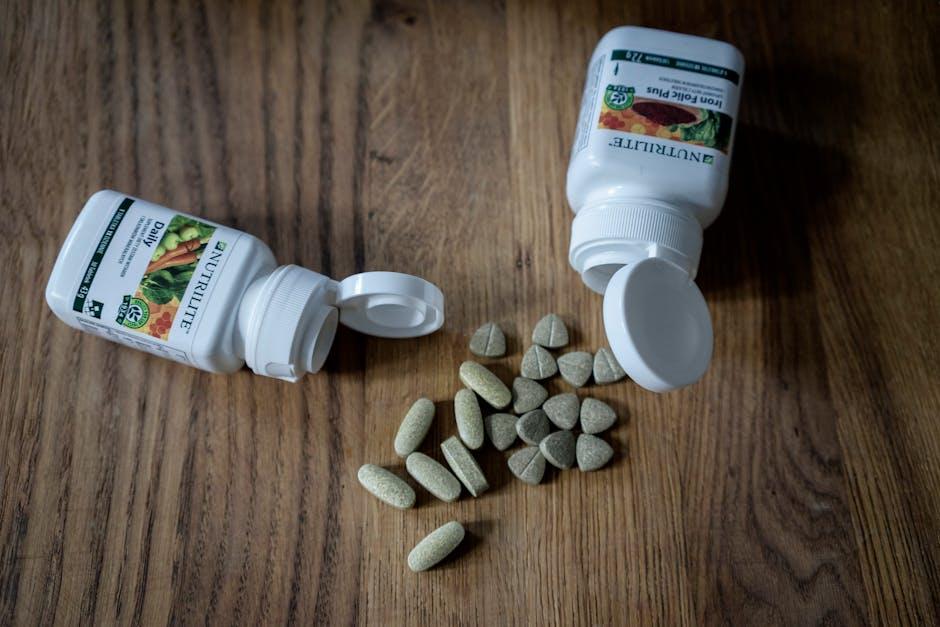

Introduction
Iron and calcium are two of the most essential minerals required for optimal physiological functioning and health maintenance. Iron is crucial for oxygen transport and energy metabolism,while calcium is basic for bone health,muscular contraction,and cellular signaling. As dietary supplements, both minerals are frequently recommended, notably during pregnancy, adolescence, and in patients with dietary deficiencies or specific comorbidities.However, questions persist among healthcare professionals and the public regarding the co-administration of iron and calcium—specifically whether taking these minerals simultaneously affects their absorption, efficacy, or safety profile. This comprehensive,evidence-based guide critically examines the scientific literature,pharmacokinetics,patient populations,and practical considerations to answer the central question: “”
Understanding the Biological Roles of Iron and Calcium
The Importance of Iron in Human Health
Iron is an indispensable element,primarily functioning as a component of hemoglobin and myoglobin,facilitating oxygen transportation and storage in the blood and muscles,respectively (WHO). Iron also plays a role in cellular respiration, DNA synthesis, and immune responsiveness. Chronic iron deficiency can lead to iron deficiency anemia, a global health problem characterized by fatigue, cognitive impairment, and increased morbidity, especially in pregnant women and children (CDC).
Calcium’s multifaceted Role
Calcium constitutes the primary structural component of bones and teeth, accounting for nearly 99% of the body’s calcium allocation.The remaining 1% circulates in blood plasma and contributes to neuromuscular function,hemostasis,and cellular signaling pathways (NIH). Deficiency in calcium can predispose individuals to osteoporosis, muscle cramps, arrhythmias, and increased fracture risk, particularly among the elderly and menopausal women (Mayo Clinic).
Supplementation Patterns and Rationale
Common Indications for Iron supplementation
Iron supplements are routinely prescribed in the management and prevention of iron deficiency anemia, chronic kidney disease, gastrointestinal malabsorption syndromes, and during periods of increased physiologic demand such as pregnancy or rapid growth (NCBI). Dietary iron is available both as heme (animal sources) and non-heme (plant sources), with supplementation available as ferrous sulfate, ferrous gluconate, or ferric complexes.
Indications for calcium Supplementation
Indications for calcium supplementation include osteoporosis prevention or treatment,hypoparathyroidism,lactation,nutritional deficiency,and menopausal bone loss. Supplement forms include calcium carbonate, calcium citrate, and less frequently, calcium lactate and gluconate (MedlinePlus).
Pharmacokinetics and Absorptive interactions
The Science of Mineral Absorption
Gastrointestinal absorption of minerals depends on chemical form, dietary context, pH, and the presence of competing ions. Iron absorption, particularly non-heme iron, is heavily influenced by dietary factors and is maximized in an acidic environment (NCBI Bookshelf). Calcium absorption is optimized at neutral to slightly acidic pH and may be influenced by vitamin D status and dietary components such as oxalates and phytates.
Clinical Evidence of Iron-Calcium Interactions
multiple clinical studies and systematic reviews have evaluated the interaction between calcium and iron when ingested concomitantly.Calcium is known to inhibit non-heme iron absorption through competitive inhibition at the enterocyte level, as supported by controlled trials and meta-analyses (PubMed). Doses of calcium as low as 300-600 mg can significantly reduce iron absorption from a single meal in the short term (The Lancet).
yet, long-term effects on body iron stores (such as serum ferritin and hemoglobin) are less pronounced, particularly in populations with adequate iron intake. A systematic review in the American Journal of Clinical Nutrition reported that daily calcium supplementation does not appear to increase risk of anemia in healthy individuals.
The Mechanism: Why Calcium Inhibits iron Absorption
Calcium interferes primarily with the absorption of non-heme iron—the predominant form of iron in plant-based diets—rather than heme iron from animal products. Mechanistically, calcium competes with iron for access to divalent metal transporter 1 (DMT-1) in the duodenal enterocytes, and may also alter the integrity of the iron transport vesicles within intestinal mucosa (American Journal of Clinical Nutrition). Moreover,calcium can form insoluble complexes with iron in the gut lumen,further reducing bioavailability.
this interaction is dose-dependent and transient, with effects most pronounced when meaningful calcium is consumed simultaneously with iron-rich foods or supplements.
Population Considerations and Special Patient Groups
Pregnant Women
Pregnancy represents a unique clinical scenario, as both iron and calcium requirements are increased due to maternal demand and fetal growth. World Health Institution guidelines recommend daily iron and folic acid supplementation for all pregnant women, and calcium supplementation is encouraged where the risk of preeclampsia is high (WHO Guidelines).
Clinical trial data suggest that simultaneous administration may compromise iron status in pregnant women, especially if baseline iron stores are low. Therefore, it is prudent to separate dosing of these minerals by several hours, typically by administering iron in the morning and calcium in the evening (national Center for Biotechnology Facts).
Children and Adolescents
Growing children and teenagers require both adequate calcium for bone progress and iron for cognitive and physical growth. Studies show that dietary calcium does transiently inhibit non-heme iron absorption but does not typically lead to overt iron deficiency if diets are generally balanced and varied (NCBI: Calcium and iron Interactions in Child Nutrition).
Individuals with Chronic Disease or Malabsorption Syndromes
Patients with chronic kidney disease, celiac disease, inflammatory bowel disease, and those -bariatric surgery frequently enough exhibit compromised absorption of micronutrients, necessitating specific supplementation protocols.In this cohort, spacing iron and calcium by 2-3 hours is especially critical to optimize absorption and correct deficiencies rapidly (Mayo Clinic: Malabsorption and Micronutrients).
Guideline Recommendations: Timing and Administration strategies
expert Consensus Statements
International guidelines—including those from the World Health Organization and Centers for Disease Control and Prevention—advise against taking iron and calcium supplements simultaneously, especially in populations at risk for iron or calcium deficiency (WHO Antenatal Guidelines).
The general recommendation is to space iron and calcium supplementation by at least two hours to maximize absorption efficiency for each mineral and mitigate competitive inhibition (FDA).
Dosing Protocols in Clinical Practice
- Iron: Best absorbed on an empty stomach or with vitamin C-rich juice to enhance uptake. Avoid dairy,coffee,tea,and calcium-rich foods/supplements within 2 hours.
- Calcium: Best taken with meals, particularly calcium carbonate which relies on gastric acid for absorption.Calcium citrate can be taken with or without food.
- Individualization: Patients with gastrointestinal irritation might potentially be advised to take iron with a small amount of food, provided no calcium sources are included in that meal.

Evaluating the Evidence: What Do Clinical Trials Show?
To dissect the magnitude and significance of iron-calcium interaction, it is indeed crucial to review findings from controlled clinical trials and meta-analyses. Notably,randomized controlled trials in diverse populations have established that acute simultaneous intake of high-dose calcium with iron-rich meals diminishes non-heme iron absorption by 50–60%. However, longitudinal studies spanning six months to several years indicate that this affect may not translate to clinically meaningful reductions in systemic iron stores in healthy adults.
A systematic review in the Cochrane Database found that separating supplement dosing—even by as little as 1–2 hours—abolishes the negative impact on iron absorption and maximizes clinical efficacy. Though, subpopulations with elevated requirements or baseline deficiencies, such as pregnant women, remain at greater risk if best practices are not followed.
Additional Dietary and Drug Interactions to Consider
Food Factors Affecting Iron and Calcium Absorption
- Iron absorption inhibitors: Phytates (legumes,grains),polyphenols (tea,coffee),and excessive calcium (>300 mg) decrease non-heme iron bioavailability.
- Iron absorption enhancers: Vitamin C (ascorbic acid), gastric acid, and heme iron co-ingestion (PubMed).
- Calcium absorption inhibitors: Oxalates (spinach, rhubarb), phytates, and excessive sodium/protein intake.
- Calcium absorption enhancers: Adequate vitamin D status and moderate dietary fat.
medication Interactions
Several medications interfere with the absorption of both minerals:
- Iron: Proton pump inhibitors, antacids, levothyroxine, certain antibiotics (e.g., tetracyclines, fluoroquinolones).
- Calcium: Bisphosphonates, certain diuretics, digitalis glycosides, anticonvulsants.
Healthcare professionals shoudl perform a comprehensive medication review and counseling to mitigate adverse interactions (Harvard Health).
Practical Steps for Patients: Best Practices for Supplementation
- Consult a healthcare provider before initiating mineral supplementation.
- Take iron supplements on an empty stomach or with vitamin C-containing beverages unless otherwise intolerant.
- Administer calcium supplements with meals.
- Space iron and calcium doses by at least 2–4 hours where possible.
- Review all concurrent medications for potential interactions.
- Reassess serum ferritin, hemoglobin, and serum calcium regularly if using long-term supplementation (Mayo Clinic).
- report gastrointestinal side effects such as constipation, nausea, or heartburn to a healthcare provider promptly.
Frequently asked Questions (FAQ): Iron and Calcium Supplementation
Is it dangerous to take iron and calcium together?
While there is limited risk of acute toxicity, taking iron and calcium together diminishes absorption of both minerals, which can undermine intended therapeutic outcomes. This is particularly relevant for those being treated for deficiency states or with increased physiological needs (Medical News Today).
How far apart should I take iron and calcium?
Consensus recommendations advise separating iron and calcium supplementation by at least 2 hours to minimize absorptive competition and ensure optimal clinical benefit (Healthline).
Can foods containing calcium reduce the effectiveness of iron supplements?
Yes,high-calcium foods—such as dairy products—can inhibit iron absorption when consumed concurrently with iron supplements. to maximize supplement efficacy, avoid calcium-rich meals for several hours before and after iron ingestion (NCBI).
Are there supplement forms that reduce this risk?
Heme iron supplements (from animal sources) are less susceptible to inhibition by calcium compared to non-heme iron. Similarly, calcium citrate might potentially be more bioavailable in individuals with low stomach acid (mayo Clinic).
Summary table: Key Differences and Considerations
| Mineral | Best Absorption Conditions | Inhibitors | Special Notes |
|---|---|---|---|
| Iron | Empty stomach, with vitamin C | Calcium, antacids, certain foods | Space from calcium by 2+ hours |
| Calcium (carbonate) | With meals (acidic environment) | Iron, oxalates, phytates | Avoid co-ingestion with iron |
| Calcium (citrate) | With or without food | Iron, excessive sodium/protein | Preferred for achlorhydria or elderly |
Conclusions and Clinical Recommendations
robust clinical and biochemical evidence confirms that simultaneous intake of iron and calcium—whether from supplements or foods—can significantly impair non-heme iron absorption in the short term, with potential long-term clinical implications in at-risk individuals. Current international best practices advocate separating iron and calcium supplementation by at least 2 hours to optimize absorption and minimize competitive interaction.Personalized treatment plans are essential, taking into account age, comorbid conditions, dietary intake, concomitant medications, and laboratory values. Patients and caregivers should work closely with healthcare professionals to ensure evidence-based, individualized supplementation regimens, aiming to maximize therapeutic outcomes while minimizing adverse effects (WHO: Micronutrient Deficiencies).
Further Reading and Resources
- WHO Recommendations on Antenatal care for a Positive Pregnancy Experience
- CDC: Iron and calcium Intake in Children
- NIH: Iron – Fact Sheet for Consumers
- NIH: calcium – Fact Sheet for Consumers
- Healthline: Can Calcium Interfere with Iron Absorption?
References
- Hallberg, L. et al. “Calcium and iron absorption—mechanisms and public health relevance.” Am J Clin Nutr. 2018
- World Health Organization. “WHO recommendations on antenatal care for a positive pregnancy experience.”
- CDC: Iron in Nutrition
- NIH: Calcium consumer Fact Sheet
- Mayo Clinic: Iron Supplement Oral Route
- NCBI: Calcium and Iron Interactions