
Introduction
Physical activity is a central pillar of long-term health. According to the world Health Organization (WHO),insufficient physical activity ranks among the leading risk factors for global mortality,associated with approximately 3.2 million preventable deaths each year. Even modest increases in physical activity confer notable reductions in the risk of chronic conditions such as cardiovascular disease, diabetes, osteoporosis, metabolic syndrome, and certain cancers. In this context, resistance training—particularly with dumbbells—provides an accessible, cost-effective, and scientifically validated approach for beginners aiming to improve muscle strength, joint function, metabolic health, and general wellbeing in the comfort of their own home.
This comprehensive article evaluates the best evidence-based dumbbell exercises for beginners at home, emphasizing safety, form, and progressive overload. Drawing from high-quality clinical guidelines and peer-reviewed research,we outline the health benefits,physiological mechanisms,contraindications,and practical execution of each exercise. Whether you are new to resistance training or returning from a period of inactivity, these insights will guide you toward safer and more effective at-home exercise routines.
Why Dumbbell Training? The Evidence-Based Benefits
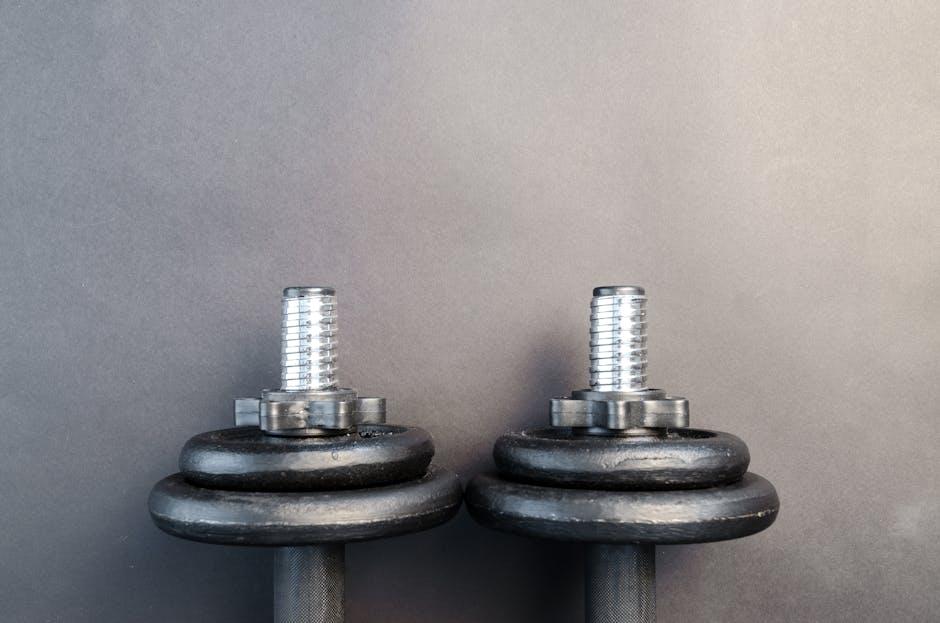
Dumbbells offer a versatile and scalable modality for resistance training.Unlike machines,which predetermine movement patterns,dumbbells require greater stabilization from smaller,intrinsic muscles—engaging core stabilizers,improving proprioception,and enhancing neuromuscular coordination. Several clinical trials and meta-analyses have affirmed the therapeutic efficacy of resistance exercises, including those with free weights, in fostering not only muscular hypertrophy and strength but also bone mineral density, functional mobility, glycemic control, and psychological well-being (PMID: 29690181).
Pragmatically,dumbbells are compact,relatively inexpensive,and suited for small spaces—a distinct advantage for home-based exercise. Importantly, resistance training helps counteract age-related sarcopenia, promotes healthier body composition, and supports weight management when combined with appropriate nutritional strategies (Harvard Health).
Medical Contraindications and Pre-Exercise Assessment
While dumbbell exercises are generally safe for healthy individuals, specific populations require medical clearance prior to initiating a new exercise regimen:
- Individuals with unstable cardiovascular diseases, recent myocardial infarction, or arrhythmias (CDC Guidance)
- Those with uncontrolled hypertension or diabetes
- Persons recovering from major orthopedic injuries or surgeries
- Patients with advanced osteoporosis or certain neurological disorders
A thorough pre-exercise assessment shoudl include medical history, screening for musculoskeletal issues or contraindications, and (when indicated) direct supervision by a certified healthcare provider or physical therapist. Refer to the NHS physical activity guidelines for further recommendations.
Essential Principles for Safe and effective Home Training
- Warm-Up and Cool Down: Begin each session with 5-10 minutes of low-impact cardiovascular activity (e.g., brisk walking in place, dynamic stretching) to prime the musculoskeletal and cardiovascular systems (Mayo Clinic).
- Weight Selection: Choose dumbbells light enough to complete 2–3 sets of 8–12 repetitions with proper form, but heavy enough to challenge the muscles by the final repetitions (Healthline).
- Progressive Overload: Gradually increase resistance, repetitions, or sets as strength improves to stimulate ongoing adaptation.
- form and Range of Motion: Quality matters more than quantity. Slow, controlled movements reduce injury risk and enhance muscle recruitment.
- Rest: Allow at least 48 hours between strength sessions for the same muscle group (Mayo Clinic).
- Hydration and Nutrition: Maintain adequate fluid and electrolyte intake, and consume sufficient protein to support muscle repair (PMID: 31861847).
The Top Dumbbell Exercises for Beginners
Below is a medically curated selection of dumbbell exercises targeting all major muscle groups. Each movement is relevant for beginners, focusing on foundational strength, joint health, and injury prevention. the exercises are organized anatomically for balanced development.
1.Goblet Squat
The goblet squat activates the quadriceps, gluteus maximus, hamstrings, and core stabilizers. Clinical research demonstrates its value for improving lower body strength and mobility with reduced lumbar spine strain compared to traditional back squats (PMID: 24412999).
- Setup: Stand with feet shoulder-width apart.Hold a dumbbell vertically at chest height with both hands.
- Motion: keeping the chest upright, lower into a squat by bending hips and knees, thighs parallel to the floor. Return to standing.
- Tip: Maintain knee alignment over toes and a neutral spine throughout.
2. Dumbbell Romanian Deadlift
Primarily targeting the erior chain—hamstrings,glutes,and lower back—the romanian deadlift is well-suited for enhancing hip hinge mechanics and lumbar stabilization.This exercise supports functional improvements in daily activity and reduces the risk of low back pain (Medical News Today).
- Setup: Stand with feet hip-width apart, holding a dumbbell in each hand at thigh level.
- Motion: Keeping a slight knee bend, hinge at the hips to lower dumbbells down the front of the legs. Stop when hamstrings are stretched, then return to upright.
- Tip: do not round the back; maintain shoulder blades back and down.
3. Dumbbell Chest Press (Floor or Bench)
The chest press enhances strength and hypertrophy of the pectoralis major, deltoids, and triceps, improving upper body function, ure, and bone health. Studies confirm that closed-chain upper body exercises can be safely adapted for home use, supporting musculoskeletal health and cardiovascular benefit (PMID: 34489634).
- Setup: Lie on your back on a mat (or bench), holding dumbbells at chest level, elbows bent at 90 degrees.
- Motion: Press the dumbbells upward until arms are fully extended, then lower under control.
- Tip: Avoid arching the lower back excessively.
4. One-Arm Dumbbell Row
Targeting the latissimus dorsi,rhomboids,and rear deltoids,the row is instrumental for scapular stability,shoulder health,and ural support. According to Harvard Health Publishing, rows are essential for balancing pressing movements and minimizing the risk of shoulder impingement.
- Setup: Place one knee and hand on a sturdy surface.With the opposite hand,grip a dumbbell at arm’s length.
- Motion: Pull the dumbbell to the side of your chest, keeping the elbow close to your body. Return slowly.
- Tip: Squeeze your shoulder blade at the top for optimal activation.
5. Dumbbell Shoulder Press
The overhead shoulder press predominantly works the deltoids, triceps, and upper trapezius.Resistance training of the shoulders has been shown to enhance scapular stability and arm function in a variety of populations, including older adults and those rehabilitating from injury (PMID: 32111553).
- Setup: Sit or stand with a neutral spine; hold dumbbells at shoulder height, palms facing forward.
- Motion: Press both dumbbells directly overhead, then return slowly.
- Tip: Avoid locking elbows wholly at the top.
6. Dumbbell Lateral Raise
Lateral raises isolate the middle fibers of the deltoid muscle, improving shoulder aesthetics and abduction strength. Maintaining shoulder health and mobility is crucial for everyday tasks, and evidence supports that targeted shoulder exercises mitigate risk of rotator cuff tendinopathies (PMID: 31092198).
- Setup: Stand with a dumbbell in each hand, arms at your sides.
- Motion: Lift arms laterally to shoulder height, pause, then lower under control.
- Tip: Do not swing the weights; keep core braced.
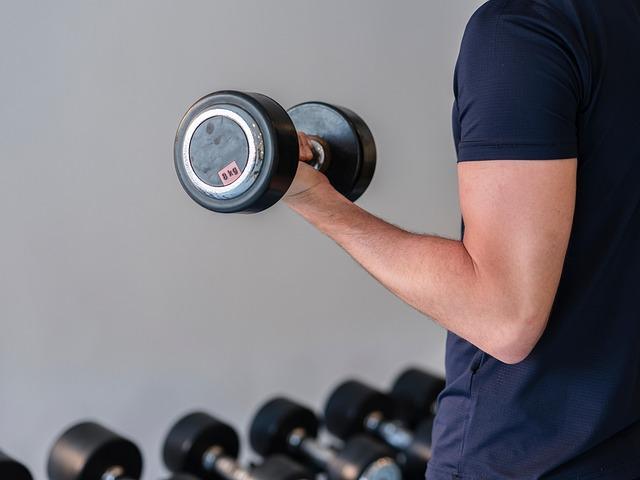
7. Dumbbell Biceps Curl
Biceps curls fortify the elbow flexors and support grip strength—a key determinant of overall physical function and predictor of mortality in older adults (PMID: 29717248).
- Setup: Stand or sit with a dumbbell in each hand, arms fully extended, palms facing forward.
- Motion: Curl the dumbbells toward your shoulders, then lower slowly.
- tip: Keep elbows stationary at the sides.

8. Dumbbell Triceps Extension
The triceps extension is indispensable for elbow joint health and balanced upper limb development. Strengthening triceps counteracts the dominance of flexors and reduces musculoskeletal strain (Healthline).
- Setup: stand or sit; hold a dumbbell with both hands above the head,arms extended.
- Motion: Slowly lower the dumbbell behind your head by flexing at the elbows, then extend back up.
- Tip: Keep upper arms close to the ears; do not flare elbows outward.
9. Standing Dumbbell Calf Raise
Calf raises stimulate the gastrocnemius and soleus muscles, supporting lower limb circulation, gait mechanics, and balance (PMID: 28962682).
- setup: Hold a dumbbell in each hand, arms at sides. Stand tall with feet hip-width apart.
- Motion: Rise onto the balls of your feet, pause, then slowly return to starting position.
- Tip: use a chair or wall for stability if needed.
10.Dumbbell Russian Twist
For core activation, the Russian twist involves rotational strengthening of the obliques and transverse abdominis. These muscles are integral for spinal health, dynamic stability, and injury prevention (Healthline).
- Setup: Sit on the floor with knees bent, feet lightly placed, holding a dumbbell with both hands in front of your chest.
- Motion: Lean back slightly, rotate your torso side to side, moving the dumbbell across your body.
- Tip: Engage your core throughout; avoid excessive swinging.
Constructing a Beginner Dumbbell Workout: Practical Guidelines
| Exercise | Sets | Reps | Rest (Seconds) |
|---|---|---|---|
| Goblet Squat | 2–3 | 8–12 | 60–90 |
| Dumbbell Chest Press | 2–3 | 8–12 | 60–90 |
| One-Arm Dumbbell row | 2–3 | 8–12 (each side) | 60–90 |
| Dumbbell Shoulder Press | 2–3 | 8–12 | 60–90 |
| Dumbbell Biceps Curl | 2–3 | 10–15 | 45–60 |
| Dumbbell Triceps Extension | 2–3 | 10–15 | 45–60 |
| Standing Dumbbell Calf Raise | 2–3 | 12–20 | 45–60 |
| Dumbbell Russian Twist | 2–3 | 10–15 (each side) | 30–45 |
Adapt the schedule based on personal capacity, available time, and progression.Start with 2 sessions per week, increasing as tolerance and recovery allow.
Key Safety and injury Prevention Tips
- Environment: Ensure a clear, non-slip exercising space. Remove trip hazards, and use mats to prevent joint impact.
- Breathing: Exhale during exertion (lifting phase), inhale during lowering. Avoid breath-holding to prevent spikes in blood pressure (CDC).
- Pain Management: Discontinue any exercise causing sharp or persistent pain. Some muscle fatigue or mild soreness is expected, but significant discomfort warrants professional assessment (Mayo Clinic).
- Supervision: Consider remote coaching or virtual fitness classes for additional support and technique monitoring.
Special Considerations: Adapting for diverse Populations
Older Adults
Resistance training with dumbbells is safe and especially beneficial for older adults to counteract muscle wasting, preserve independence, and reduce fall risk (NHS Strength Plan).
- Use lighter weights and higher repetitions.
- Focus on slow, controlled movements and balance enhancement.
- If frail or with chronic disease, seek a physical therapist’s approval.
Individuals Recovering from Injury or Chronic Illness
- Modify range of motion, speed, or load based on limitations.
- Emphasize pain-free movement and gradual reintroduction.
- Consult with a licensed medical or rehabilitation professional.
People with Joint Issues or Arthritis
Clinical evidence supports resistance training for arthritis management, provided movements are low-impact and weights are adjusted to minimize joint irritation (Arthritis Foundation).
- Warm up longer and prioritize range-of-motion before heavier loads.
- Avoid exercises that provoke swelling or prolonged pain.
- Use ergonomic dumbbell handles for grip comfort.
How to Progress: From Beginner to Intermediate Levels
Progressive overload is central to continued adaptation. As fundamental techniques become easier, increase weight incrementally (0.5–2 kg at a time), add repetitions, or add an additional set. According to the Harvard Medical School, consistent, gradual increases minimize injury risk and foster sustained gains.
- Use a training log to monitor progress and recovery patterns.
- Incorporate advanced variations or proprioceptive challenges (e.g., single-leg stance) as appropriate.
- Experiment with different grips, tempos, or angles for new stimuli.
If plateaus occur, consider restructuring the program or cross-training with other exercise modalities (bodyweight, resistance bands, or aerobic activities).
Frequently Asked Questions (FAQs)
1. How often should beginners use dumbbells at home?
For optimal adaptation and safety,beginners should perform full-body dumbbell routines 2–3 times per week,with at least 48 hours separating sessions for each muscle group (Mayo Clinic). Avoid working the same muscles on consecutive days to permit adequate recovery.
2. What weight should I start with?
Select a dumbbell weight that permits completion of all prescribed repetitions with controlled form, and slight muscular fatigue in the final repetitions. For most beginners, this may range from 2–5 kg (4–12 lbs), adjusted upward as strength improves (Healthline).
3. Can home dumbbell exercises be as effective as gym machines?
Yes, research indicates that free-weight exercises (including dumbbells) confer equivalent or superior improvements in strength, coordination, and joint stability relative to machine-based protocols (PMID: 24149147).Free-weights also foster more functional movement patterns applicable to daily life.
4. What precautions should I observe when training unsupervised at home?
Always prioritize safe space setup, controlled movement, appropriate progression, and recognition of any pain signals. Individuals with known health complications should solicit professional guidance prior to beginning or advancing any program (NHS).
Conclusion
Incorporating scientifically selected dumbbell exercises into home routines yields profound benefits for muscle strength, bone density, metabolic health, and mental well-being. The low barrier to entry—requiring minimal equipment or space—makes resistance training with dumbbells one of the most sustainable and accessible forms of exercise for beginners. Adherence to evidence-based principles, attentive progression, and use of proper form minimize injury risk and optimize long-term health outcomes. For individualized adaptation or clinical limitations, consult a licensed healthcare professional or certified trainer.
For further reading and professional resources, explore the latest guidelines from the World Health Organization and Harvard Health Publications.
References
- World Health Organization: Physical Activity
- CDC: Physical Activity for Healthcare Providers
- NIH Research Matters: Benefits of Strength Training
- Harvard Health: The Importance of Strength Training
- PMID: 29690181
- PMID: 28962682
- NHS: Exercise